
Namnong Memorial Hall (남농기념관)
2026-06-30
119, Namnong-ro, Mokpo-si, Jeonnam-Gwangju Special Metropolitan City
Namnong Memorial Hall is an art gallery dedicated to the works and memory of Namnong Heo Gun, a famous artist of the traditional Southern School of Painting. The hall was opened as an art gallery by Namnong Heo Gun (1908-1987) himself in 1985. The Southern School of Painting features natural scenes with accompanying calligraphy. The hall now features over 200 works of art by some of the most famous Korean paintings in history, as well as pottery from China and Japan.
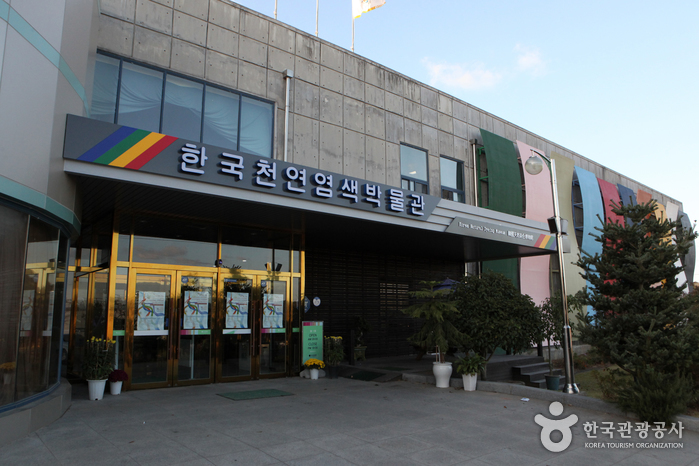
Natural Dyeing Culture Center (한국천연염색박물관)
2026-06-30
379, Baekho-ro, Naju-si, Jeonnam-Gwangju Special Metropolitan City
The area of Naju has long been at the forefront of the natural dyeing and silk production industry. The natural setting of fresh water from the Yeongsangang River along with the salt water from the sea are perfect for growing the plants necessary for a deep indigo color. As such, it is the only area to be recognized for its natural dyeing (Important Intangible Cultural Heritage) by the Cultural Heritage Administration. The best place to experience this local heritage is at the Natural Dyeing Culture Center. The center offers experience programs and educational programs, as well as exhibitions and sales of naturally dyed products.

Woljeongsa Museum (월정사 성보박물관)
2026-11-11
176, Odaesan-ro, Pyeongchang-gun, Gangwon-do
Located within Woljeongsa Temple in Pyeongchang-gun, Gangwon-do, Woljeongsa Museum was founded in October 1999, and began displaying treasures and artifacts from some 60 plus temples in the southern part of Gangwon region. Currently, the museum houses Documents of Sangwonsa Temple (National Treasure No. 292), 12 sarira found in the Octagonal Nine-story Stone Pagoda of Woljeongsa Temple (National Treasure No. 48), and many other treasures.
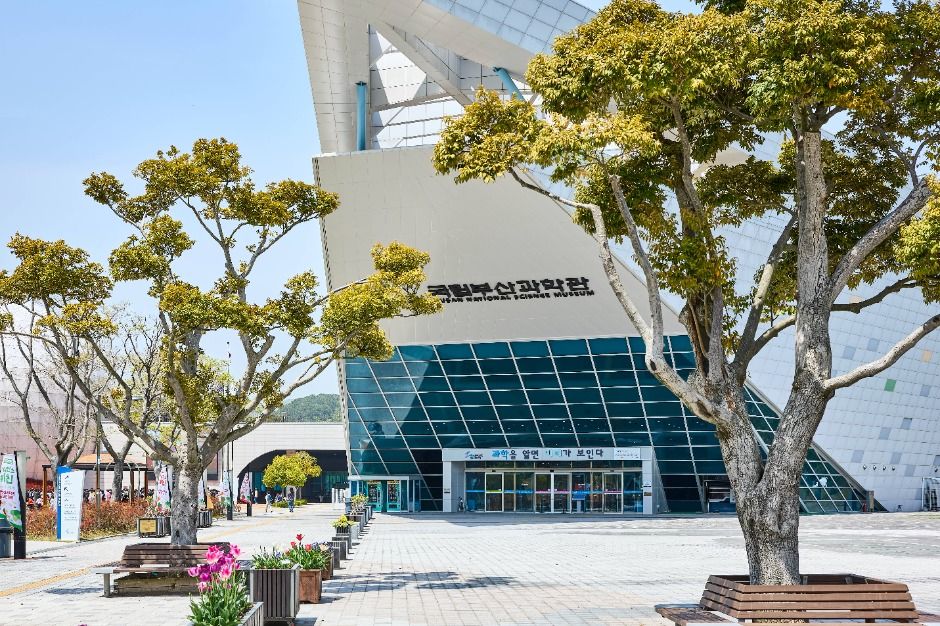
Busan National Science Museum (국립부산과학관)
2025-10-23
59 Dongbusangwangwang 6-ro, Gijang-gun, Busan
Busan National Science Museum was established to promote the wonders of science and provide visitors with an opportunity to enjoy everything science has to offer. Themed exhibitions related to vehicles, spaceships, and energy development led by the cities of Busan, Ulsan, and Gyeongsangnam-do are available. The museum aims to promote a further understanding of science.
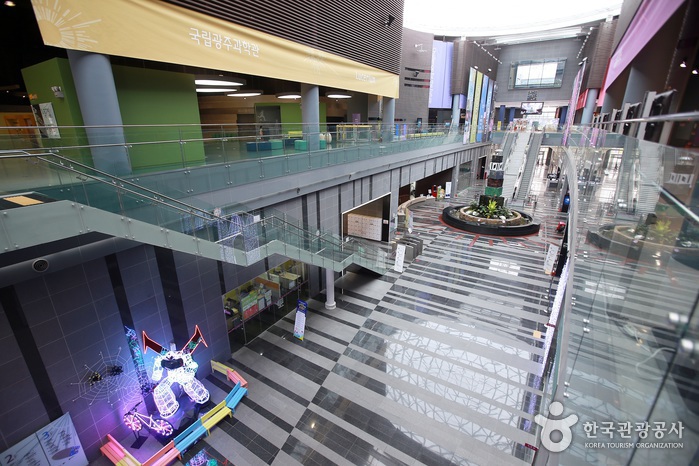
Gwangju National Science Museum (국립광주과학관)
2026-11-11
235, Cheomdangwagi-ro, Buk-gu, Jeonnam-Gwangju Special Metropolitan City
Gwangju National Science Museum was opened in 2013 to promote science. The museum specializes in light and science with a spaceship-shaped exterior. Many of the exhibitions consist of hands-on programs, providing visitors a chance to use their imagination to further learn about science.
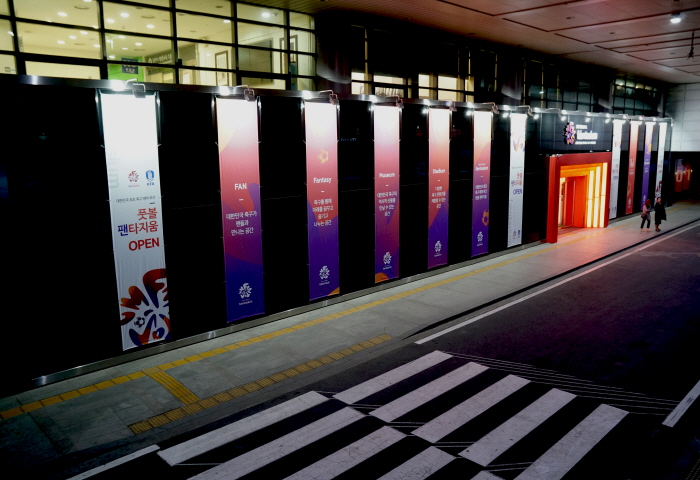
Football Faentasium (풋볼 팬타지움)
2022-09-13
240, World Cup-ro, Mapo-gu, Seoul
Football Faentasium is the first soccer-themed experience museum in Korea, founded by the Korea Football Association. The museum uses the lastest in IT for exciting displays, experiences, educational lessons, and more for a facility more like a theme park than a museum. The name comes from a mix of the words fan, fantasy, museum, and stadium.

PARK 1538 (POSCO Museum) (Park1538 포스코역사박물관)
2026-10-14
14 Donghaean-ro 6213beon-gil, Nam-gu, Pohang-si, Gyeongsangbuk-do
The PARK 1538 POSCO Museum not only showcases the history, spirit, corporate culture and vision of POSCO, but also Pohang city's development, showing the city's transformation alongside the company. POSCO was able to achieve success thanks to the POSCO employees who fought against all kinds of adversities. The museum showcases such great achievements, as well as the entire history of the company, giving dreams and hopes to the youth who visit the museum.
Daejeon Modern History Exhibition Hall (대전근현대사전시관(옛 충남도청사 본관))
2025-10-23
101 Jungang-ro, Jung-gu, Daejeon
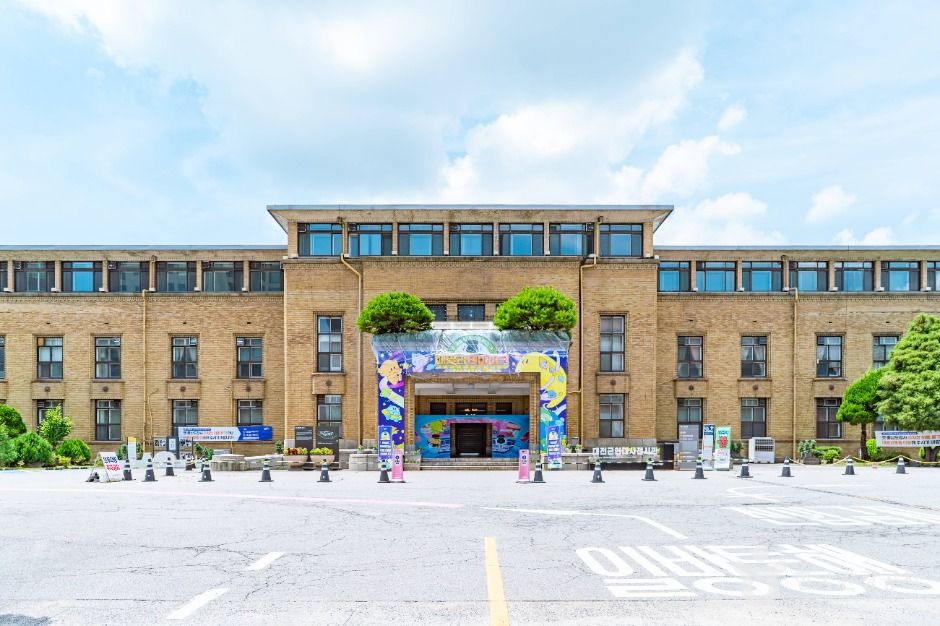
Daejeon Modern History Hall opened to the public on October 1, 2013 at the former main building of Chungcheongnam-do Provincial Government, Daejeon (Registered Cultural Heritage). Visitors can see various scenes of history and the development of Daejeon over the past 100 years from the early 20th century to current times. Daejeon operates a planned exhibition hall, special exhibition showcasing history, architecture, design, folk style and other varied fields as well as a rotating exhibition. Also, touring the main building of Chungcheongnam-do Provincial Government, music concerts and various cultural education programs are available in this cultural complex.
Naju National Museum (국립나주박물관)
2026-09-30
747 Gobun-ro, Naju-si, Jeonnam-Gwangju Special Metropolitan City
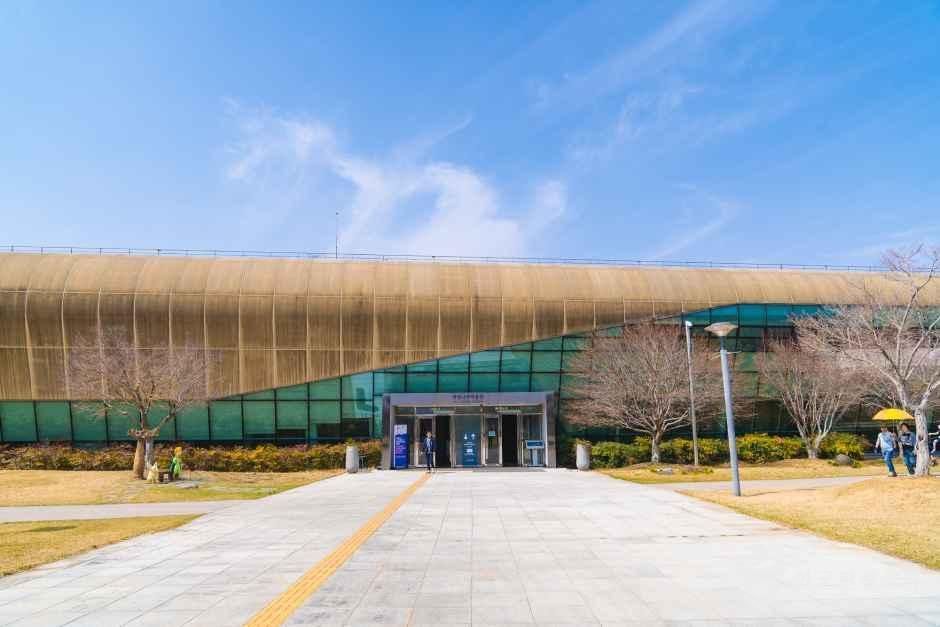
The Naju National Museum, an affiliate of the National Museum of Korea, was established to preserve and exhibit archaeological materials remaining in the Yeongsangang River basin and to serve as a storage facility for excavated cultural properties in the Honam region. It is the first Museum in Korea to introduce an exhibition guidance system utilizing smartphone NFC technology across exhibition halls, enabling real-time interactive communication where visitors can receive exhibition information via their smartphones and share it with one another on social media. The Naju National Museum is located near the Sinchon-ri Ancient Tombs, Ancient Tombs in Bannam, and Deoksan-ri Ancient Tombs, so it is good to visit them together.

Jeongseon Arirang Training Hall (정선아리랑 전수관)
2026-11-11
69, Auraji-gil, Jeongseon-gun, Gangwon-do
Jeongseon Arirang is an important intangible heritage of Korea, being designated Gangwon-do Intangible Cultural Asset No. 1, as well as recorded as a UNESCO Intangible Cultural Heriatge. The song was created in the late Goryeo dynasty by seven worshippers of the dynasty who settled in Jeongseon. The song was made to help the local scholars understand Chinese poetry, and to express the stories and emotions to the locals. The Jeongseon Arirang Training Hall was established to preserve and promote this history, as well as develop the local folk culture. The hall is located by the Auraji riverside at the point where Songcheon and Goljicheon Streams meet. The facilities are comprised of three buildings, divided into an exhibition area, and a experience area. In the experience area, visitors can learn how to perform Jeongseon Arirang by official holders of the intangible heritage. Programs are free but require advance reservation.
 English
 한국어
 日本語
 中文(简体)
 Deutsch
 Français
 Español
 Русский


