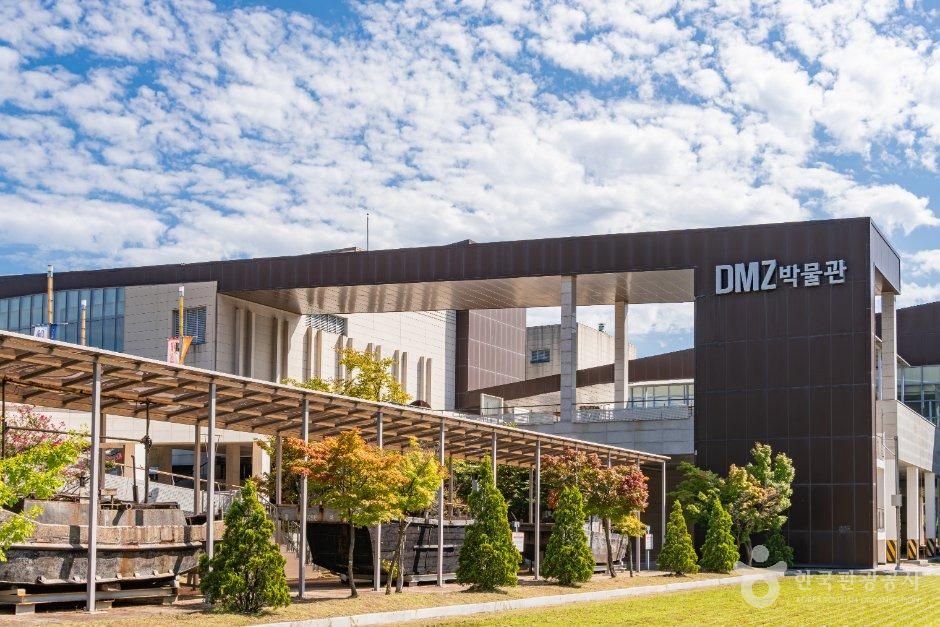
Goseong DMZ Museum (고성DMZ 박물관)
2026-10-22
369 Tongiljeonmangdae-ro, Goseong-gun, Gangwon-do
The Goseong DMZ Museum is located within the Civilian Control Zone, close to the Military Demarcation Line at the northernmost point of the eastern coast, embodying the aspirations of the entire nation for peace and stability between North and South Korea. Through the DMZ, a symbol of the only remaining divided nation on Earth, the museum reconstructs, via exhibits and videos, the scenes before and after the outbreak of the Korean War in 1950, the historical significance of the armistice line born from the armistice agreement, the pain of separation among compatriots resulting from this, ongoing military clashes, and the ecological environment preserved in its original state as it has remained untouched by human hands for over 60 years.
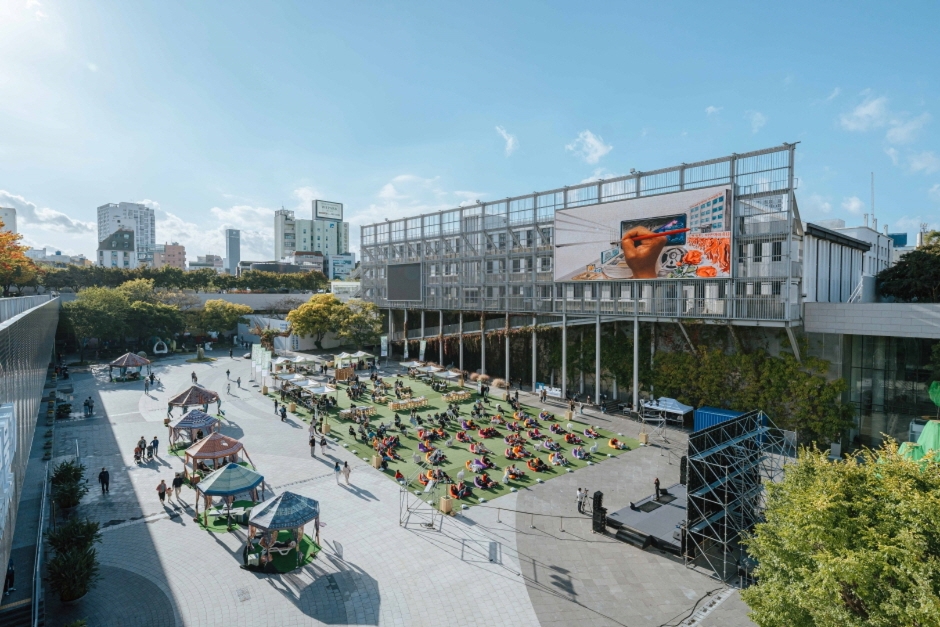
National Asian Culture Center (국립아시아문화전당)
2026-06-30
38 Munhwajeondang-ro, Dong-gu, Jeonnam-Gwangju Special Metropolitan City
The National Asian Culture Center (ACC) is an international arts and cultural exchange organization aimed to promote Gwangju as Asia's central hub through the integration of past and present-day cultural arts as well as the development of futuristic and progressive arts. The center consists of ACC Culture Exchange, ACC Children, ACC Archive & Research, ACC Theater, and other facilities to support and foster innovation.◎ Travel information to meet Hallyu’s charm – movie “Exhuma”This venue served as the backdrop for the scene where Hwa-rim and Bong-gil visit a hospital in LA to see a newborn whose parent’s life is in danger. Although portrayed as a hospital lobby, the scene was filmed in the National Asian Culture Center, Gwangju’s landmark cultural venue, notable for its impressive architecture that integrates natural elements.

Museum of Musical Instruments of the World (세계민속악기박물관)
2026-06-10
63-26 Heyrimaeul-gil, Paju-si, Gyeonggi-do
Museum of Musical Instruments of the World is the first Korean museum to collect musical instruments from all over the world. At present, it houses about 2,000 musical instruments and folk music related materials from 120 countries. Visitors can try out the instruments in the designated hands-on activity area, and try on traditional costumes, as well as other entertainment activities like pungmul (traditional Korean percussion). The museum also offers a wide range of themed events and educational programs.
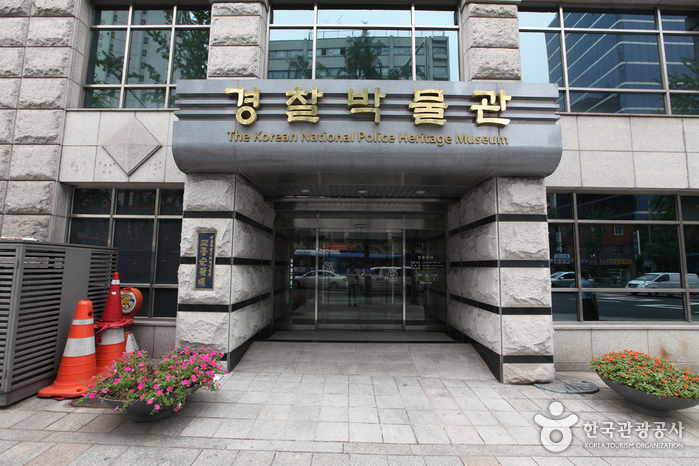
Korean National Police Heritage Museum (경찰박물관)
2021-12-21
41, Saemunan-ro, Jongno-gu, Seoul
The police museum opened on October 14, 2005 to give a better understanding of the job of the police and to offer a formal education to children who wish to become police officers in the future. The history hall of the museum is designed for visitors to learn about the history of Korean police at a glance, exhibiting information on the police force from the Joseon dynasty up until current times.
Visitors to the museum can pretend to be police officers by touching actual equipment and learning about an officer's daily tasks. Visitors can also get in patrol cars, wear a police uniform, experience shooting a gun through a simulation, and learn self-defense martial arts and arrest techniques. Visitors can also go to the museum jail.
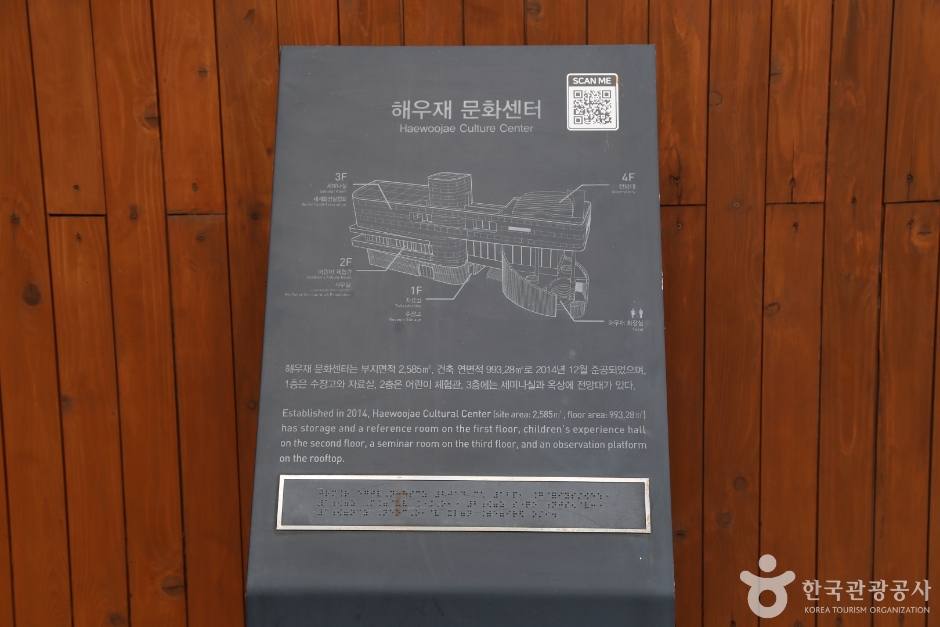
Haewoojae Museum (Mr. Toilet House) (해우재)
2024-12-30
463 Jangan-ro, Jangan-gu, Suwon-si, Gyeonggi-do
Haewoojae Museum is the world's only toilet-shaped museum. Its name means "a house to relieve one’s concerns," a term used in temples when referring to the restroom. It includes an exhibition hall, a library, and an experience center. The permanent exhibition on the first floor introduces the history and science of toilets from the 1950s to the present. The second floor hosts special exhibitions. The children's experience center offers the opportunity of learning about the digestive process in the human body.

Suyanggae Prehistory Museum (수양개선사유물전시관)
2026-11-11
390, Suyanggaeyujeok-ro, Danyang-gun, Chungcheongbuk-do
Suyanggae Prehistory Museum boasts itself as the largest prehistoric site in Korea. The museum contains a multitude of remains, especially stone toolkits, of the late Stone Age and has been designated as a UNESCO World Heritage site. The stone toolkits were discovered by a museum of Chungbuk National University while the team was on the project to excavate historical remains around the site that were submerged due to the construction of Chungju Dam. The museum provides detailed explanations and maps marked for the prehistorical sites in Danyang. Visitors can learn the life and wisdom of Paleolithic man in the museum.

Danuri Aquarium (단양 다누리아쿠아리움)
2026-11-11
111, Subyeon-ro, Danyang-gun, Chungcheongbuk-do
Located in Danyang, Danuri Aquarium houses a lot of freshwater fish with a wide array of fish species from Korea and overseas, consisting of 20,000 fish of 63 species and 1,600 fish of 87 species, respectively. Visitors can enjoy a wide selection of fish including Siniperca, a traditional fish from the Namhangang River, sweetfish and Korean bitterling, as well as various fish species from other countries all in one spot. Also, the aquarium offers a special sightseeing point, in the form of a fish tank decorated with the theme of Eight Scenic Views of Danyang. * Fish tanks: 127 exhibition tanks, 43 habituating tanks, approx. 915 tons

Fisheries Science Museum (수산과학관 (부산))
2026-11-11
216, Gijanghaean-ro, Gijang-gun, Busan
The Fisheries Science Museum, Korea's first science institute of its kind, was established on May 26, 1997 in order to promote maritime science and technology to the public. The museum was opened after six years of effort by the National Fisheries Science Institute in preparing research and materials regarding marine resources, the fishing industry, fishery and fish farm technology and equipment, taxidermied fish specimens, sea life species, and others. There are a total of 15 separate areas with over 7,400 exhibition items, and even an actual right whale skeleton on display, as well as a room where visitors can learn how to operate a marine vessel.
Gyeonggi Childrens Museum (경기도어린이박물관)
2022-12-20
6, Sanggal-ro, Giheung-gu, Yongin-si, Gyeonggi-do
Gyeonggi Children’s Museum was Korea's first experiential museum built specifically for children. It offers interactive exhibits and educational programs, attracting children to participate in person and feel the joy of learning. Children can choose what they'd like to study based on their individual interests, as well as learn various themes and concepts that help improve their imagination and creativity.
* Opening Date: September 26, 2011
Jeju World Natural Heritage Center (제주 세계자연유산센터)
2026-11-11
569-36, Seongyo-ro, Jeju-si, Jeju-do
The Jeju World Natural Heritage Center was established to acknowledge Jeju Island’s value as the sole UNESCO World Natural Heritage in Korea. It is comprised of various facilities including a 4D video room, lava tunnel experience, origins of Jeju-do, and many other activities that visitors can experience first-hand. Jeju World Natural Heritage Center is located in the Geomunoreum Lava Tube System, which was designated as a UNESCO World Natural Heritage in 2007, one of the 20 ecological tourism spots selected by the Ministry of Environment of Korea in 2009, as well as a Korean-style ecological tourism model. * Opening date: September 4, 2012
 English
 한국어
 日本語
 中文(简体)
 Deutsch
 Français
 Español
 Русский


