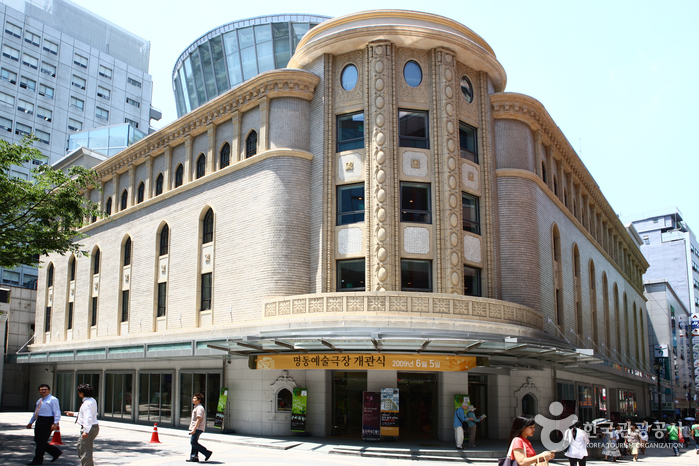
Myeongdong Theater (명동예술극장)
2021-06-09
35, Myeongdong-gil, Jung-gu, Seoul
Myeongdong Theater is an exclusive theatrical performance center, located in what was originally the National Theater of Korea. From 1934 to 1973, the National Theater of Korea pioneered Korean arts and culture, serving as a movie theater, performance hall and art theater. Though it closed its doors in 1975, it was reopened on June 5, 2009 after 3 years of renovation under the name of Myeongdong Theater. The exterior of the theater was left untouched, while the interior was completely updated for a modern design. The theater has a mid-sized performance hall with state-of-the-art stage equipment and a seating capacity of 588 seats. The close proximity of the seats and the stage offers great views as well as allows the audience to share the passion of the performers on stage. The theater presents a range of performances such as theatrical plays, experimental plays, non-verbal performances, and musicals. In addition, the place is a popular venue for diverse events like acting contests, theater festivals and performance festivals.
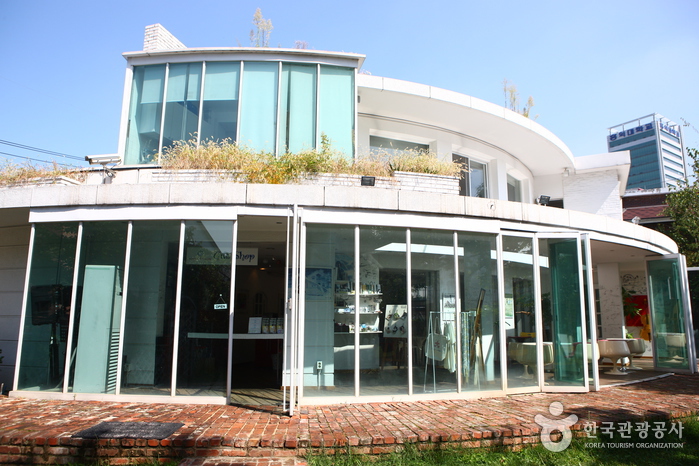
Yoon's Color (윤스칼라)
2019-03-19
12, Wausan-ro 14-gil, Mapo-gu, Seoul
Yoon's Color, previously known as the "Four Seasons House," is located in Sangsu-dong, Mapo-gu, Seoul and features props, items, photos and sets from director Yoon Suk-Ho's four seasons’ dramas series. "Autumn in my Heart (2000)," "Winter Sonata (2002)," "Summer Scent (2003)," and "Spring Waltz (2006)" are among some of the most famous Hallyu dramas and capture the theme of pure love through vivid cinematography. The entire house has exhibitions, including in the basement and in the outdoor garden space. Other well-known dramas including "The Snow Queen (2007)" are also promoted here.
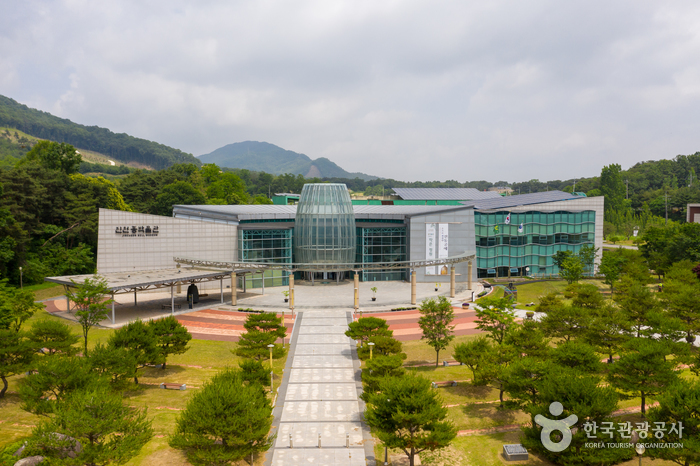
Jincheon Bell Museum (진천 종박물관)
2021-06-29
1504-12, Baekgok-ro, Jincheon-gun, Chungcheongbuk-do
The Jincheon Bell Museum opened in 2005 with the objective of promoting the unique artistic value of Korean bells. The museum’s location itself is also very meaningful, as Jincheon is home to the oldest steel production site in Korea. In the nearby area, Uncheon-dong, Beomjong (a temple bell) of the late United Silla Kingdom was discovered along with the remains of the Ongdusaji Cheoldanggan of the Goryeo dynasty.
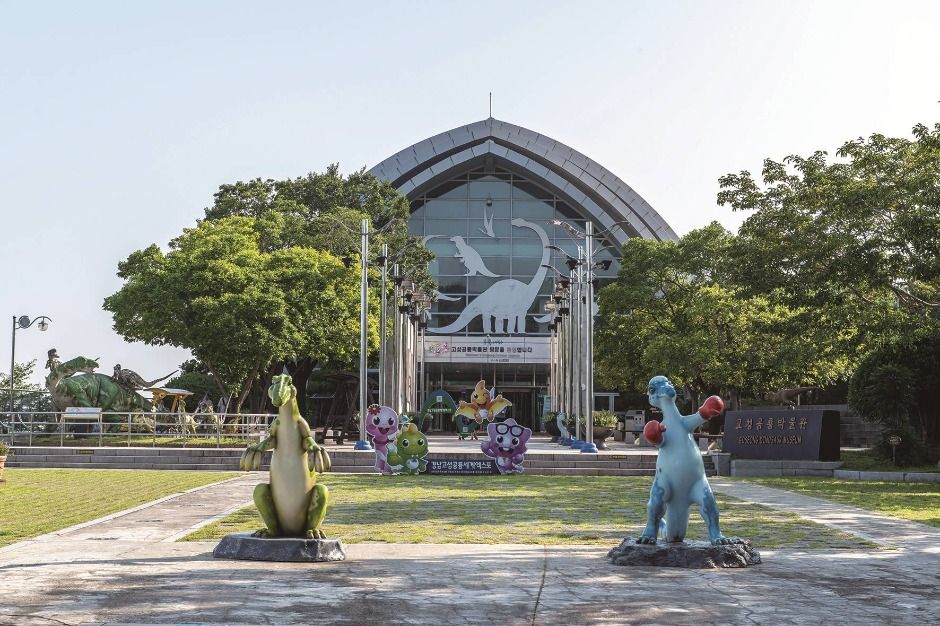
Goseong Dinosaur Museum (고성공룡박물관)
2026-08-11
618 Jaranman-ro, Hai-myeon, Goseong-gun, Gyeongsangnam-do
Goseong Dinosaur Museum is located in the Sangjogam Park, which is renowned as the world's largest dinosaur footprint fossil site. Sangjogam is where the first dinosaur footprints were discovered in South Korea. The museum features five exhibition halls and a theater. Visitors can see genuine egg fossils of Oviraptor and Protoceratops, as well as dinosaur models. The museum is connected to the Sangjogam Beach, where dinosaur footprints are preserved.
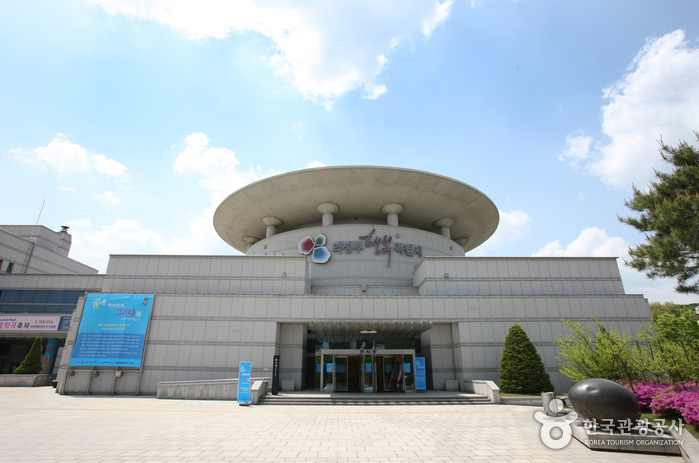
Uijeongbu Arts Center (의정부 예술의전당)
2019-04-03
323, Uijeongbu 2-dong, Uijeongbu-si, Gyeonggi-do
+82-31-828-5841
The Uijeongbu Arts Center is a multipurpose cultural space that maintains a large theater, a small theater, an international conference hall, and an exhibition hall. The large theater is a spacious performance hall that can support 300 on-stage performers and accommodate an audience of 1,057 persons. The theater has a multifunctional, three-dimensional, moving stage and state-of-the-art stage-lighting and sound facilities, making it a suitable venue for all genres, including orchestras, plays, dance performances, operas, and musicals. Despite its size, the small theater’s lighting and sound facilities match those of the large theater, and the facility can easily support a wide array of lively performances, including plays, chamber music, recitals, choral concerts, and other types of concerts, as well as experimental works. The exhibition hall is comprised of a large, round exhibition hall and two general exhibition halls, and its facilities are able to support any type of exhibition, irrespective of the field or size, such as drawings, calligraphy, sculptures, crafts, or photography. At the international conference hall, various symposiums, workshops, and academic seminars can be easily held, maintaining 109 seats for conference attendees, 68 seats for audience members, simultaneous interpretation facilities for up to five languages, and an audio-video control room.
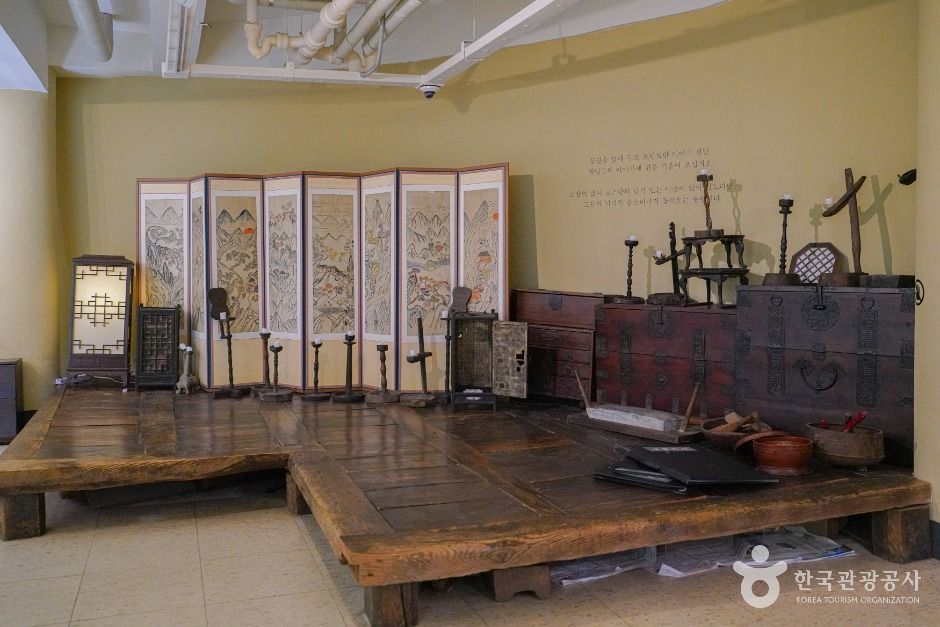
Korean Deungjan Museum (한국등잔박물관)
2026-06-10
8 Neunggok-ro 56beon-gil, Mohyeon-eup, Cheoin-gu, Yongin-si, Gyeonggi-do
Located opposite the tomb of Jeong Mong-ju, the Korean Deungjan Museum is a private museum showcasing traditional lamps collected over more than 50 years by director Kim Dong-hwi. As Korea’s only museum dedicated to traditional Korean lighting devices, it offers insight into the everyday lives of past generations and is widely visited by both individuals and student groups. The cylindrical, lighthouse-shaped building—designed with inspiration from the walls of Suwon Hwaseong Fortress—features one basement level and three above-ground floors, with exhibition spaces on the first and second floors and a multipurpose hall for seminars and performances on the third. An annex displays agricultural tools, while the outdoor area includes a pond and a stone garden ideal for a leisurely stroll. The first-floor permanent exhibition, themed around traditional Korean oil lamps, presents lighting used in various domestic spaces such as kitchens, storerooms, sarangbang, and anbang, alongside everyday household items. The second floor explores the historical development of lighting under the themes of daily life and ritual use, allowing visitors to compare styles across periods. A special exhibition gallery on the first floor features works by local artists from Gyeonggi-do, and the museum offers a range of educational programs for all ages, including hands-on activities like making candles, LED lamps, and ceramic oil lamps. Its location near the tomb of Jeong Mong-ju makes it easy to combine both sites in a single visit.
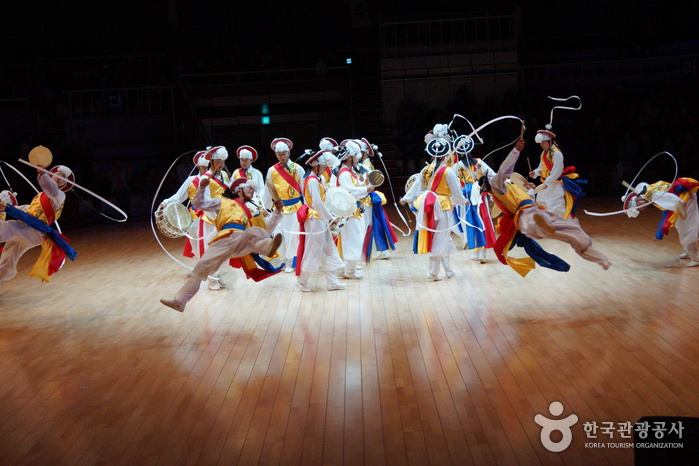
Anseong Namsadang Performance Hall (안성 남사당 공연장)
2021-02-22
198-2, Namsadang-ro, Anseong-si, Gyeonggi-do
+82-31-678-2518
Namsadang is a renowned troupe that combines regional traditional arts, such as acrobatics, singing, dancing, and circus performances that originated from the Anseong area. The troupe was formed in honor of Baudeogi, a celebrated artist of the Joseon dynasty and Korea's first official female entertainer.
Namsadang performs on an ongoing basis and also focuses on developing and promoting various hands-on Namsadang programs. Through their world tour, Namsadang plays a big role in spreading Korea's culture internationally. The annual Baudeogi Festival is also a great opportunity for visitors to take in various performances and take part in activities.

Joanne Bear Museum (조안베어뮤지엄)
2022-10-13
113, Daepo-ro, Seogwipo-si, Jeju-do
Joanne Bear Museum located in Jungmun Resort Complex in Seogwipo-si, on Jeju-do Island is a gallery exhibition hall for Joanne Oh, a world-famous teddy bear artist. The museum, which boasts the motto “nature and environmentalism", showcases teddy bears that are made of all-natural materials. The eco-friendly pieces mimic the natural beauty of Jeju Island and give visitors a feeling of comfort and refreshment.
Nam June Paik Art Center (백남준아트센터)
2026-02-09
10 Paiknamjune-ro, Giheung-gu, Yongin-si, Gyeonggi-do
Nam June Paik Art Center opened in October 2008 after the proposal of building an art center began in 2001. The art center, known as the “House where Nam June Paik lives on,” was designed with the artist's works and research in mind. With exhibitions, education, and research, the center aims to continue researching the works of Nam Jun Paik as well as discuss art issues to add to future exhibitions. Various events, exhibitions and educational programs are hosted throughout the year.
Taepyeongmu Instruction Hall (태평무 전수관)
2025-01-08
42 Taepyeongmu-gil, Anseong-si, Gyeonggi-do
Gang Seonyeong, who devoted a lifetime to traditional dance, built the Taepyeongmu Instruction Hall at her own expense in 1998 in her hometown of Anseong for the proper initiation into, and the preservation of traditional dance. Taepyeongmu dance is a traditional court dance that embodies the continuing hope for the nation to exist in peace. The dancers are adorned in magnificent regal costumes and execute enthusiastic movements, alternating steps while in serene repose. The center has a large performance hall with dance performances every Saturday and a museum displaying Taepyeongmu dance-related materials and folk articles from around the world.
 English
 한국어
한국어 日本語
日本語 中文(简体)
 Deutsch
 Français
 Español
 Русский


