
Chuncheon Makguksu Museum (춘천막국수체험박물관)
2026-03-27
264 Sinbuk-ro, Chuncheon-si, Gangwon-do
Chuncheon Makguksu Museum was built with the theme of buckwheat noodles (makguksu), Chuncheon’s local dish. The museum's unique exterior design was inspired by the image of making buckwheat noodles. The first floor has an exhibition hall where visitors can learn about the origin and development of buckwheat and makguksu, and the second floor has an experience center where visitors can make and try their own makguksu.

63 Art (63아트)
2024-03-05
50, 63-ro, Yeongdeungpo-gu, Seoul
+82-2-780-6382
63 Art is located on the 60th floor of 63 Square, a landmark building by the Hangang River. The opening of this exhibition space in the observatory of the building allows the visitors to the 63 Square to enjoy not only the breathtaking view of Seoul and the Hangang River but also works of art. Three special exhibitions are held across the year.
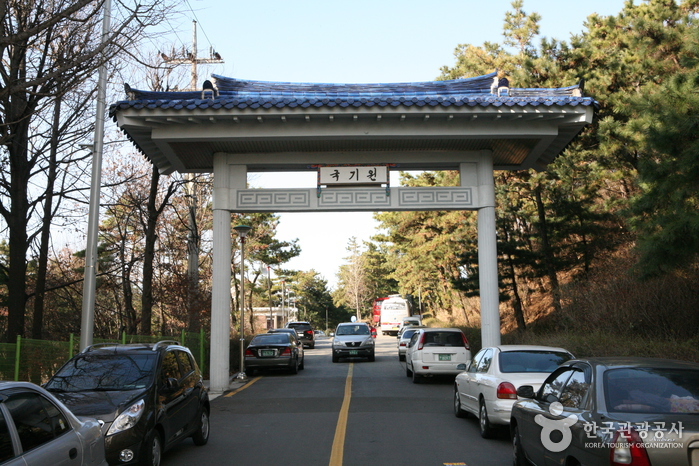
Kukkiwon (World Taekwondo Headquarters) (국기원(세계태권도본부))
2024-03-06
(Kukkiwon), 32, Teheran-ro 7-gil, Gangnam-gu, Seoul
Established in 1972, Kukkiwon serves as the headquarters of World Taekwondo. The organization strives to promote the Korean cultural heritage of Taekwondo across the world and set the culture of Taekwondo. To that end, it provides Taekwondo instructor training, undertakes research and development of Taekwondo techniques, and hosts the World Taekwondo Hanmadang. The nearby Kukkiwon Memorial Hall collects and exhibits artifacts related to Taekwondo’s history.
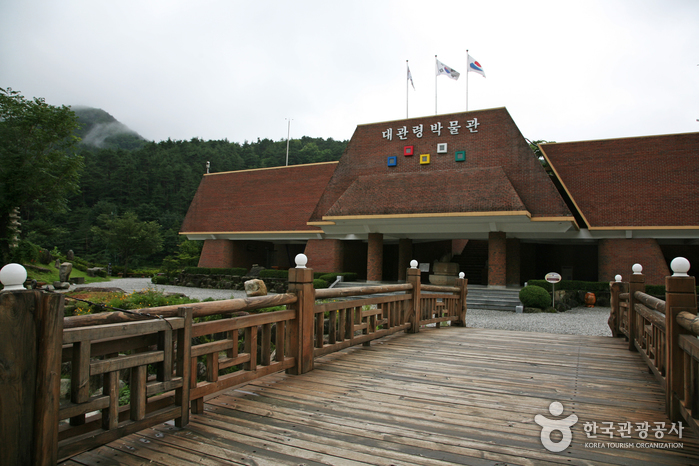
Daegwallyeong Museum (대관령박물관)
2026-11-11
1, Daegwallyeongyet-gil, Gangneung-si, Gangwon-do
Daegwallyeong Museum is located in Gangneung-si, Gangwon-do. It is housed in a building that resembles a dolmen, striking a balance with the surrounding landscape and earning it an Outstanding Architecture Award from the Construction Association of Korea and the Best Award from Gangwon-do. The museum has six exhibition halls, including those that are named after the guardian gods that represent the four directions. Cheongnyongbang (Room of the Blue Dragon - East) is decorated in blue and displays celadon and traditional ceramics. Baekobang (Room of the White Tiger - West) is in white and exhibits Buddhist art and wooden dolls. Jujakbang (Room of the Red Vermillion - South) is in red and displays a bridal palanquin, folk paintings, and calligraphy. The black Hyeonmubang (Room of the Black Turtle - North) displays bronze relics. Also, there is the Togibang (Earthenware) showing Prehistoric era shacks and earthenware, and Uribang, exhibiting wooden furniture and folk craftwork. The outdoor space offers an exhibit of stone pagodas and statues as well as a thatched cottage and an operating water mill.
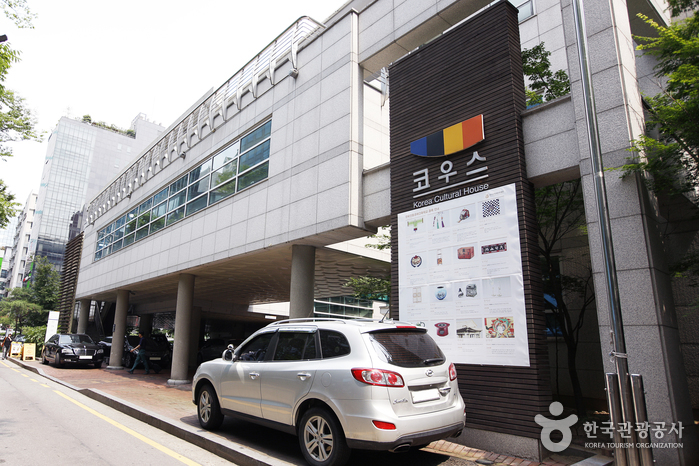
Korea Culture House (KOUS) (한국문화의집)
2022-12-28
12-9, Teheran-ro 92-gil, Gangnam-gu, Seoul
Operated by Korea Cultural Heritage Foundation, the Korea Culture House (KOUS), similar to the Korea House in Gangbuk area, opened in Daechi-dong, Gangnam. Tourists visiting Korea and international students residing in Korea can experience and learn Korea's traditional culture at this educational space.

Bukchon Cultural Center (북촌문화센터)
2021-05-31
37, Gyedong-gil, Jongno-gu, Seoul
+82-2-2133-1371
Bukchon Cultural Center, located in a hanok, was established to offer traditional cultural experience opportunities for visitors to the area. The programs include tea ceremony, handicraft, and gugak as well as a Public Relations Exhibition Hall introducing Bukchon culture and hanok. Also, the center houses a space and a pavilion for visitors to relax while traveling.

Daegu Bangjja Brassware Museum (대구 방짜유기박물관)
2026-11-11
29, Dojang-gil, Dong-gu, Daegu
Bangjja Brassware Museum is the first original museum of its kind in Korea. Unknown to many, Bangjja Brassware possesses a host of beneficial attributes and is used both for storing food and for growing plants. One of its primary functions is that of cultivating nutritive elements. The Bangjja Brassware Museum in Daegu has numerous brassware products on hand that were generously donated by Lee Bong-Ju. His collection was subsequently appointed intangible cultural asset number seventy-seven by the Korean government. The museum’s layout is rather intricate. Both the basement floor and second ground floor consist of three exhibit halls, a data research hall, a cultural experience hall, a video education hall, an outdoor stage, and several planning exhibit halls. In the Brassware Cultural Hall, a display boasting Korea’s history regarding various kinds of brassware, together with other relevant information is on hand for visitors. In the nearby Donation Hall, a National Intangible Cultural Heritage, Lee Bong Ju’s luxury brassware collection, is on display. In the Reappearance Hall there are makeshift displays illustrating where brassware was first produced and where it was traded.
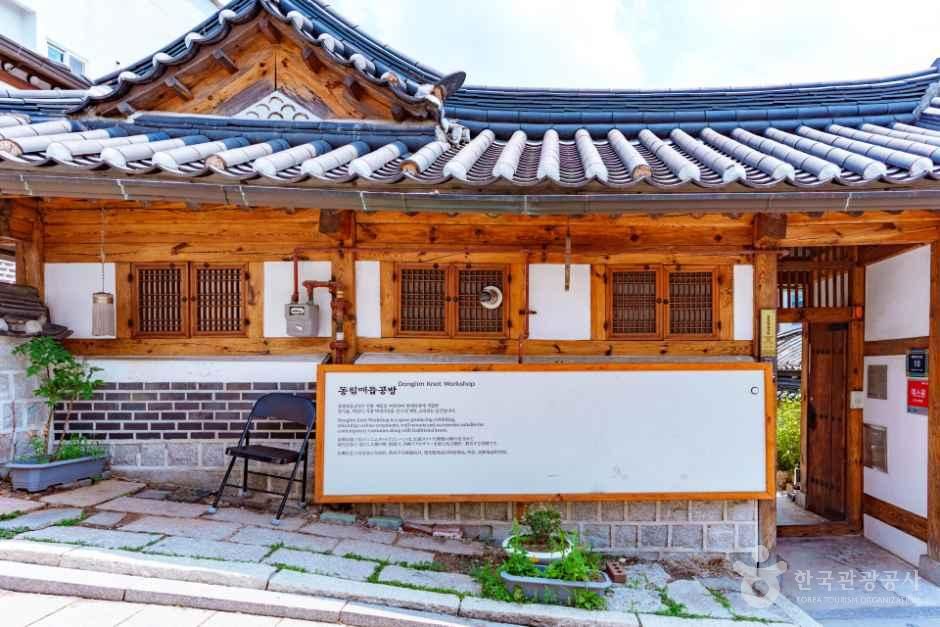
Dong-Lim Knot Museum (동림매듭박물관)
2026-09-22
10 Bukchon-ro 12-gil, Jongno-gu, Seoul
Opened in April 2004, Dong-Lim Knot Museum exhibits a variety of decorative traditional Korean maedeup (knots): norigae for hanbok, belts, pouches, as well as materials like thread, cord, and accessories. Housed in a hanok, a traditional Korean house, the gallery has a variety of exhibits, including old and new artwork, and creations that reflect modern trends.
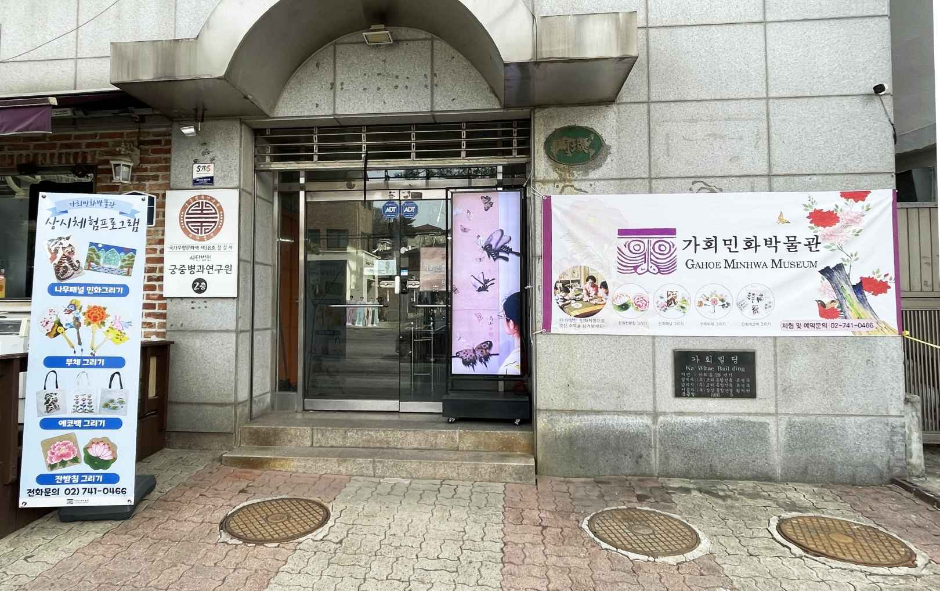
Gahoe Museum (가회민화박물관)
2026-06-11
52 Bukchon-ro, Jongno-gu, Seoul
Opened in 2002, Gahoe Museum exhibits folk paintings and amulets reflecting the lifestyle and wishes of the Korean people from ancient times. Inside the Hanok gallery, visitors can immerse themselves in the traditions of Korea, including old paintings depicting people's lifestyle in the past and religious beliefs, and roof tiles in the shape of humans or goblins. Visitors will also find folding screens and religious objects used in the past that show skills and knowledge of Korean ancestors.

Детский музей Самсунг
2019-03-28
7-26, здание Ечжон, Синчхон-дон, Сонпха-гу, Сеул
Первый и на данный момент единственный музей для детей Самсунг предлагает всем его маленьким посетителям возможность развить свои креативные способности через различные прикладные программы по развитию интереса у ребенка к исткусству, общество, технологиям и т.д. В музее имеются несколько отделов, посвященных разным темам: зал детского радио, зал научных исследований, зал человеческого тела и т.д. Здесь представлены более 100 экспонатов, а также регулярно проводятся различные культурные и научные мероприятия для детей, призванные помочь подрастающим членам общества в постигании окружающего их мира.
 English
 한국어
 日本語
 中文(简体)
 Deutsch
 Français
 Español
 Русский


