
Icheon Baeksa Sansuyu Flower Festival (이천백사 산수유꽃축제)
2026-03-11
12 Wonjeok-ro 775beon-gil, Baeksa-myeon, Icheon-si, Gyeonggi-do
+85-631-2104
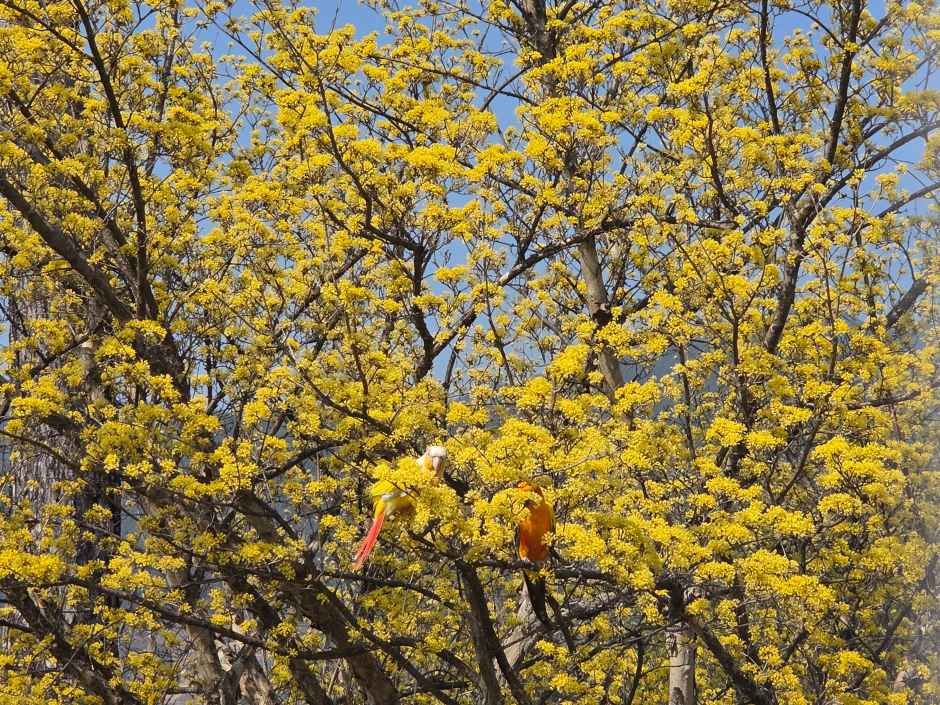
Icheon’s Baeksa Village is home to a number of sansuyu (cornus fruit) trees, which have been growing naturally in the area for over 100 years. In early spring, the trees change colors to a striking bright yellow, whilst in autumn the village is filled with the trees’ vivid red fruits. During the festival, visitors can participate in Korean traditional folk games and watch the Sansuyu flower parade. When sansuyu trees blossom, many professional photographers travel to Baeksa Village to take pictures of this beautiful sight.
Jinhae Gunhangje Festival (진해군항제)
2026-08-31
38, Beotkkot-ro, Jinhae-gu, Changwon-si, Gyeongsangnam-do
+82-55-546-4310
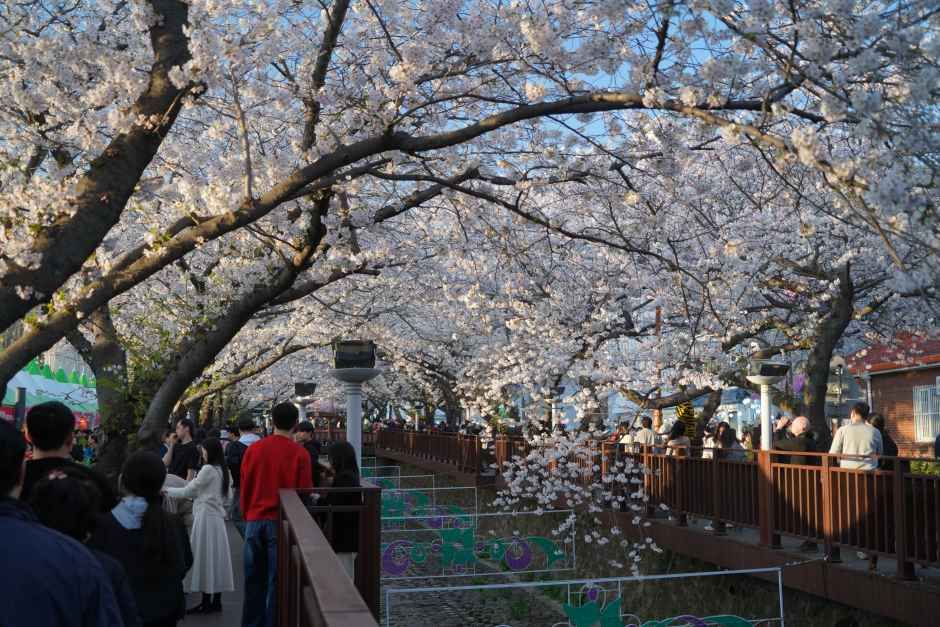
The Jinhae Gunhangje Festival is one of Korea's most iconic spring festivals. It began in 1952 as a memorial ceremony honoring Admiral Yi Sun-sin and developed into a full-fledged festival in 1963. Today, the festival attracts more than two million visitors from Korea and around the world each year. During the festival season, approximately 360,000 King cherry trees burst into bloom across Jinhae, creating one of Korea's most spectacular spring landscapes. Centered around Jungwon Rotary and Bugwon Rotary, the festival features a variety of events including the eve celebration, memorial rite, and the Victory Parade. A particular highlight is the Military Band and Honor Guard Festival, a signature Gunhangje event held on Friday evenings and throughout the weekends during the festival period. Visitors also have the rare opportunity to enter the Korea Naval Academy and the Naval Base Command in Jinhae, both of which are normally closed to the public. In addition, they can visit famous cherry blossom destinations such as Yeojwacheon Stream and Gyeonghwa Station, while exploring the century-old modern cultural heritage sites surrounding Jungwon Rotary. Together, these attractions offer a unique journey through the history, culture, and tranquil scenery of Korea’s historic naval city. Combining the beauty of cherry blossoms, the traditions of the Korean Navy, and the charm of modern history, Jinhae Gunhangje Festival offers an unforgettable celebration of spring.
Gurye Sansuyu Festival (구례산수유꽃축제)
2026-06-30
45 Sanggwan 1-gil, Gurye-gun, Jeonnam-Gwangju Special Metropolitan City
+82-61-780-2390
Gurye Sansuyu Festival is an annual spring flower festival. Major programs include exhibition of local products made from sansuyu (cornus fruit), while other programs include traditional music and dance performances, experience programs, and fireworks.

Yeongdeungpo Yeouido Spring Flower Festival (영등포 여의도 봄꽃축제)
2026-03-25
Yeouiseo-ro, Yeongdeungpo-gu, Seoul
• 1330 Travel Hotline: +82-2-1330 (Korean, English, Japanese, Chinese) • For more info: +82-2-2670-3114
Yeongdeungpo Yeouido Spring Flower Festival is held on Yeouiseo Road (Yunjung-ro) in April when the azaleas, forsythia, royal azaleas, and other spring flowers are in full bloom. The celebration is famous for its 1,886 Korean cherry trees.
Gwangyang Maehwa Festival (광양 매화축제)
2026-06-30
55 Jimak 1-gil, Gwangyang-si, Jeonnam-Gwangju Special Metropolitan City
+82-61-797-2721
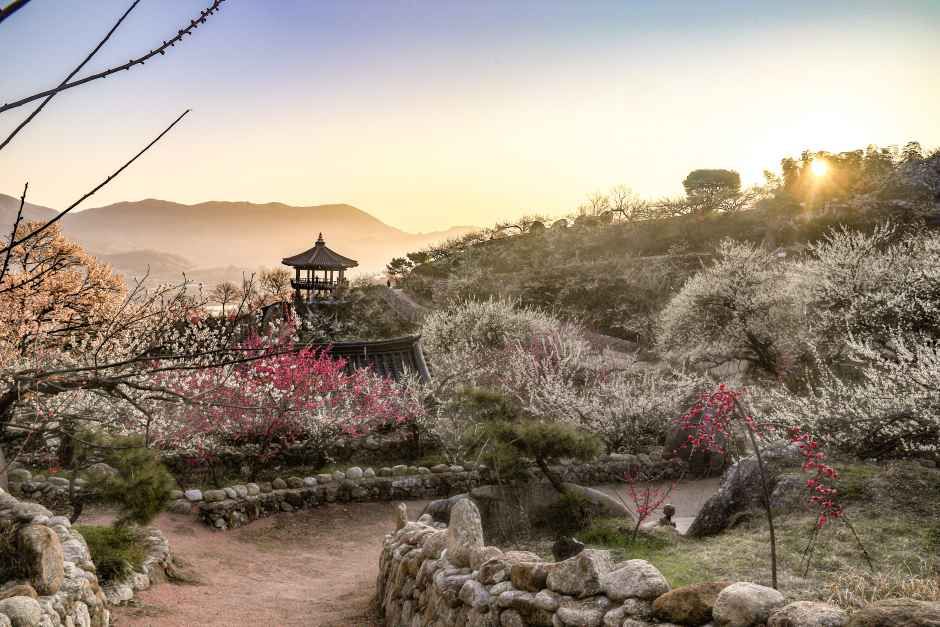
Gwangyang Maehwa Festival takes place next to the Seomjingang River in Gwangyang Maehwa Village, home of the largest number of plum blossom trees in Korea. During the festival period, visitors can enjoy a walk beneath the plum blossoms, and also sample and purchase local organic plum products.
Bangeo Festival (최남단 방어축제)
2024-11-20
30 Hamohanggu-ro, Daejeong-eup, Seogwipo-si, Jeju-do
+82-64-794-8032
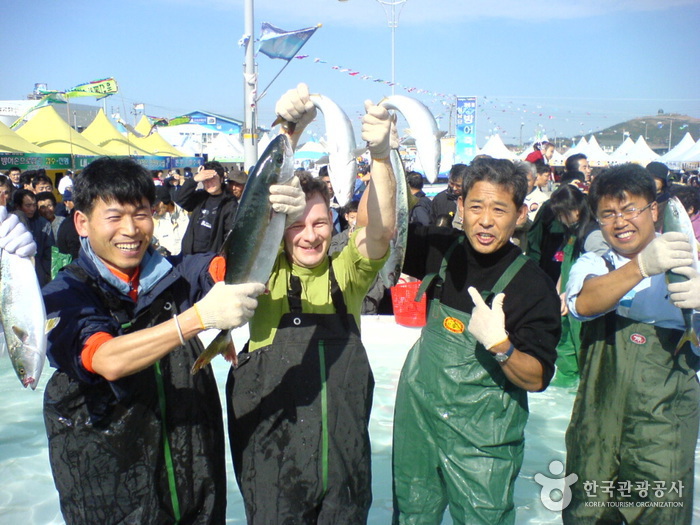
This popular festival is held every year in November at Moseulpohang Port, the southernmost region of Jeju-do Island. It celebrates ‘Bangeo Fish (yellowtail)’, which is largely caught in this area. The taste of ‘bangeo fish (yellowtail)’ is chewy and tender, and so it is very popular served raw. It is also used in a variety of other dishes. Visitors can enjoy fresh bangeo fish at the festival and take some home.
Visitors can also try fishing and sample Jeju’s other specialty foods such as heukdweji-gogigui (grilled pork), galchijorim (cutlass fish boiled in soy sauce with spices), and more. Don’t forget to admire the beautiful natural sceneries near the festival grounds and explore some of the many popular tourist attractions in Jeju.
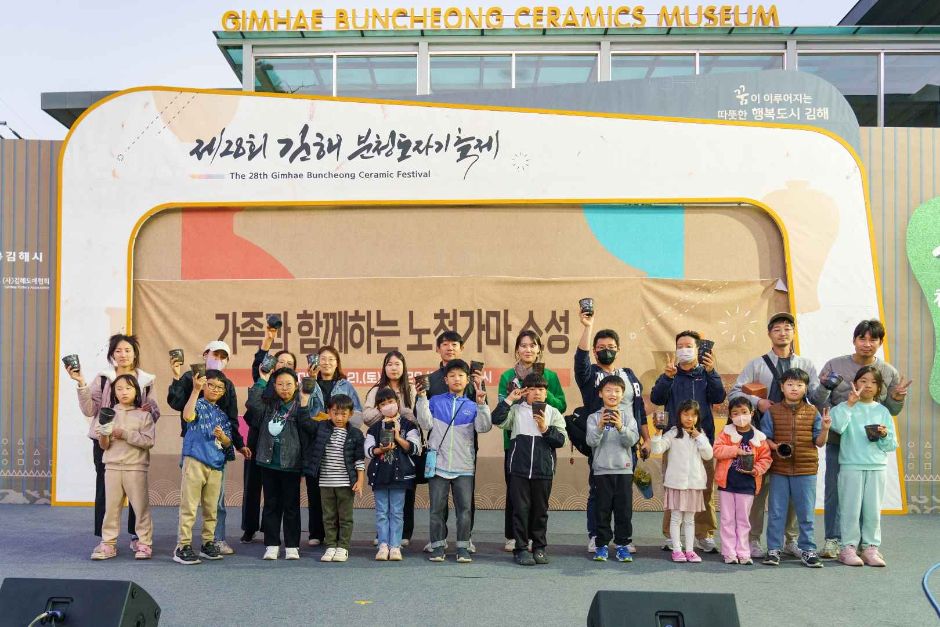
Gimhae Buncheong Ceramics Festival (김해분청도자기 축제)
2026-08-18
17 Buncheong-ro, Jillye-myeon, Gimhae-si, Gyeongsangnam-do
+82-55-330-3245
*The information below is based on the 2025 festivals. Details for the 2026 festivals will be updated as they become available.*The Gimhae Buncheong Ceramics Festival highlights the excellence of Buncheong ceramics and their everyday appeal. The festival offers a chance to see a wide variety of ceramics and participate in hands-on activities such as traditional kiln firing.
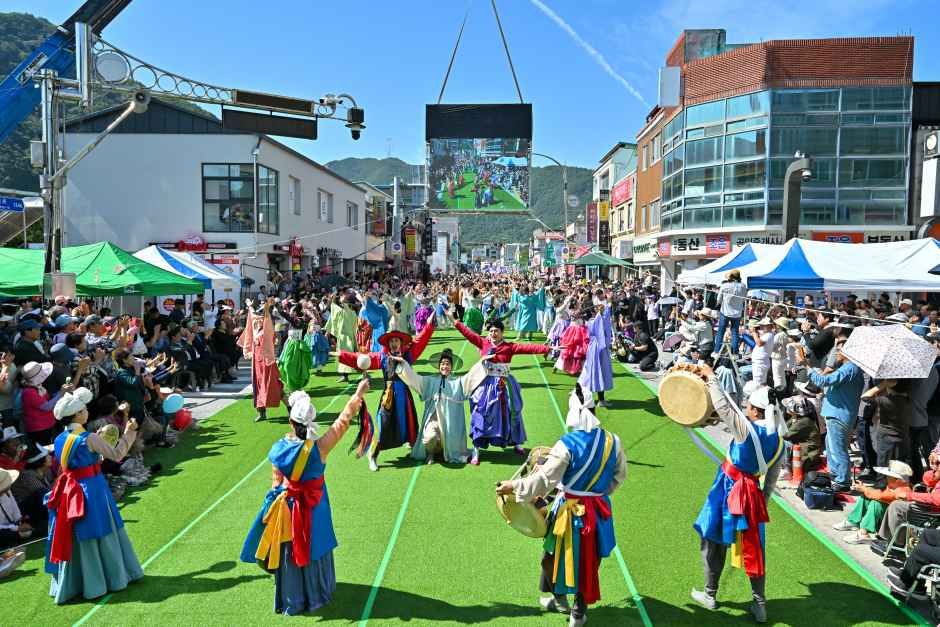
Jeongseon Arirang Festival (정선아리랑제)
2026-07-20
104, Bongyang-ri, Jeongseon-gun, Gangwon-do
+82-33-560-3013~5
The Jeongseon Arirang Festival is Jeongseon County’s signature cultural tourism festival created to preserve and carry forward the history, cultural value, and traditions of Jeongseon Arirang, one of Korea’s best-known folk songs. Celebrating Arirang, which is inscribed on UNESCO’s Representative List of Intangible Cultural Heritage of Humanity, the festival brings together performances that blend tradition with contemporary elements, parades, hands-on programs, exhibitions, and various cultural and artistic events for visitors of all ages. The festival is also shaped by the local community, with residents taking on an active role in its planning and operation. Programs connecting Jeongseon’s cultural and tourism resources help boost the local economy and attract more visitors to the region. Building on the cultural legacy of Arirang and the unique traditions of Jeongseon, the festival seeks to establish itself as Korea’s leading Arirang celebration and grow into a global cultural tourism festival that people around the world can enjoy and relate to.
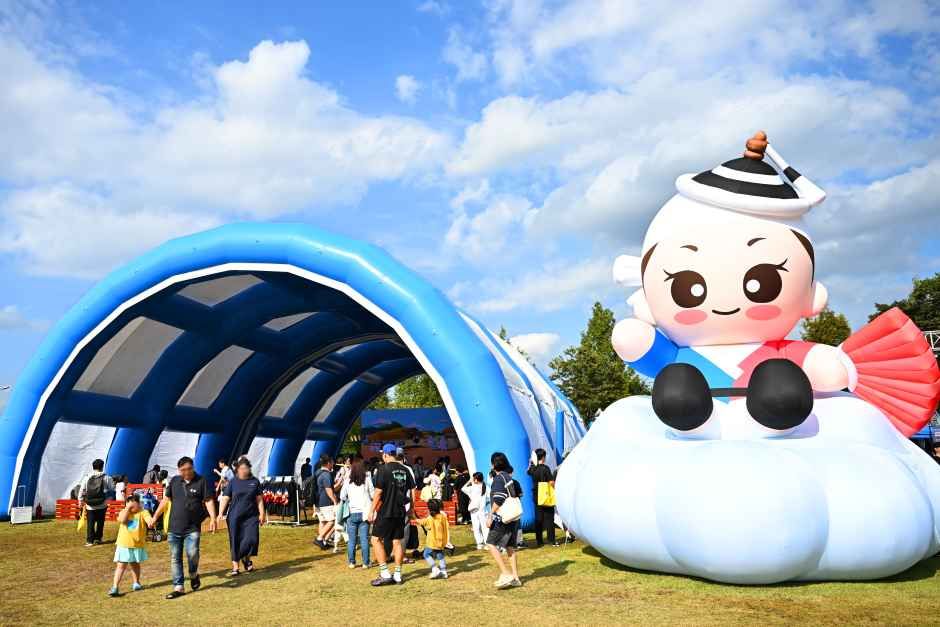
Anseong Namsadang Baudeogi Festival (안성맞춤 남사당 바우덕이축제)
2026-08-25
198, Namsadang-ro, Bogae-myeon, Anseong-si, Gyeonggi-do
+82-31-678-5414
The Anseong Namsadang Baudeogi Festival is centered on Namsadang Nori, which is inscribed on UNESCO’s Representative List of the Intangible Cultural Heritage of Humanity. It preserves and builds on the artistic legacy of Baudeogi, the first female kkokdusoe (troupe leader) of the Joseon era, and the vibrant traditions of Anseong’s Namsadang troupe. The festival offers a rich mix of programs for all ages, from traditional cultural experiences and performances by Korean and international artists to folk performances from around the world. Visitors can also explore the Anseong Old Market, which recreates the lively atmosphere of one of the three major marketplaces in Korea during the Joseon period. Highlights include jultagi (tightrope walking) and Namsadang Nori, giving visitors a close-up look at some of Korea’s most dynamic traditional performing arts. Performances that blend traditional and contemporary elements make the festival an engaging way to experience the energy and appeal of Korean culture. Bringing together history, culture, performance, and tourism, the Anseong Namsadang Baudeogi Festival has established itself as a cultural tourism festival enjoyed by visitors from Korea and abroad, and continues to grow as one of Korea’s leading festivals celebrating traditional culture.

Gochang Moyang Fortress Festival (고창모양성제)
2024-07-17
Eumnae-ri, Gochang-eup, Gochang-gun, Jeonbuk-do
+82-63-560-2949
Gochang Moyang Fortress Festival has been held since 1973 to inspire admiration for the construction of the walled town, develop local culture, and encourage love and pride for Gochang residents. Main events include a celebration and memorial ceremony, with additional events ranging from a pansori performance and farming music to folk games and archery. Many people participate in the Dapseongnori event, where participants carry a rock on top of their heads and walk around the fortress three times. Doing this is said to cure all illnesses, grant a long and healthy life, and allow one into heaven.
 English
 한국어
한국어 日本語
日本語 中文(简体)
 Deutsch
 Français
 Español
 Русский


