
St. Isidore Farm (성이시돌목장)
14.3Km 2023-02-16
53, Sallongnam-ro, Jeju-si, Jeju-do
St. Isidore Farm was born when an Irish priest named McGlinchey (Korean name: Im Pi-je) was appointed in Jeju's Hallim region in 1954 and opened a livestock bank to help the impoverished locals. In 1961, it officially opened a central practice farm to not only educate on the livestock industry but also carry out hog farming, sheep breeding, beef cattle raising and dairy businesses. Today, the farm primarily raises cows and racehorses and produces high-quality organic milk and horses for racing to utilize the profits in various welfare projects. The farmland also presents an exotic scenery as the vast grasslands blend in with modern structures such as Ctesiphon, which symbolizes the history of the farm. The farm also has a cafe that uses milk produced at the farm in addition to a trail and park with religious themes.
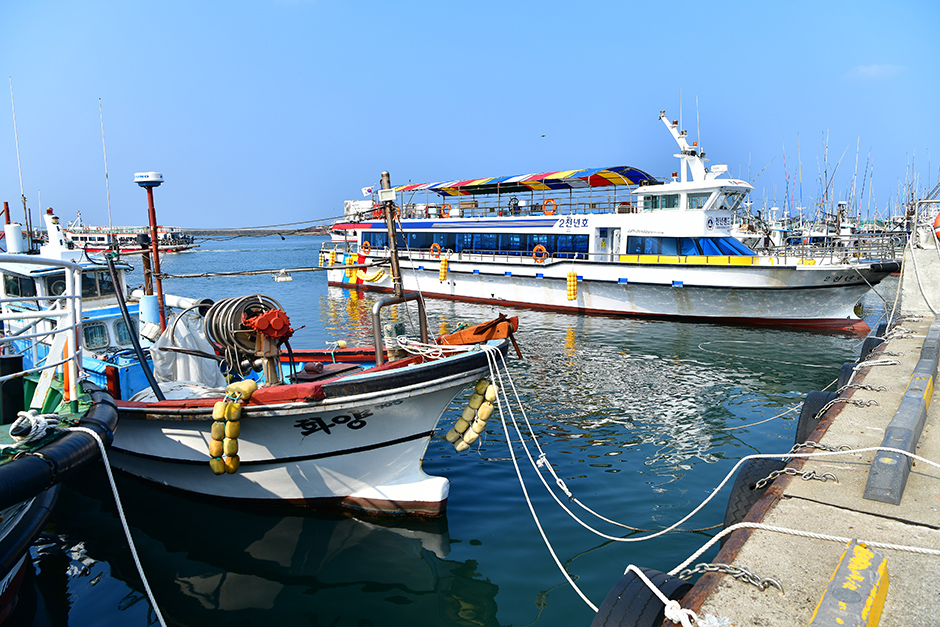
Hallim Port (한림항)
14.5Km 2025-12-16
192 Hallimhaean-ro, Jeju-si, Jeju-do
◎ Travel Information to Discover Hallyu’s Charm
Jeju’s Hallim Port has become a popular filming location for K-Dramas. It served as the backdrop for the auction scene in Episode 1 of "Our Blues (2022)," and in Episode 14 of "When Life Gives You Tangerines (2025)," it appears as the port where Ae-sun and Gwan-sik pick up their son Eun-myeong from a deep-sea fishing boat. As a tourist destination, it offers the same glimpse into Jeju's everyday scenery and rhythms as seen in these dramas.
Da Vinci Museum (다빈치 뮤지엄)
15.5Km 2025-01-10
788 Sallongnam-ro, Andeok-myeon, Seogwipo-si, Jeju-do
Da Vinci Museum, located in Seogwipo-si on Jeju Island is the only museum that has the Da Vinci License in Korea. The museum offers visitors a chance to experience a wide variety of activities and hands-on programs. When you think of Leonardo Da Vinci, a few things that come to mind are the Mona Lisa and The Last Supper. However, one of the greatest masterpieces in his life is the Codex, a collection of his writings. Over 7,000 pages of the Codex, A.K.A. a notebook of secrets, survives today, and the museum displays over 200 works created and inspired based on the writings in the Codex. The museum houses information about the life and times of Leonardo Davinci, a superb scientist, anatomist, and inventor.
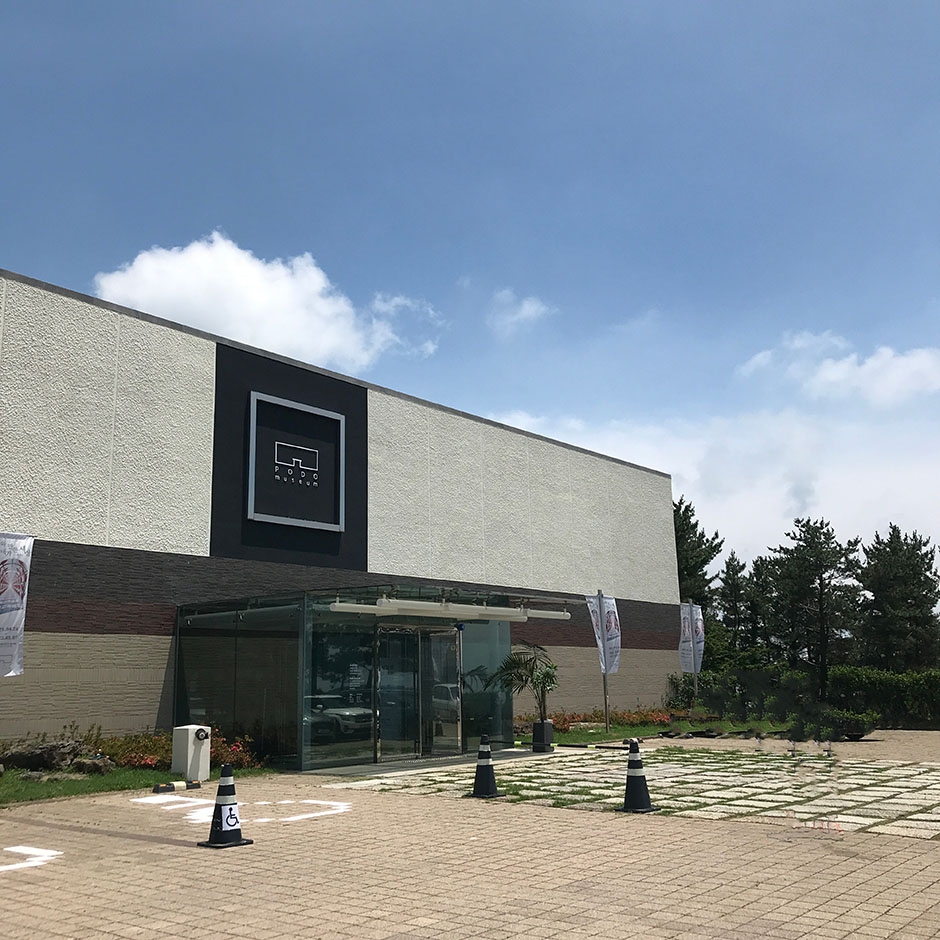
Podo Museum (포도뮤지엄)
15.5Km 2024-01-31
788 Sallngnam-ro, Andeok-myeon, Seogwipo-si, Jeju-do
Opened in April 2021, Podo Museum aims to be a space that promotes the symbiosis of the Earth's ecological environment and humankind and listens to the voices of the socially underprivileged. It operates mainly around exhibitions without any separate experience programs. Exhibitions are held following the museum's goals and themes. As the content changes depending on the period, checking the website before visiting is recommended. The museum also has a café and souvenir shop on its first floor, making it great to look around on rainy days when outdoor sightseeing is not a preferred option. There are Camellia Hill, Bangju Church, and Bonte Museum nearby, so visitors are recommended to look around.
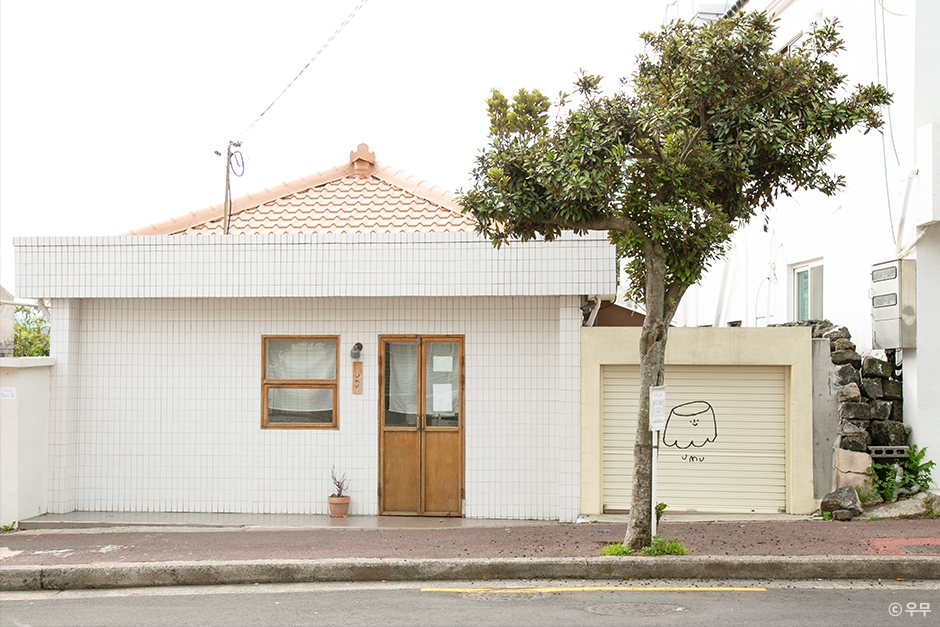
Umu Hallim Branch (우무)
15.5Km 2025-10-29
542-1 Hallim-ro Hallim-eup, Jeju-si, Jeju-do
This dessert place is popular for a pudding made from a gar (a type of seaweed) sourced from hanyeos (women divers). You can only do a take-out here, and one team can visit inside the shop at a time.
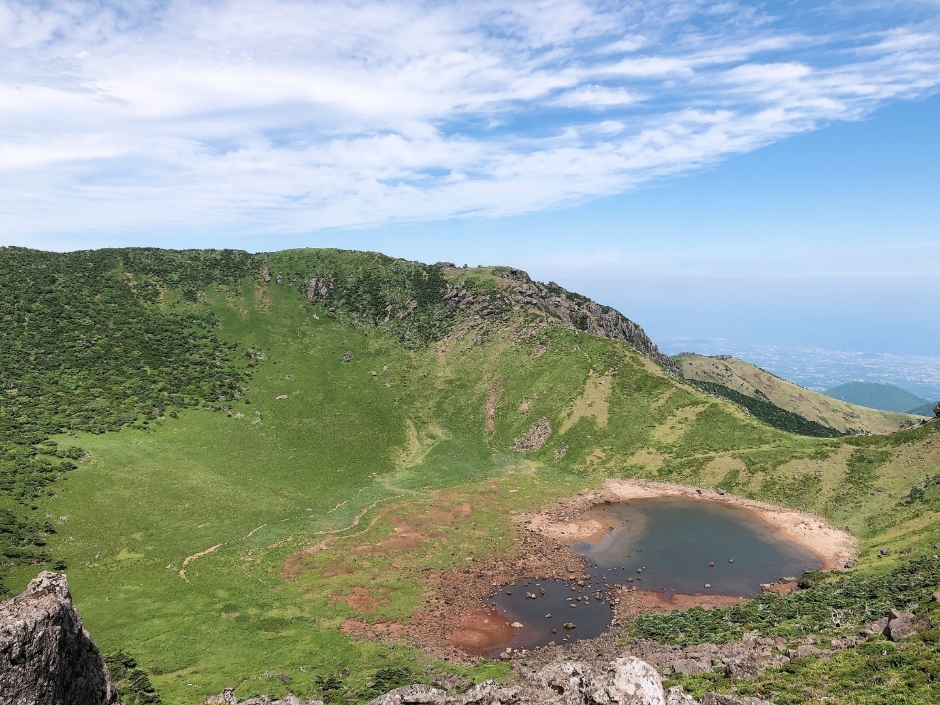
Baengnokdam Lake (한라산 백록담)
16.2Km 2025-10-31
Topyeong-dong, Seogwipo-si, Jejudo
Baengnokdam is a crater lake that sits on top of Hallasan Mountain at the center of Jeju Island. It spans 3 kilometers in circumference and 500 meters in diameter, and is surrounded by approximately 360 parasitic cones. At the peak, visitors can feel like floating on clouds.
Samyang Beach (삼양해수욕장)
16.7Km 2022-07-28
Samyang 2-dong, Jeju-si, Jeju-do
Samyang Beach is cozy and has clear waters because it is not well-known among tourists. In particular, it stands out because of its sparkling black sand. As the black sand's therapeutic effect is well known, visitors can often be seen lying down on the beach and burying themselves in the black sand.
Podo Hotel (포도호텔)
16.9Km 2024-06-05
863 Sallongnam-ro, Andeok-myeon, Seogwipo-si, Jeju-do
Podo Hotel is designed with the motif of Jeju's oreum (parasitic cone) and thatched-roof houses. The hotel aims to create a healing environment, where guests can unwind while looking out at Jeju's pristine nature. Each guest room features natural hot spring water.
Hallim Park (한림공원)
17.5Km 2024-11-27
300 Hallim-ro, Jeju-si, Jeju-do
Hallim Park is one of the most popular tourist spots on Jeju Island, located approximately 33 kilometers west of Jeju-si and Hallasan Mountain along the beach in Hallim-eup. It faces the pleasant scenery of Biyangdo Island, Hyeopjae Beach, and Geumneung Beach. The park was established in early 1971 on barren land with the importation of tons of earth and the planting of assorted subtropical plants.
Hallim Park, reaching almost 100 thousand square meters, has a variety of gardens that can be enjoyed in any season. Visitors can enjoy Palm Tree Road, Jeju Stone and Bonsai Garden, Water Garden, Subtropical Botanic Garden, and much more. The most famous tourist sites in Hallim Park are Hyeopjaegul and Ssangyonggul Caves, known to be the only two-dimensional caves in the world. In addition, a folk village, children's amusement park, and outdoor resort facilities make it enjoyable for both children and adults.
Ssangyonggul Cave (Hallim Park) (쌍용굴 (한림공원))
17.5Km 2022-09-13
300, Hallim-ro, Jeju-si, Jeju-do
Ssangyonggul Cave, a designated Natural Monument, is one of the representative lava tubes of Jeju Island along with Hwanggeumgul, Socheongul, and Manjanggul caves. The cave measures approximately 400 meters in length, 6 meters in x_width, and 3 meters in x_height. It is thought to have been created by lava that erupted from Hallasan Mountain some 25 million years ago.
One of the unique features of this particular cave is that it has features of both a lava tube and a limestone cave. The entire area surrounding the cave is a huge stratum of seashells and sand, while the interior is a mystical mix of stalactites and stalagmites. Lime covers the cave walls in a series of natural swirls and streaks, bringing to mind the strokes of an abstract painting. Since the cave stays at a constant 17-18℃ throughout the year, it’s a welcome escape from the heat in the summer and a great place to warm up in the winter.
The cave gets its name from its two branches, which are said to look like the paths of two dragons (‘Ssangyong’ meaning ‘two dragons’ in Korean). It is thought that Ssangyonggul Cave and Hyeopjaegul Cave were once one cave since the second entrance of Ssangyonggul Cave is so close to the end of Hyeopjaegul Cave.
 English
 한국어
한국어 日本語
日本語 中文(简体)
 Deutsch
 Français
 Español
 Русский


