Mokpo Special Tourist Zone (목포 관광특구)
4.8Km 2024-03-08
Mokpo-si, Jeollanam-do
+82-61-270-3513
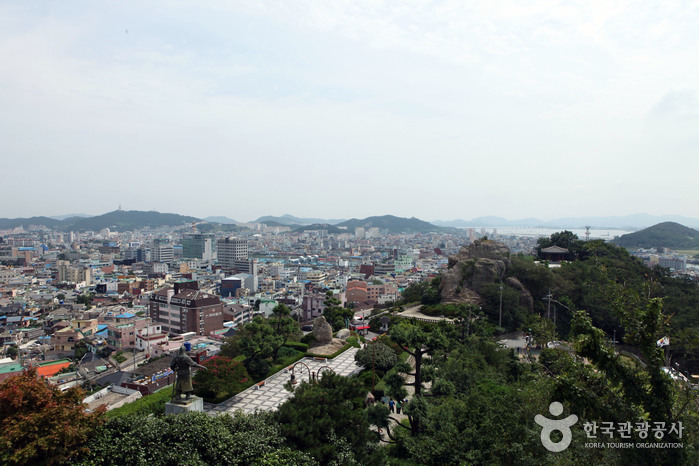
Mokpo Tourism Special Zone spans a 6.9km stretch from the North Port to Yudalsan Mountain, old downtown area, Samhakdo Island, Gatbawi Rock, and the Peace Plaza in the new city center. It features historical sites from the Japanese colonial era, such as the Former Japanese Consulate and Mokpo History and Culture of Modern Times. Visitors can explore attractions like the Mokpo Natural History Museum and the Korea National Maritime Museum. Being a coastal city, Mokpo offers a variety of seafood dishes including sliced raw croaker, braised cutlassfish, skate, pork, and kimchi combo, raw thin-legged octopus, and blue crab salad.

Yudalsan Mountain (유달산)
4.8Km 2024-03-21
San 27-3 Jukgyo-dong, Mokpo-si, Jeollanam-do
+82-61-270-8359
In the past, Yudalsan Mountain was known as Yeongdalsan Mountain, because it was a place where the soul passes. Located in the city's center, Yudalsan Mountain offers a view of Mokpo and Dadohae Sea, constantly inspiring its residents' artistic souls. There are many places to visit, including an orchid park and a sculpture park with 100 sculptures. Visitors can also enjoy a panoramic view by driving along the 2.7 km-long Yudalsan Scenic Road surrounding the mountain. In addition, Albizia Kalkara, a rare plant that will vanish forever from the face of the earth if it becomes extinct on Yudalsan mountain, inhabits this mountain. The view from the top of Yudalsan Mountain is spectacular, and the sight of big and small ships passing between them resembles an oriental painting. Dadohae's sunset and Mokpo Port's night view from the mountain will remain in the hearts of those who visit.
Gohado Marine Theme Park (고하도 해상테마파크)
6.6Km 2025-02-04
234 Gohadoan-gil, Mokpo-si, Jeollanam-do
Gohado Marine Theme Park is a multi-faceted marine tourist destination in the southwestern part of Korea, home to historical sites related to Admiral Yi Sun-sin. Visitors can access the island via Mokpo Bridge or the Mokpo Marine Cable Car. The island features a botanical garden, island greenhouse, cotton experience exhibition hall and garden, and recreational facilities. From the observatory, tourists can enjoy a 360-degree view of both Mokpo and the scenic Dadohae waters. Walking along the coastal deck trail over the sea, visitors can appreciate the stunning views of Gohado Island.
Yeongamho Lake (migratory bird habitat) (영암호 - 철새도래지)
10.6Km 2025-01-08
Yongang-ri, Yeongam-gun, Jeollanam-do
+82-61-470-6071
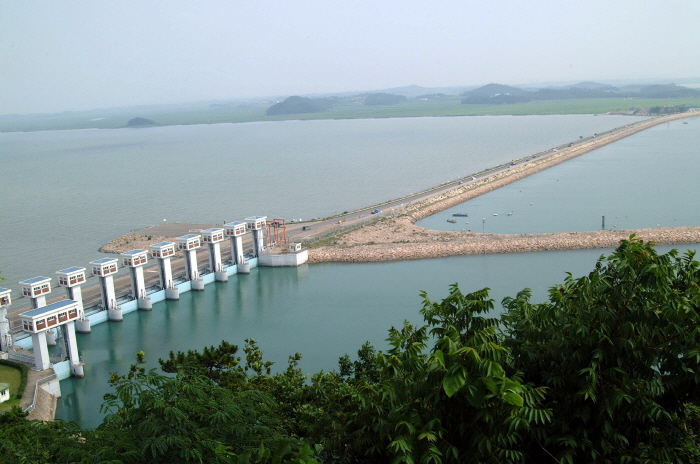
This is a huge lake created when the Geumho tide embankment was constructed in Yeongam on November 1996, as part of a national project to reclaim some 4.3 kilometers stretch of sea from Sampo-ri in Samho-myeon of Yeongam-gun to Byeoram-ri in Hwawon-myeon of Haenam-gun.
Some 100 species of migratory birds, numbering some 300,000, live in this area over the winter on the mud flats which are full of things to eat. Around the embankment where the sea water and fresh water meet, there is a great spot to fish for both fresh water and the sea species. This is perhaps the only place in Korea where the long and silvery cutlass fish, usually found in the deeper areas of the ocean, can be caught while sitting on the rocks along the seashore.
Oedaldo Island (외달도)
11.6Km 2024-05-31
72 Oedaldo-gil, Mokpo-si, Jeollanam-do
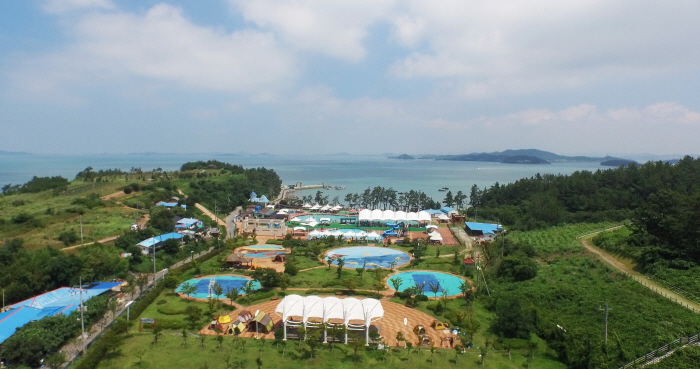
Oedaldo Island is an island located 6 kilometers off the eastern coast of Mokpo. The island has clean beaches and a natural environment, earning it recognition from the Ministry of Environment and Ministry of Land, Infrastructure and Transport. The island is a popular attraction for couples wishing to take in the beautiful sunset, with the small surrounding islands dotting the sea. Starting in 2003, the island saw the addition of many leisure facilities such as a campground and oceanwater pool. The coastal deck is also a great way to explore the charms of the island.
Worlindang (월인당)
17.3Km 2024-08-05
37-11 , Mojeong 1-gil, Yeongam-gun, Jeollanam-do
+82-61-471-7675, +82-10-6648-7916
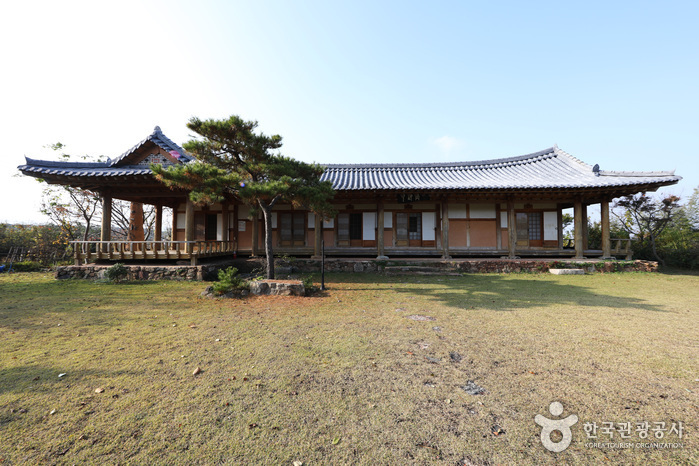
Wolindang hanok stay in Mojeong Haengbok Village, Yeongam-gun, Jeollanam-do, is a year-round great spot for full moon watchers. Its traditional hanok features include red clay walls, daecheong (hall), ondol underfloor heating, and a numaru or upper floor - where visitors can take their tea. Outside is a fireplace for sweet potato baking or barbecues. Residents can enjoy a tea ceremony or sample natural dyeing or making red bean kalguksu (hand-cut noodle soup). The large grassy yard is decorated with interesting murals, and is often the site of outdoor ball games.
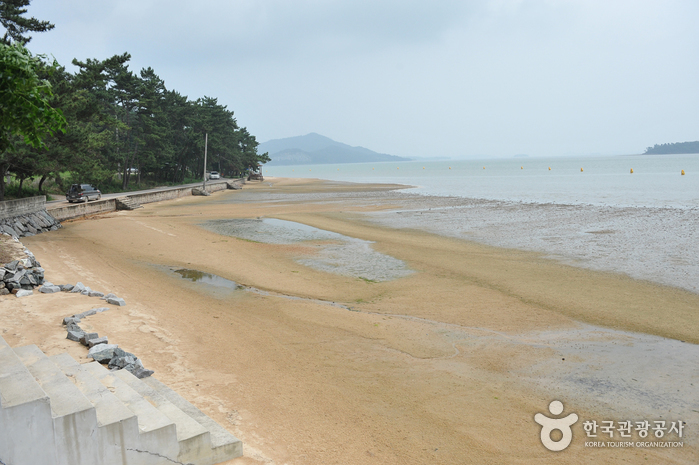
Tommeori Beach (톱머리 해수욕장)
17.9Km 2021-08-11
66, Tommeori-gil, Muan-gun, Jeollanam-do
+82-61-454-5224
Tommeori Beach can be characterized by the extremes shown at high and low tides. The endless stretch of white sandy beach during the low tide and the dense black pine forest offer a spectacular view. The shallow waters and low slope make it a great vacation destination.
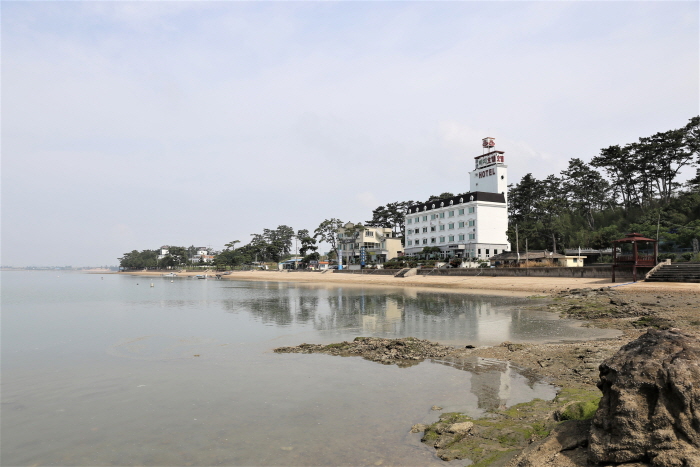
Muan beach hotel / 무안비치호텔
17.9Km 2025-03-18
36 , Tommeori-gil, Muan-gun, Jeollanam-do
+82-61-454-4900, +82-10-9045-7748, +82-10-3379-6656
Muan Beach Hotel, which stands on Topmeori Beach in Muan, Jeollanam-do, is a hotel-class motel where guests can enjoy the beach scene all year round. The motel offers a choice of different rooms, including a 2-person suite, a VIP room, and a condominium room of 60 pyeong/200 sq metres, suitable for a family of four. The motel has ample parking space, and is just 5 minutes away from Muan Country Club and Muan International Airport.
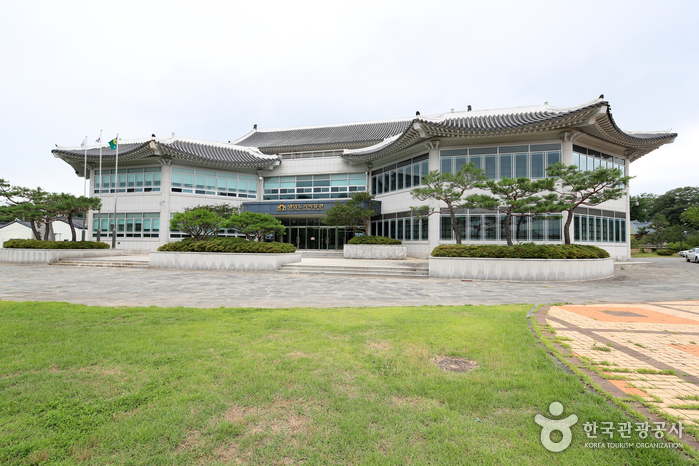
Yeongam Pottery Museum (영암도기박물관)
18.4Km 2025-01-09
5, Seohojeong-gil, Yeongam-gun, Jeollanam-do
+82-61-470-6851
Yeongam Pottery Museum is dedicated to promoting the history of pottery in Korea, starting from the oldest known pottery coming from Gurim Village. Visitors can learn about the history of this art form through exhibitions, educational programs, and hands-on experiences. Locally produced pottery is also available for sale. Nearby attractions include the Wangin Historic Site and Ha Jung-woong Museum of Art.
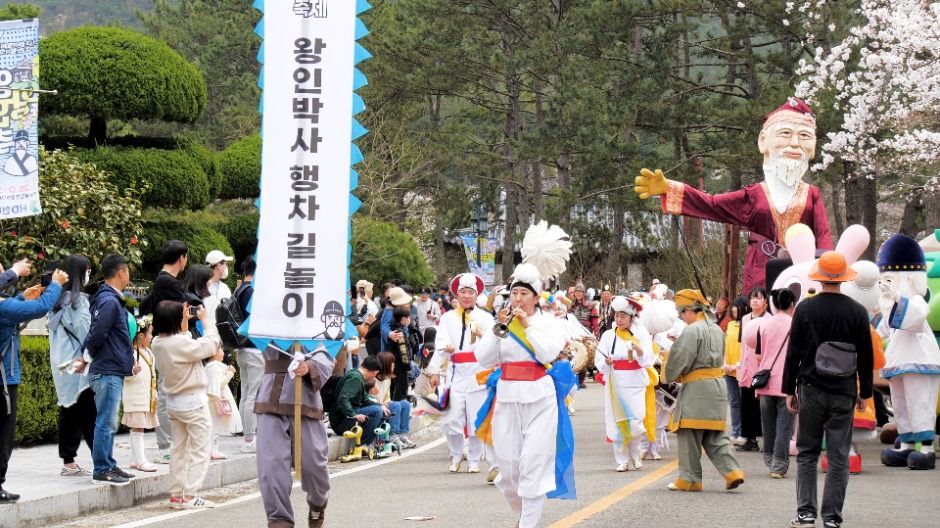
Yeongam Wangin Culture Festival (영암왕인문화축제)
19.2Km 2025-07-11
440 Wangin-ro, Yeongam-gun, Jeollanam-do
+82-61-470-2347
The Yeongam Wangin Culture Festival is a local event held to honor the birth of the Baekje scholar Wangin and his achievements. The festival’s main event is the parade. With the dance troupe leading the procession, the Pungmul troupe and Yeongam-gun residents follow in the dance, playing musical instruments and waving flags. The parade takes visitors to historical sites where traces of the scholar remain. The festival reinterprets Wangin’s humanistic values through modern perspectives, featuring major content utilizing letters and typography. It also highlights the craftsmen (ceramics, tile, and Buddhist artisans) who, along with Wangin, influenced the Asuka culture in Japan. The festival is praised for showcasing the social, political, and economic changes in Japan initiated by Wangin’s visit to Japan, making it one of Korea’s prominent humanities festivals.
 English
 한국어
한국어 日本語
日本語 中文(简体)
 Deutsch
 Français
 Español
 Русский


