Oedaldo Island (외달도) - Area information - Korea travel information

Oedaldo Island (외달도)

Oedaldo Island (외달도)

11.6Km    2024-05-31

72 Oedaldo-gil, Mokpo-si, Jeollanam-do

Oedaldo Island is an island located 6 kilometers off the eastern coast of Mokpo. The island has clean beaches and a natural environment, earning it recognition from the Ministry of Environment and Ministry of Land, Infrastructure and Transport. The island is a popular attraction for couples wishing to take in the beautiful sunset, with the small surrounding islands dotting the sea. Starting in 2003, the island saw the addition of many leisure facilities such as a campground and oceanwater pool. The coastal deck is also a great way to explore the charms of the island.

Worlindang (월인당)

Worlindang (월인당)

17.3Km    2024-08-05

37-11 , Mojeong 1-gil, Yeongam-gun, Jeollanam-do
+82-61-471-7675, +82-10-6648-7916

Wolindang hanok stay in Mojeong Haengbok Village, Yeongam-gun, Jeollanam-do, is a year-round great spot for full moon watchers. Its traditional hanok features include red clay walls, daecheong (hall), ondol underfloor heating, and a numaru or upper floor - where visitors can take their tea. Outside is a fireplace for sweet potato baking or barbecues. Residents can enjoy a tea ceremony or sample natural dyeing or making red bean kalguksu (hand-cut noodle soup). The large grassy yard is decorated with interesting murals, and is often the site of outdoor ball games.

Tommeori Beach (톱머리 해수욕장)

Tommeori Beach (톱머리 해수욕장)

17.9Km    2021-08-11

66, Tommeori-gil, Muan-gun, Jeollanam-do
+82-61-454-5224

Tommeori Beach can be characterized by the extremes shown at high and low tides. The endless stretch of white sandy beach during the low tide and the dense black pine forest offer a spectacular view. The shallow waters and low slope make it a great vacation destination.

Muan beach hotel / 무안비치호텔

Muan beach hotel / 무안비치호텔

17.9Km    2025-03-18

36 , Tommeori-gil, Muan-gun, Jeollanam-do
+82-61-454-4900, +82-10-9045-7748, +82-10-3379-6656

Muan Beach Hotel, which stands on Topmeori Beach in Muan, Jeollanam-do, is a hotel-class motel where guests can enjoy the beach scene all year round. The motel offers a choice of different rooms, including a 2-person suite, a VIP room, and a condominium room of 60 pyeong/200 sq metres, suitable for a family of four. The motel has ample parking space, and is just 5 minutes away from Muan Country Club and Muan International Airport.

Yeongam Pottery Museum (영암도기박물관)

Yeongam Pottery Museum (영암도기박물관)

18.4Km    2025-01-09

5, Seohojeong-gil, Yeongam-gun, Jeollanam-do
+82-61-470-6851

Yeongam Pottery Museum is dedicated to promoting the history of pottery in Korea, starting from the oldest known pottery coming from Gurim Village. Visitors can learn about the history of this art form through exhibitions, educational programs, and hands-on experiences. Locally produced pottery is also available for sale. Nearby attractions include the Wangin Historic Site and Ha Jung-woong Museum of Art.

Yeongam Wangin Culture Festival (영암왕인문화축제)

Yeongam Wangin Culture Festival (영암왕인문화축제)

19.2Km    2025-07-11

440 Wangin-ro, Yeongam-gun, Jeollanam-do
+82-61-470-2347

The Yeongam Wangin Culture Festival is a local event held to honor the birth of the Baekje scholar Wangin and his achievements. The festival’s main event is the parade. With the dance troupe leading the procession, the Pungmul troupe and Yeongam-gun residents follow in the dance, playing musical instruments and waving flags. The parade takes visitors to historical sites where traces of the scholar remain. The festival reinterprets Wangin’s humanistic values through modern perspectives, featuring major content utilizing letters and typography. It also highlights the craftsmen (ceramics, tile, and Buddhist artisans) who, along with Wangin, influenced the Asuka culture in Japan. The festival is praised for showcasing the social, political, and economic changes in Japan initiated by Wangin’s visit to Japan, making it one of Korea’s prominent humanities festivals.

Muan 879 (무안 879)

Muan 879 (무안 879)

19.2Km    2024-03-28

879 Cheongun-ro, Mangun-myeon, Muan-gun, Jeollanam-do

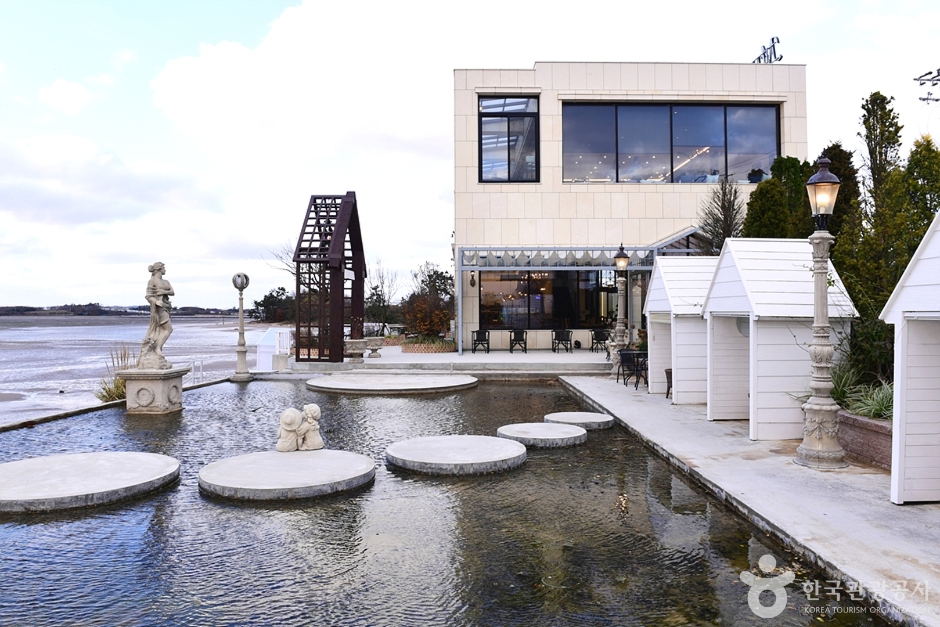
Muan 879 is a large café with a view of the sea near Muan Tommeori Beach. It is famous for its exotic outdoor garden resembling a European art museum and its hydrangea photo zone. The first floor is decorated with antique furniture and lighting, while the second floor has a more modern atmosphere. Enjoying an americano while admiring the sea view through the large windows is a delightful experience.
Hwawon Oceano Tourism Complex (화원 오시아노 관광단지)

Hwawon Oceano Tourism Complex (화원 오시아노 관광단지)

19.4Km    2021-10-23

552, Sia-ro, Haenam-gun, Jeollanam-do
+82-61-534-6790

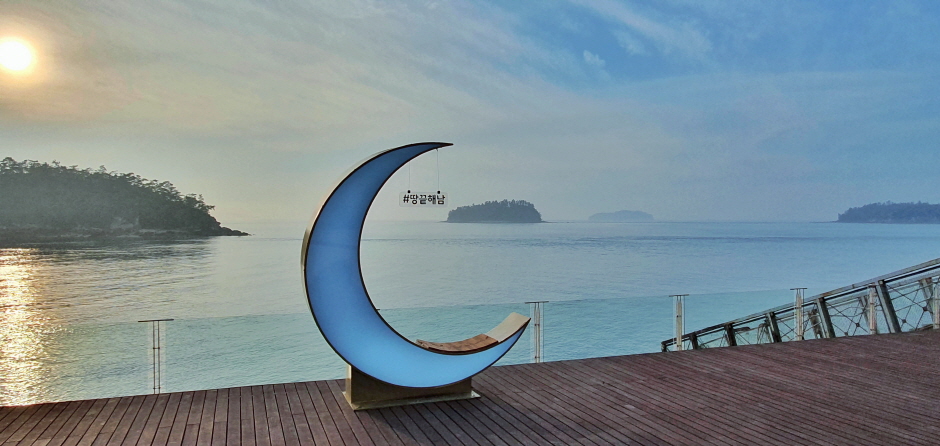
Set before the beautiful Korean archipelago, Hwawon Oceano Tourism Complex offers visitors a romantic beachside camping experience with a large campground and convenience amenities such as shower stalls. The campsite is particularly beautiful at sunset and night when stars fill the sky. Currently, the complex offers a golf course in addition to the campground, with plans to add a culture & arts center and marine world zone. Particularly, Pine Beach Golf Course located inside the tourism complex is surrounded by the ocean on three sides, and is perfect for playing a round of golf toward the endless ocean. The course is regarded as Asia’s Pebble Beach, a small coastal resort destination and home to famous golf courses in California.
Historical Site of Wangin (왕인박사 유적지)

Historical Site of Wangin (왕인박사 유적지)

19.5Km    2024-01-10

440 Wangin-ro, Yeongam-gun, Jeollanam-do

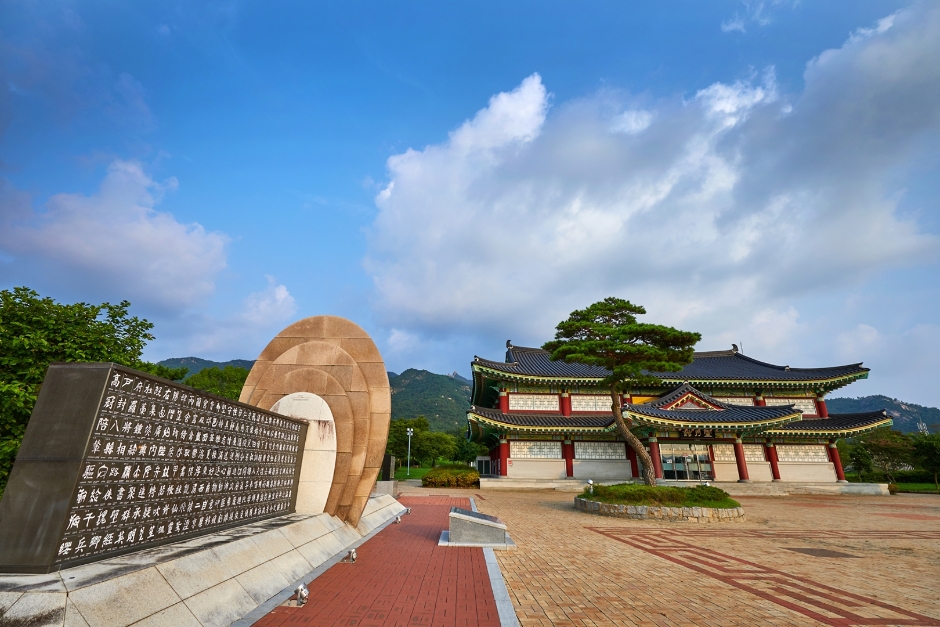
The hometown of Wangin Baksa (Wangin the Great Scholar) is located at the foot of Munpilbong Peak to the east of Gurim Village. Due to Wangin’s importance and contributions to Korean history, this historical attraction is preserved and maintained in honor of his memory and achievements.

Seonggidong is the official birthplace of Wangin (marked by the Yuheobi memorial monument) and is also home to Seongcheon, the well Wangin is believed to have drunk from. Halfway up Wolchulsan Mountain are Chaekgul, Munsanjae and Yangsajae where Wangin is said to have studied as well as nurtured local pupils. To commemorate the significance of these areas, a memorial is held every March at Munsanjae and Yansanjae.

In front of Chaekgul is a statue of Wangin which is said to symbolize his benevolent character. Just west of Seonggidong is Doljeonggogae, a hill from which it is believed Wangin made a sorrowful look back at his countrymen before leaving for Japan.

Wangin departed for Japan from Sangdaepo, which at the time was an international trading port. The renowned Baekje scholar was beginning his journey at the request of Japanese Emperor Eungshin. He took with him ten books on the Analects of Confucius and a book of Cheonjamun, a text of one thousand Chinese characters. Over time, he earned the trust of the emperor and became instructor to the crown prince. Wangin is well-known for his part in the development of Japanese culture and his name appears often in Japanese history. Wangin educated beyond textbooks and made great contributions to the development of arts, crafts and music and is revered as the originator of Japan’s Asuka culture.

This historic site was originally reconstructed from 1985 to 1987 and is continually receiving improvements to improve accessibility for visitors.