Incheon Japanese Street (인천일본풍거리)
6.0Km 2024-02-16
Gwandong 1(il)-ga, Jung-gu, Incheon
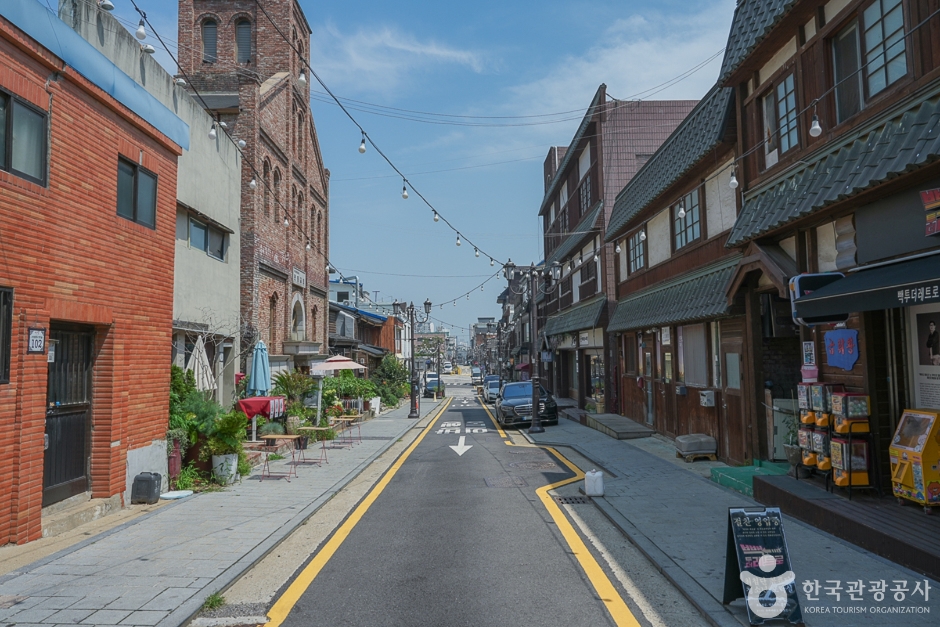
Incheon Japanese Street, established following the opening of Incheon and Jemulpo Ports in 1883, was home to the Japanese concession. It preserves several Japanese-style wooden houses and stone structures from that era. These wooden houses, designed in the distinctive style of Japanese architecture where a storefront is integrated into the residential building, have been renovated and are now serving as cafés and exhibition halls. Nearby, visitors can also explore Incheon Chinatown and the Gaehangjang (Open Port Area) Street.
Jjajangmyeon Museum (짜장면박물관)
6.0Km 2024-12-23
56-14 Chinatown-ro, Jung-gu, Incheon
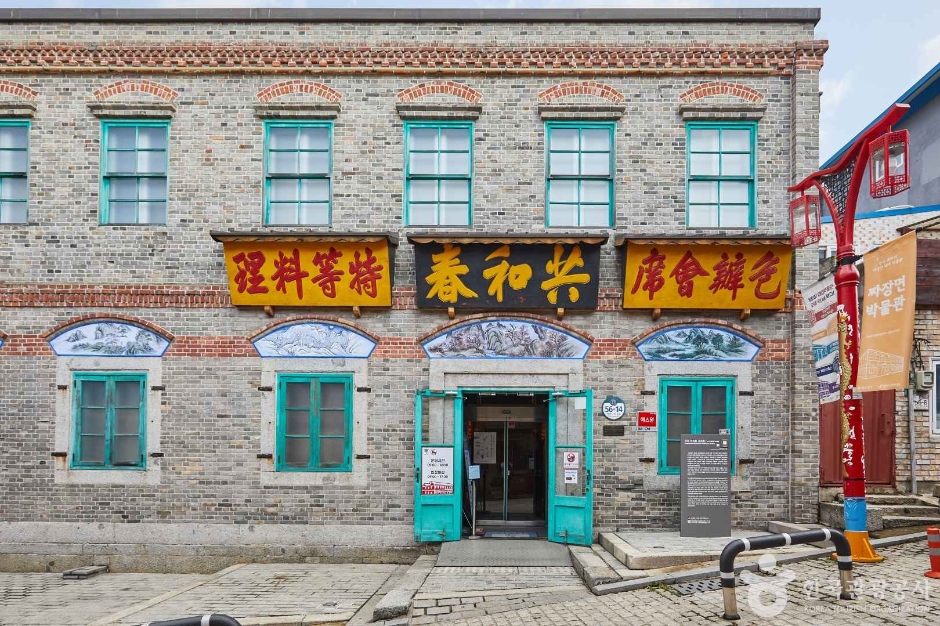
Jjajangmyeon Museum is built in the former building of Gonghwachun, the official birthplace of jjajangmyeon, a food people of all ages love. Gonghwachun operated in this old-fashioned brick building until 1983, and the building was renovated as Jjajangmyeon Museum. It is the first jjajangmyeon-themed museum in Korea and consists of six permanent exhibition rooms and one special exhibition room. Visitors can see the birth and transformation of jjajangmyeon at a glance and the different types and recipes of jjajangmyeon. The special exhibition room presents exhibitions on a variety of topics every year. The reproduction of Gonghwachun’s original reception room and kitchen as well as the exhibition of how the metal delivery box changed over the years are also interesting.
Sangsang Platform (상상플랫폼)
6.0Km 2025-10-23
33 Wolmi-ro, Jung-gu, Incheon
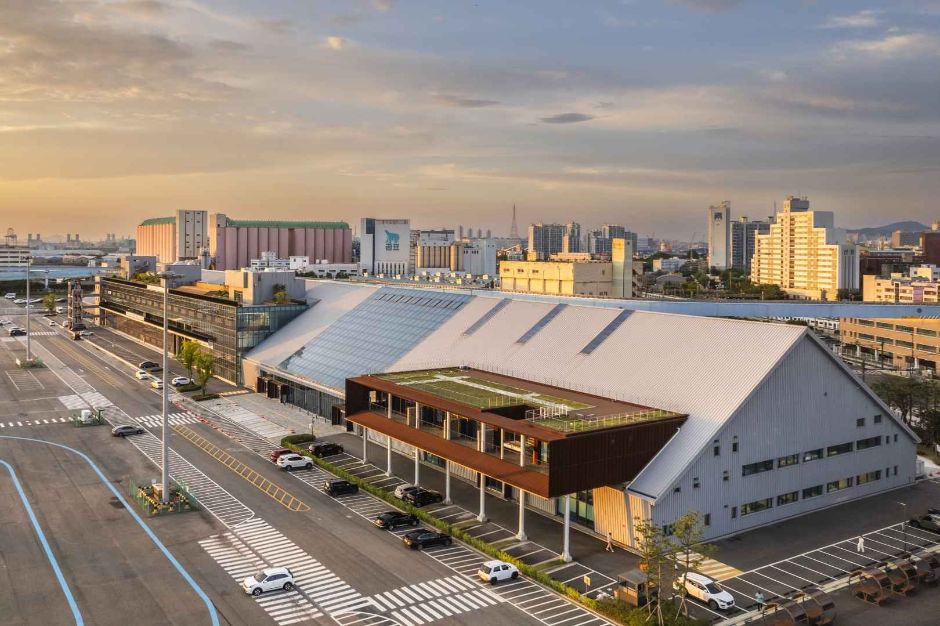
When the Incheon port opened in 1883, the Wolmi-ro area became the gateway to Korea, welcoming vistiors from overseas countries via sea route. Before transforming into the cultural and art complex of today, Sangsang Platform located by the Incheon Open Port used to be Asia's largest granary. Sangsnag Platform is remodeld to preserve the old granary structure while adding a contemporary touch that matches modern-day aesthetics. As the building once connected Incheon to the world, it now serves connect Incheon's past and the future as a multipurpose cultural tourism complex.
Incheon Local Festa (Jemulpo Wave Market) (인천 로컬 페스타 (제물포 웨이브 마켓))
6.0Km 2025-10-23
33 Wolmi-ro, Jung-gu, Incheon
+82-10-2258-9475
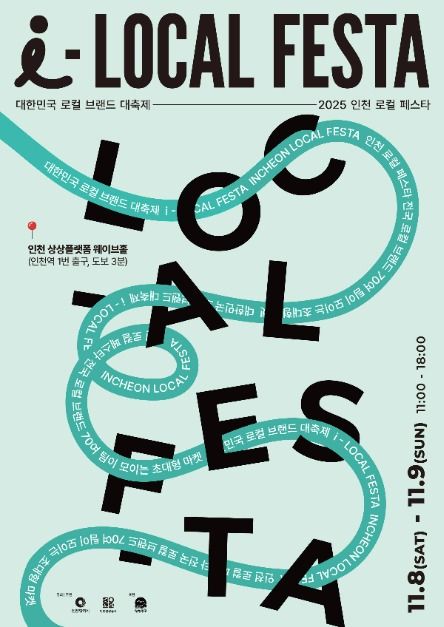
Jaemulpo Wave Market is a special festival where one can explore the many different local brands in Incheon. Approximately 70 Incheon-based brands are participating to promote handmade products, home decor items, lifestyle goods and more. During the festival period, Jemulpo Wave Vintage Market also takes place with 20 vintage sellers showcasing timeless products. Entertaining events are also planned, such as a DJ show, vintage auction, beer drinking contest, and more.
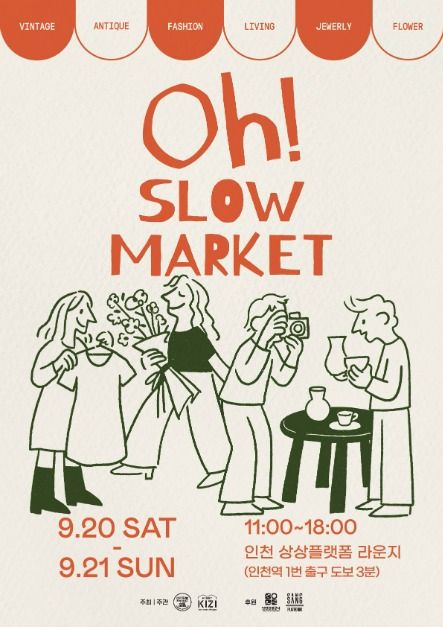
Oh Slow Vintage Market (오슬로우 빈티지 마켓)
6.0Km 2025-11-06
33 Wolmi-ro, Jung-gu, Incheon
+82-10-2258-9475
Oh Slow Vintage Market is the largest vintage market in Korea for those who pursue a slow life, with numerous teams participating in the market, including vintage, antique, second-hand, flower, and small items that align with the values of "slow life." The market is characterized by vintage items and furniture that have been around for a long time and have their own unique value, as well as rare antique items that have their own history and timeless beauty. Quality second-hand clothing and miscellaneous goods provide opportunities to purchase brand products or items in good condition at reasonable prices, going beyond just low prices. The flower section includes fresh flowers and pots for adding a personal touch. Additionally, there are stylish design items and beautifully crafted handmade crafts that enrich lifestyles. Visitors can enjoy an exciting atmosphere with DJ performances and can learn about participating vintage businesses and rare vintage products in detail through a vintage docent tour.
Songdo Central Park (송도 센트럴파크)
6.0Km 2025-10-23
160 Convensia-daero, Yeonsu-gu, Incheon
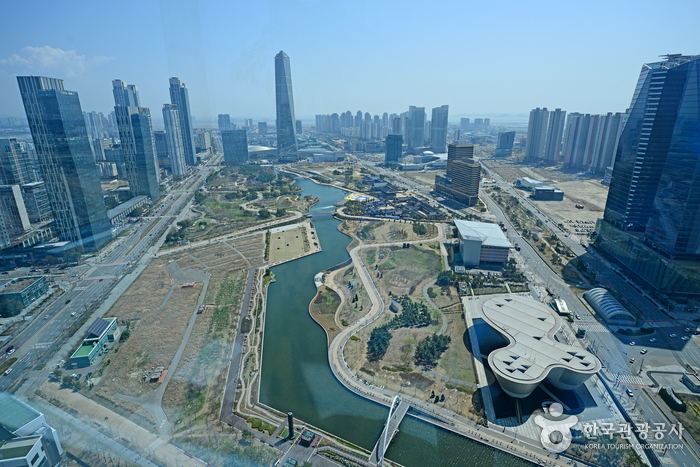
Songdo is a man-made island that presents a futuristic image with buildings that can be considered works of art. Located within this glittering city is Songdo Central Park, the first seawater park in the nation. The park provides visitors with various water activities including a water taxi, canoeing, and more. Visitors can also enjoy culture and arts throughout the park. At night, the Sonhwajeong Pavilion and the moon above seen from the walking trail create a picturesque scene.
Sinseung Banjeom (신승반점)
6.1Km 2024-12-19
인천광역시 중구 차이나타운로44번길 31-3
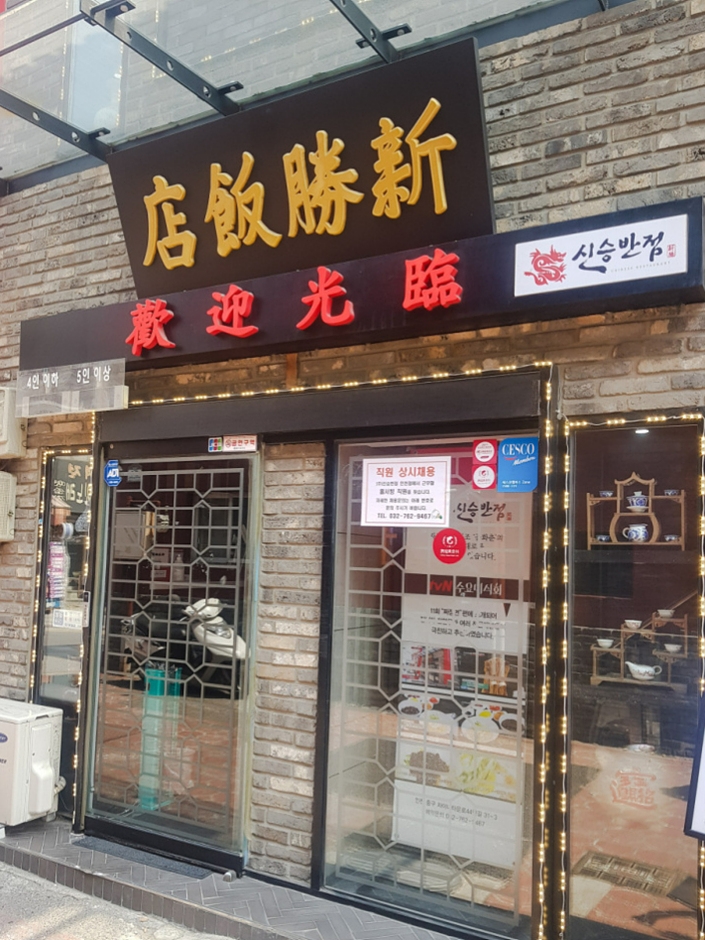
This restaurant, run by the granddaughter of Gonghwachun’s founder Woo Hee-gwang, is best known for its signature yuni-jjajang—a sweet, savory sauce made with minced meat and vegetables, served separately from the noodles, similar to ganjjajang, and topped with a sunny-side-up fried egg. Other popular dishes include the chewy chapssal tangsuyuk (deep-fried pork in a sweet rice batter with sweet and sour sauce) and the samseon haemul nurungjitang (a three-delicacy sizzling rice soup with seafood).4
Sinpo International Market (신포국제시장)
6.1Km 2025-10-23
11-5 Uhyeon-ro 49beon-gil, Jung-gu, Incheon
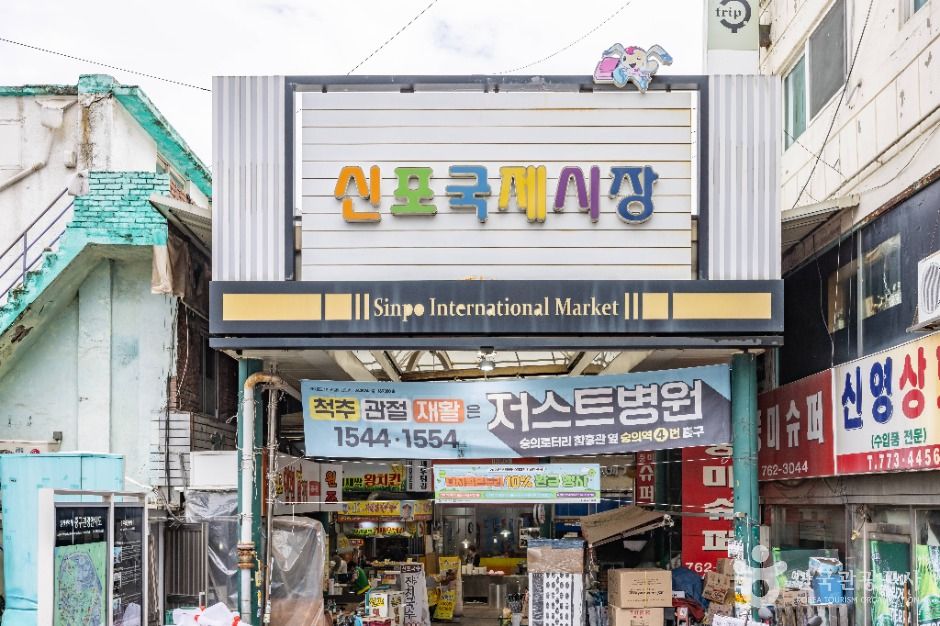
Located in Sinpo-dong, Incheon, Sinpo Market dates back to the late 19th century when vendors began selling fresh vegetables to the Japanese, Chinese, and Westerners who settled in the area. Sinpo Market was officially registered as a market in 1970 and now boasts over 140 stores.
An increasing number of tourists and international merchants have visited Incheon by ferries and cruise ships, turning the local market into an international shopping area over the past few decades. The information desk and office at the market even provide a variety of services (translation services, trade and shopping information, etc.) for tourists and merchants from home and abroad.
The most famous item of the market is dakgangjeong, a Korean dish of crispy fried chicken coated in a sweet and spicy sauce. Other popular dishes include yuni jjajang, egg tart, freshwater fish jeon, mandu, and jjolmyeon (chewy noodles).

Wolmi Sea Train (월미바다열차)
6.1Km 2024-04-21
269 Jemullyang-ro, Jung-gu, Incheon
Wolmi Sea Train is Korea's longest urban tourist monorail, stretching over 6.1 kilometers. The train travels at an average speed of 9 kilometers per hour, taking 42 minutes to complete one loop around Wolmido. The tracks are located between 7 and 18 meters off the ground, offering a view over all Wolmido has to offer. The views out over the sea are especially beautiful at sunset.
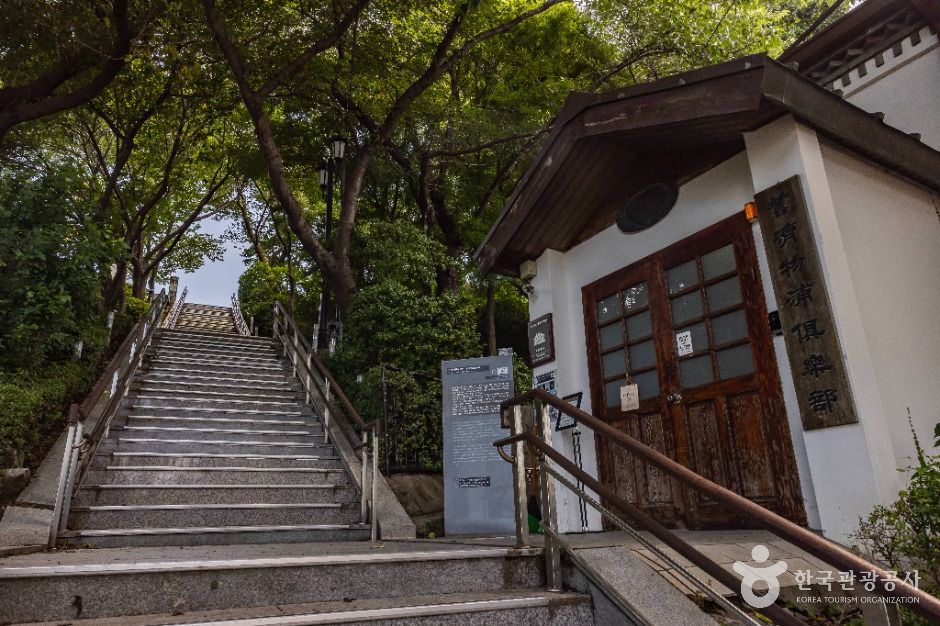
Jemulpo Club (제물포구락부)
6.1Km 2025-10-23
25 Jayugongwonnam-ro, Jung-gu, Incheon
Jemulpo Club, also called Jeumulpo Gurakbu, was established in 1901 to be used as the venue for foreigners such as American, English, German, French, Russian and a small minority of Chinese and Japanese all living in Incheon to build up friendships before opening the port. The two-story brick building was comprised of a library room, pool table, tennis court and others facilities.
The site was used as Incheon Museum from 1953 to 1990 and Incheon Cultural Center from 1990 to 2006. In 2007, the name was changed to Jemulpo Gurabu, imphasizing the Japanese pronunciation of "club." It now offers a site for experiencing modern culture interactions.
 English
 한국어
한국어 日本語
日本語 中文(简体)
 Deutsch
 Français
 Español
 Русский


