![Geomunoreum Lava Tube [UNESCO World Natural Heritage Site] (거문오름 [유네스코 세계자연유산])](http://tong.visitkorea.or.kr/cms/resource/61/2661661_image2_1.jpg)
Geomunoreum Lava Tube [UNESCO World Natural Heritage Site] (거문오름 [유네스코 세계자연유산])
8.3Km 2025-03-13
569-36 Seongyo-ro, Jocheon-eup, Jeju-si, Jeju-do
Geomunoreum Lava Tube stands out as one of the distinct oreum (the Jeju language term for parasitic cones) on Jeju Island, marked by its extensive network of around 20 lava tubes running through the volcanic structure. This site is not only a geological marvel but also a sanctuary for diverse biological species. Visitors begin their journey at the Jeju World Natural Heritage Center, from where a path leads directly to the Geomunoreum Lava Tube. It is important to note that prior reservations are required to visit. The significance of this location as a key geological feature was recognized when it was designated as a UNESCO World Natural Heritage Site in 2007. Additionally, an international trekking event is hosted annually to celebrate its global importance.

Samyang Beach (삼양해수욕장)
8.6Km 2022-07-28
Samyang 2-dong, Jeju-si, Jeju-do
Samyang Beach is cozy and has clear waters because it is not well-known among tourists. In particular, it stands out because of its sparkling black sand. As the black sand's therapeutic effect is well known, visitors can often be seen lying down on the beach and burying themselves in the black sand.
Bengdwigul Cave [UNESCO World Natural Heritage Site] (제주 선흘리 벵뒤굴 [유네스코 세계자연유산])
8.6Km 2022-12-27
Jocheon-eup, Jeju-si, Jeju-do
With a total length of 4,481 meters, Bengdwigul Cave is shaped like a maze and has one of the most complex lava tube structures in the world. For geologists, this cave is invaluable since it demonstrates how lava continuously flowed over the surface of the ground and the complex route it took to eventually form a tube deep underground. Created particularly close to the earth’s surface, this cave has a number of entrance holes to the tunnel. Inside, the complex structure of the cave unfolds in the form of double-tiered or triple-tiered rooms. A range of lava formations such as lava columns and lava bridges have developed inside this mystical tube.
* The UNESCO World Heritage designated Geomunoreum Lava Tube System of Bengdwigul, Manjanggul Cave, Gimnyeonggul, Yongcheondonggul and Dangcheomuldonggul Caves.
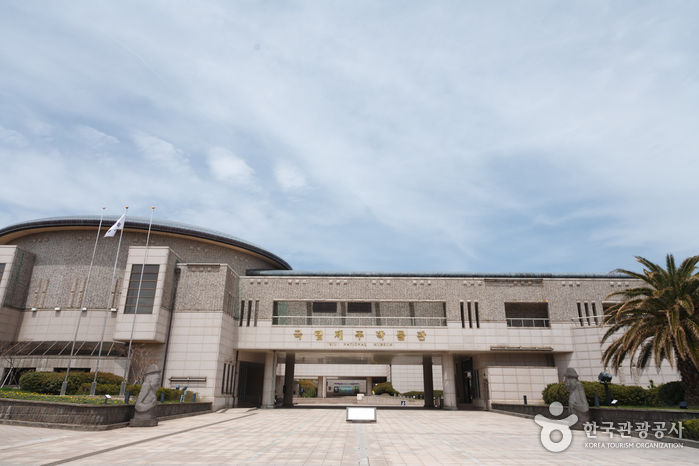
Jeju National Museum (국립제주박물관)
9.2Km 2021-08-06
17, Iljudong-ro, Jeju-si, Jeju-do
Opened on June 15, 2001, Jeju National Museum is a history museum that displays, preserves and studies Jeju Island’s historical and cultural assets. Jeju National Museum houses various remains excavated from ruins, including meaningful relics from the prehistoric age through to the Joseon dynasty. It boasts unique traditional culture and holds special exhibitions each year.
Byeoldobong Peak (Beri Oreum) (별도봉(베리오름))
9.5Km 2025-08-18
Seonban-ro, Jeju-si, Jeju-do
Situated in the east of Hwabuk 1-dong and along the coast, Byeoldobong is a parasitic mountain made of siliciclastic sedimentary rocks and lava. Its northern slope is dominated by steep cliffs where a large rock called Jasalbawi Rock (Suicide Rock) is located. At the bottom of the cliffs are Goraegul Cave (Whale Cave) and an oddly-shaped rock that looks like a mother carrying her child on her back.
Despite being only 136m high, Byeoldobong is home to Jangsu Trail, a walking path that stretches over 1.8km around coastal cliffs, overlooking the ocean. Considered the most pleasant trail on Jeju Island, it offers a spectacular view of numerous peaks, Jeju Port and its nearby villages, and the emerald-blue sea. Naturally, it is a popular tourist destination for family visitors and couples.
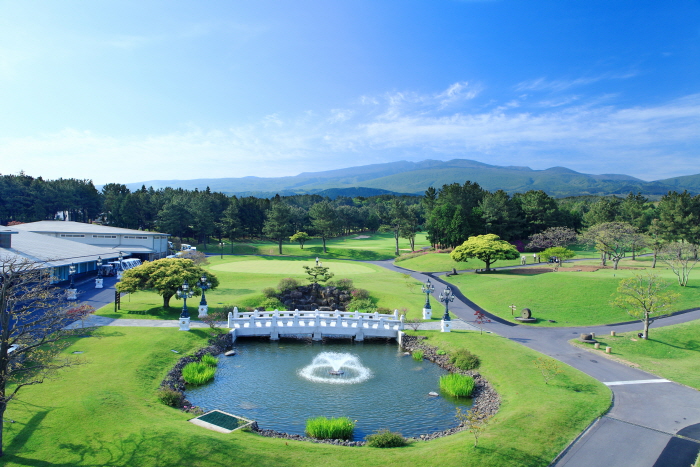
Ora Country Club (오라컨트리클럽)
9.6Km 2025-01-06
130-16, Oranam-ro, Jeju-si, Jeju-do
Ora Country Club was founded along a valley of Hallasan Mountain particularly praised for its splendid beauty. The country club has a 36-hole course designed according to the international standards. The club is designed to provide an unforgettable game surrounded by Jeju Island's natural beauty.
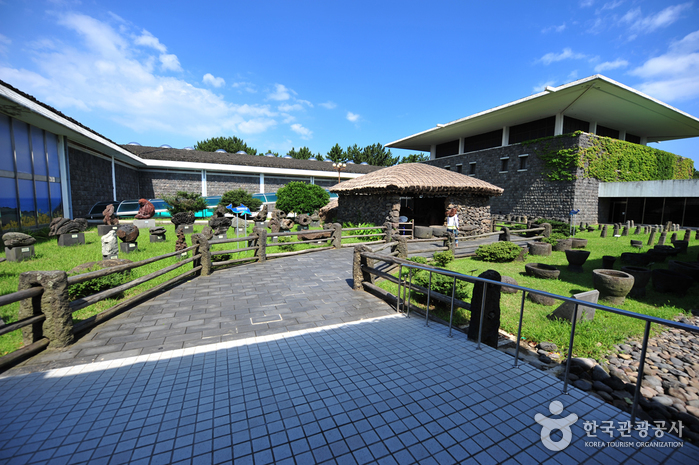
Jeju Folklore & Natural History Museum (제주민속자연사박물관)
9.9Km 2024-03-13
40 Samseong-ro, Jeju-si, Jeju-do
The Jeju Folklore & Natural History Museum showcases the island's unique traditional culture and natural environment. It features exhibits on Jeju’s natural history, folklore, marine life, and an interactive Jeju Experience Center. Enhancing visitor engamgent, the museum includes dioramas and animated films. A highlight of the Sea Exhibition Hall is the 13m-long skeleton of a Bryde's whale, discovered dead on a jeju beach in 2004.
Jeju Samseonghyeol (제주 삼성혈)
9.9Km 2024-03-13
22 Samseong-ro, Jeju-si, Jeju-do
Samseonghyeol is a revered site featuring three mythical holes, believed to be the origin of Jeju island's mythical founders: Go, Yang, and Bu. This sacred location is enveloped by ancient trees, standing for centuries, and remarkably, the holes are known to never fill with water, no matter how hard it rains or snows. Adjacent to these remarkable natural phoenomena, visitors will find an exhibition hall and a media gallery dedicated to telling the lore of Samseonghyeol. Additionally, the site is surrounded by historical structures dating back to the Joseon period.
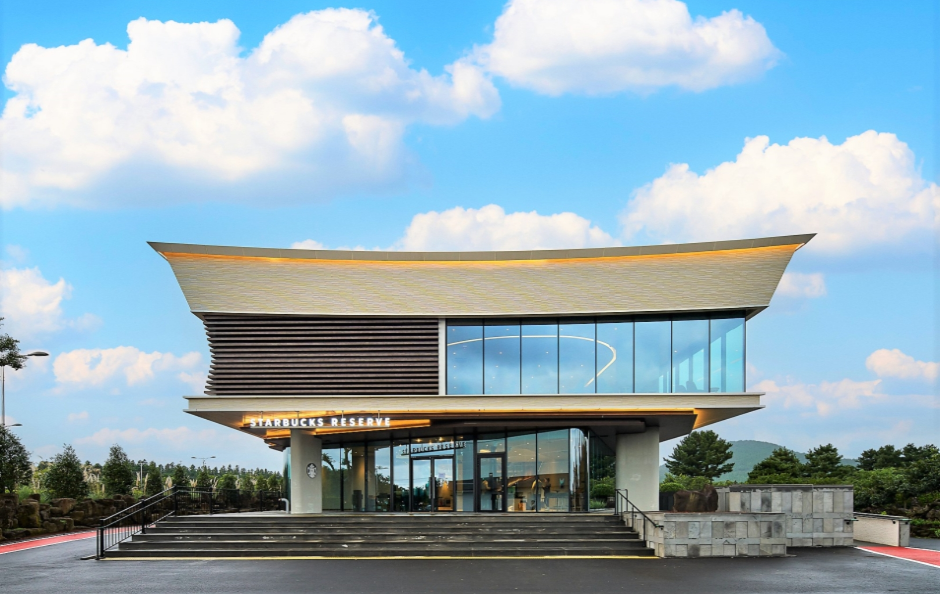
Starbucks Jeju Songdangpark R (스타벅스 더제주송당파크R)
10.0Km 2024-12-27
1189 Bijarim-ro Gujwa-eup, Jeju-si, Jeju-do
Korea's largest Starbucks Reserve exclusive store. Enjoy special coffee along with nature and culture
Starbucks Jeju Songdang R store is Korea’s largest Starbucks Reserve exclusive store. The store offers views of Hallasan Mountain and Jeju Stone Park, so you can leisurely enjoy the scenery of nature with various coffee beverages and foods in and out of the store. There are various specialty beverages, foods, and merchandise available only at the Jeju Songdang R store. As a Starbucks Reserve exclusive store, you can enjoy kinetic artwork representing coffee stories and an exhibition of photographer An Woong-chul's works in collaboration with the global camera manufacturer Leica.
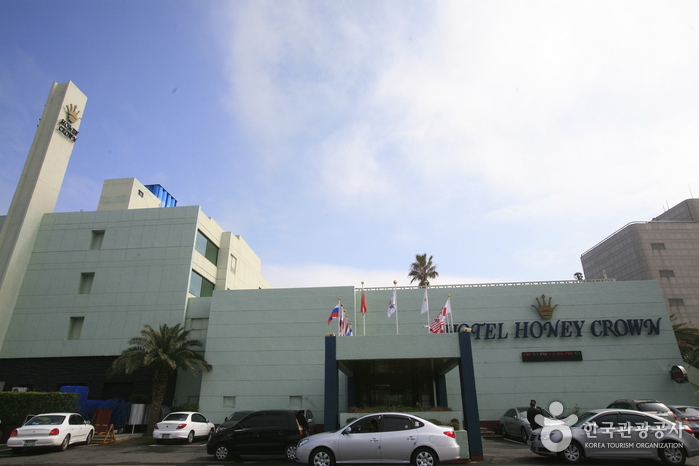
Honey Crown Hotel (하니크라운호텔)
10.1Km 2025-01-07
10, Samseong-ro, Jeju-si, Jeju-do
Honey Crown Hotel features guestrooms with a view of Hallasan Mountain as well as of the ocean. The hotel has a tropical garden walking trail for guests to enjoy. Other facilities include a banquet hall, an outdoor wedding hall, an annex housing seminar rooms, and restaurants.
 English
 한국어
한국어 日本語
日本語 中文(简体)
 Deutsch
 Français
 Español
 Русский


