Odusanseong Fortress (파주 오두산성)
17.9Km 2024-12-03
Seongdong-ri, Paju-si, Gyeonggi-do
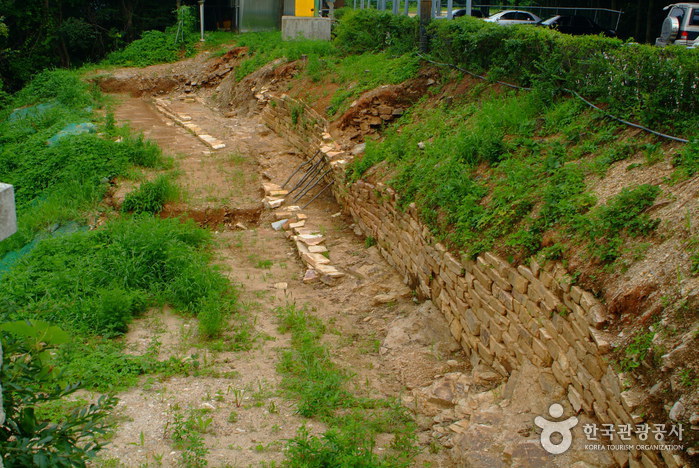
Odusanseong Fortress is built around the strategic summit of Odusasn Mountain. The walls stretch across roughly 620 meters and were built during the Baekje dynasty. The fortress is built on the intersection of the Imjingang River and the Hangang River on the summit of Odusan Mountain (119 meters). The mountain’s slope is steep and stones used in the construction of the fortress walls are scattered here and there at the summit. These scattered stones are evidence that the fortress underwent repairs several times during the Samguk (Three Kingdoms) era and the Joseon dynasty, as these stones were evidently quarried and used to mend the fortress walls. Excavations have discovered a great deal of earthenware, white porcelain, tile, and iron arrowheads. Topographically, the fortress sits on a prime strategic junction and the Unification Observatory has been situated there as well. The fortress stands as an important object of study concerning fortifications and structures from the Baekje dynasty. It has been recorded on the stele of King Gwanggaeto, Samguksagi (History of the Three Kingdoms), in the Naekjebongi (Baekje Annals) and on Daedongyeojido (Map of Korea) that the fortress was the Gwanmi Fortress of Baekje, attracting many scholars and researchers interested in this period.

Mangwon Market (망원시장)
17.9Km 2025-07-11
27 Poeun-ro 6-gil, Mapo-gu, Seoul
Mangwon Market is one of the representative traditional markets of Seoul. Its proximity to both Mangnidan Street and Hangang Park makes it a great place to do some shopping in preparation for a riverside picnic. The market isn’t very large, but it is packed with delicious treats. One can find classics like the deep-fried and braised chicken, braised pigs' feet, crispy deep-fried green chili pepper, and other snack fare there, along with stores offering food and lifestyle items for some browsing.
Gachon University Gil Medical Center (의료법인 길의료재단 길병원)
17.9Km 2025-10-23
21, 774 Beon-gil, Namdong-daero, Namdong-gu, Incheon
Gachon University Gil Medical Center is a major tertiary hospital located closest to Incheon International Airport. With 1,400 beds across 31 medical departments, it operates specialized centers such as the Main Building, Cancer Center, Emergency Center, Women's Cancer Center, and Cardiovascular Center. It achieved top national rankings in the Ministry of Health and Welfare’s Medical Institution Quality Evaluation and the appropriateness evaluations in various areas such as cancer, cardiovascular, and emergency critical care. As one of Korea’s top three research-oriented hospitals, particularly in fields like brain science and cancer diabetes research, it demonstrates global competitiveness. Furthermore, its resident coordinators who speak English, Russian, Mongolian, and Chinese provide interpretation services to ensure safe and convenient medical care for foreign patients.
WENERD Corp. (주식회사 위너드)
18.0Km 2025-10-23
#201, Saul Building, 21 Seongmisan-ro 1-gil, Mapo-gu, Seoul
Wenerd provides a total care solution through “Wenerd Care”, combining premium wellness tourism with health check-ups to comprehensively manage clients’ health and beauty.
Syncverse (주식회사 싱크버스)
18.0Km 2025-12-09
(B103, Bethel Building), 875 Tongil-ro, Eunpyeong-gu, Seoul
SYNCVERSE is a combination of the words “synchronize,” which means happening at the same time, and “universe,” representing the vast world we live in.
Syncverse serves as a central hub, connecting people and facilitate seamless beginnings for success in various fields. We cater not only to medical tourism and medical research and development, but also provide a global network to meet the needs of our valued customers and partners.
Aank Air Hotel Gaebong (아늑에어 호텔 개봉점)
18.0Km 2025-08-18
38-12 Nambusunhwan-ro 95-gil, Guro-gu, Seoul
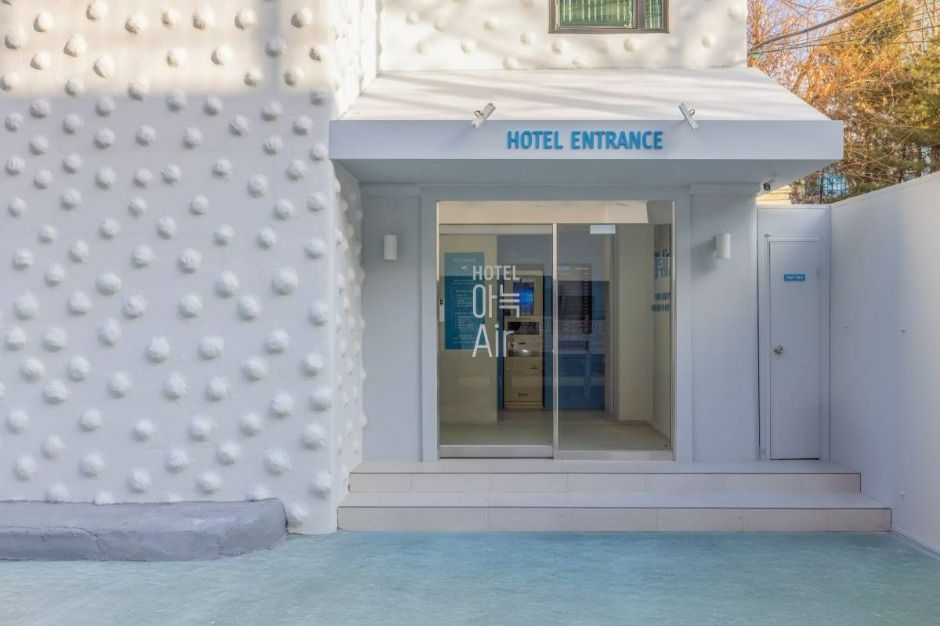
Aank Air Hotel Gaebong is located 2 minute's walking distance from Gaebong Station, making it a convenient location for guests who opt to use the subway for traveling in Seoul. The hotel takes cleanliness and comfort seriously, making sure the guests enjoy their experience during their stay. The hotel offers a basic standard room type for comfort and a movie room for entertainment, each carefully curated to meet guests' needs and interests.
Stay Passport Express Spa Dangsan (스테이 패스포트 익스프레스 스파 당산점)
18.1Km 2025-04-09
92-1 Yangpyeong-ro, Yeongdeungpo-gu, Seoul
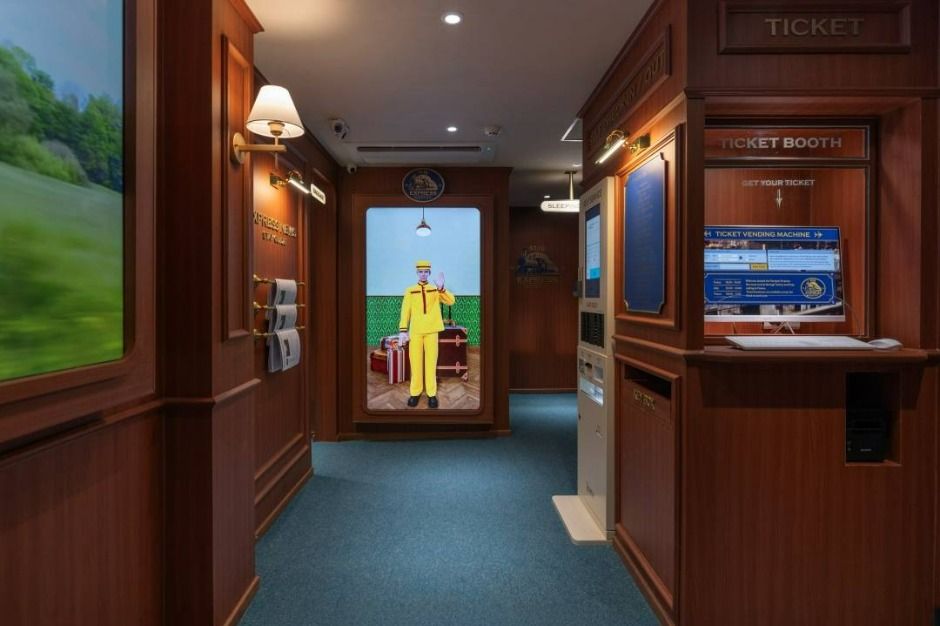
Stay Passport Express Spa Dangsan is inspired by European train trip and has a variety of rooms that sticks to the theme. Room types include COUCHETTE, which comes with a wine chiller and a turntable along with vinyl; SLEEPER 4-1 and 4-2, rooms with a turntable and a jacuzzi for four persons; and SLEEPER, a room with a turntable and a jacuzzi for two. The hotel has limited parking space so guests visiting with a vehicle are advised to inquire in advance for a nearby parking lot.

Chadeokbun Yeongjongdo Main Branch (차덕분 영종도본점)
18.1Km 2025-09-16
12, Eunhasu-ro, Jung-gu, Incheon
Located in front of Gu-eup Ferry Terminal on Yeongjongdo Island, Chadeokbun is a unique teahouse where you can enjoy a cup of tea while overlooking the sea. It offers a variety of teas, including cold tea, loose-leaf tea, and floral tea, along with distinctive treats such as red bean butter monaka, walnut-dried persimmon rolls, grilled rice cakes, and hojicha shaved ice with spun sugar. Once you place an order, the staff brings out a neatly prepared tray, and if you wish, they will also explain the proper way to enjoy the tea. Guests can choose between chair seating and floor seating according to their preference. The teahouse also displays tea-related items such as teacups and teapots, which are available for purchase. Those who visit before 11:00 a.m. can purchase the carefully selected “tea of the morning” and “treat of the day” at a discounted price.
ELITE Plastic Surgery (엘리트 성형외과)
18.1Km 2025-10-23
7th Floor, Entas Building, 593 Inju-daero, Namdong-gu, Incheon
Since its opening in 2007, ELITE Plastic Surgery has been a specialized clinic focused on anti-aging and lifting procedures, backed by over 19 years of accumulated experience and advanced medical expertise.
With extensive clinical experience and meticulous surgical techniques, we strive to bring out each patient's natural and harmonious beauty, aiming not only to enhance appearance but also to restore youth and confidence.
Through the collaboration of our plastic surgery and dermatology departments, patients who are hesitant about surgery can opt for non-invasive procedures such as laser lifting. It is also convenient to receive all desired treatments and procedures in one place.
We also offer a total care system for international patients, including interpretation services, accommodation, airport pickup, and personalized post-operative care.
Aegibong Peak (Gimpo Section) (애기봉 (김포))
18.2Km 2025-01-08
139, Pyeonghwagongwon-ro, Gimpo-si, Gyeonggi-do
Aegibong Peak is located at the northern tip of Gimpo city about an hour’s drive from the downtown area. The mountain is where North and South Korea engaged in a fierce battle at the end of the Korean War; after the battle, Korea was divided into two nations. Since the peak is still a restricted area, visitors must present their passport in order to be admitted. From the peak, an open view of North Korean territory unfolds below and visitors can see South Korean territory as far as Songhaksan Mountain in Chungcheongnam-do.
 English
 한국어
한국어 日本語
日本語 中文(简体)
 Deutsch
 Français
 Español
 Русский


