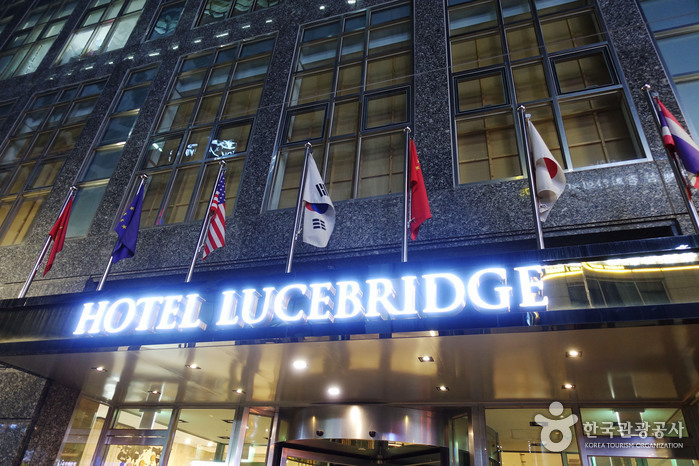
THE FIRST STAY (더퍼스트스테이 호텔)
12.4Km 2024-12-23
23 , Magokdong-ro 4-gil, Gangseo-gu, Seoul
The First Stay Hotel, located in Magok-dong, Gangseo-gu, Seoul, is chosen by many frequent business trippers as well as domestic and foreign travelers because of its modern styling, practical prices, and convenient transport links. Gimpo Airport is 10 minutes and Incheon International Airport just 30 minutes away, while subway and bus stops are within a 5-minute walk. The hotel has ample parking space, and self-catering is possible in some rooms.

Dodeoksan Suspension Bridge (도덕산 출렁다리)
12.4Km 2025-11-06
317-80 Gwangmyeong-dong, Gwangmyeong-si, Gyeonggi-do
Dodeoksan Suspension Bridge is located in Dodeoksan Park, which serves as a resting place and a light hiking course for citizens of Gwangmyeong. Dodeoksan Park has a well-maintained wooden walkway, and the slope is not too steep, so anyone can walk safely there. It is about 400 meters from Dodeoksan Park parking lot to Dodeoksan Suspension Bridge, allowing one to reach the bridge at a leisurely pace on foot. The bridge is in a Y-shape and 82 meters long in total and has an artificial waterfall under the midpoint of the bridge, giving a thrilling yet refreshing experience.
105405 Magok (105405 마곡)
12.4Km 2025-03-07
161-8 Magokjungang-ro, Gangseo-gu, Seoul
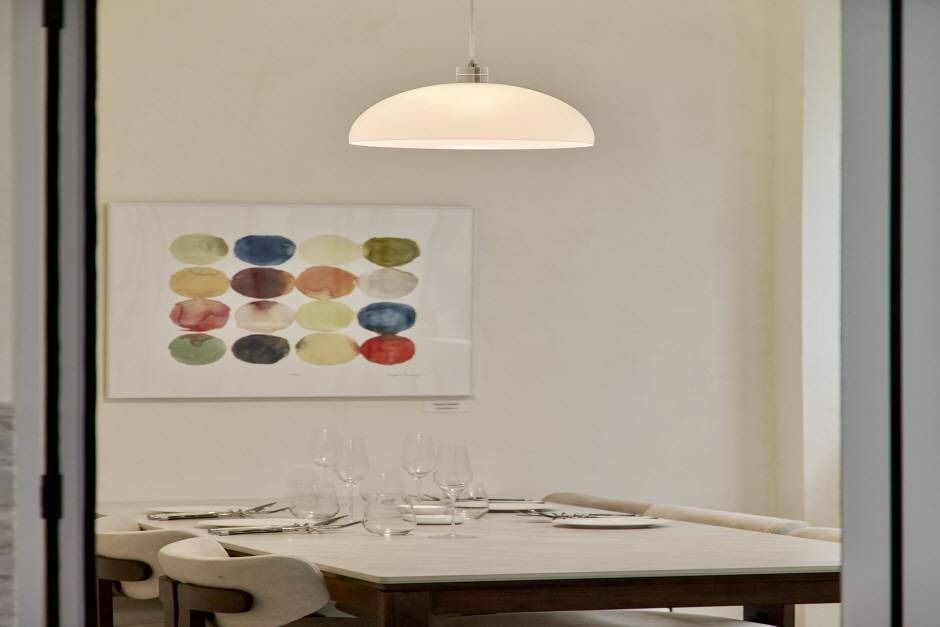
105405 Magok, a restaurant located in the Ganseo-gu district of Seoul, is famous for its charcoal grilled steak and its reinterpretation of side dishes, which is a significant part of Korean food culture. The steaks here are prepared through a meticulous process of wet-aging, seasoning, color development, confit, and charcoal grilling, with lunches served as course meals only.
Sinchon Gisa Sikdang (신촌기사식당)
12.4Km 2025-09-15
408 Banghwa-daero, Gangseo-gu, Seoul
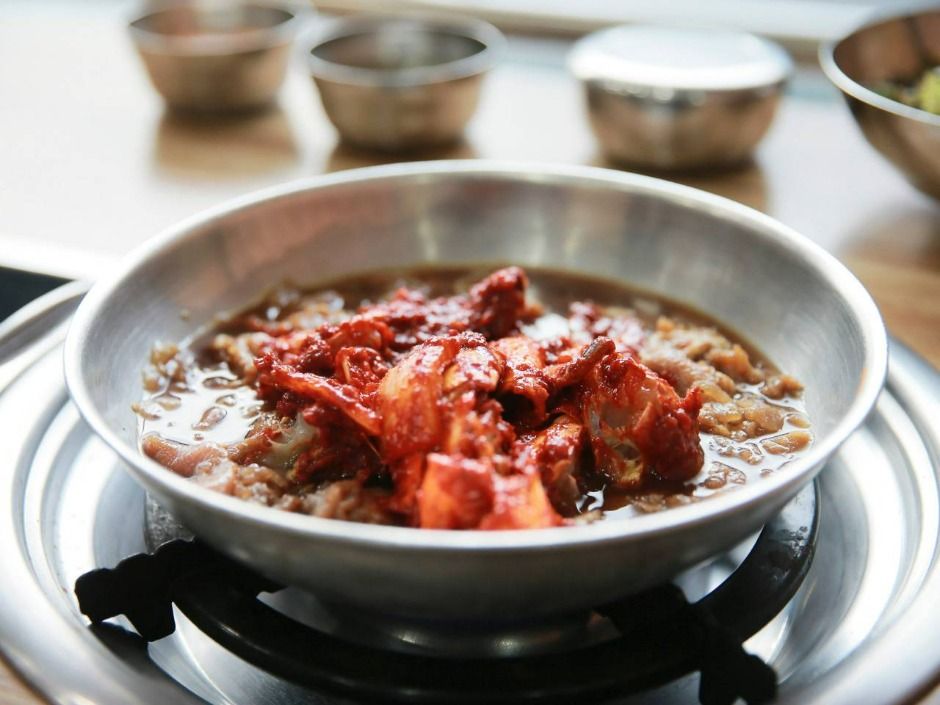
Sinchon Gisa Sikdang is a long-established restaurant with a long tradition, known for its generous portions and flavor, gaining word-of-mouth popularity and being featured in various television shows. In 2021, it was certified as a Long-standing Small Business by the Ministry of SMEs and Startups and the Small Enterprise and Market Service. The restaurant's representative menu is Bulkkot Baekban, which consists of dwaejibulbaek (pork bulgogi) and yangnyeom gejang (spicy marinated crab), ideal for two to three people. It's a great place to experience the authentic taste of a traditional restaurant with dishes like pork bulgogi and kimchi stew with fresh meat.
Siheung Gaetgol Eco Park (시흥 갯골생태공원)
12.6Km 2025-05-08
287 Dongseo-ro, Siheung-si, Gyeonggi-do
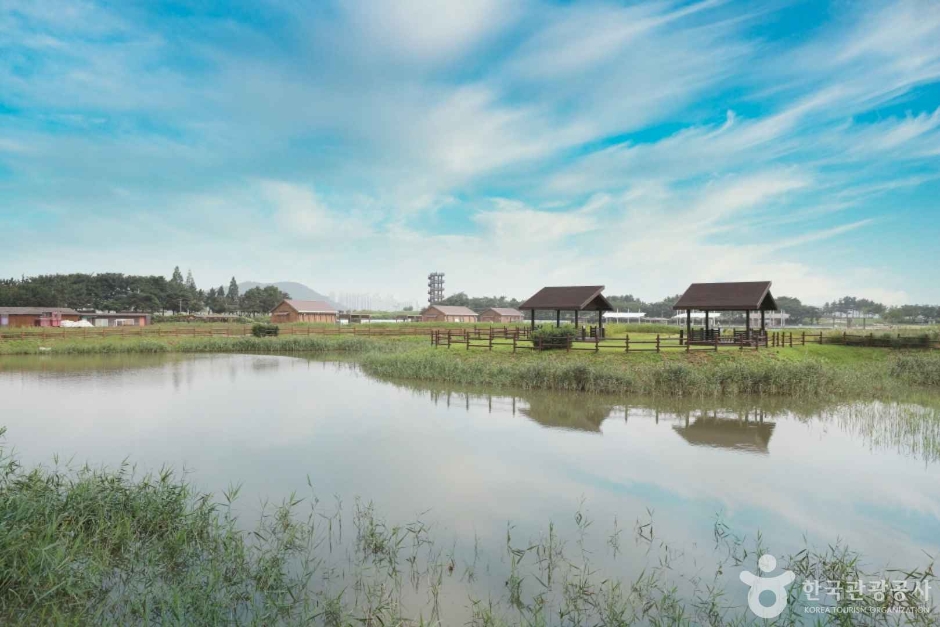
Siheung Gaetgol Eco Park in Gyeonggi-do features the nation's only inland beach along the shores of a river that ebbs and flows with the ocean tide. The park offers the chance to learn about the traditional salt-making techniques, as well as the many unique flora that grow here. The park was designated as a National Ocean Wetland Protection Zone in February 2012.
Kkwonggogae Park (꿩고개공원)
12.6Km 2025-10-23
San 100beonji, Banghwa-dong, Gangseo-gu, Seoul
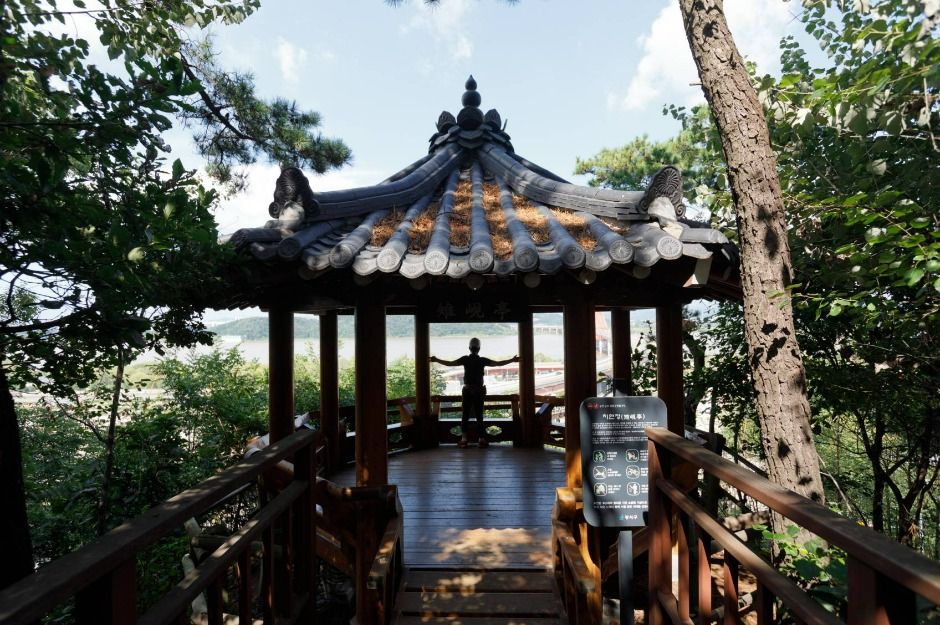
Kkwonggogae Park is an ecological forest where nature is preserved, located along the Hangang River, and has an excellent natural environment. Whereas the nearby Banghwa Community Park was founded for public service, Kkwonggogae Park was founded to preserve the existing habitats and ecosystems while serving as a passageway for small animals. Within the park is Chihyeonjeong Pavilion, Gangseo area's representative attraction for taking in the city nightscape. The hill's name, which can literally be translated as "Pheasant Hill Park," comes from the fact that this hill was a frequent pheasant hunting spot in the past. The park is located near Gagseo Dulle Trail Course No. 2.
Sweet Park (Lotte Children's Food Experience Center) (스위트파크(롯데어린이식품체험관))
12.6Km 2024-02-15
201 Magokjungang-ro, Gangseo-gu, Seoul
Sweet Park is a children's food experience center, an educational and entertainment space featuring Lotte's food products. The park is designed as a village themed around Lotte's food items. It offers various tour programs such as Hot Air Balloon Theater, Sweet Park Tours, Lotte R&D Center Experience Zone, and Xylitol Dental Health Education Zone.
Gyeongin Ara Waterway (경인 아라뱃길)
12.7Km 2023-11-10
41 Jeongseojin 1-ro, Seo-gu, Incheon
Ara Waterway flows 18 kilometers from the Hangang River to the West Sea. Opened in 2012, the waterway serves to quickly remove excess water from the surrounding areas to prevent flooding. The waterway also serves as a key route for transporting cargo via ship, as well as a natural green space.
The idea of Ara Waterway started nearly 800 years ago during the Joseon dynasty by King Gojong. Unfortunately, his plan could not be completed at that time due to technical obstacles and the difficult state of the country. After countless efforts and preparation, the construction of the waterway began in 2009 and opened in 2012.
Shinsegae Simon Siheung Premium Outlets (신세계사이먼 시흥 프리미엄 아울렛)
12.7Km 2025-05-08
699 Seohaean-ro, Siheung-si, Gyeonggi-do
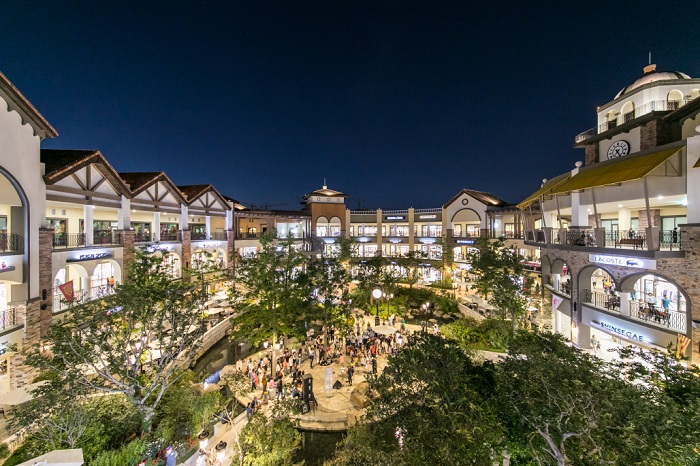
Shinsegae Simon Siheung Premium Outlets can be characterized as a "multi-shopping resort," providing shopping experience where visitors can break away from the busy city life. The store's exquisite exterior is designed to resemble Cadaqués, a town located by the northeastern sea in Spain. The mall offers several convenient facilities, including entertainment and experience programs that visitors can enjoy while shopping. The mall consists of the eco-friendly Central Garden; Sky Garden, where families and friends can enjoy a picnic; a futsal field open to visitors of all ages; and Taste Village that offers cuisines from all over the world.
Gocheok Sky Dome (고척 스카이돔)
12.7Km 2023-09-05
430 , Gyeongin-ro, Guro-gu, Seoul
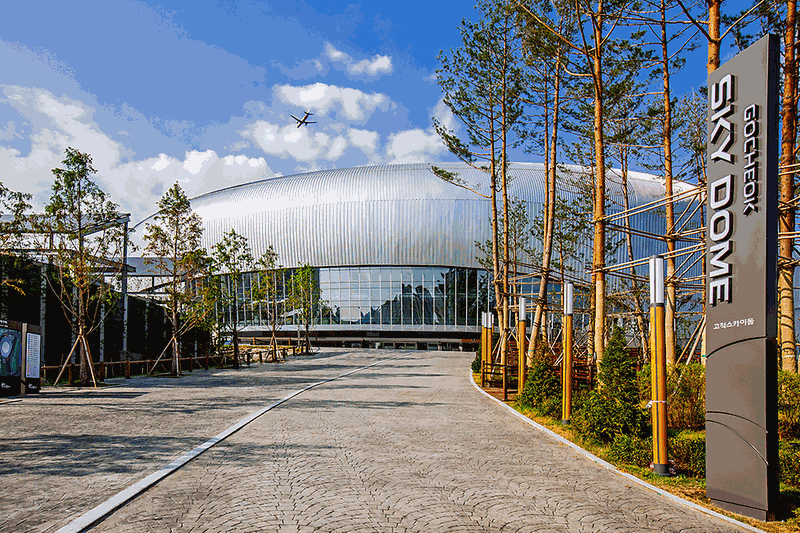
Gocheok Sky Some is the first dome-type baseball stadium to be built in Korea. Since its establishment in 2015, the stadium has been used as a venue for diverse events, including baseball games, athletic sports, performances, concerts, and more. The stadium consists of two basement floors and four above-ground floors with 16,783 seats. Gocheok Sky Dome serves as a cultural facility for the public that can host events regardless of season and weather. A baseball-themed street is connected to the dome for baseball fans. Several other sports-related facilities and retailers are also available.
 English
 한국어
한국어 日本語
日本語 中文(简体)
 Deutsch
 Français
 Español
 Русский


