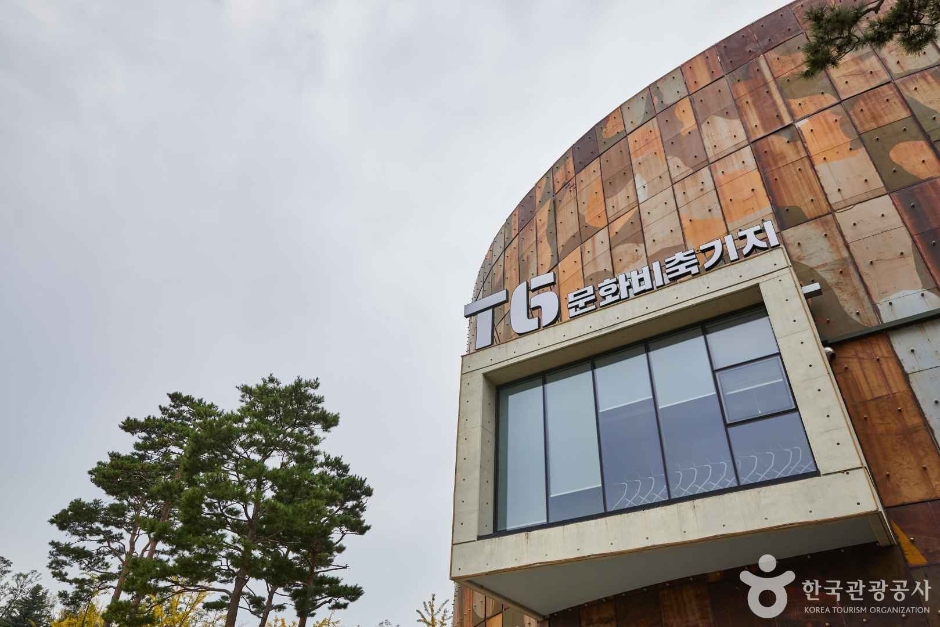
Oil Tank Culture Park (문화비축기지)
17.4Km 2024-11-01
87 Jeungsan-ro, Mapo-gu, Seoul
After being used as an oil tank for 41 years, the tanks were reborn into a culture space. The five tanks were transformed into performance halls, exhibition halls, and a multi-purpose pavilion, while one new tank was built to be used as an information center. In addition, the temporary parking lot turned into a culture yard where visitors can relax as well as enjoy activities or performances.
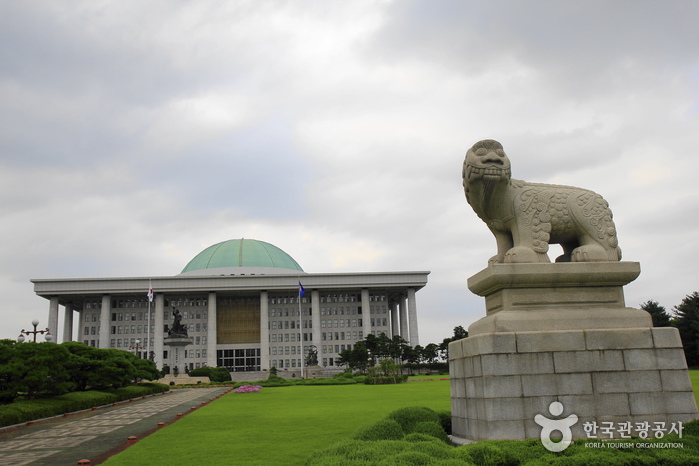
The National Assembly Building (국회의사당)
17.4Km 2024-02-29
1, Uisadang-daero, Yeongdeungpo-gu, Seoul
The National Assembly Building stands as the symbol of Korean democracy. It consists of the National Assembly Building, the National Assembly Library, and the Memorial Hall. Visitors can take part in programs such as observing the Plenary Chamber and visiting the Children's Museum. Because it is a great place to learn about Korean history and politics, it is a popular tourist site. Visitors are required to make reservations for their visit, which can be done through the webpage.
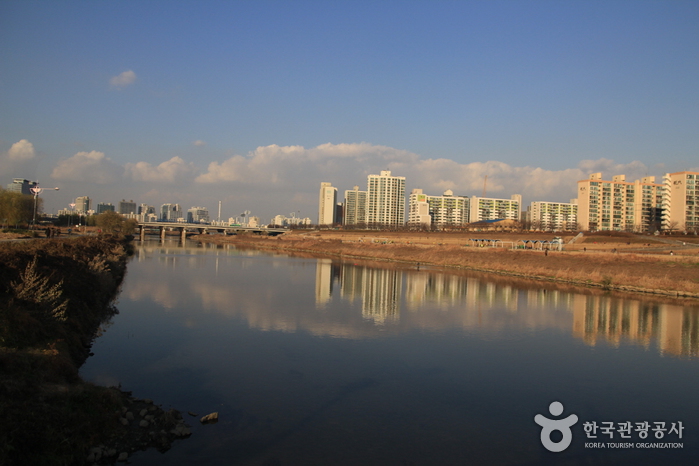
Anyangcheon Stream (안양천)
17.4Km 2025-01-13
Seoksu-ro, Manan-gu, Anyang-si, Gyeonggi-do
Anyangcheon Stream flows through seven cities in Gyeonggi-do as well as 7 districts of Seoul. The stream starts from the valley, south of Cheonggyesan Mountain, in Uiwang, Gyeonggi-do and flows 35.1 kilometers to the Hanggang River between Yeongdeungpo-gu and Yangcheon-gu. Various types of birds enjoy the stream making it an ecology stream in the middle of the city as well as provide citizens with leisure including bicycle path, bridges, rest area, sports facilities and more.
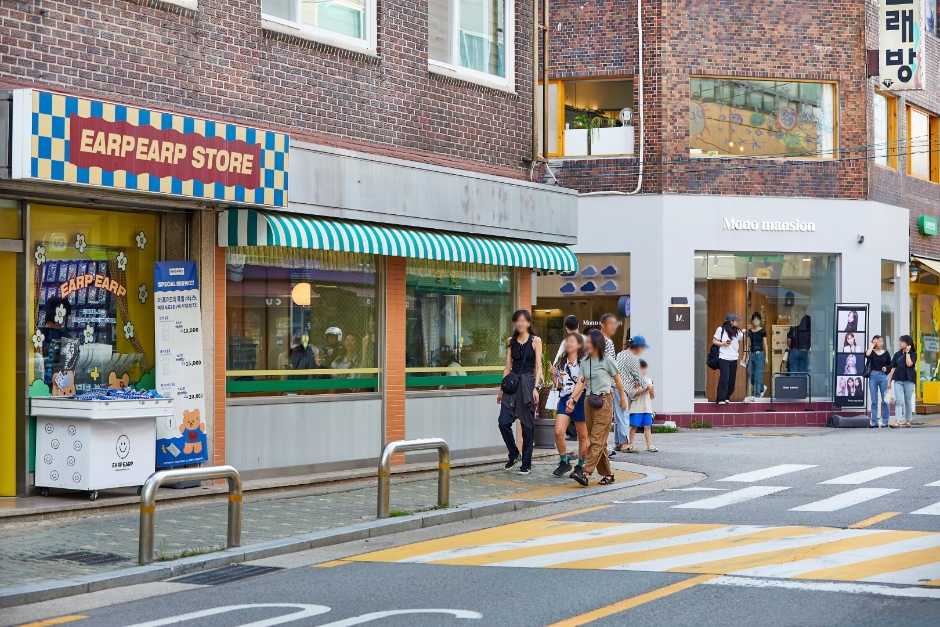
Mangnidan Street (망리단길)
17.5Km 2025-05-20
Poeun-ro, Mapo-gu, Seoul
Mangnidan Street is located near Poeun-ro, which can be reached in about 6 to 8 minutes of leisurely walk toward Mangwon Hangang Park from Exit 2 of Mangwon Station on Subway Line 6. Its name comes from the combination of Mangwon-dong and the Gyeongnidan Street in Itaewon, meaning the “Gyeongnidan Street of Mangwon-dong.” There are a variety of restaurants, cafes, dessert shops, and other small shops, each with their own charm, making it a great place to take the kids shopping or just get some rest. This place is quite close to Mangwon Market, so visitors can stop by the market if time allows. Another way to fit this area into the itinerary is as a pit stop for desserts or some shopping before heading to Mangwon Hangang Park.
Seoul World Cup Stadium (서울월드컵경기장)
17.5Km 2025-03-15
240 World Cup-ro, Mapo-gu, Seoul
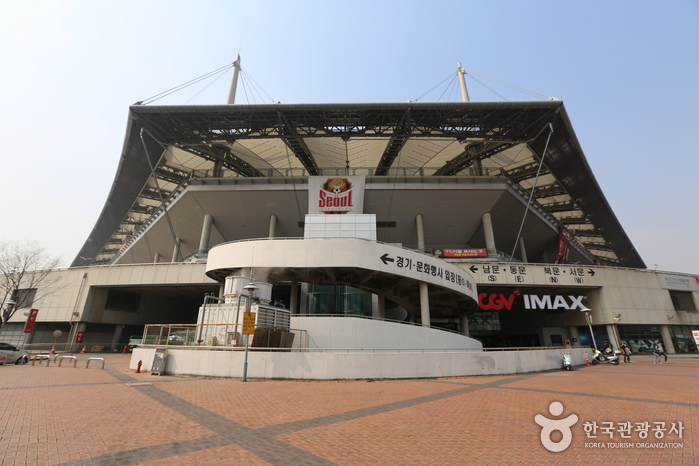
Seoul World Cup Stadium, constructed for the 2002 World Cup co-hosted by South Korea and Japan, stands as the largest soccer-specific stadium in Korea. Currently serving as the home ground for FC Seoul's K-League , it also hosts matches for the South Korean national soccer team. The vicinity boasts large-scale supermarkets, cinemas, sports centers, and saunas. Nearby attractions include Haneul Park and Pyeonghwa Park.
Incheon Yonggungsa Temple (용궁사 (인천))
17.5Km 2026-06-30
199-1, Unnam-ro, Yeongjong-gu, Incheon
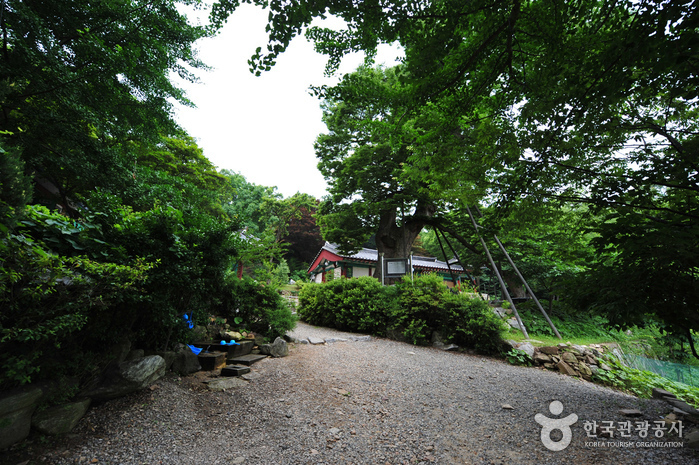
Yonggungsa Temple is located in the same region as the Incheon International Airport and sits on the northeastern slopes of Baegunsan Mountain. During the Silla Kingdom (about 1,300 years ago), the temple was named ‘Baegunsa’ by King Munmu, in reference to the temple’s mountain home. During the Joseon dynasty, it was the temporary residence of Heungseon Daewongun (1820-1898, a politician and father of King Gojong), who stayed at the temple for 10 years praying for his son to ascend to the throne. When his son was finally crowned king, Heungseon Daewongun rebuilt the temple and changed the name to Yonggungsa.
The temple consists of various buildings such as Gwaneumjeon (re-constructed by Heungseon Daewongun), Yosachae (home of the monks), Chilseonggak, and Yonghwanggak. In Yosachae, the writings of Heungseon Daewongun are hung on the wall and recently, an 11 meter-high statue of Maitreya was put in place. In front of the temple are two 1,300 year-old zelkova trees.
Jeoldusan Martyrs' Shrine (절두산순교성지)
17.6Km 2024-03-12
6 Tojeong-ro, Mapo-gu, Seoul
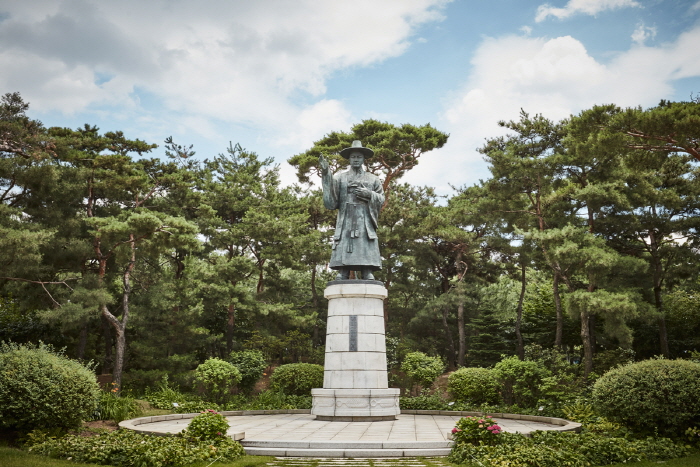
Jeoldusan Martyrs' Shrine is the site where many Catholic believers were executed in 1866 due to persecution. In commemoration of the 100th anniversary of the martyrdom, the Korean Catholic Church opened the Memorial Hall in October 1967, exhibiting materials, relics, and souvenirs related to the Korean Catholic Church and operating a museum. Pope Johannes Paulus II visited the site in 1984, and Mother Teresa visited in 1985.
Korean Martyrs' Museum (한국천주교순교자박물관)
17.6Km 2023-01-03
6, Tojeong-ro, Mapo-gu, Seoul
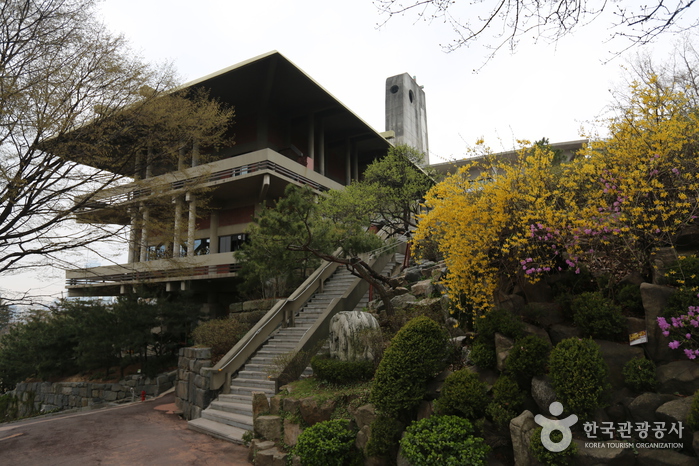
Korean Martyrs’ Museum was opened in October of 1967 as Jeoldusan Martyrs' Shrine, in memory of the Catholic martyrs who lost their lives during the Byeongin Persecution of 1866. The name of the museum changed to the current Korean Martyrs' Museum in August 2008. The museum displays artifacts and materials in exhibitions related to the Catholic Bishops' Conference of Korea.

Mangwon Market (망원시장)
17.6Km 2025-07-11
27 Poeun-ro 6-gil, Mapo-gu, Seoul
Mangwon Market is one of the representative traditional markets of Seoul. Its proximity to both Mangnidan Street and Hangang Park makes it a great place to do some shopping in preparation for a riverside picnic. The market isn’t very large, but it is packed with delicious treats. One can find classics like the deep-fried and braised chicken, braised pigs' feet, crispy deep-fried green chili pepper, and other snack fare there, along with stores offering food and lifestyle items for some browsing.
Football Faentasium (풋볼 팬타지움)
17.7Km 2022-09-13
240, World Cup-ro, Mapo-gu, Seoul
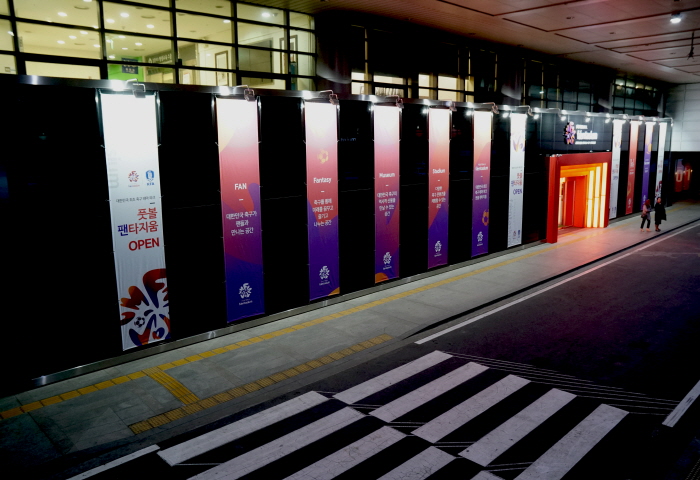
Football Faentasium is the first soccer-themed experience museum in Korea, founded by the Korea Football Association. The museum uses the lastest in IT for exciting displays, experiences, educational lessons, and more for a facility more like a theme park than a museum. The name comes from a mix of the words fan, fantasy, museum, and stadium.
 English
 한국어
한국어 日本語
日本語 中文(简体)
 Deutsch
 Français
 Español
 Русский


