
Incheon Port International Passenger Terminal (인천항 국제여객선터미널)
15.3Km 2023-06-10
57 , Gukjehangman-daero 326beon-gil, Yeonsu-gu, Incheon
The Incheon Port International Passenger Terminal was created to develop Incheon Port into an internationally beautiful port for tourism by constructing an international passenger pier and terminal to resolve user inconvenience caused by dual (inner and coastal) operations and increase port operation efficiency. Construction began in December 2016 and was completed in June 2019, and operations began on June 15, 2020. It has a total floor area of 66,789.62 ㎡ (terminal building 65,421.15 ㎡, gate building 1,368.47 ㎡) and consists of five floors and a rooftop floor.
Mangnidan Street (망리단길)
15.3Km 2025-05-20
Poeun-ro, Mapo-gu, Seoul
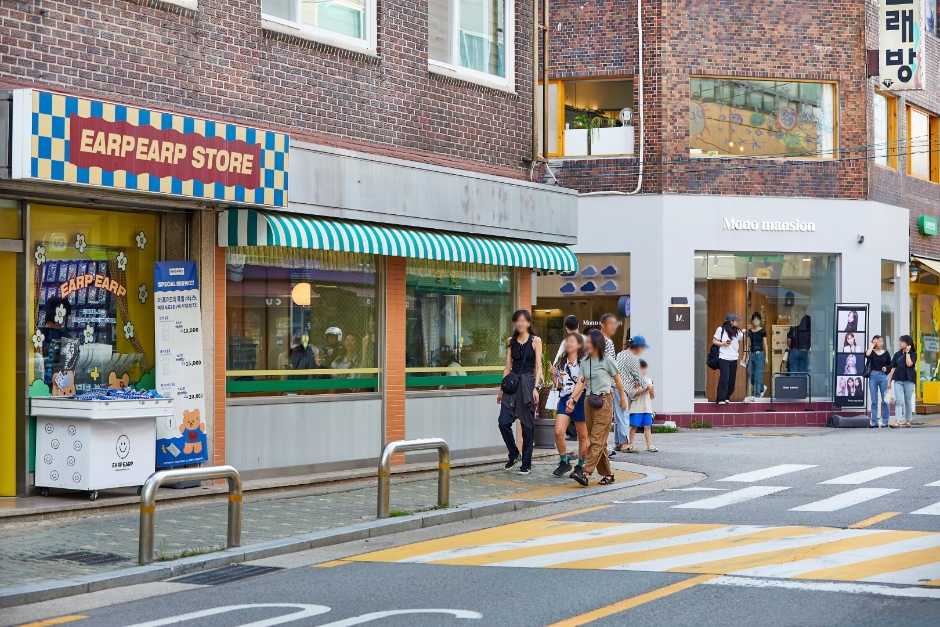
Mangnidan Street is located near Poeun-ro, which can be reached in about 6 to 8 minutes of leisurely walk toward Mangwon Hangang Park from Exit 2 of Mangwon Station on Subway Line 6. Its name comes from the combination of Mangwon-dong and the Gyeongnidan Street in Itaewon, meaning the “Gyeongnidan Street of Mangwon-dong.” There are a variety of restaurants, cafes, dessert shops, and other small shops, each with their own charm, making it a great place to take the kids shopping or just get some rest. This place is quite close to Mangwon Market, so visitors can stop by the market if time allows. Another way to fit this area into the itinerary is as a pit stop for desserts or some shopping before heading to Mangwon Hangang Park.
The National Assembly Building (국회의사당)
15.3Km 2024-02-29
1, Uisadang-daero, Yeongdeungpo-gu, Seoul
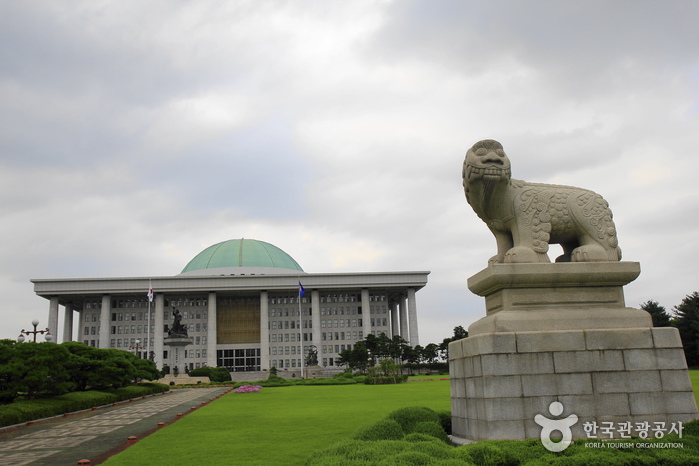
The National Assembly Building stands as the symbol of Korean democracy. It consists of the National Assembly Building, the National Assembly Library, and the Memorial Hall. Visitors can take part in programs such as observing the Plenary Chamber and visiting the Children's Museum. Because it is a great place to learn about Korean history and politics, it is a popular tourist site. Visitors are required to make reservations for their visit, which can be done through the webpage.
Mangwon Market (망원시장)
15.4Km 2025-07-11
27 Poeun-ro 6-gil, Mapo-gu, Seoul
Mangwon Market is one of the representative traditional markets of Seoul. Its proximity to both Mangnidan Street and Hangang Park makes it a great place to do some shopping in preparation for a riverside picnic. The market isn’t very large, but it is packed with delicious treats. One can find classics like the deep-fried and braised chicken, braised pigs' feet, crispy deep-fried green chili pepper, and other snack fare there, along with stores offering food and lifestyle items for some browsing.
National Museum of World Writing Systems (국립세계문자박물관)
15.4Km 2025-10-23
217 Central-ro, Yeonsu-gu, Incheon
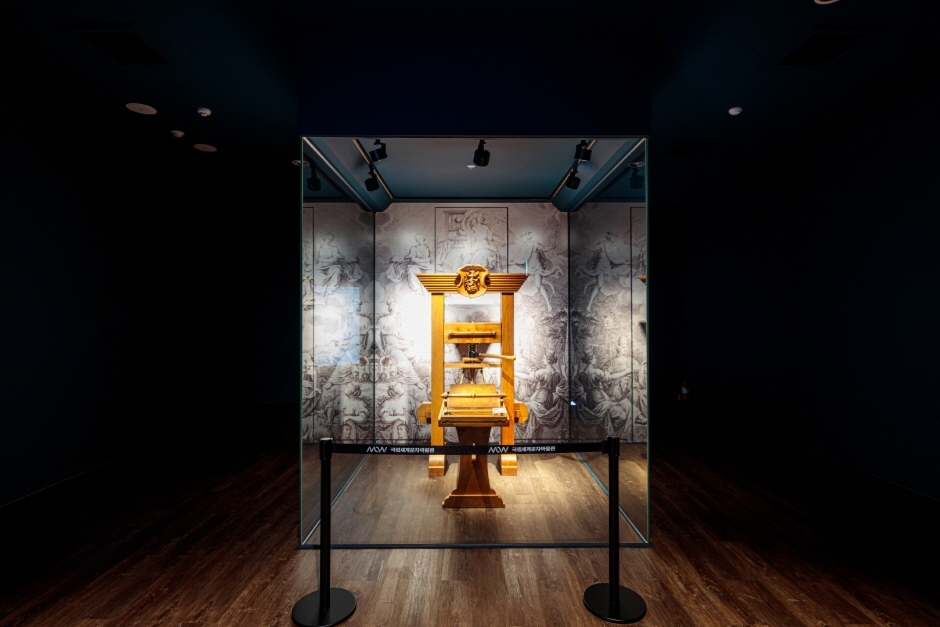
The National Museum of World Writing Systems is the third museum in the world to specialize in writing systems, following the Champollion Museum in France and the National Museum of Chinese Writing. The museum collects and researches new and important information from the stories contained in scripts, and conducts exhibitions and education based on this. By doing so, it shares the historical value of world scripts and provides content that allows visitors to experience the diversity of culture through scripts. From the first written script of mankind to the "Hangeul," Korean alphabet, it tells the story of the birth, development, and future of the characters that have led the development of human civilization.
Jeoldusan Martyrs' Shrine (절두산순교성지)
15.5Km 2024-03-12
6 Tojeong-ro, Mapo-gu, Seoul
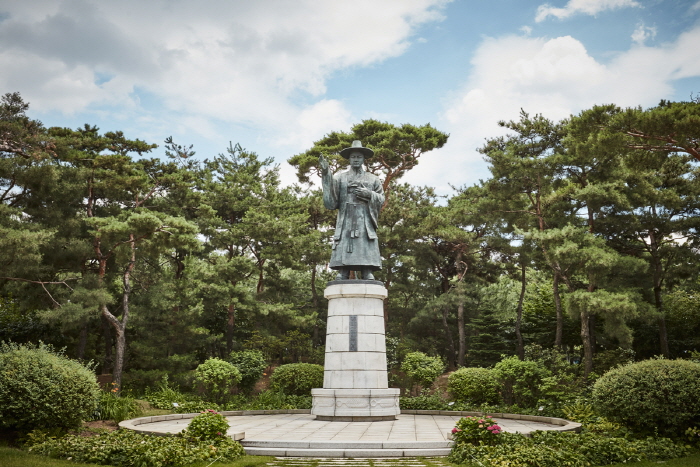
Jeoldusan Martyrs' Shrine is the site where many Catholic believers were executed in 1866 due to persecution. In commemoration of the 100th anniversary of the martyrdom, the Korean Catholic Church opened the Memorial Hall in October 1967, exhibiting materials, relics, and souvenirs related to the Korean Catholic Church and operating a museum. Pope Johannes Paulus II visited the site in 1984, and Mother Teresa visited in 1985.
Murwanghosu Lake (물왕호수)
15.5Km 2024-02-06
Murwang-dong, Siheung-si, Gyeonggi-do
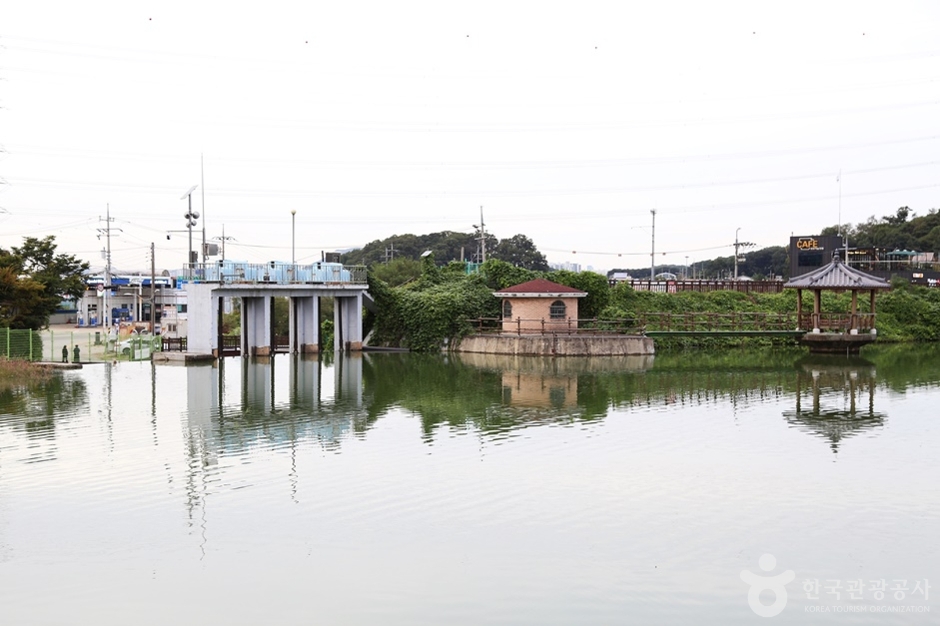
Murwanghosu Lake, also known as Heungbu Reservoir, is the largest lake in Siheung-si. Visitors can immerse themselves in nature while strolling along the deck encircling the lake. The illuminated pathways provide stunning night views of the lake, enhanced by vibrant lights. Additionally, the area features solar-powered smart benches, offering the convenience of wireless smartphone charging.
Korean Martyrs' Museum (한국천주교순교자박물관)
15.5Km 2023-01-03
6, Tojeong-ro, Mapo-gu, Seoul
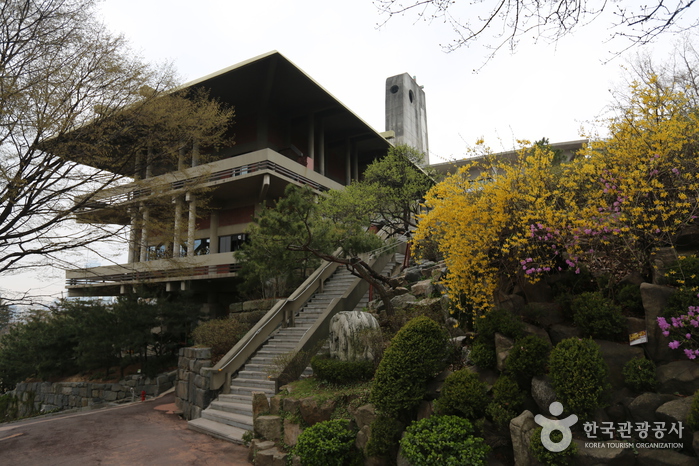
Korean Martyrs’ Museum was opened in October of 1967 as Jeoldusan Martyrs' Shrine, in memory of the Catholic martyrs who lost their lives during the Byeongin Persecution of 1866. The name of the museum changed to the current Korean Martyrs' Museum in August 2008. The museum displays artifacts and materials in exhibitions related to the Catholic Bishops' Conference of Korea.
Football Faentasium (풋볼 팬타지움)
15.5Km 2022-09-13
240, World Cup-ro, Mapo-gu, Seoul
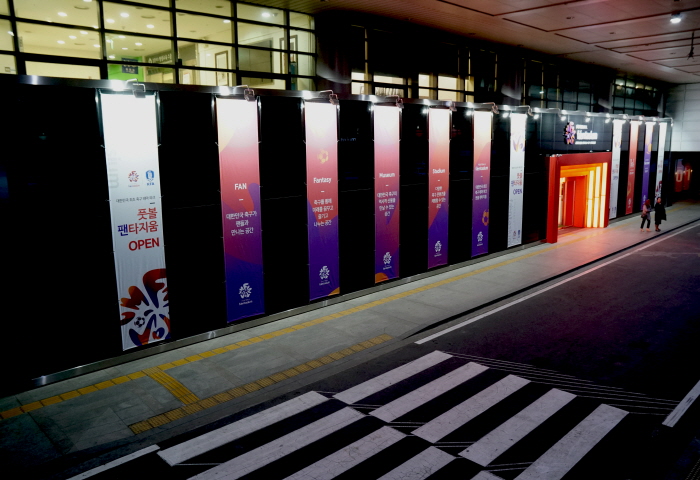
Football Faentasium is the first soccer-themed experience museum in Korea, founded by the Korea Football Association. The museum uses the lastest in IT for exciting displays, experiences, educational lessons, and more for a facility more like a theme park than a museum. The name comes from a mix of the words fan, fantasy, museum, and stadium.
Songdo ConvensiA (송도컨벤시아)
15.5Km 2024-03-29
123, Central-ro, Yeonsu-gu, Incheon
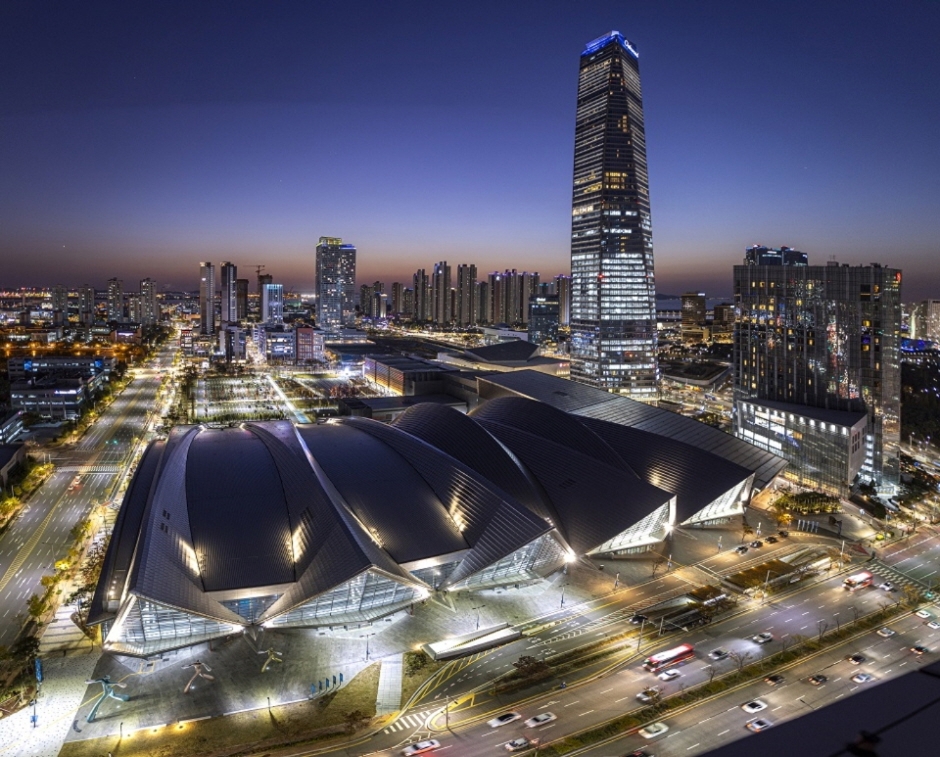
Songdo ConvensiA, located in international conference complex in the center of Songdo City, is an international exhibition and convention center that takes 20 minutes from Incheon International Airport and 50 minutes from Seoul. It is the ideal venue for MICE, with an exhibition hall that can accommodate up to 900 booths, 20,000 people, 2 ballrooms that can accommodate 3,000 people, and a total of 35 small to mid-size meeting rooms.
Equipped with shopping infrastructure featuring 7 five-star hotels, Central Park, Incheon Art Center, Tri-Bowl and Triple Street, all within walking distance, Songdo ConvensiA is famous for its unique design. It is a feature-oriented convention center based on eco-friendly facilities and a advanced smart MICE system.
 English
 한국어
한국어 日本語
日本語 中文(简体)
 Deutsch
 Français
 Español
 Русский


