
De Young Museum (드영미술관)
18.7Km 2024-10-10
6 Seongchon-gil, Dong-gu, Gwangju
De Young Museum is an art gallery located at the entrance to Mudeungsan National Park. The gallery opened in 2018 with the concept of being "forever young" and aims to develop the local culture scene through connections with the local community.
Top Cloud Hotel (탑클라우드호텔(광주점))
18.8Km 2024-12-22
57-1 , Imbangul-daero 825beon-gil, Gwangsan-gu, Gwangju
+82-62-972-3111
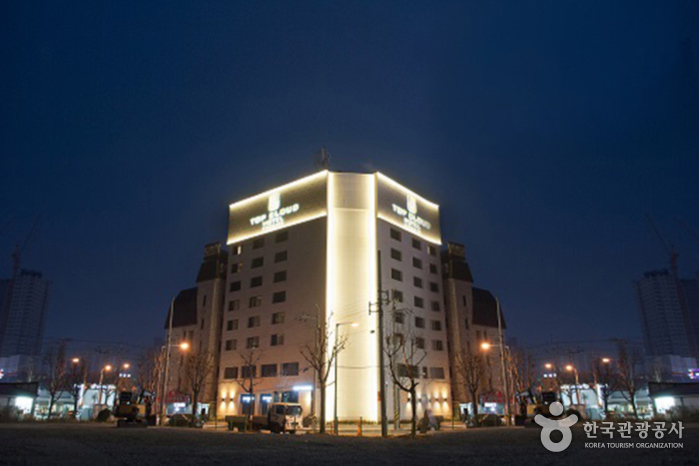
The Top Cloud Hotel in Gwangju, Jeollanam-do, is an impressive building with a luxurious interior. Rooms are comfy with high-quality bedding for a good night’s sleep, and all offer splended night views over Gwangju and its Gwangsan high-tech district. Facilities include a hearty breakfast, a 24-hour information desk, and concierge service.
Unjusa Temple (운주사)
18.8Km 2022-07-25
91-44, Cheontae-ro, Hwasun-gun, Jeollanam-do
+82-61-374-0660
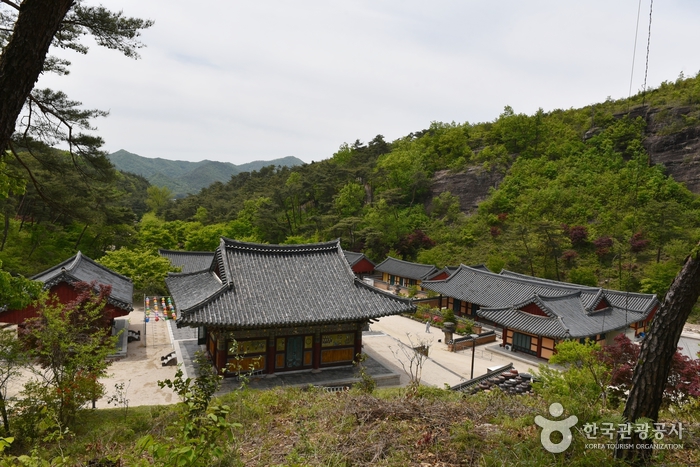
Unjusa Tmeple was called Bibosa Temple during the late Silla Period. However, during excavation work that took place between 1984 and 1989, it was discovered to have been built long before that during the early Goryeo period. The temple fell into disrepair after the Imjin War (1592-1598), but was partly restored in the 1800s by Monk Seoldamjau. Unjusa Temple’s famous heritages include the Nine-story Stone Pagoda (Treasure No. 796), Shrine of Stone Buddha (Treasure No. 797), and Cylindrical Multi-story Stone Pagoda (Treasure No. 798).
Ssangam Park (쌍암공원)
18.9Km 2021-08-13
39, Cheomdanjungang-ro 182beon-gil, Gwangsan-gu, Gwangju
+82-62-960-8704
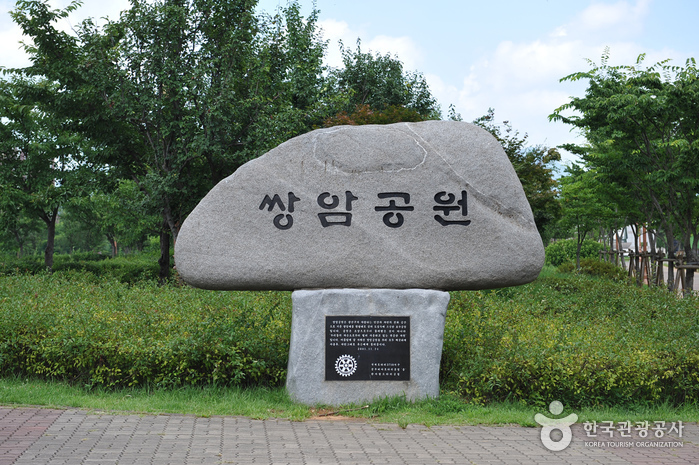
Ssangam Park is located in front of the Gwangju Institute of Science and technology within Cheomdanjigu (the high-technology district) in Gwangsan-gu, Gwangju. Thanks to the beautiful lake at its center, the park is also known as “Lake Park.” The lake is surrounded with landscaped azaleas and pine trees and is home to several fountains. At least once a month, a cultural festival takes place at the park.
Convenience facilities include 146 benches, 3 restrooms, and 3 playgrounds. The park is especially popular among students since it has a gym and a wide grassy field perfect for playing sports.
Mudeungsan Lift Monorail (Jisan Park) (무등산 리프트모노레일 (지산유원지))
18.9Km 2025-08-12
14-10 Jiho-ro 164beon-gil, Dong-gu, Gwangju
To use the lift and monorail located at Jisan Park in Gwangju, visitors can purchase a ticket at the ticket office in the convenience store on the first floor and go up to the boarding area on the second floor. Get on the lift with a track length of 745 meters and an operating speed of 12 m/sec and climb for about 20 minutes while enjoying the scenery of Mudeungsan Mountain to arrive at Bitgoeul Station. From here, visitors can transfer to the monorail. Passengers can feel the thrill of riding toward the top on a monorail which can accommodate about 20 people at a time. A spectacular view of Mudeungsan Mountain will unfold in all directions. The view of Gwangju from Palgakjeong Observatory at the end of the monorail is a beautiful sight that visitors to Gwangju must see at least once as it is a famous attraction to enjoy the view of Gwangju.
Wolbongseowon Confucian Academy (월봉서원)
18.9Km 2021-07-06
133, Gwanggok-gil, Gwangsan-gu, Gwangju
+82-62-960-8253
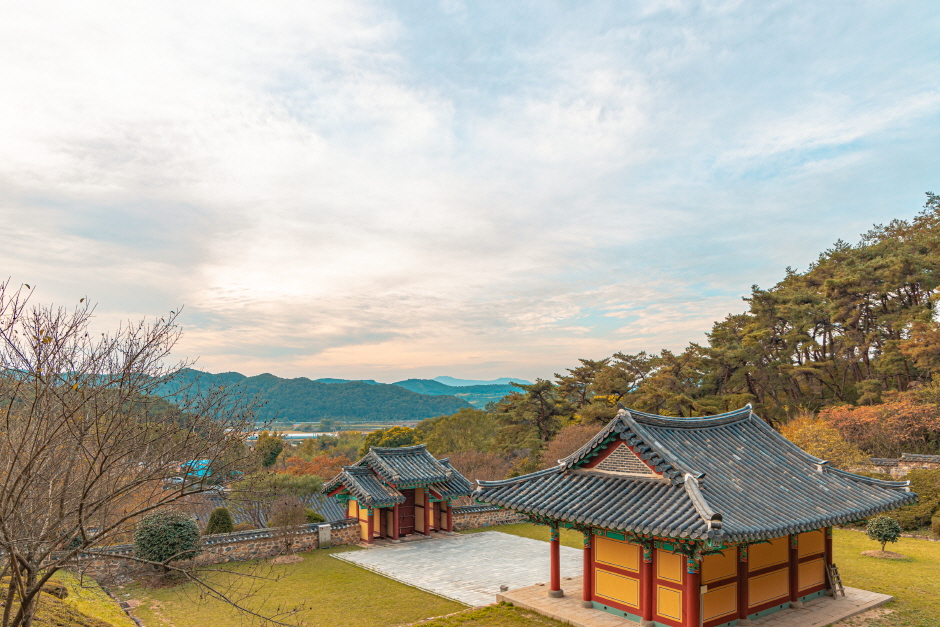
Wolbongseowon Confucian Academy, built in 1578, was established by Kim Gyehwi and other confucian scholars to honor Ki Daeseung's study and virtue through Mangcheonsa Shrine. The location of the academy was moved to its current site in 1646, and the name Wolbong was given by King Hyojong in 1654. In 1671, Bak Sang and Bak Sun's shrines were moved from Deoksansa Shrine by the suggestion of Song Siyeol. Also, Kim Jangsaeng and Kim Jip's shrines were additionally placed in 1673. Unfortunately, the confucian academy was abolished due to the abolition policy of Daewongun in 1868. Later, Bingwoldang Hall was built by Jeollanam-do's Confucian scholars in 1938, followed by Gojiksa Shrine in 1972, Jangpangak Pavilion and Oesammun Gate in 1978, Sau in 1980 and Naesammun Gate in 1981. Bingwoldang is designated as Gwangju Monument No. 9 and woodblocks of Gobongjip are preserved in Jangpangak Pavilion.
Naju National Museum (국립나주박물관)
19.0Km 2022-02-04
747, Gobun-ro, Naju-si, Jeollanam-do
+82-61-330-7800
Naju National Museum displays artifacts found near the Yeongsangang River region and preserves artifacts excavated from throughout the Jeolla region.
While most national museums are found within the city, Naju National Museum is the first national museum to be located in a rural countryside. Its location provides a perfect relaxing atmosphere for visitors to take time and appreciate what the museum has to offer.
Although the museum may be isolated from urban cities, it uses modern technology to provide convenient museum experience. Naju National Museum is the first national museum to integrate NFC features within smart phones with the exhibition guide system for all exhibition halls. This integrated feature acts as a means to provide communication both ways, as visitors can receive information guides and upload them on social media via smart phones.
In addition to the collection of artifacts, the open-type storage rooms and the hands-on activities offered at the experience center provide opportunities to personally witness and experience the process of preservation and storage of cultural assets.
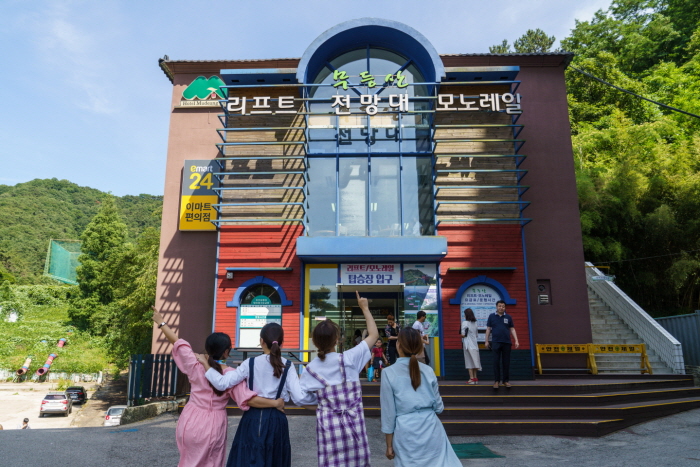
Jisan Recreation Area (지산유원지)
19.1Km 2023-01-25
35-1, Jiho-ro 164beon-gil, Dong-gu, Gwangju
+82-62-221-2760
Jisan Recreation Area reopened around December 2016, resuming monorail operation after 11 years. The unique rattle of a monorail running on one rail gives passengers a thrill. If you ride the monorail, you can see the panoramic view of Gwangju and the top of Mudeungsan Mountain at a glance. The monorail starts on the mountainside, 50 meters away from the end point of the lift, along the forest road, and runs to and from the top of the mountain in Jisan Recreation Area, where the octagonal pavilion is located. After reopening, it became popular among the younger generation through social media and word of mouth as a unique amusement facility where you can enjoy thrills on Mudeungsan Mountain in Gwangju.
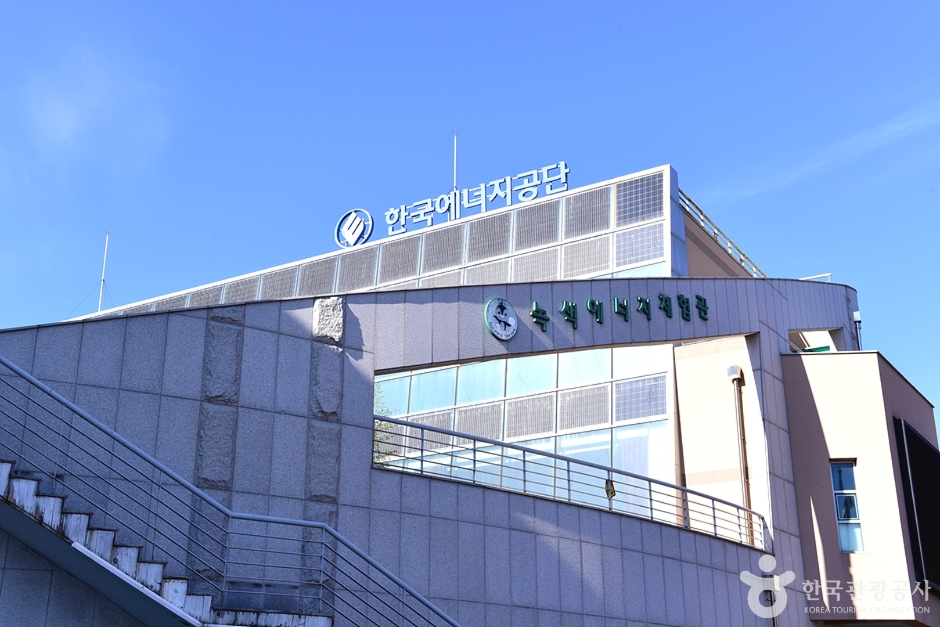
Green Energy Experience Hall Gwangju-Jeonnam Regional Headquarters (녹색에너지체험관 (광주전남지역본부))
19.3Km 2024-02-14
123 Cheomdangwagi-ro, Buk-gu, Gwangju
Green Energy Experience Hall is located within the Gwangju Jeonnam Regional Headquarters of the Korea Energy Agency. Here, visitors can learn about the importance of energy conservation and discover methods to save energy in everyday life. Key facilities include the Green Energy Experience Hall, the Outdoor Experience Hall, and the LED Exhibit Hall. Admission is free, and the center welcomes visitors aged five years and older.
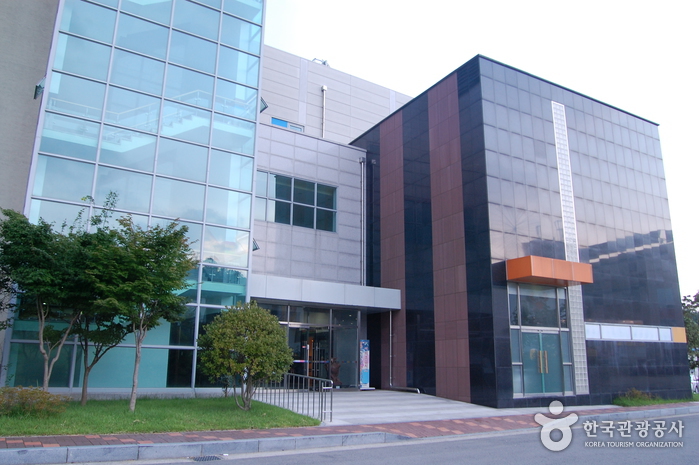
Namdo Folk Food Exhibition Room & Honam Cultural Material Pavilion (남도향토음식박물관·호남문화자료전시관)
19.4Km 2021-11-27
477, Seoljuk-ro, Buk-gu, Gwangju
+82-62-410-6642
Located in Gwangju, the Namdo Folk Food Exhibition Room was established to preserve and promote the local foods of the Namdo region. The museum has a museum shop, both permanent exhibitions and special planned exhibitions, and a studio where visitors can watch a variety of video content related to the local foods. In the Honam Cultural Material Pavilion, literature, clothing, and artwork from the region are on display.
The museum building was designed to resemble both the long, rectangular presses used to make patterned rice cakes and the Ipseokdae Rock of Mudeungsan Mountain, a symbol of Gwangju. Even the colors of the building’s walls hold special significance. The obangsaek (five colors; blue, white, red, black, and yellow) symbolize the cardinal directions, the seasons, the major organs in the body, different tastes, feelings, and philosophy.
 English
 한국어
한국어 日本語
日本語 中文(简体)
 Deutsch
 Français
 Español
 Русский


