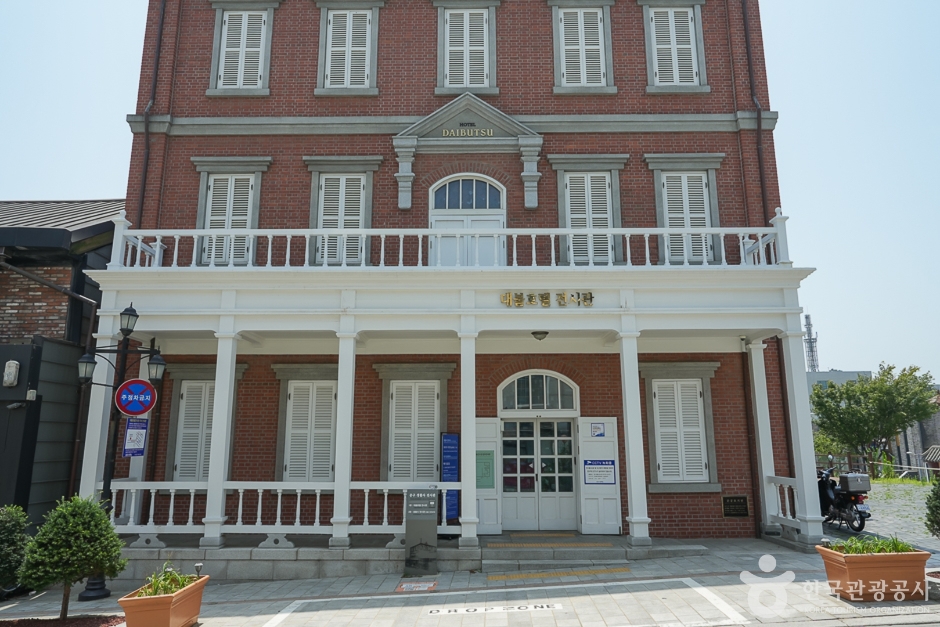
Daebul Hotel Exhibition Hall (대불호텔전시관)
13.4Km 2025-10-23
101 Sinpo-ro 23beon-gil, Jung-gu, Incheon
This museum is located on the site of Daebul Hotel, Korea's first Western-style hotel, established in 1889. The hotel was demolished in 1978, but parts of the hotel structure were discovered in 2011 and rebuilt to preserve the hotel's original appearance. The first floor is the Daebul Hotel Exhibition Hall, through which visitors can see traces of Daebul Hotel at the time. The second floor is the Jung-gu Life History Museum, where visitors can get a glimpse of life in Incheon's Jung-gu area in the 1960s and 1970s.
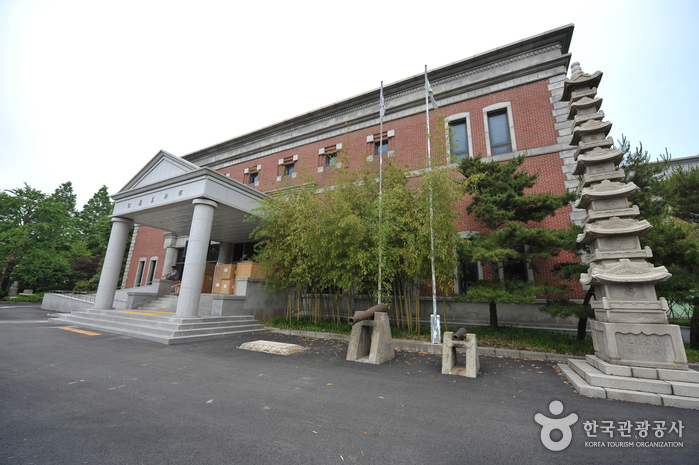
Songam Art Museum (송암미술관)
13.4Km 2025-01-13
68, Biryu-daero 55beon-gil, Nam-gu, Incheon
+82-32-440-6770
With a scenic view overlooking the West Sea, Songam Art Museum is a French-style building located along the coastal road at the foot of Cheongnyangsan Mountain in Incheon.
The gallery was built to house a private collection of antiques collected by the late Chairman Lee Hoerim. The gallery, together with all its relics and real-estate, was later donated to Incheon Metropolitan City and introduced as Songam Art Museum.
Even before being donated, the gallery has been making contributions to the progress of research regarding the art and culture of Korea and China by displaying both Korean and Chinese antiques related to Korean culture. After its renovation and conversion into a museum, Songam Art Museum added a repository of Korean paintings and ceramic wares. Through continuous investment and research work, the museum is now a cultural space well-appreciated by citizens and tourists alike.
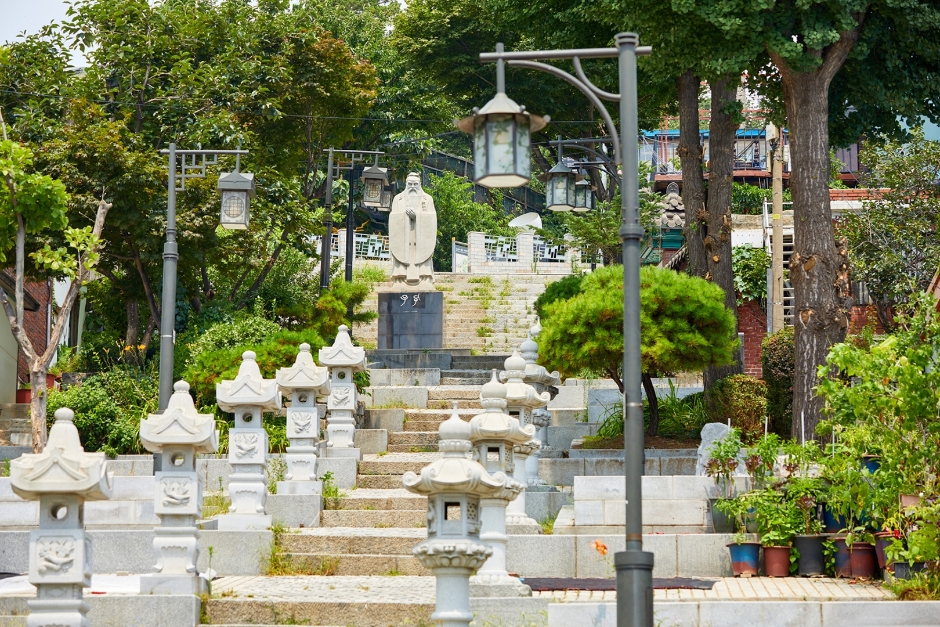
Cheongil Jogyeji Stairway (청일조계지 경계 계단)
13.4Km 2025-05-20
Seollin-dong, Jung-gu, Incheon
The border stairs of the Sino-Japanese Concession (an exclusive residential area set up for foreigners to live freely in ports opened for foreign trade) are located on a steep hill southwest of Jayu Park. It is a meaningful attraction with a history of about 120 years. The concession areas are divided into the Qing Dynasty concession on the left and the Japanese concession on the right with the stone stairs in the center. The buildings on the left and right clearly show each country's architectural styles and characteristics of the past.
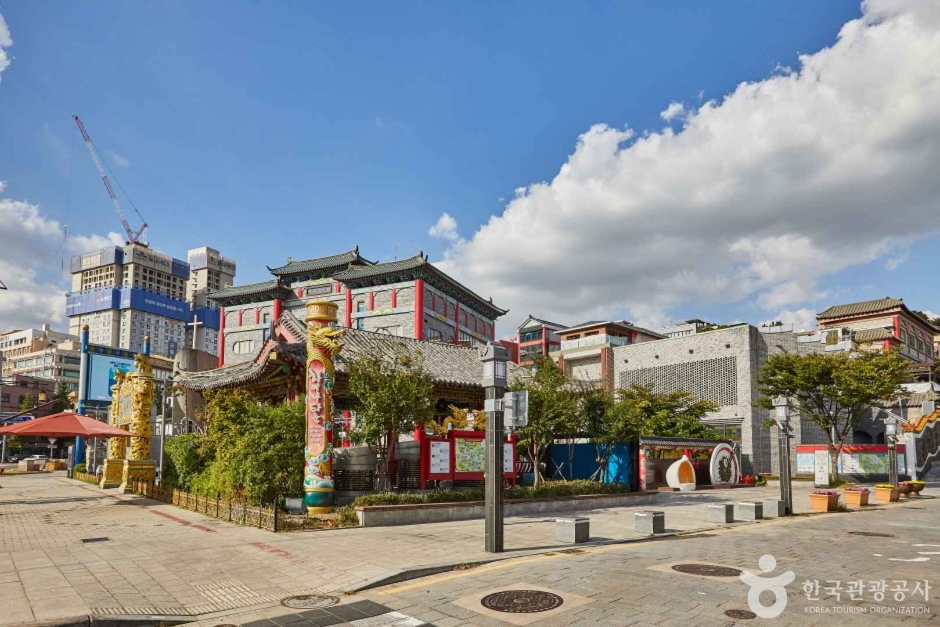
Incheon Chinatown (인천 차이나타운)
13.5Km 2025-10-23
20 Chinatown-ro 59beon-gil, Jung-gu, Incheon
Incheon's Chinatown came into being with the opening of Incheon Port in 1883 and Incheon's designation as an extraterritoriality of the Ching dynasty in the following year. In the past, the area held many stores trading goods imported from China, but currently most Chinese businesses in the area are restaurants. Today, the residents of Chinatown are mostly 2nd or 3rd generation Chinese, descendents of the early Chinese settlers. The area harbors many of the flavors of China, while the traditional culture of the first generation is preserved.
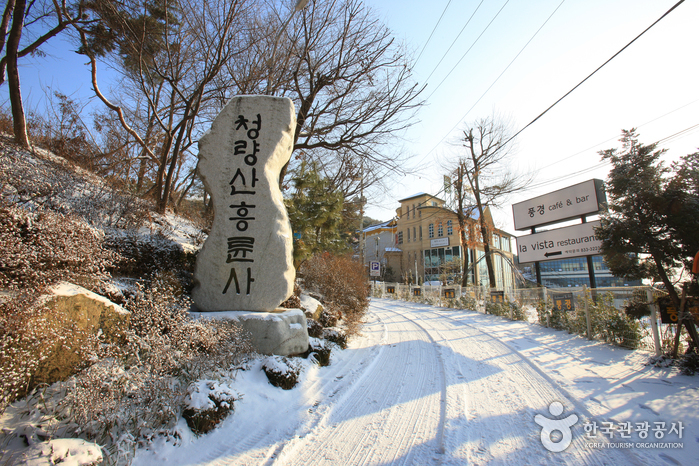
Heungnyunsa Temple (Incheon) (흥륜사(인천))
13.5Km 2024-03-07
40-18 Cheongnyang-ro 70beon-gil, Yeonsu-gu, Incheon
+82-32-832-1133
Heungnyunsa Temple is a temple located on Cheongnyangsan Mountain in Incheon. Although originally built in 1376, it was destroyed by fire and reconstruction began in 1927. The temple's buildings and sculptures are adorned with elaborate gold paint, lending them a splendid appearance. The temple's bell is also gilded, and its 40-meter-high Great bronze Buddha pagoda shines in gold. Heungnyunsa Temple is also renowned for its panoramic views and sunsets. Visitors can overlook the direction of Songdo in Incheon and even catch a glimpse of the distant Incheondaegyo Bridge spanning over the sea.
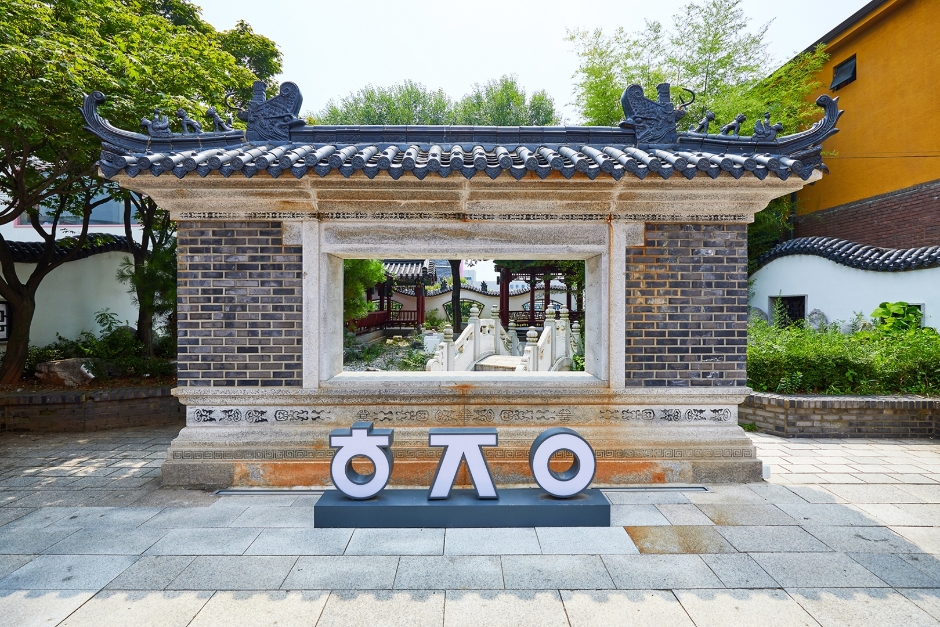
Hanjungwon (한중원)
13.5Km 2024-01-04
12 Chinatown-ro 59beon-gil, Jung-gu, Incheon
Hanjungwon is a Chinese-style garden built to commemorate the establishment of diplomatic relations between Korea and China, making it a great place to rest after looking around Chinatown. It was created with the motif of the garden style of the Suzhou region in the mid and late Qing Dynasty. Plants native to China are planted, such as bamboo, roses, and peonies, giving it an exotic atmosphere. There are human figures wearing traditional Chinese costumes on both sides of the entrance, making it a famous photo zone.
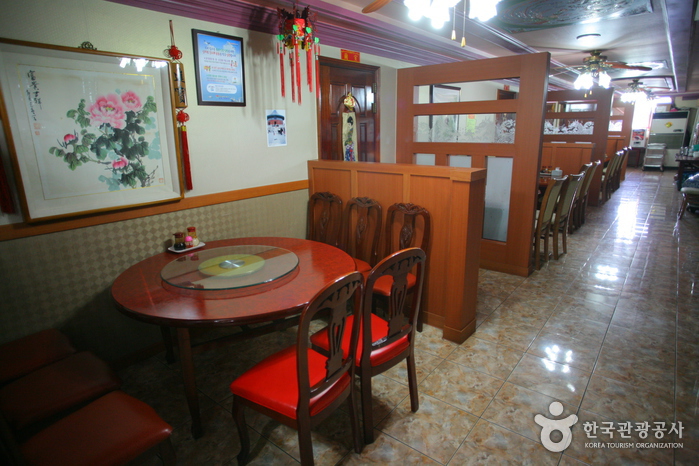
Taehwawon (태화원)
13.5Km 2024-12-02
10 Chinatown-ro 59beon-gil, Jung-gu, Incheon
Now in its third generation, this Korean-Chinese restaurant, established in 1926, is one of the earliest in Incheon Chinatown and is renowned for preserving traditional flavors. Its signature Incheon Hyangto Jjajang (Incheon-style black bean sauce noodles) is crafted with the restaurant's own chunjang and seasonal ingredients, offering a richer, deeper taste than jjajangmyeon made with store-bought sauce. The restaurant also offers a vegetarian menu.

World Cup Park (월드컵공원)
13.5Km 2024-10-23
243-60 World Cup-ro, Mapo-gu, Seoul
Opened on May 1st, 2002, the Wolrd Cup Park was once a 15-year-old landfill that held over 92 million tons of garbage. The park is located near Seoul World Cup Stadium, and is made up of five smaller parks - Pyeonghwa (Peace) Park, Haneul (Sky) Park, Noeul (Sunset) Park, Nanjicheon Park, and Nanji Hangang Park.
* Pyeonghwa Park: Closest to Seoul World Cup Stadium, it holds a pond, garden, children’s playground, and forest. As a representative park of World Cup Park, the park was designed in hopes of peace and harmony between mankind and nature. It is often used as a picnic area and place for nature studies.
* Nanji Hangang Park: Nanji Hangang Park was developed on the banks of the Hangang River. In contrast to other Hangang River parks, Nanji Hangang Park is a water-friendly park that has a gradual slope towards the riverbank. The park consists of a camping ground, soccer field, basketball court, grass field, cruise ship port, and an area for nature studies.
* Haneul Park: Haneul Park consists of vast grassland located at the highest elevation of the five parks. The park's pasture is covered with eulalias and wild flowers in their most natural state. In addition, 30,000 butterflies of different species were introduced in 2000 to stabilize the ecosystem. Five wind-powered generators provide power to the park and the park’s maintenance office. Once a mountain of garbage, it is now a green hill with 22 lookout points offering breathtaking views of Seoul, including the N Seoul Tower, Bukhansan Mountain, and Hangang River. Tall trees are line the park to provide shades and serve as resting spots for visitors. As a popular spot to enjoy the sight of eulalias, the park usually remains open until late in the evening during the Eulalia Festival period.
* Noeul Park: In order to prevent the vast area of land of what was once a wasteland from becoming an unnecessary chunk of land, a nine-hole golf course was constructed in what is now known as Noeul Park. The golf course serves as an environment friendly entertainment park to visitors while stabilizing the geographical formation and has an urban park nearby that offers scenic views of the Hangang River and beautiful sunset. Located west of the golf park is Noeul Square, decorated with shrubs and flowers.
* Nanjicheon Park: Nanjicheon Park was developed from the Nanji Stream, which flowed under Haneul Park. It was once overflowing with sewage runoff from a nearby landfill, but it has since been beautifully restored into a park with clear water. The park is built to serve as a recreational spot for those with for youths, elders, and people with disabilities.
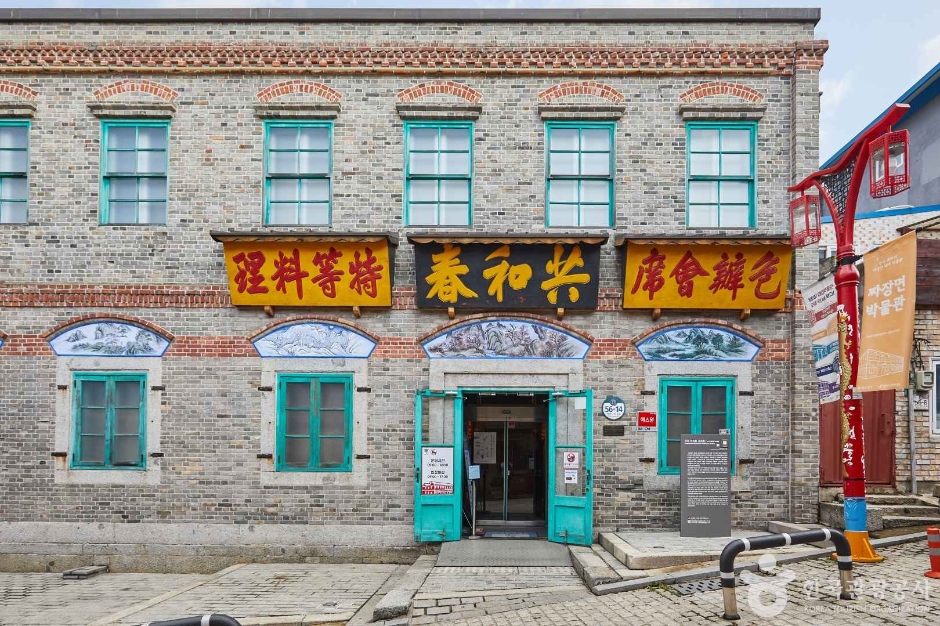
Jjajangmyeon Museum (짜장면박물관)
13.5Km 2024-12-23
56-14 Chinatown-ro, Jung-gu, Incheon
Jjajangmyeon Museum is built in the former building of Gonghwachun, the official birthplace of jjajangmyeon, a food people of all ages love. Gonghwachun operated in this old-fashioned brick building until 1983, and the building was renovated as Jjajangmyeon Museum. It is the first jjajangmyeon-themed museum in Korea and consists of six permanent exhibition rooms and one special exhibition room. Visitors can see the birth and transformation of jjajangmyeon at a glance and the different types and recipes of jjajangmyeon. The special exhibition room presents exhibitions on a variety of topics every year. The reproduction of Gonghwachun’s original reception room and kitchen as well as the exhibition of how the metal delivery box changed over the years are also interesting.
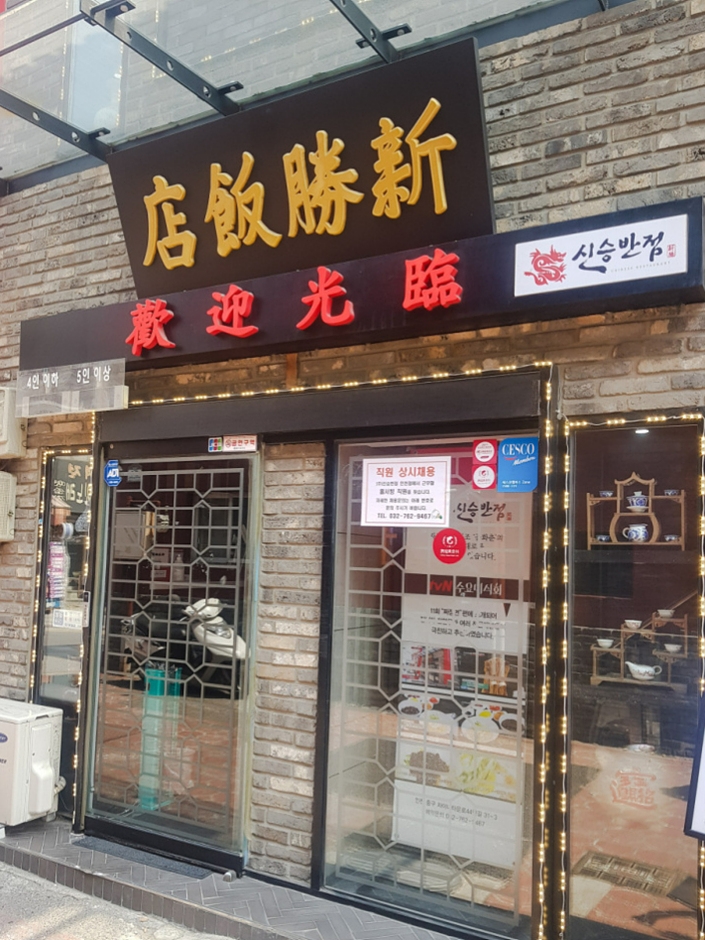
Sinseung Banjeom (신승반점)
13.5Km 2024-12-19
인천광역시 중구 차이나타운로44번길 31-3
This restaurant, run by the granddaughter of Gonghwachun’s founder Woo Hee-gwang, is best known for its signature yuni-jjajang—a sweet, savory sauce made with minced meat and vegetables, served separately from the noodles, similar to ganjjajang, and topped with a sunny-side-up fried egg. Other popular dishes include the chewy chapssal tangsuyuk (deep-fried pork in a sweet rice batter with sweet and sour sauce) and the samseon haemul nurungjitang (a three-delicacy sizzling rice soup with seafood).4
 English
 한국어
한국어 日本語
日本語 中文(简体)
 Deutsch
 Français
 Español
 Русский


