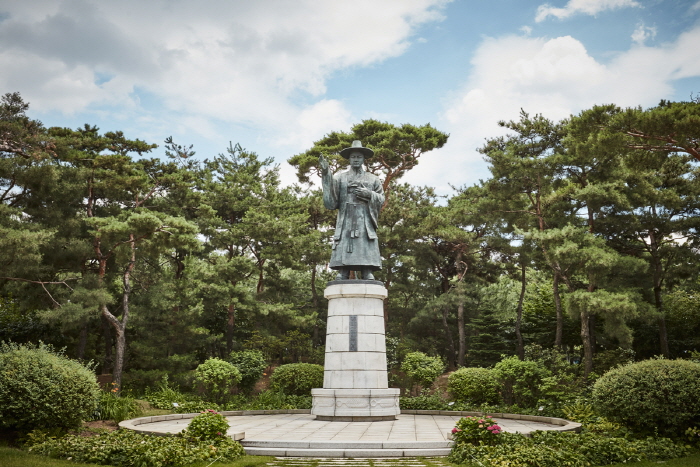
Jeoldusan Martyrs' Shrine (절두산순교성지)
13.2Km 2024-03-12
6 Tojeong-ro, Mapo-gu, Seoul
Jeoldusan Martyrs' Shrine is the site where many Catholic believers were executed in 1866 due to persecution. In commemoration of the 100th anniversary of the martyrdom, the Korean Catholic Church opened the Memorial Hall in October 1967, exhibiting materials, relics, and souvenirs related to the Korean Catholic Church and operating a museum. Pope Johannes Paulus II visited the site in 1984, and Mother Teresa visited in 1985.
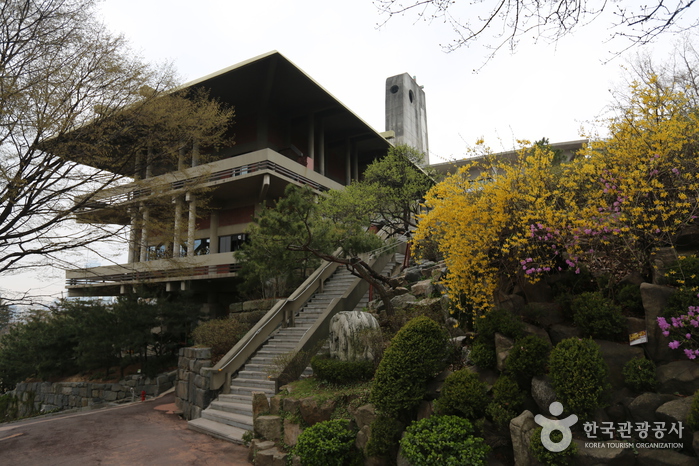
Korean Martyrs' Museum (한국천주교순교자박물관)
13.2Km 2023-01-03
6, Tojeong-ro, Mapo-gu, Seoul
Korean Martyrs’ Museum was opened in October of 1967 as Jeoldusan Martyrs' Shrine, in memory of the Catholic martyrs who lost their lives during the Byeongin Persecution of 1866. The name of the museum changed to the current Korean Martyrs' Museum in August 2008. The museum displays artifacts and materials in exhibitions related to the Catholic Bishops' Conference of Korea.
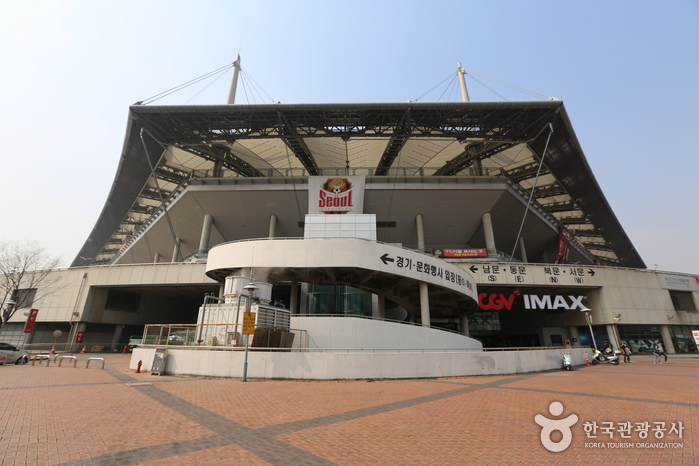
Seoul World Cup Stadium (서울월드컵경기장)
13.2Km 2025-03-15
240 World Cup-ro, Mapo-gu, Seoul
Seoul World Cup Stadium, constructed for the 2002 World Cup co-hosted by South Korea and Japan, stands as the largest soccer-specific stadium in Korea. Currently serving as the home ground for FC Seoul's K-League , it also hosts matches for the South Korean national soccer team. The vicinity boasts large-scale supermarkets, cinemas, sports centers, and saunas. Nearby attractions include Haneul Park and Pyeonghwa Park.

YH Korea Inc. (와이에이치코리아 주식회사)
13.2Km 2025-10-23
#2211, Cheongna Cube Signature 1st Officetel, 10 Cheongna hannae-ro 100beon-gil, Seo-gu, Incheon
KanHair supports Japanese clients in receiving hair transplantation procedures in Korea with peace of mind.
Through our entities in both Japan and Korea, we handle the entire process—from consultation reservations, treatment planning, and document guidance before departure, to full assistance during the client’s stay in Korea, including hospital accompaniment, professional interpretation, and airport/hotel transfers. We also provide aftercare and follow-up consultations, ensuring support from start to finish.
Mangwon Market (망원시장)
13.2Km 2025-07-11
27 Poeun-ro 6-gil, Mapo-gu, Seoul
Mangwon Market is one of the representative traditional markets of Seoul. Its proximity to both Mangnidan Street and Hangang Park makes it a great place to do some shopping in preparation for a riverside picnic. The market isn’t very large, but it is packed with delicious treats. One can find classics like the deep-fried and braised chicken, braised pigs' feet, crispy deep-fried green chili pepper, and other snack fare there, along with stores offering food and lifestyle items for some browsing.
Neulsolgil Park (늘솔길공원)
13.3Km 2024-11-08
771 Aenggogae-ro, Namdong-gu, Incheon
Neulsolgil Park, nestled in Nonhyeon-dong, Incheon, is a park designed with nature in mind. The creation of the park focused on preserving the existing forest as much as possible, resulting in a diverse array of forest trails that lead visitors through cypress, metasequoia, ginkgo, and katsura forests. Additionally, the park offers a variety of amenities and playgrounds. Features include a sheep farm, a rose garden, and a forest playground, making it a versatile destination that caters to visitors of all ages.
Wolgot Harbor (월곶포구)
13.3Km 2025-05-08
Wolgot-dong, Siheung-si, Gyeonggi-do
"Got" in the name of Wolgot means peninsula and the area was considered an important strategic point during the Joseon dynasty. In 1991 a land reclaimation project succeeded in creating a new recreation site. Now there are many seafood restaurants, various auxiliary facilities, and an amusement park that rest on reclaimed land. Because the inlet is located on the west coast where the difference in the water level between high and low tide is great, fishing boats avoid the area during the shifting tides. But, whenever the boats return, visitors can enjoy fresh sushi and other seafood. The Marine World facilities have authentic European-style restaurants, an outdoor seawater pool that can be used free of charge, and a barbecue facility along with other amenities.
Yeouido Park (여의도공원)
13.4Km 2024-04-08
68, Yeouigongwon-ro, Yeongdeungpo-gu, Seoul
Yeouido Park is a large recreational area located on Yeouido Island in the central part of Seoul. It was once originally covered with black asphalt, and people frequented the place for bicycling and roller-skating. The construction began in 1997 and opened officially in February 1999. It is now the place where many people in the city come to rest and enjoy strolling around, playing sports, and cultural events.
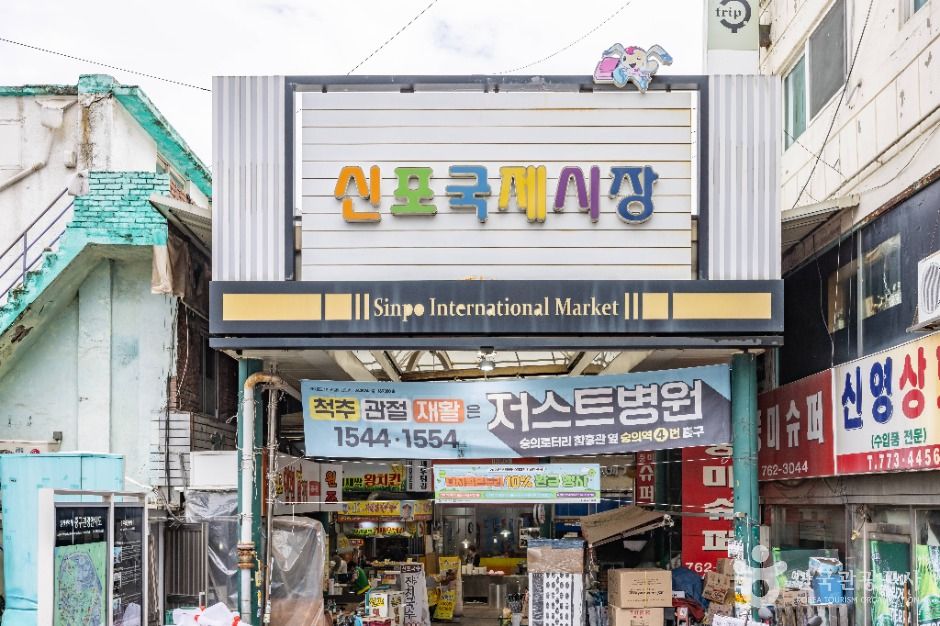
Sinpo International Market (신포국제시장)
13.4Km 2025-10-23
11-5 Uhyeon-ro 49beon-gil, Jung-gu, Incheon
Located in Sinpo-dong, Incheon, Sinpo Market dates back to the late 19th century when vendors began selling fresh vegetables to the Japanese, Chinese, and Westerners who settled in the area. Sinpo Market was officially registered as a market in 1970 and now boasts over 140 stores.
An increasing number of tourists and international merchants have visited Incheon by ferries and cruise ships, turning the local market into an international shopping area over the past few decades. The information desk and office at the market even provide a variety of services (translation services, trade and shopping information, etc.) for tourists and merchants from home and abroad.
The most famous item of the market is dakgangjeong, a Korean dish of crispy fried chicken coated in a sweet and spicy sauce. Other popular dishes include yuni jjajang, egg tart, freshwater fish jeon, mandu, and jjolmyeon (chewy noodles).
Inha University Hospital (인하대학교의과대학부속병원)
13.4Km 2025-10-23
27 Inhang-ro, Jung-gu, Incheon
Since its opening in 1996, Inha University Hospital has been a cornerstone of the medical system in the Incheon region, playing a significant role in advancing healthcare in Korea. Our hospital is dedicated to meeting the diverse needs of the local community and patients from various nationalities by creating a safe, patient-centered environment. In response to the evolving medical landscape, we are embracing digital transformation in the era of the 4th Industrial Revolution and undertaking public health initiatives comparable to those of national university hospitals. With a strong foundation in cancer surgery, complex procedures, robotic surgery, and comprehensive health checkups, Inha University Hospital is committed to fostering a patient-centered culture. Guided by our core values of "communication" and "innovation," we strive to deliver high-quality care with a global perspective, ensuring that our services continue to meet international standards.
 English
 한국어
한국어 日本語
日本語 中文(简体)
 Deutsch
 Français
 Español
 Русский


