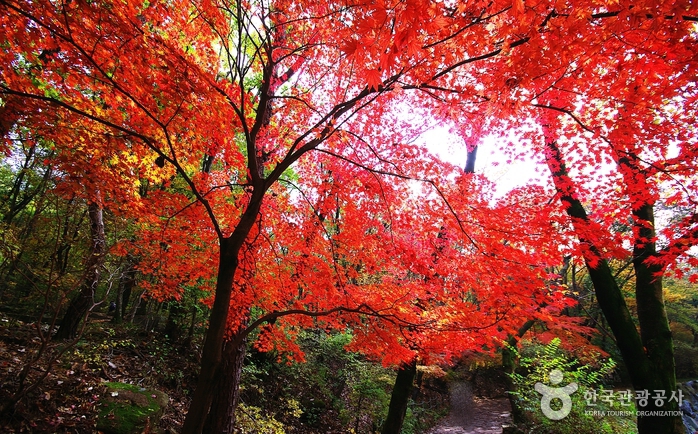
Gwanaksan Mountain (관악산)
17.0Km 2023-01-02
Gwanak-ro, Gwanak-gu, Seoul
Reaching 632.2 meters in x_height, Gwanaksan Mountain is the symbol and pride of Gwanak-gu district in Seoul. Most of the cultural heritage of the district originates from Gwanaksan Mountain. Since it was designated as a city natural park in 1968, it has continued to serve as a favorite place for relaxation and excursion for Seoul citizens. The various rocky peaks and the deep valleys give the mountain a rugged feel. The mountain's size and close proximity to Seoul make it easy for Seoul residents to make a day trip.
In the spring, cherry blossoms are in full bloom near the entrance to the mountain, and a Rhododendron Festival is held when the rhododendrons are in full bloom. At the mountain's summit are Wongaksa Temple and Yeonjuam Hermitage, which were built by Taejo Yi Seong-gye (the founder of the Joseon dynasty) to ward off misfortune when he decided to move the capital to Seoul. There are also other temples and hermitages, and a ground radar observation post. Yeonjudae Hermitage, located atop a cliff, is where all the hiking trails of Gwanaksan Mountain meet.
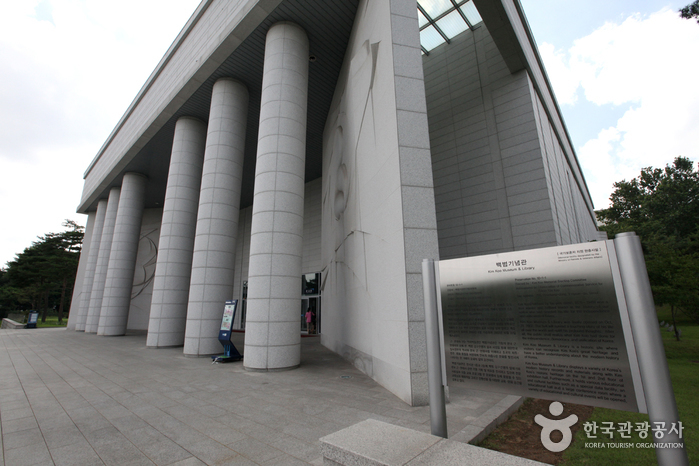
Kim Koo Museum & Library (백범김구기념관)
17.0Km 2022-08-30
26, Imjeong-ro, Yongsan-gu, Seoul
Kim Koo Museum & Library was built in Yongsan-gu, Seoul to commemorate Baekbeom Kim Koo (1876-1949), a highly respected Korean independence activist. It opened on October 22, 2002 to commemorate Kim Koo's efforts and achievements in Korean history. The main hall is comprised of two floors, exhibiting relics related to his entire life. A statue of a seated Kim Koo is situated in the central space of the first hall.
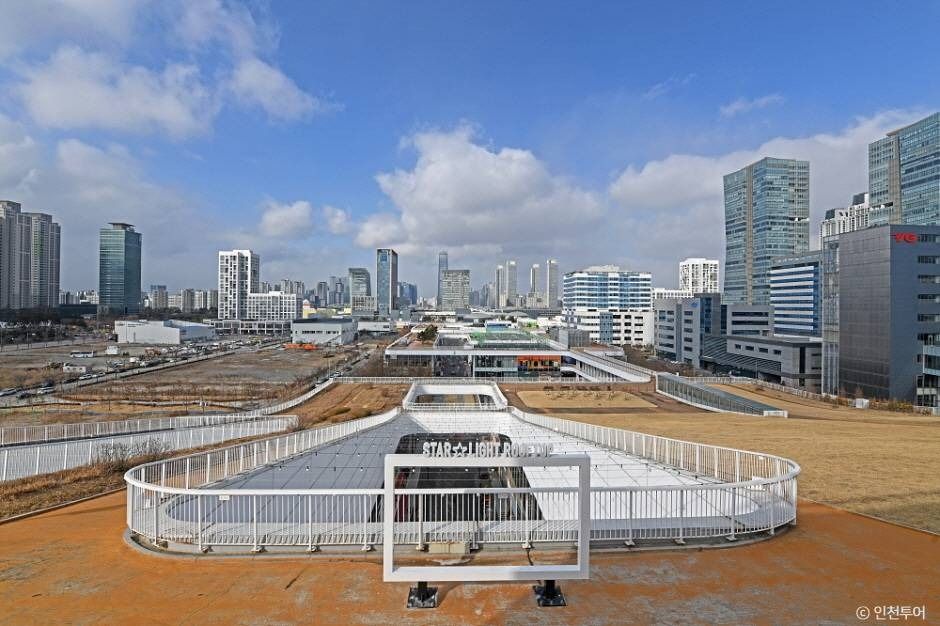
Triple Street (트리플스트리트)
17.0Km 2025-10-23
33-3 Songdogwahak-ro 16beon-gil, Yeonsu-gu, Incheon
This street shows off 365 days of new trends and styles making it a must-visit spot. It is a multicultural complex and a playground in the city for people of all ages to enjoy experiences, things to see, as well as feast on. Spend a packed day of exploring with family, friends, or lovers.
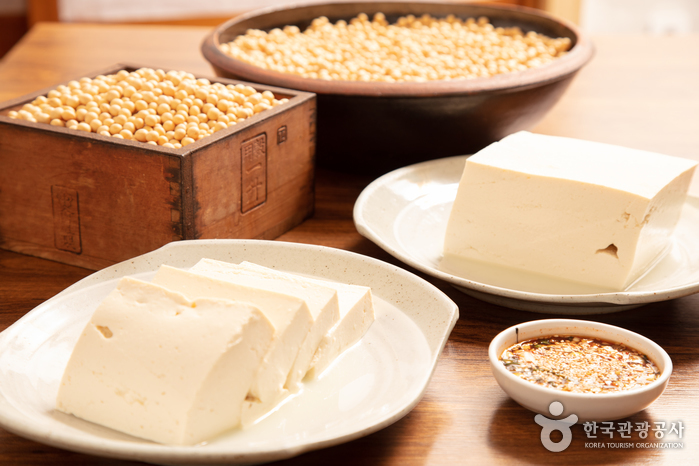
Hwanggeum Kongbat (황금콩밭)
17.0Km 2025-10-31
9 Mapo-daero 16-gil, Mapo-gu, Seoul
Hwanggeum Kongbat specializes in bean curd, using 100% Korean-grown soybeans and salt to make their bean curd fresh daily. The restaurant is famous for their method of making a bean curd that is smooth and maintains the nutty yet sweet flavor of the soybeans.

SEVEN LUCK CASINO - Seoul Dragon City Branch (세븐럭카지노(서울드래곤시티점))
17.0Km 2023-07-21
95, Cheongpa-ro 20-gil, Yongsan-gu, Seoul
A special experience at the center of Seoul
Seven Luck Casino in Seoul Dragon City is located in Yongsan, Seoul, the center of Korean tradition and culture. This casino branch presents a grand x_height and wide space, decorated with a sensual interior design for elegance and comfort on a site of 3,146.96 m2. It is full of up-to-date casino facilities, such as Baccarat, Blackjack, Roulette, Tai-Sai, Seven Luck Poker, Casino War, Electronic Table Games (ETG), and slot machines. There are many famous hotels, tourist sites, and cultural heritage sites nearby Seven Luck Casino in Seoul Dragon City. Besides the casino, visitors can experience various traditional and contemporary cultures of South Korea.
* Seven Luck Casino is exclusively for the use of foreigners.
* Must be 19 years of age or older to enter.
* Passports are required to verify the age and nationality of patrons.
* Metal detectors are used as an added safety precaution.
Songdo ConvensiA (송도컨벤시아)
17.0Km 2024-03-29
123, Central-ro, Yeonsu-gu, Incheon
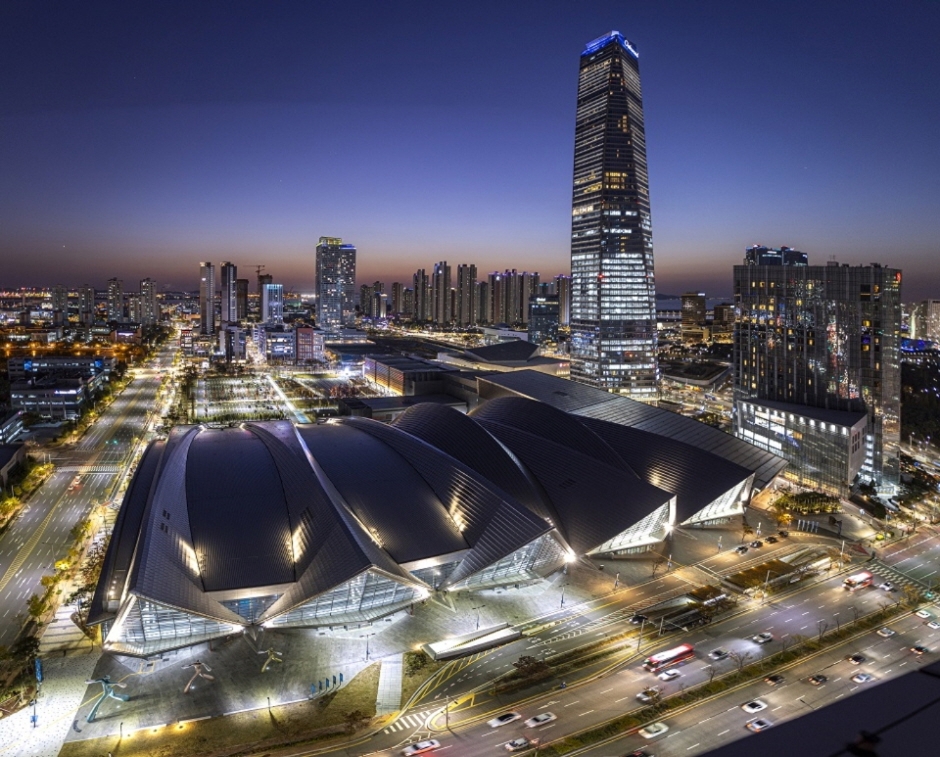
Songdo ConvensiA, located in international conference complex in the center of Songdo City, is an international exhibition and convention center that takes 20 minutes from Incheon International Airport and 50 minutes from Seoul. It is the ideal venue for MICE, with an exhibition hall that can accommodate up to 900 booths, 20,000 people, 2 ballrooms that can accommodate 3,000 people, and a total of 35 small to mid-size meeting rooms.
Equipped with shopping infrastructure featuring 7 five-star hotels, Central Park, Incheon Art Center, Tri-Bowl and Triple Street, all within walking distance, Songdo ConvensiA is famous for its unique design. It is a feature-oriented convention center based on eco-friendly facilities and a advanced smart MICE system.
Okgu Park (옥구공원)
17.1Km 2024-02-21
277 Seohaean-ro, Siheung-si, Gyeonggi-do
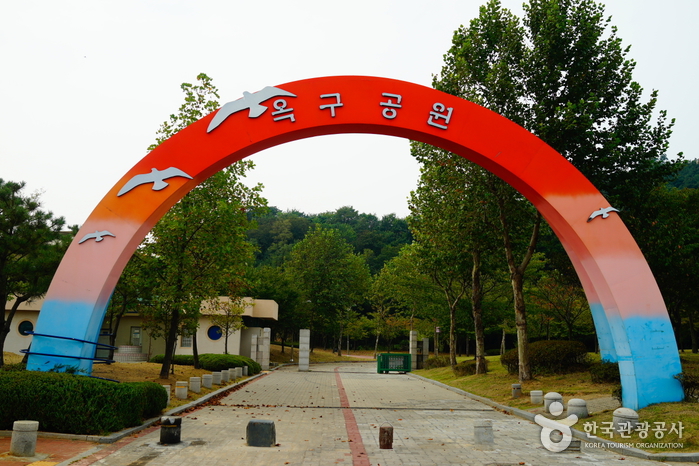
Okgu Park, situated near Oido Island and elevated at 93 meters, boasts a picturesque landscape adorned with sculptures, making it an ideal location for photography enthusiasts. The park features multiple attractions including a concert hall, a fountain square, and a captivating rose garden. In autumn, visitors can relish the beauty of the silver grass hill. Upon reaching the park's summit, breathtaking views of the sea await. Additionally, during the summer months, a water playground offers refreshing entertainment for visitors.
Songdo Central Park (송도 센트럴파크)
17.1Km 2025-10-23
160 Convensia-daero, Yeonsu-gu, Incheon
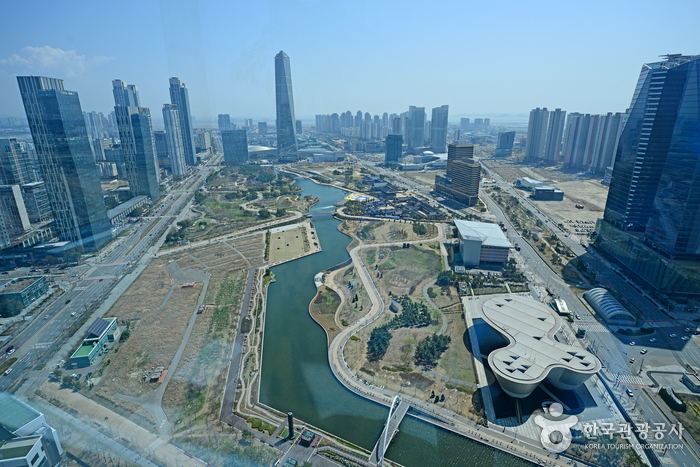
Songdo is a man-made island that presents a futuristic image with buildings that can be considered works of art. Located within this glittering city is Songdo Central Park, the first seawater park in the nation. The park provides visitors with various water activities including a water taxi, canoeing, and more. Visitors can also enjoy culture and arts throughout the park. At night, the Sonhwajeong Pavilion and the moon above seen from the walking trail create a picturesque scene.
National Museum of World Writing Systems (국립세계문자박물관)
17.1Km 2025-10-23
217 Central-ro, Yeonsu-gu, Incheon
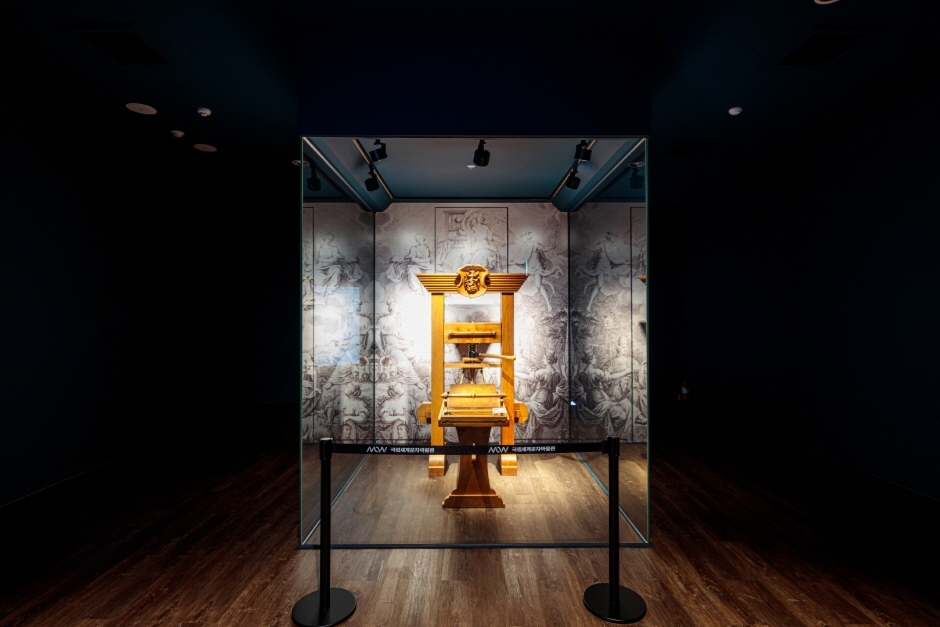
The National Museum of World Writing Systems is the third museum in the world to specialize in writing systems, following the Champollion Museum in France and the National Museum of Chinese Writing. The museum collects and researches new and important information from the stories contained in scripts, and conducts exhibitions and education based on this. By doing so, it shares the historical value of world scripts and provides content that allows visitors to experience the diversity of culture through scripts. From the first written script of mankind to the "Hangeul," Korean alphabet, it tells the story of the birth, development, and future of the characters that have led the development of human civilization.
Bongwonsa Temple (봉원사)
17.1Km 2023-03-13
120, Bongwonsa-gil, Seodaemun-gu, Seoul
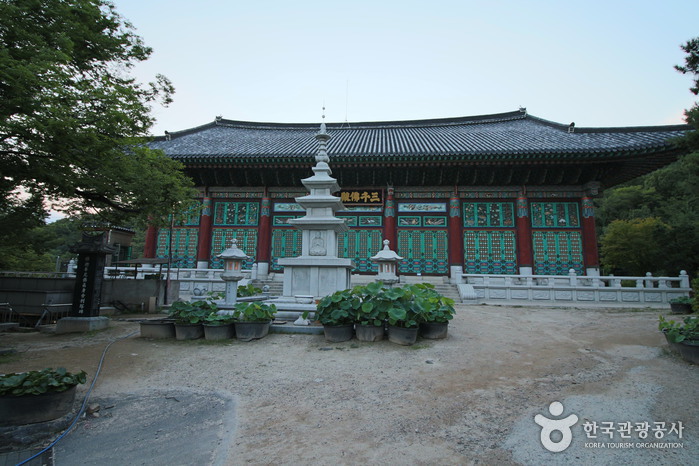
Located on the outskirts of Ansan Mountain in Bongwon-dong, Seodaemun-gu, Seoul, Bongwonsa Temple, as the center of Korean Buddhism Taego, is a thousand-year-old temple with a long history and tradition. In 889 (3rd year of Shilla Queen Jinseong’s reign), Monk Doseon founded it at the ground of Yeonhui Palace (now Yonsei Univ.) and named it Banyasa temple. It was destroyed during the Imjin War in 1592, and later in 1748 (the 24th year of Joseon King Yeongjo’s reign), it was rebuilt and renamed “Bongwonsa” by two Buddhist monks, Chanjeup and Jeungam.
“Yeongsanjae,” one of the Buddhist rituals and also a National Intangible Cultural Property, takes place at Bongwonsa on June 6 every year wishing for world peace and the reunification of North and South Korea. It was designated as one of the Intangible Cultural Heritage of Humanity by UNESCO in 2009. During Yeongsanjae, visitors can enjoy the Buddhist arts such as Beompae (Buddhist temple music for rituals) and dancing. Also, during summertime, Seoul Lotus Flower Culture Festival takes place, where visitors can enjoy the beautiful lotus flowers which are a symbol of Buddhism.
 English
 한국어
한국어 日本語
日本語 中文(简体)
 Deutsch
 Français
 Español
 Русский


