
Itaewon Special Tourist Zone (이태원 관광특구)
19.9Km 2024-11-27
196 Itaewon-ro, Yongsan-gu, Seoul
Itaewon was the first special tourist zone in Seoul, designated in 1997. It is a multicultural place where over 20,000 foreigners live and is widely recognized by international visitors.
The name Itaewon started to spread worldwide in the 1980s when Korea hosted the 1986 Seoul Asian Games and the 1988 Seoul Olympic Games, as well as many international conferences. Since then, Itaewon has become a popular travel destination. Clothes and accessories with unique designs, and leather products in particular are famous. This is a go-to place for both shopping and entertainment. The street is crowded with shops selling clothes and bags, as well as hotels, restaurants, entertainment facilities and travel agencies. With about 2,000 shops and stores lining every street, visitors can experience a multicultural atmosphere. Also famous in the district is Antique Furniture Street where more than 100 shops selling furniture and antiques stretch from Hamilton Hotel toward Bogwang-ro.
Travelers can taste authentic cuisine and experience culture from around the globe on World Food Street where there are 40 restaurants operated by foreigners. Since the late 1990s, an increase in the number of tourists from Southeast Asia and the Middle East has transformed the streets from being US Army-oriented into culturally diverse. Various performances and events are held in the area. In particular, Itaewon Global Village Festival, held every October, is a famous festival. Tourists can pay in US dollars, Japanese yen, or another currency freely. In addition, visitors can use various languages like English, Japanese, and Chinese with the sellers.
Namsan Arts Center (남산예술센터)
19.9Km 2021-08-26
138, Sopa-ro, Jung-gu, Seoul
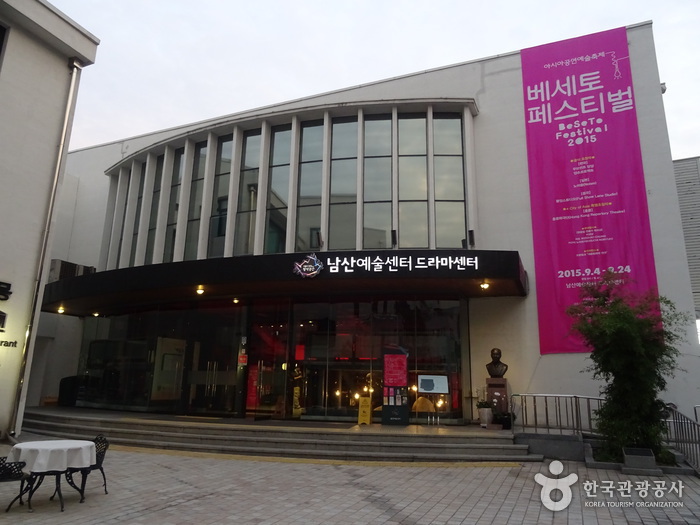
Namsan Arts Center, reopened as a creative space in Seoul in September 2009. It redefined the colors and characteristics of the theater, aiming for a modern theater production center centered on creative premieres, a contemporary performance venue where visitors can feel the pulse of the times, and a theater capable of various experiments.
Namsan Arts Center Drama Center is the first modern folk theater in Korea and the oldest performance hall in which the original architectural form has been preserved. Under the concept of "Contemporary & New Wave," the center continues to produce domestic original plays, and through active exchanges with excellent overseas theaters, build a repertoire of high-quality works that can read domestic and overseas trends, and present contemporary cultural diversity.
Gyeonggi Museum of Modern Art (경기도미술관)
19.9Km 2021-07-03
268, Dongsan-ro, Danwon-gu, Ansan-si, Gyeonggi-do
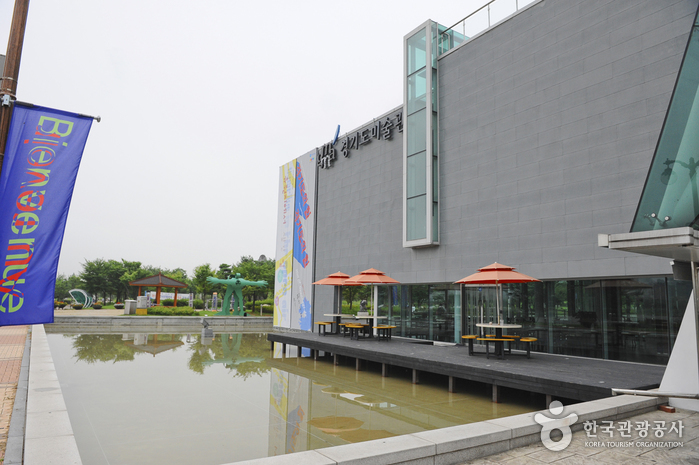
Opened in October of 2006, the Gyeonggi Museum of Modern Art endeavors to observe, reflect and foster contemporary art on a regional and national scale in order to enrich the local community's cultural experience.
Bosingak Belfry (보신각 터)
20.0Km 2024-03-04
54, Jong-ro, Jongno-gu, Seoul
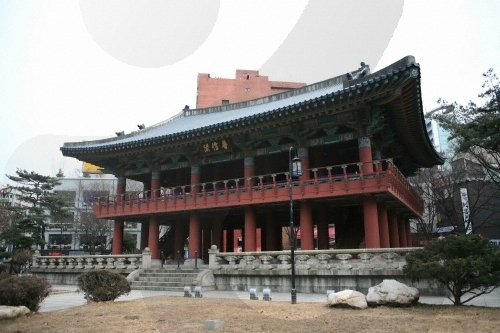
Bosingak Belfry is also known as Jonggak. It was the site in which a large bell, used to keep the time in Seoul, was found during the Joseon period (1392-1897). Bosingak Belfry was burned down during the Korean War (1950-1953) and was reconstructed in 1979. The original bell was moved to the Gyeongbokgung Palace, and a new bell was forged in 1985. At midnight, January 1, the bell at the Bosingak Belfry is rung to welcome the new year. Many people gather around the belfry to make a wish for their new year.
The Hyoosik Nouvelle Seoul Itaewon (더휴식 누베르 서울 이태원점)
20.0Km 2025-04-08
11 Usadan-ro 14-gil, Yongsan-gu, Seoul
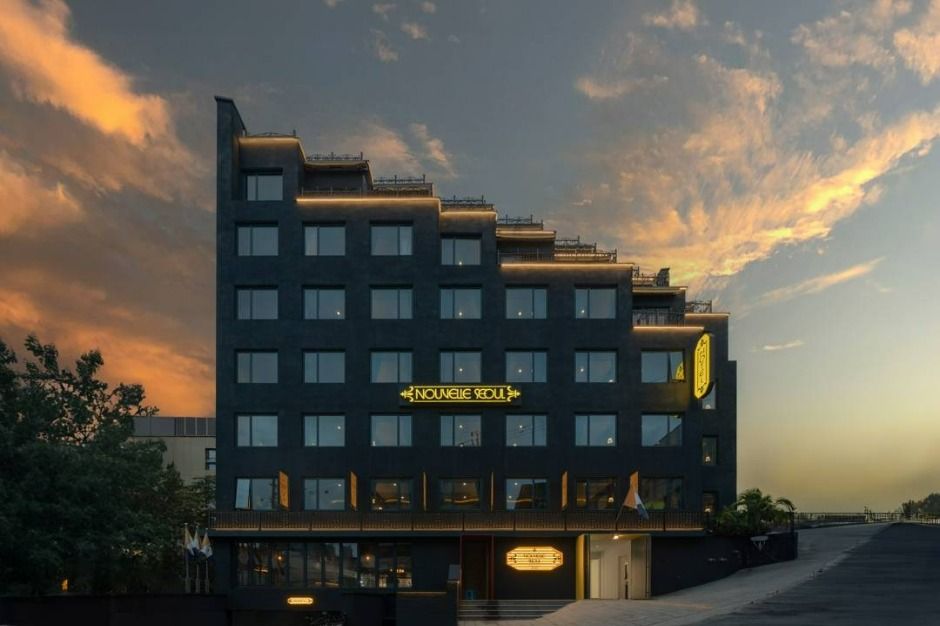
The Hyoosik Nouvelle Seoul Itaewon aims to rediscover Seoul through creativity and inspiration. The overall design of the hotel is inspired by French avant-garde, using a variety of objects and props to create an artistic and stylish atmosphere. The hotel has Collection T room type, a twin bedroom; Collection D room type, a double bedroom; and Collection S room type, a single bedroom. On the first floor of the hotel is a guest lobby and a pasta restaurant. The hotel's parking lot is limited in space, and therefore guests are advised to use a nearby public parking lot.
Jogyesa Temple (조계사(서울))
20.0Km 2024-10-25
55 Ujeongguk-ro, Jongno-gu, Seoul
As the main temple as well as the district head temple of the Jogye order in Seoul, Jogyesa Temple is the center of Korean Buddhism. The temple was built in the late 14th century during the Goryeo period but was completely destroyed in a fire. It was rebuilt under the name of Gakwangsa Temple in 1910 with the effort of many respectful monks, namely Han Yong-un and Lee Hee-gwang. The temple was given a role as the head temple of Korea’s Buddhism and renamed to Tegosa Temple in 1936. In 1954, a purification drive took place to eliminate Japanese influence and revive traditional Buddhism, which established the present day Jogyesa Temple as a result.
Jogyesa Temple plays an important role in Korean Buddhism as the head temple of the Jogye order. Jogyesa Temple’s Dharma Hall serves as the main venue for several Buddhist events, holding rituals, lectures, ceremonies, and other events all year long. The annual lantern festival in celebration of Buddha's birthday also takes place at this temple.
 English
 한국어
한국어 日本語
日本語 中文(简体)
 Deutsch
 Français
 Español
 Русский


