Mugaksa Temple (무각사)
16.2Km 2025-08-18
230, Uncheon-ro, Seo-gu, Gwangju
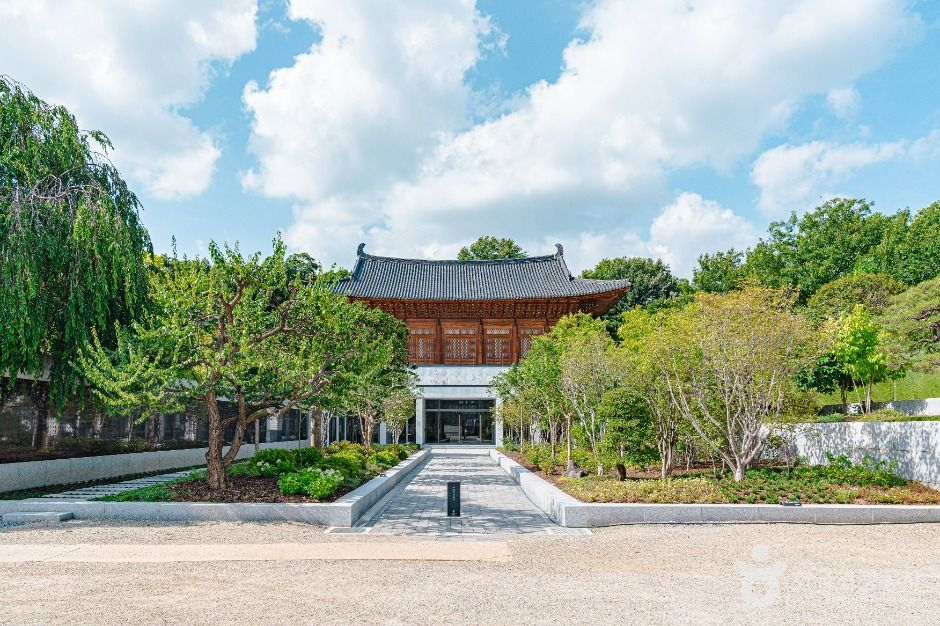
Nestled at the foot of Yeouisan Mountain in the business center of Gwangju, Mugaksa Temple is an urban Buddhist Temple. Unlike other urban Buddhist Temples, Mugaksa Temple has all the elements of a traditional temple. The temple is used as a cultural resting area and artistic spot for meetings without any religious barrier. The temple is also the starting point of the 2 kilometer walking trail to the 5.18 Memorial Park, leading to a constant flow of visitors.
May 18th National Cemetery (5·18 기념공원)
16.7Km 2024-02-29
152 Naebang-ro, Seo-gu, Gwangju
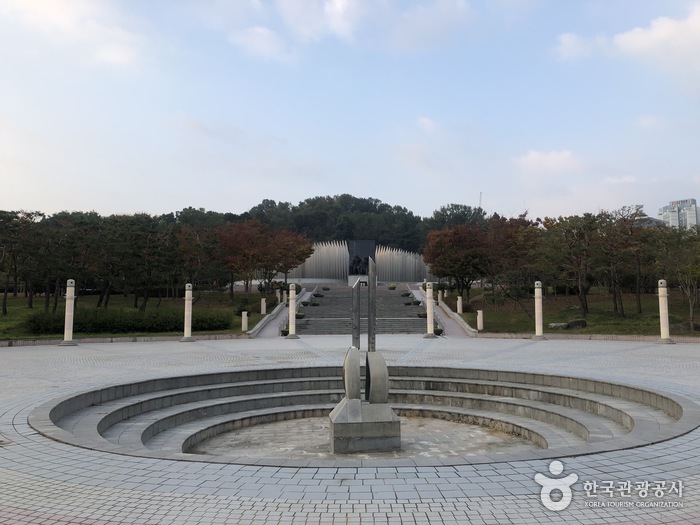
May 18th National Cemetery is a park established to commemorate the democratization movement that took place in Gwangju in May 18th, 1980. The park features facilities such as the May 18th Memorial Culture Center, Daedong Plaza, Gwangju Student Movement Memorial Tower, memorial spaces, and the Oweol Pavilion. It serves as a meaningful space for reflecting on the history of Korean democracy and honoring the sacrificial spirit of the martyrs who lost their lives during the democratization movement.
Gaemagowon (개마고원)
17.1Km 2024-10-15
1094 Sangmu-daero, Seo-gu, Gwangju
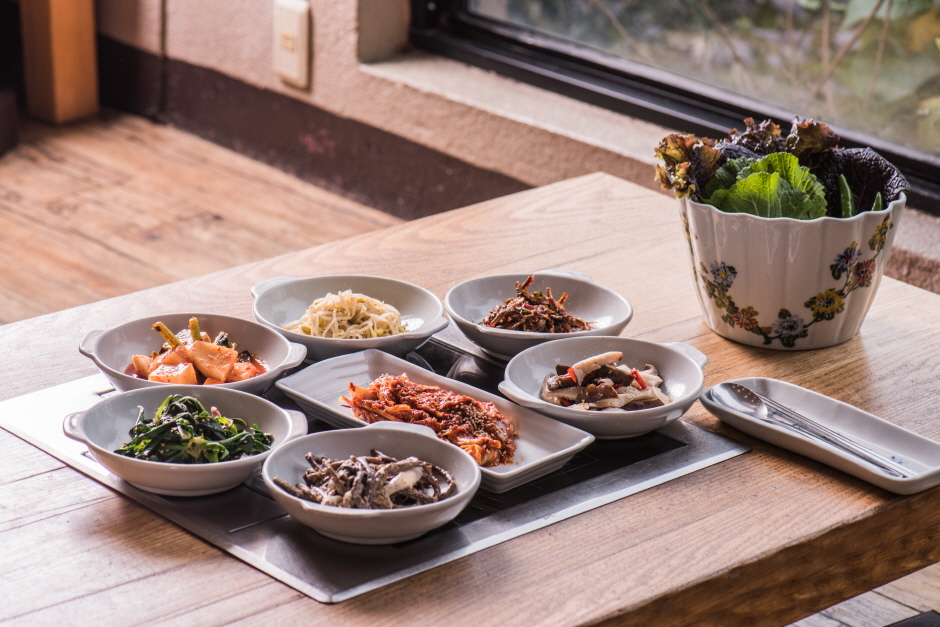
Gaemagowon is a hanu (Korean beef) restaurant that has been serving the Gwangju area for over 20 years. The menu includes a variety of dishes using hanu.
Art Polygon Horanggassinamu (호랑가시나무 아트폴리곤)
17.3Km 2025-02-04
22 Jejung-ro 47beon-gil, Nam-gu, Gwangju
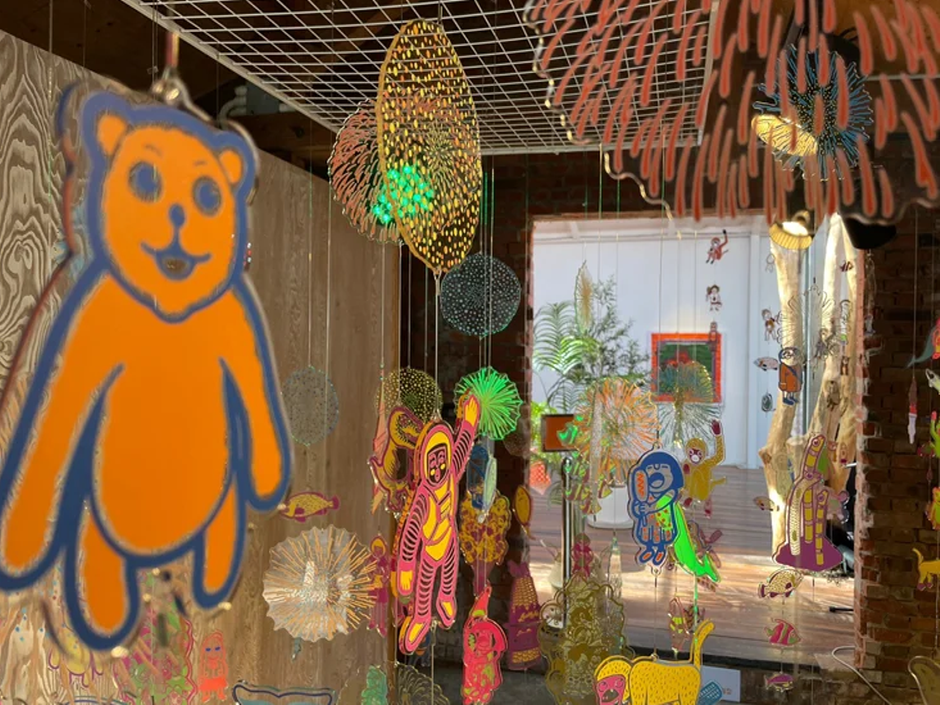
Located in Yangnim-dong, Art Polygon Horanggasinamu is a multi-purpose cultural space that hosts various programs such as exhibitions, lectures, and performances. In 2021, it was used as one of the venues for the Gwangju Biennale. The space was created by preserving and expanding the original structure of a missionary's garage. Yangnim-dong is home to many modern historical cultural heritage sites and art galleries that connects the past and the present.
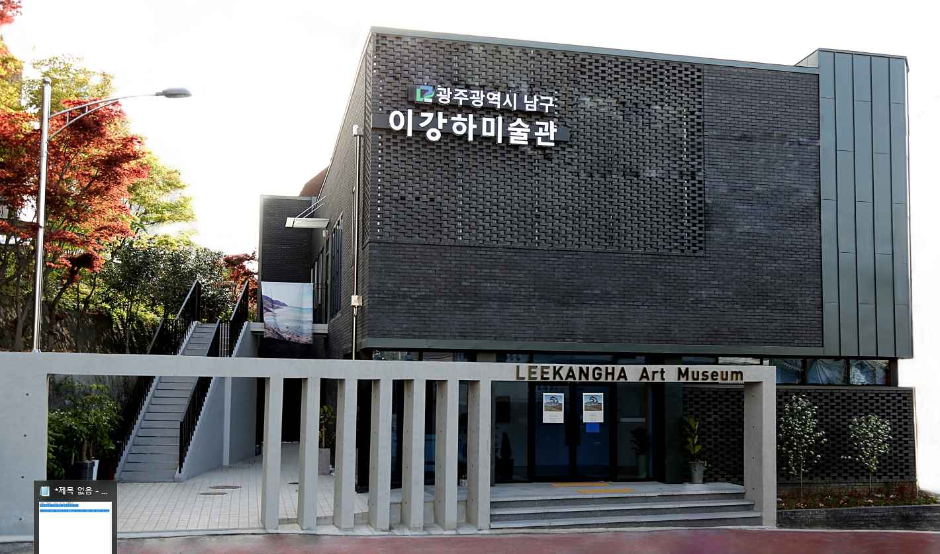
LEEKANGHA Art Museum (이강하미술관)
17.4Km 2024-11-14
6 3·1manseundong-gil, Nam-gu, Gwangju
The LEEKANGHA Art Museum, opened in 2018, offers a range of exhibitions, educational programs, and a research center. Visitors can explore the life and art world of Lee Kang-ha in different eras through various exhibitions and gain a deeper understanding of art with performances and educational programs. The museum aims to foster empathy and communication to enrich cultural knowledge by using diverse art-culture experience programs.
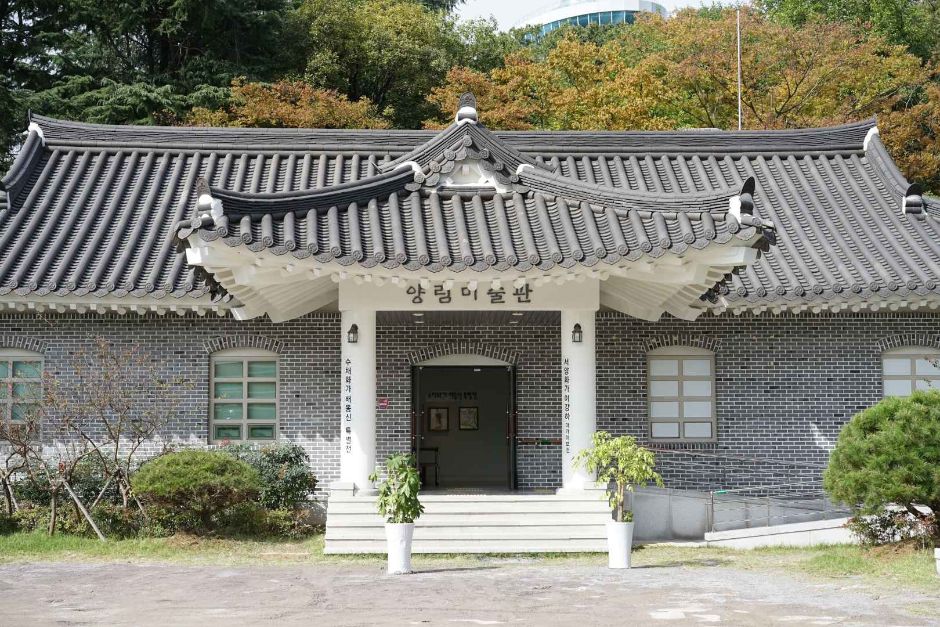
Yangnim Art Center (양림미술관)
17.6Km 2024-11-20
70 Jejung-ro, Nam-gu, Gwangju
Yangnim Art Center takes its name from its location in Yangnim-dong, the center of modern history and culture. Designed in hanok style, the building features exhibition rooms on each floor, offering both artists and visitors a creative space to connect and immerse themselves in the art.
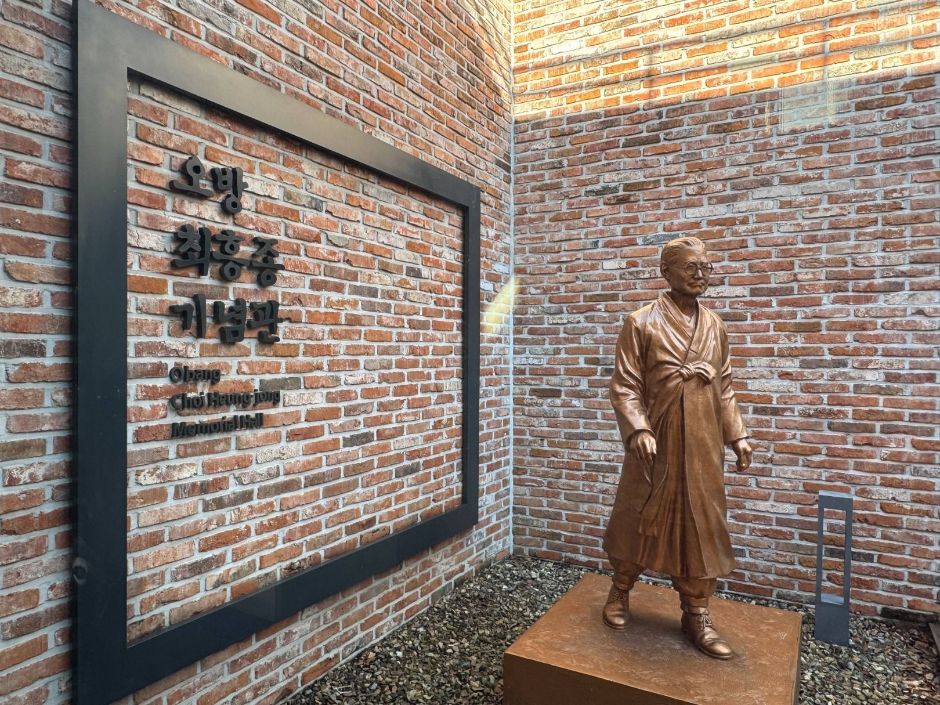
Obang Choi Heung-jong Memorial Hall (오방 최흥종 기념관)
17.6Km 2024-12-17
64 Jejung-ro, Nam-gu, Gwangju
Obang Choi Heung-jong Memorial Hall is dedicated to Rev. Obang Choi Heung-jong who was also a Korean independence fighter and a social activist. His lifetime of sacrificing for others while improving the Gwangju neighborhood made him a true hero. Visitors to the memorial hall can deeply understand the life that Obang Choi Hueng-jong lead.
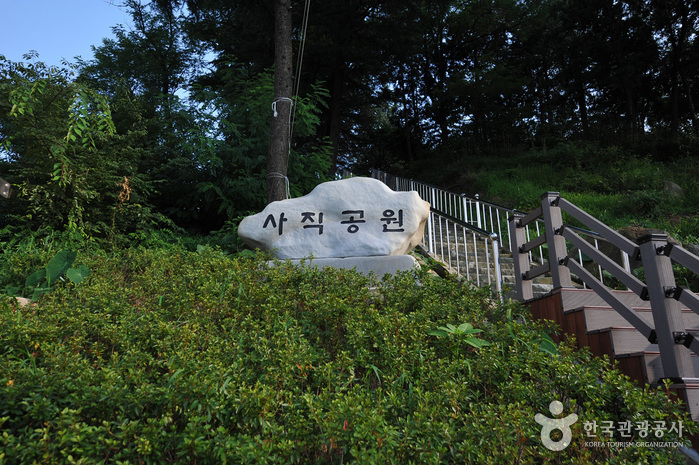
Gwangju Sajik Park (사직공원 (광주))
17.6Km 2022-08-05
49, Sajik-gil, Nam-gu, Gwangju
Sajik Park is located at the previous site of Sajikdan Altar, a ritual site to pray for peace and prosperity during the Three Kingdoms Era. In the 1960s, the site was home to Sajik Zoo, with the ritual being abandoned in 1894 and the altar in disrepair. However, in 1991, it was decided to move the zoo to another location and begin restoring the site. It was reopened in April 1994, 100 years after the last ritual.
Sajik Park is landscaped with various trees and flower beds. The park blooms pink and white with cherry blossoms annually in mid-April. During this time, the municipality of Gwangju installs lighting in the trees for citizens to enjoy the blossoms late into the night. The park has become established as a favorite rest area for Gwangju citizens. The park houses several attractions including Gwangju Broadcast Station (KBS), Memorial Tower for Policemen, Yangpajeong Pavilion, and Palgakjeong Pavilion overlooking downtown Gwangju.

Parc Sajik (Gwangju) (사직공원 - 광주)
17.6Km 2025-07-01
Gwangju-Si Nam-Gu, Sajik-Gil 49
Le parc Sajik a l’avantage d’être bien ammenagé, entre une variété d’arbres et de nombreux lits de fleurs. Chaque année autour du 15 avril, les cerisiers sont en fleurs, créant un spectacle splendide. Durant cette periode, la municipalité de Gwangju fait installer des lumières sur les arbres afin que les habitants puissant profiter du spectacle jusqu’à tard dans la nuit. Le parc est considéré comme l’endroit favori des habitants de Gwangju pour se reposer.
Le parc accueille plusieurs attractions, incluant un mémorial pour les héros nationaux, la station de TV et de radio de Gwangju (KBS), une tour en mémoire des policiers, le pavillon Yeonpajeong, la station de tir Gwandeokjeong ainsi que le pavillon Palgakjeong qui offre un point de vue sur le centre ville de Gwangju. Les variétés d’arbres, d’arbustes et de fleurs offrent une atmosphère accueillante pour chaque sortie.
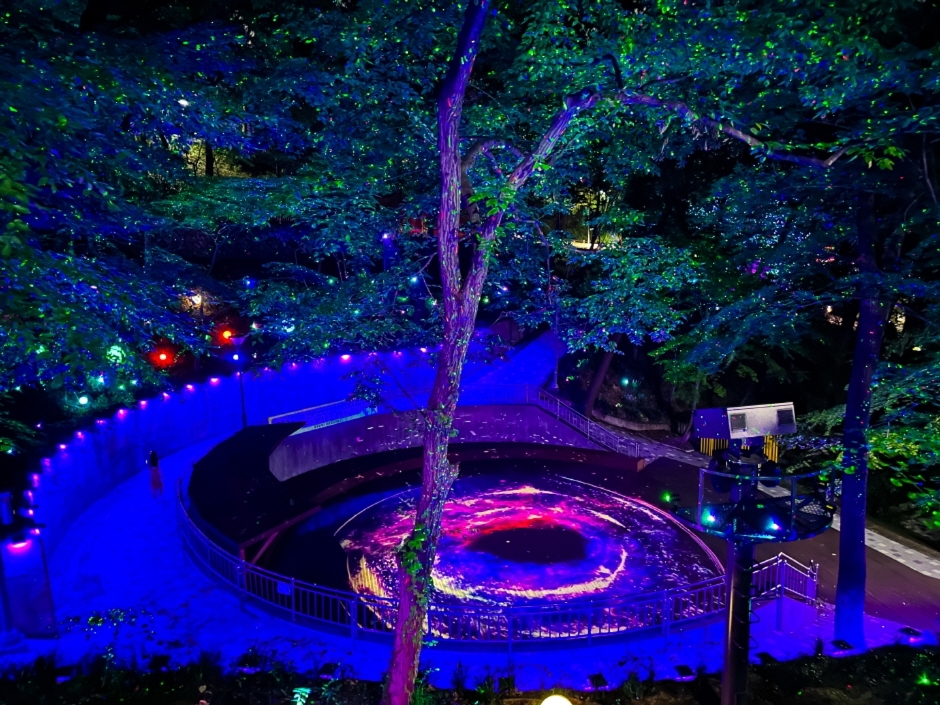
Sajik Forest of Light (사직 빛의 숲)
17.6Km 2024-12-11
49 Sajik-gil, Nam-gu, Gwangju
Located within Sajik Park, the Forest of Light is a popular night view spot with a fantastic media art that incorporates historical themes of Gwangju. The space features a combination of lighting, video, and music to create multimedia contents, offering a variety of experiences and attractions through interactive art that responds to people's movements. The observation tower hosts a light show, and visitors can enjoy video contents through an AR telescope.
 English
 한국어
한국어 日本語
日本語 中文(简体)
 Deutsch
 Français
 Español
 Русский


