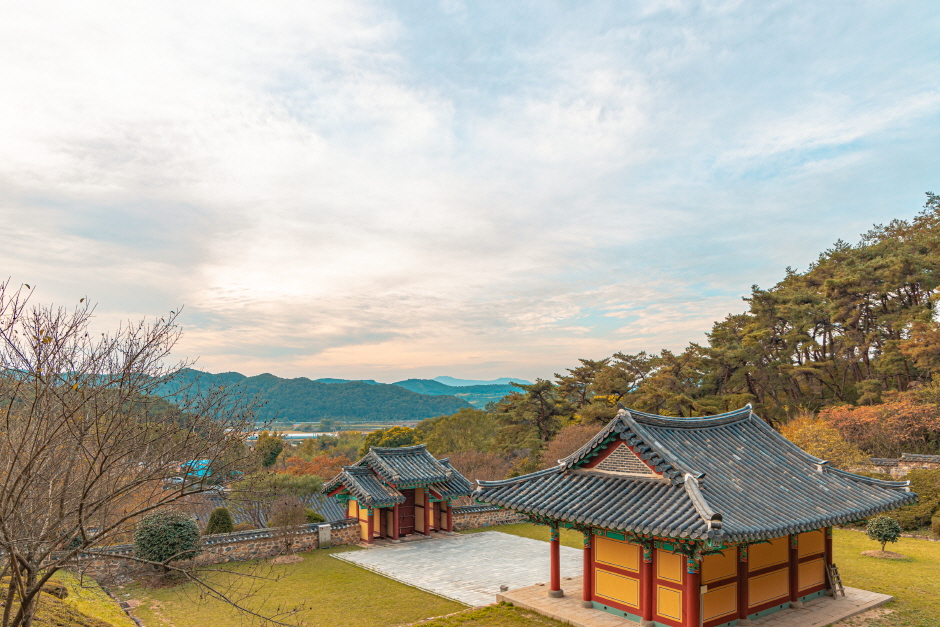
Wolbongseowon Confucian Academy (월봉서원)
9.5Km 2021-07-06
133, Gwanggok-gil, Gwangsan-gu, Gwangju
Wolbongseowon Confucian Academy, built in 1578, was established by Kim Gyehwi and other confucian scholars to honor Ki Daeseung's study and virtue through Mangcheonsa Shrine. The location of the academy was moved to its current site in 1646, and the name Wolbong was given by King Hyojong in 1654. In 1671, Bak Sang and Bak Sun's shrines were moved from Deoksansa Shrine by the suggestion of Song Siyeol. Also, Kim Jangsaeng and Kim Jip's shrines were additionally placed in 1673. Unfortunately, the confucian academy was abolished due to the abolition policy of Daewongun in 1868. Later, Bingwoldang Hall was built by Jeollanam-do's Confucian scholars in 1938, followed by Gojiksa Shrine in 1972, Jangpangak Pavilion and Oesammun Gate in 1978, Sau in 1980 and Naesammun Gate in 1981. Bingwoldang is designated as Gwangju Monument No. 9 and woodblocks of Gobongjip are preserved in Jangpangak Pavilion.
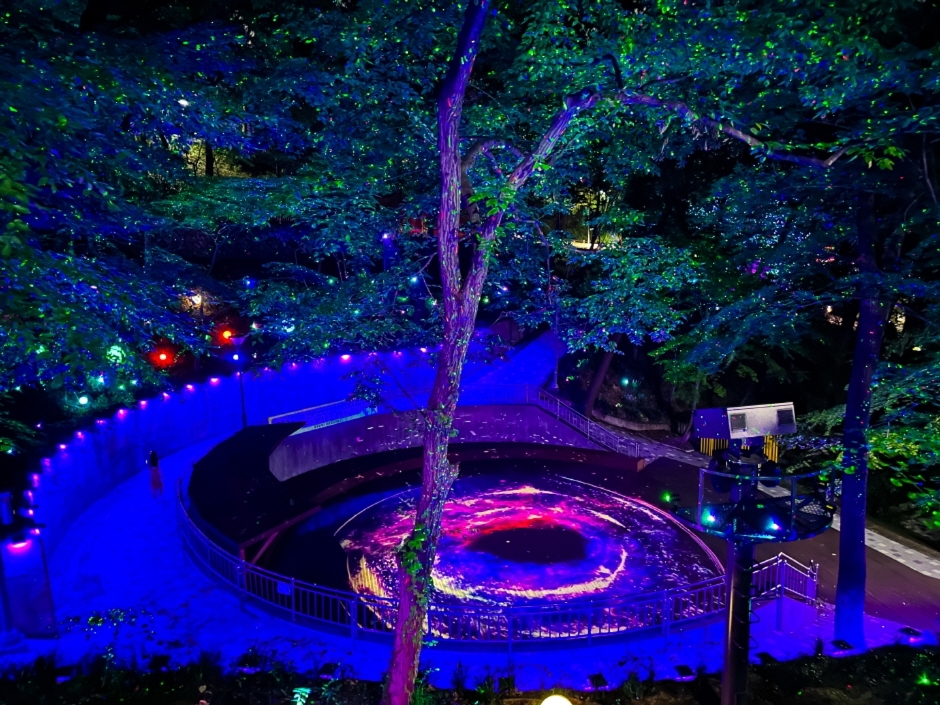
Sajik Forest of Light (사직 빛의 숲)
9.6Km 2024-12-11
49 Sajik-gil, Nam-gu, Gwangju
Located within Sajik Park, the Forest of Light is a popular night view spot with a fantastic media art that incorporates historical themes of Gwangju. The space features a combination of lighting, video, and music to create multimedia contents, offering a variety of experiences and attractions through interactive art that responds to people's movements. The observation tower hosts a light show, and visitors can enjoy video contents through an AR telescope.

Yangnim History & Culture Village (양림역사문화마을)
9.6Km 2023-11-28
7 Seoseopyeong-gil, Nam-gu, Gwangju
Yangnim History & Culture Village is located in the area where Western items and ideas first entered Gwangju over 100 years ago. As such, the neighborhood has a unique collection of Western architecture mixed with traditional hanok houses. There are also many houses of Christian missionaries, who facilitated the advancement of medicine and education in Gwangju. Some areas, such as Penguin Village, have been decorated with murals and outdoor exhibitions to promote art and tourism, helping the elderly locals to make a living.
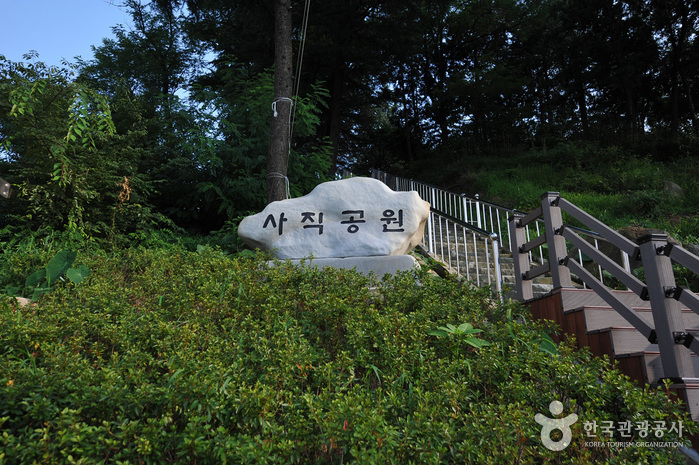
Gwangju Sajik Park (사직공원 (광주))
9.6Km 2022-08-05
49, Sajik-gil, Nam-gu, Gwangju
Sajik Park is located at the previous site of Sajikdan Altar, a ritual site to pray for peace and prosperity during the Three Kingdoms Era. In the 1960s, the site was home to Sajik Zoo, with the ritual being abandoned in 1894 and the altar in disrepair. However, in 1991, it was decided to move the zoo to another location and begin restoring the site. It was reopened in April 1994, 100 years after the last ritual.
Sajik Park is landscaped with various trees and flower beds. The park blooms pink and white with cherry blossoms annually in mid-April. During this time, the municipality of Gwangju installs lighting in the trees for citizens to enjoy the blossoms late into the night. The park has become established as a favorite rest area for Gwangju citizens. The park houses several attractions including Gwangju Broadcast Station (KBS), Memorial Tower for Policemen, Yangpajeong Pavilion, and Palgakjeong Pavilion overlooking downtown Gwangju.
Parc Sajik (Gwangju) (사직공원 - 광주)
9.6Km 2025-07-01
Gwangju-Si Nam-Gu, Sajik-Gil 49
Le parc Sajik a l’avantage d’être bien ammenagé, entre une variété d’arbres et de nombreux lits de fleurs. Chaque année autour du 15 avril, les cerisiers sont en fleurs, créant un spectacle splendide. Durant cette periode, la municipalité de Gwangju fait installer des lumières sur les arbres afin que les habitants puissant profiter du spectacle jusqu’à tard dans la nuit. Le parc est considéré comme l’endroit favori des habitants de Gwangju pour se reposer.
Le parc accueille plusieurs attractions, incluant un mémorial pour les héros nationaux, la station de TV et de radio de Gwangju (KBS), une tour en mémoire des policiers, le pavillon Yeonpajeong, la station de tir Gwandeokjeong ainsi que le pavillon Palgakjeong qui offre un point de vue sur le centre ville de Gwangju. Les variétés d’arbres, d’arbustes et de fleurs offrent une atmosphère accueillante pour chaque sortie.
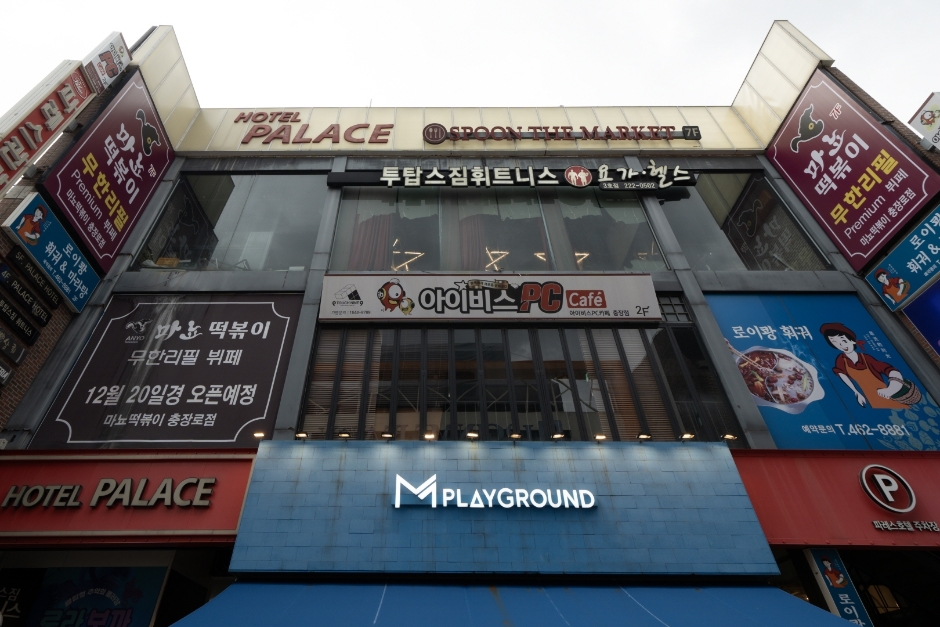
Palace Tourist Hotel (파레스 관광호텔)
9.6Km 2025-08-18
13, Jungang-ro 160beon-gil, Dong-gu, Gwangju
Palace Tourist Hotel is located only a six-minute walk from Geumnamro 4(sa)-ga Station on Gwangju Subway Line 1. Nearby attractions within walking distance include Gwangju Art Street and Yangdong Market.
Gwangju Wongaksa Temple (원각사(광주))
9.7Km 2025-08-06
197 Jungang-ro, Dong-gu, Gwangju
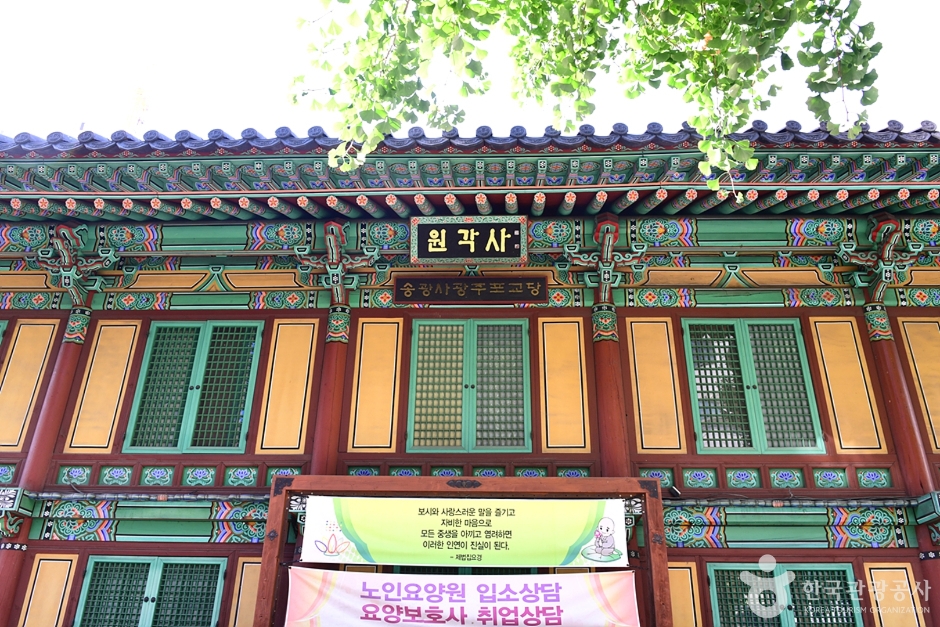
Gwangju Wongaksa Temple, a branch temple of Suncheon Seonggwangsa Temple, is part of the Jogye order of Korean Buddhism in Gwangju. Bustling with visitors, the temple offers various events, cultural activities, and Buddhist ceremonies for visitors.
Art Polygon Horanggassinamu (호랑가시나무 아트폴리곤)
9.7Km 2025-02-04
22 Jejung-ro 47beon-gil, Nam-gu, Gwangju
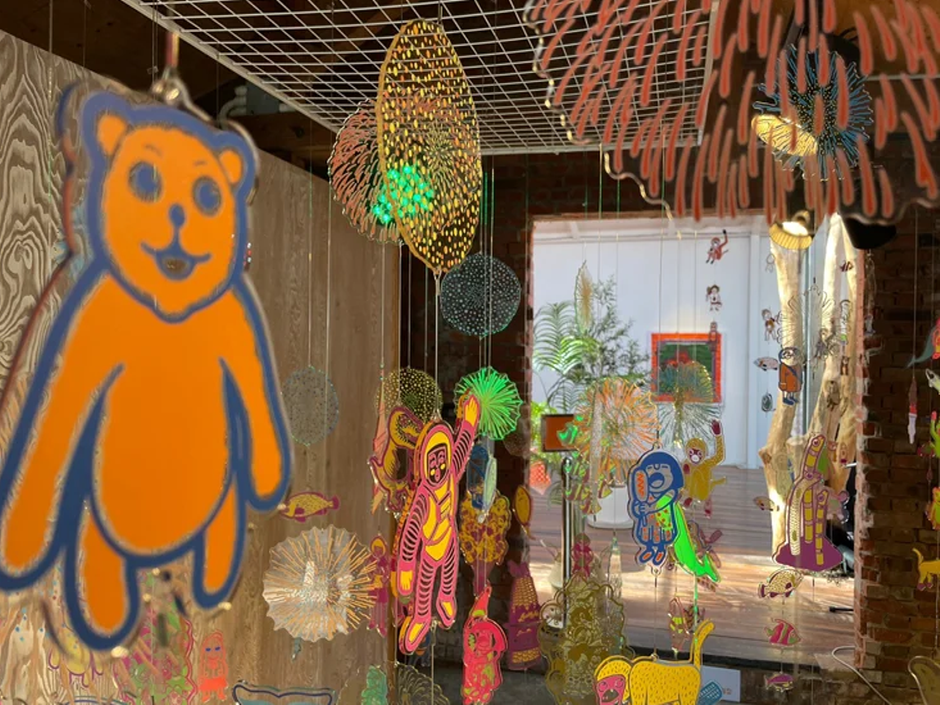
Located in Yangnim-dong, Art Polygon Horanggasinamu is a multi-purpose cultural space that hosts various programs such as exhibitions, lectures, and performances. In 2021, it was used as one of the venues for the Gwangju Biennale. The space was created by preserving and expanding the original structure of a missionary's garage. Yangnim-dong is home to many modern historical cultural heritage sites and art galleries that connects the past and the present.
Yangnim Art Center (양림미술관)
9.7Km 2024-11-20
70 Jejung-ro, Nam-gu, Gwangju
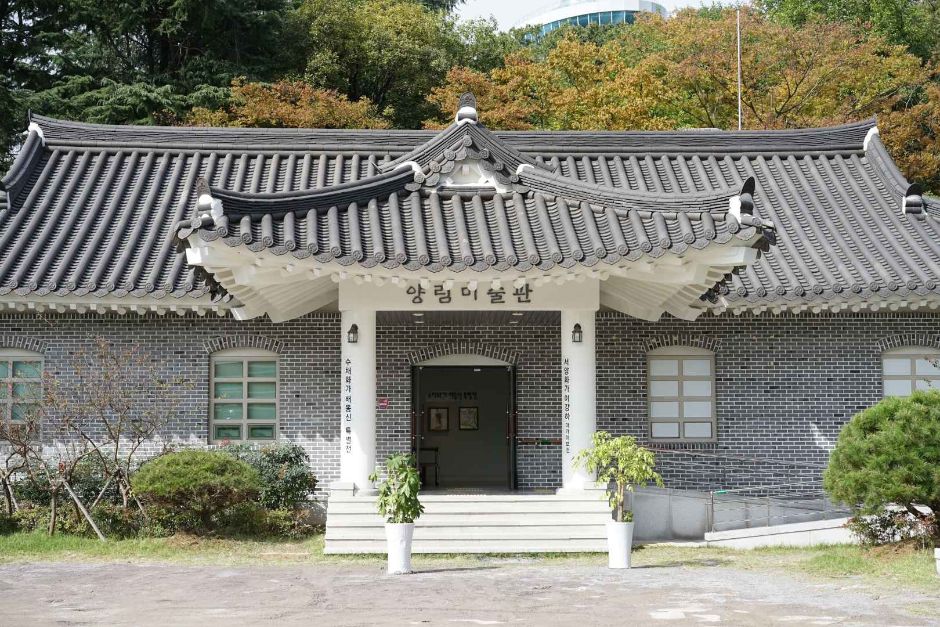
Yangnim Art Center takes its name from its location in Yangnim-dong, the center of modern history and culture. Designed in hanok style, the building features exhibition rooms on each floor, offering both artists and visitors a creative space to connect and immerse themselves in the art.
Geumnam Butterfly Garden (금남로공원 금남나비정원)
9.7Km 2024-11-14
20-2 Geumnam-ro, Dong-gu, Gwangju
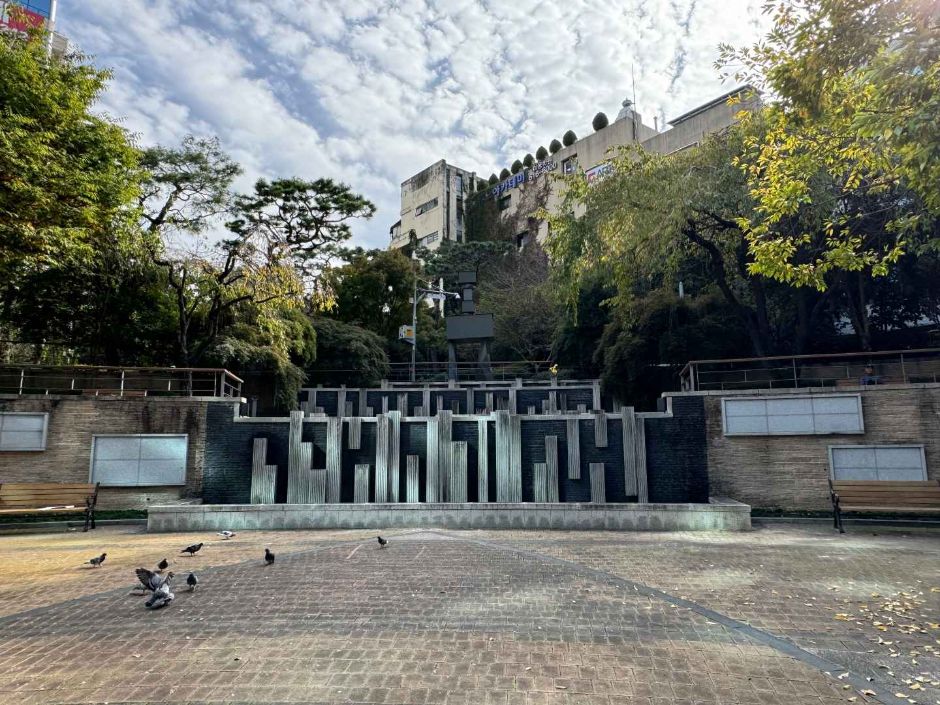
Geumnamro Neighborhood Park, once the site of the Bank of Korea’s Gwangju branch, now hosts the enchanting Geumnam Butterfly Garden. Inspired by the glowing butterflies, the garden is a stunning curation by Gwangju, a UNESCO Creative City of Media Arts. It offers a magical setting for a night tour, transporting visitors into a fantasy world of vibrant colors and purple hues.
 English
 한국어
한국어 日本語
日本語 中文(简体)
 Deutsch
 Français
 Español
 Русский


