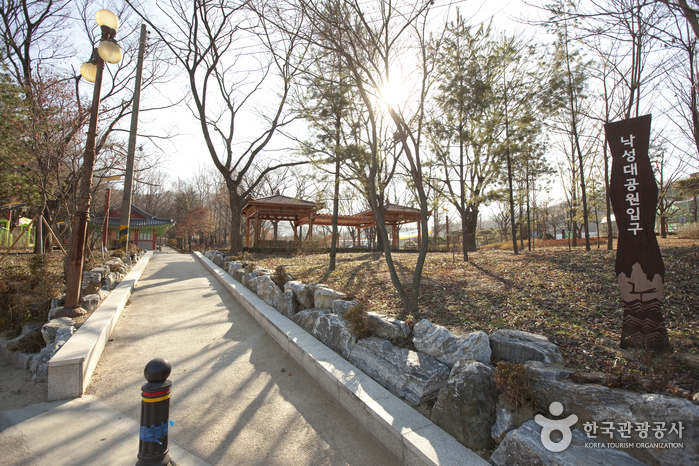
Gwanaksan Mountain Nakseongdae Park (관악산 낙성대공원)
14.5Km 2021-07-16
77, Nakseongdae-ro, Gwanak-gu, Seoul
Nakseongdae Park was built as a tribute to General Kang Gam-chan (948-1031) of the Goryeo dynasty. In 1973, the city of Seoul reorganized the birthplace of General Kang, resulting in changes to the park. Located inside the park are Anguksa Shrine, the general’s birthplace, and a three-story stone pagoda, which was made during the Goryeo dynasty. The 4.48-meter-high pagoda is made of granite, and is called “Kang Gam-chan Tap (pagoda)” or “Kang Gam-chan Nakseongdae Tap”.
*Anguksa Shrine
Anguksa is a shrine built in 1974 emulating the wooden architecture style of the Goryeo era. The shrine has high ceilings and houses the portrait of General Kang Gam-chan. The shrine is located on the road leading to the back gate of Seoul National University and has become a popular place in the area.
*Nakseongdae Yuji
Nakseongdae Yuji is the birthplace of General Kang Gam-chan and the original location of the three-story pagoda. During the maintenance of Nakseongdae area in 1973, the pagoda was moved into the vicinity of Anguksa Shrine, and a two-meter tall monument was erected in its original location to mark the historical significance of the site.
Seongbuk-dong–Bukchon Hanok Village Course (성북동고택북촌산책길)
14.5Km 2025-11-06
68, Seonjam-ro 5-gil, Seongbuk-gu, Seoul
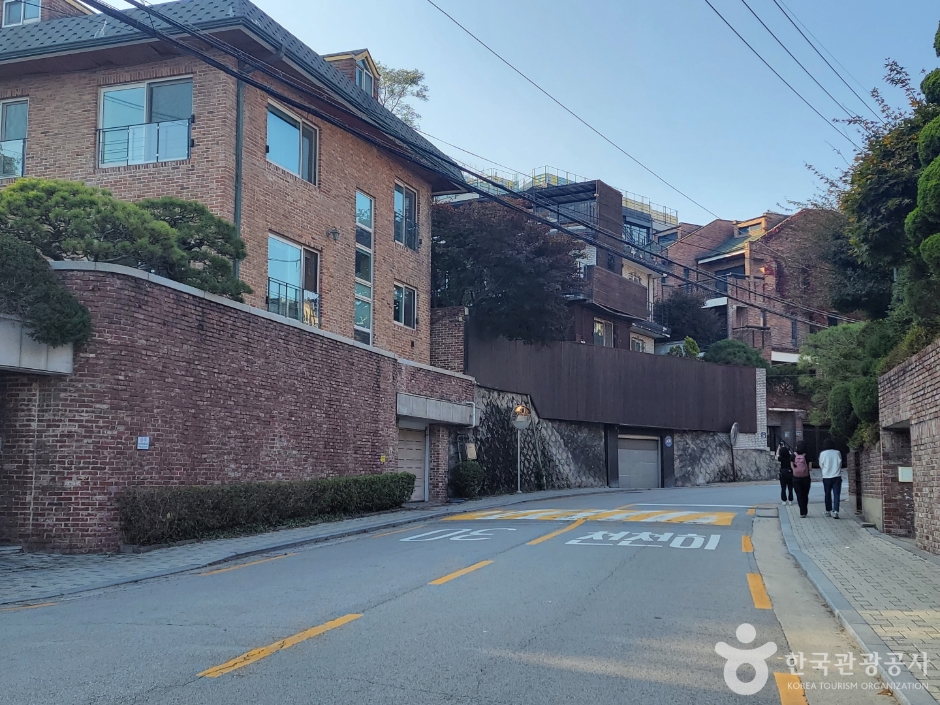
The Seongbuk-dong–Bukchon Hanok Village Course is a nostalgic path connecting famous old houses in Seongbuk-dong and Bukchon Hanok Village, divided by the old city walls. Along the way, you'll find historic sites like Gilsangsa Temple, Jeongbeopsa Temple, Han Yong-un’s Simujang House, and novelist Lee Tae-jun's House. The trail also features charming cultural spots, such as the traditional tea house Sooyeon Sanbang and the Seongbuk Museum of Art.
◎ Travel information to meet Hallyu’s charm - "Parasite"
The scene in the alley where Ki-woo visited Mr. Park's house in a wealthy neighborhood for expensive tutoring was filmed in a residential area in Seongbuk-dong. Seongbuk-dong, an old wealthy village, has luxury mansions lined up in. There are many pretty cafés and galleries here and there, so it's good to take a leisurely look around. Mr. Park's house was a filming set, which was demolished after filming.

Seoul National University Hospital (서울대학교병원)
14.5Km 2025-10-23
101 Daehak-ro, Jongno-gu, Seoul
Seoul National University Hospital, a national central hospital that has led Korean medicine for over 130 years, is a top-tier hospital equipped with world-class medical professionals and cutting-edge systems. For 25 consecutive years, it has ranked first in brand power in the hospital sector. The hospital is renowned for its cancer research, the most comprehensive pediatric care in the country, and treatments for rare and intractable diseases. Through patient-centered, personalized services, it has established itself as a trusted healthcare institution.
Jinhyang Jokbal (진향족발)
14.5Km 2024-10-15
231-1, Jong-ro, Jongno-gu, Seoul
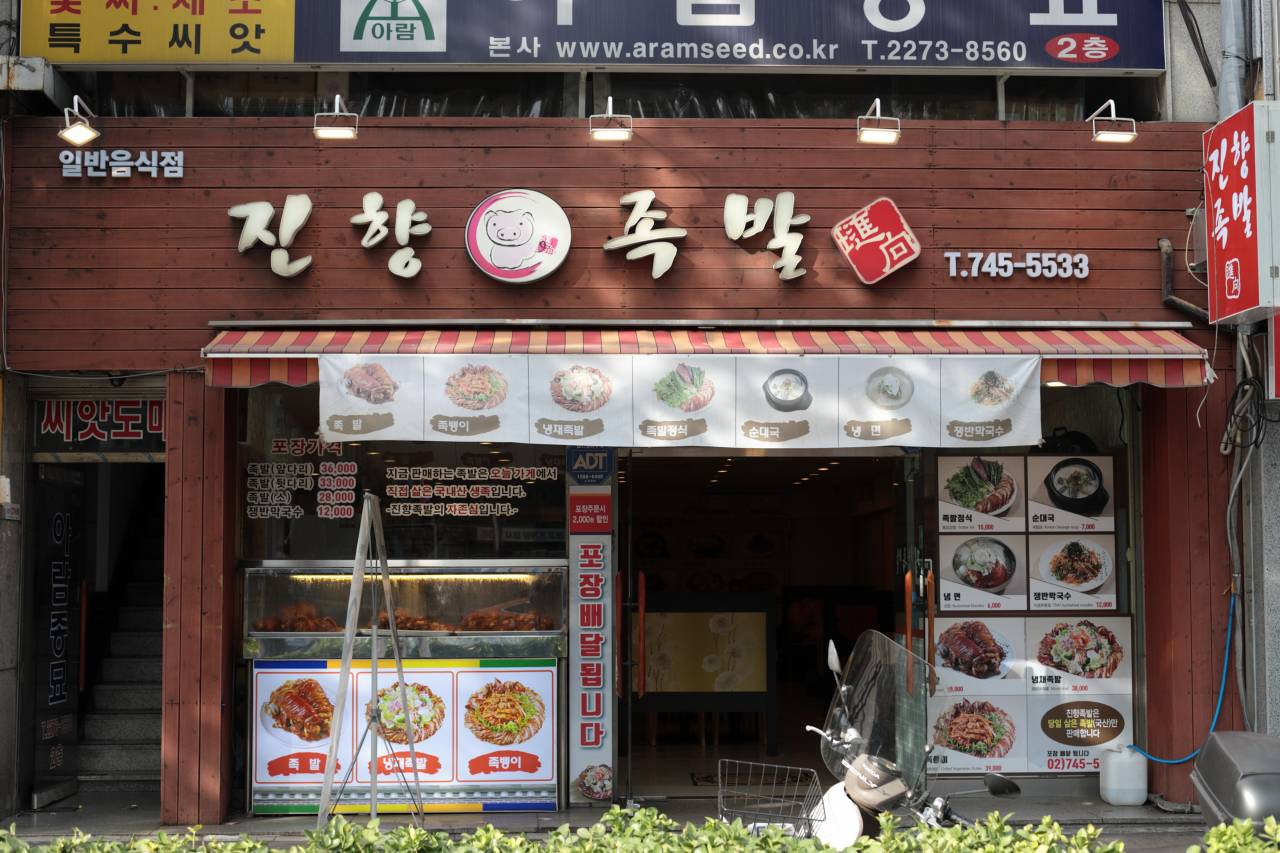
A pig's trotter(s) specialty restaurant located near Jongno 5(o)ga Station in Seoul. One of the top 5 jokbal (pig's trotter) restaurants in Seoul. This restaurant's signature menu is braised pigs' feet.
Blue Square (블루스퀘어)
14.6Km 2024-03-05
294, Itaewon-ro, Yongsan-gu, Seoul
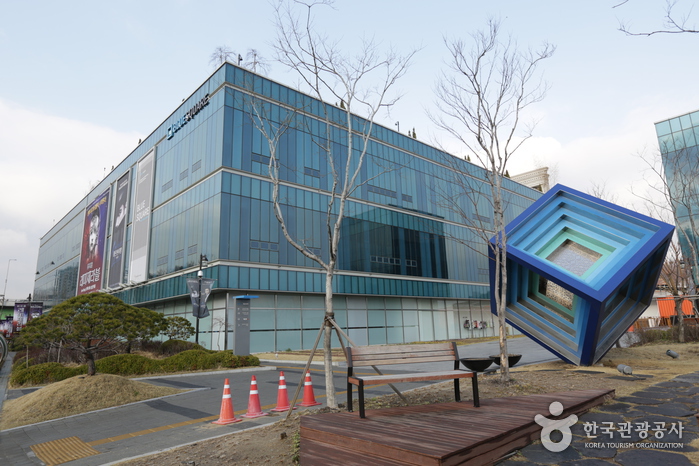
Blue Square is a multipurpose performance venue located in Hannam-dong. It includes Shinhan Card Hall, a performance hall dedicated to musicals with 1,776 seats, and Mastercard Hall, a multipurpose performance hall with 1,400 seats. Blue Square also includes the Book Park, which has a collection of nearly 75,000 books, and a café with a terrace that looks toward the Namsan Mountain. Many visitors come to the Blue Square to see its collection of popular musicals and other performances.
Gyujanggak Library of Seoul National University (서울대학교 규장각)
14.6Km 2022-07-27
1, Gwanak-ro, Gwanak-gu, Seoul
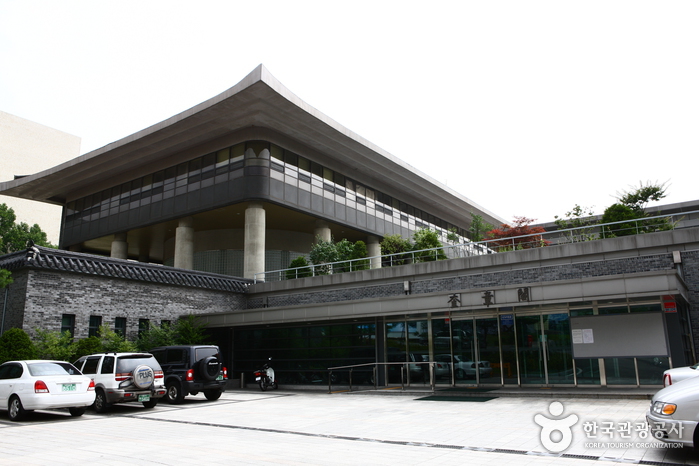
Gyujanggak Library was founded in 1776 during the reign of King Jeongjo, the 22nd ruler of the Joseon dynasty, at which time it was located within the Changdeokgung Palace grounds. It functioned as the royal library, which housed writings of the previous kings, their relics and books from home and abroad.
Today Seoul National University maintains the items of Gyujanggak in a traditional Korean building which is equipped with state-of-the-art facilities necessary for the preservation of cultural heritages. Moreover, Gyujanggak Library of Seoul National University collects and publishes books from a variety of sectors such as politics, economy and society.
Gyujanggak now houses more than 270,000 items including 7 national treasures, 8 treasures, 180,000-plus old books, about 50,000 documents and 18,000 printing blocks. Among them, Joseon Wangjo Sillok (the Annals of the Joseon Dynasty, a National Treasure), Seungjeongwon Ilgi (the Diaries of the Royal Secretariat, a National Treasure) and Uigwe (the Royal Protocols of the Joseon Dynasty) have been designated as UNESCO World Cultural Heritages.
Seoul National University (서울대학교)
14.6Km 2023-07-07
1, Gwanak-ro, Gwanak-gu, Seoul
Founded in 1946, Seoul National University is the most reputable university in Korea based on its long academic history and tradition. It was the first national university in Korea established by merging several institutions of higher education around the Seoul area, including Kyongsong University
ARKO Art Center (아르코미술관)
14.6Km 2025-06-05
3, Dongsung-gil, Jongno-gu, Seoul
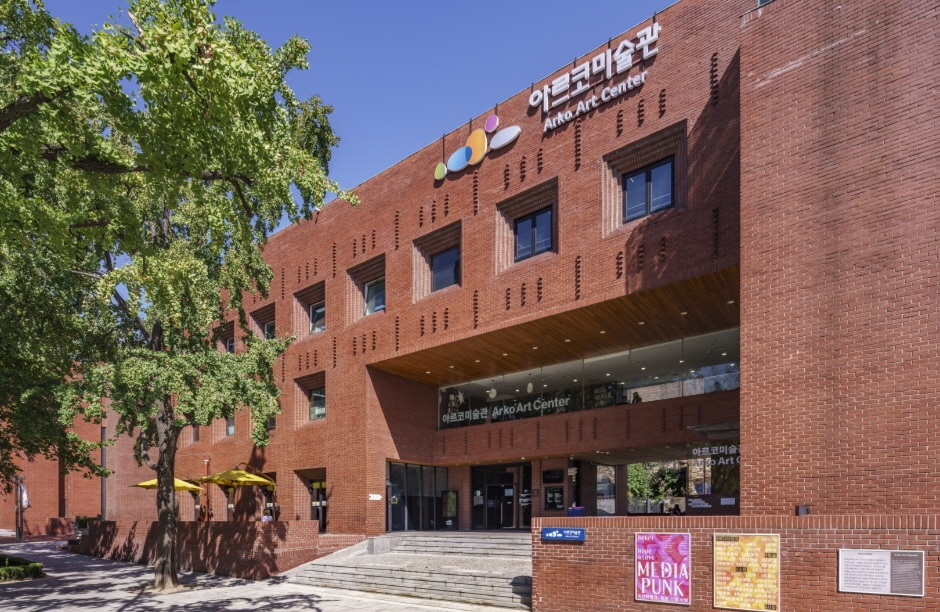
ARKO Art Center was founded in 1974 as Misulhoegwan in a building of former Deoksu Hospital in Gwanhun-dong, Jongno-gu to offer much-needed exhibition space for artists and arts groups. In 1979, Misulhoegwan moved to its present building, designed by preeminent Korean architect Kim Swoo-geun (1931-1986) and located in Marronnier Park, the former site of Seoul National University. The two neighboring brick buildings accommodating ARKO Art Center and ARKO Arts Theater are the major landmarks of the district of Daehakro.
As more public and private museums and commercial galleries came into the art scene in the 1990s, Misulhoegwan shifted to curating and presenting its own exhibitions. Renamed as Marronnier Art Center in 2002, ARKO Art Center assumed a full-fledged art museum system and played an increasingly prominent role as a public arts organization leading the contemporary art paradigm. When The Korea Culture and Arts Foundation was reborn as Arts Council Korea, Marronnier Art Center became ARKO Art Center named after the abbreviation for Arts Council Korea in 2005.
ARKO Art Center is committed to working as a platform where research, production, exhibitions and the exchange of creative activities grow and develop in connection with one another in addition to having a diversity of programs including thematic exhibitions addressing social agenda and public programs widely promoting various discourses in art.
D. Festa: Daehakro Street Performance Festival (대학로 거리공연축제)
14.6Km 2025-06-16
1, Daehak-ro 8-gil, Jongno-gu, Seoul
• 1330 Travel Hotline: +82-2-1330 (Korean, English, Japanese, Chinese) • For more info: +82-2-741-4188
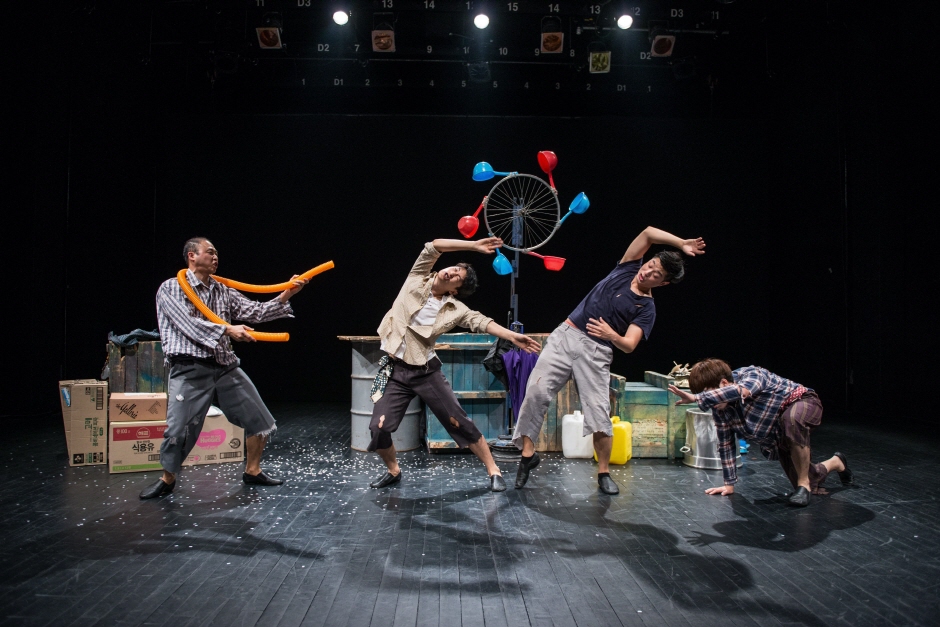
Started in 2015, Daehakro Street Performance Festival provides various performances including plays, dances, mimes and more. The festival aims to provide hope and changes in daily life through diverse performances.
 English
 한국어
한국어 日本語
日本語 中文(简体)
 Deutsch
 Français
 Español
 Русский


