
Seorae Village (서래마을)
15.7Km 2022-12-16
Banpo-dong, Seocho-gu, Seoul
Seorae Village is located in between Banpo 4-dong and Bangbaebon-dong in Seocho-gu, Seoul. Seorae Village took its form as a French neighborhood when French residents moved to the area after Ecole Francaise de Seoul, a school for French residents in Korea, was established here in 1985. According to 2008 census, about half of the total 1,000 French citizens residing in Korea were registered to be living in Seorae Village. The area naturally took shape as a global neighborhood as many international residents settled at Seorae Village much thanks to the strong presence of French residents. In addition to its convenient location near the central district area as well as Gangnam area and Hangang River Park, Seorae Village serves as a pleasant environment space for all.
Many shops and restaurants in Seorae Village are small in size and rather charming, resembling those in Europe. A bakery that makes traditional French baguettes using ingredients directly imported from France can be found here. In recent years, Seorae Village has undergone several changes, gaining much attention as one of the most modern and fanciest regions found in Seoul.
Central City (센트럴시티)
15.7Km 2025-03-28
176, Sinbanpo-ro, Seocho-gu, Seoul
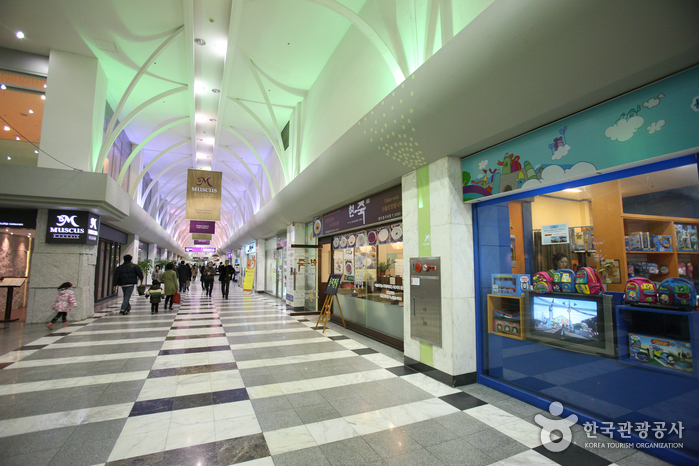
Connected to the Express Bus Terminal Station, Central City is a large lifestyle cultural complex. With in the City are a department store, movie theater, bus terminal, hotel, and shopping malls. Especially, Familie Station & Garden is home to beauty salons, restaurants and coffe shops that are famous and unique. One can also explore attractions such as the Express Bus Terminal Underground Shopping Mall and Banpo Wholesale Flower Market, enriching the experience of the area.
Sigol Bossam (시골보쌈)
15.7Km 2024-10-14
25 Bangbaecheon-ro 2-gil, Seocho-gu, Seoul
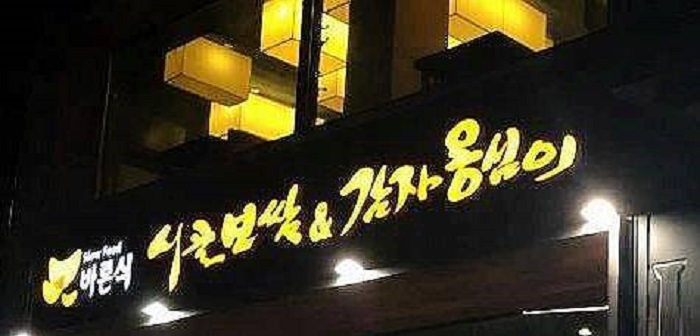
Potato Ongsim is also a popular dish. The best menu at this restaurant is kimchi cabbage wraps with pork. This Korean dishes restaurant is located in Seocho-gu, Seoul.
MS Eye Clinic (엠에스안과의원)
15.8Km 2025-10-23
2F, 189 Sinbanpo-ro, Seocho-gu, Seoul
MS Eye Clinic has attracted international patients by establishing MOUs with several countries. The clinic has nine branches across Korea, with potential for further development.
The clinic offers improved K-medical services through non-discriminatory treatments and prices for both domestic and overseas patients. It takes pride in its medical expertise and technological power with its university and general hospital partners, which have MOUs with the clinic and refer patients who require surgery to the clinic.
To provide better medical services, the clinic has examination and surgical equipment and surgical staff members of university hospital-level or higher. One of the merits of the clinic is that it provides general outpatient care in addition to treatments for presbyopia/cataract surgery, Silk SMILE LASIK, Dream Lenses, dry eye syndrome, retinal diseases, and oculoplastic surgery.
Dontarae Gejang Jeongsik (돈타래게장정식)
15.8Km 2024-12-02
인천광역시 부평구 열우물로 59
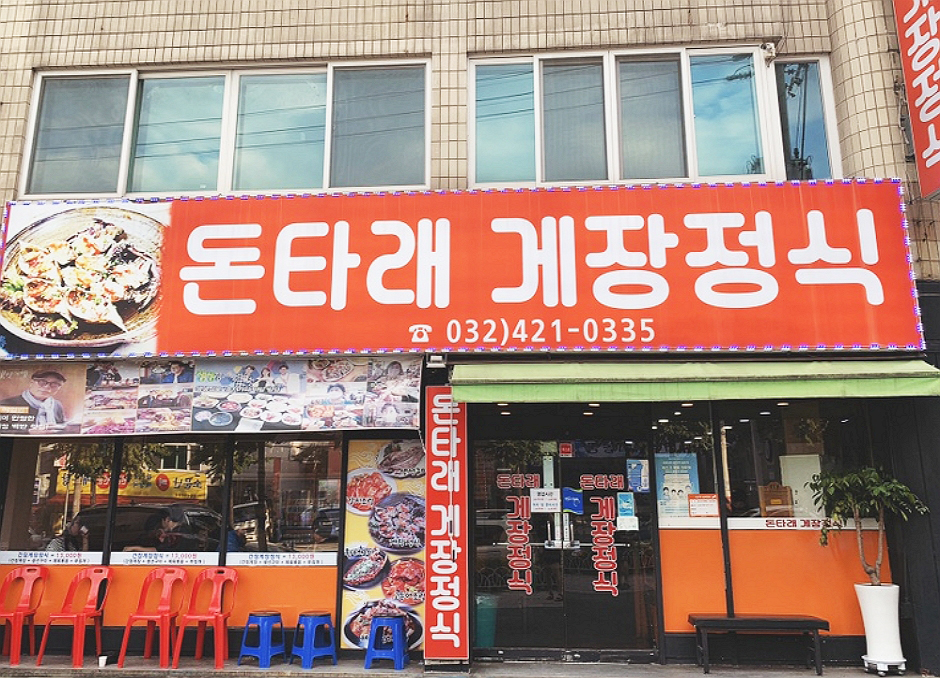
This restaurant offers ganjang gejang(Soy Sauce Marinated Crab) at affordable prices. Ganjang gejang Jeongsik features marinated crabs accompanied by a generous array of side dishes, such as saengseon-gui (grilled fish), jeyuk-bokkeum (spicy stir-fried pork), jeon (Korean pancake), japchae (stir-fried glass noodles), and miyeok-guk (seaweed soup).
Hwanghak-dong Flea Market (Dokkaebi Market / Manmul Market) (황학동 벼룩시장 (도깨비시장/만물시장))
15.8Km 2025-04-11
11-7 Majang-ro 5-gil, Jung-gu, Seoul
Hwanghak-dong Flea Market was named after the way how merchants travel from one place to another all over the country, as if like fleas hopping around from one spot to another, to collect rare and valuable items. This market was once a haven of antiques and collectibles, but with the formation of old-fashioned art street in 1983 in Janganpyeong, many classic art shops had moved out, leaving only used item and general goods stores. Now, visitors can find stores selling antiques, used furniture, electronics, clocks, jewelry, musical instruments, camera, and machinery – pretty much anything one can name. Hwanghak-dong Flea Market is also referred to as Dokkaebbi Market, to describe how even the most rundown items become just like new, as if like the work of a dokkaebi (Korean folk goblin).
Jamwon Hangang Park (잠원한강공원)
15.9Km 2024-10-23
221-124 Jamwon-ro, Seocho-gu, Seoul
Jamwon Hangang Park is a public recreation area on the Hangang River. Nearby attractions include athletic facilities (running tracks, soccer fields, basketball courts, etc.), various water sports facilities, and an 8.2-kilometer inline skating path. A bicycle path along the Hanfgang River, an outdoor swimming pool in summer, and a snow sledding center in winter are the most frequently used ones by may citizens. Jamwon was once a mulberry field, so there is also a thematic nature learning center that depicts the life of the silkworm.
Jamwon Hangang Park Outdoor Swimming Pool (한강시민공원 잠원수영장(실외))
15.9Km 2022-09-06
221-124, Jamwon-ro, Seocho-gu, Seoul
Six of the city's Hangang Parks have outdoor swimming pools, including Jamwon Hangang Park. Supported by meticulous water quality management, they are not only safe, but also an inexpensive alternative to private facilities. Excellent amenities include swimming equipment rentals, food, and beverages.
Jaunam Hermitage (자운암)
16.0Km 2023-05-08
Gwanak-ro, Gwanak-gu, Seoul
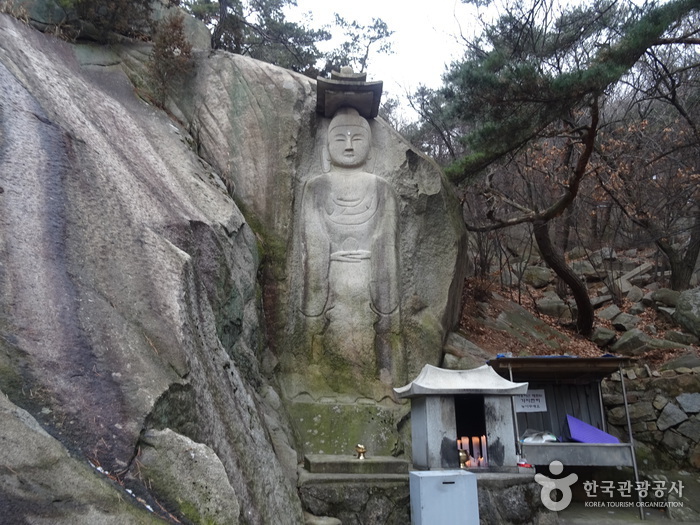
Jaunam Hermitage was originally built in 1396 by Great Monk Muhak of Joseon dynasty. It was renovated in 1734, and finally took shape of the hermitage we know today in 1976 when Monk Boryun added Daeungjeon Hall, Chilseonggak Pavilion, and Sansigak Pavilion. It is currently located in the famous Jahadong Valley on the Seoul National University campus.
Gwanaksan Mountain (관악산)
16.0Km 2023-01-02
Gwanak-ro, Gwanak-gu, Seoul
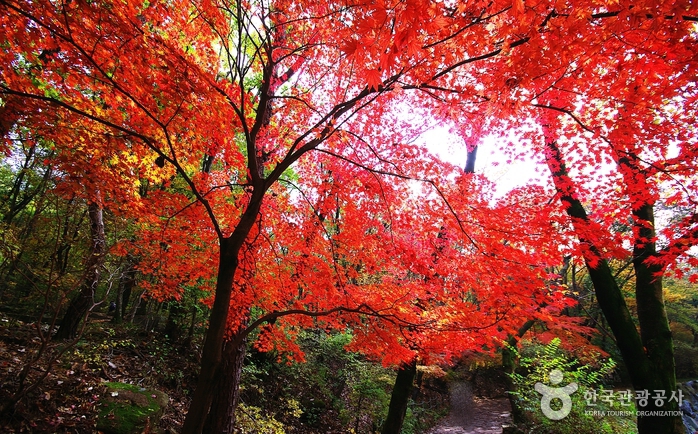
Reaching 632.2 meters in x_height, Gwanaksan Mountain is the symbol and pride of Gwanak-gu district in Seoul. Most of the cultural heritage of the district originates from Gwanaksan Mountain. Since it was designated as a city natural park in 1968, it has continued to serve as a favorite place for relaxation and excursion for Seoul citizens. The various rocky peaks and the deep valleys give the mountain a rugged feel. The mountain's size and close proximity to Seoul make it easy for Seoul residents to make a day trip.
In the spring, cherry blossoms are in full bloom near the entrance to the mountain, and a Rhododendron Festival is held when the rhododendrons are in full bloom. At the mountain's summit are Wongaksa Temple and Yeonjuam Hermitage, which were built by Taejo Yi Seong-gye (the founder of the Joseon dynasty) to ward off misfortune when he decided to move the capital to Seoul. There are also other temples and hermitages, and a ground radar observation post. Yeonjudae Hermitage, located atop a cliff, is where all the hiking trails of Gwanaksan Mountain meet.
 English
 한국어
한국어 日本語
日本語 中文(简体)
 Deutsch
 Français
 Español
 Русский


