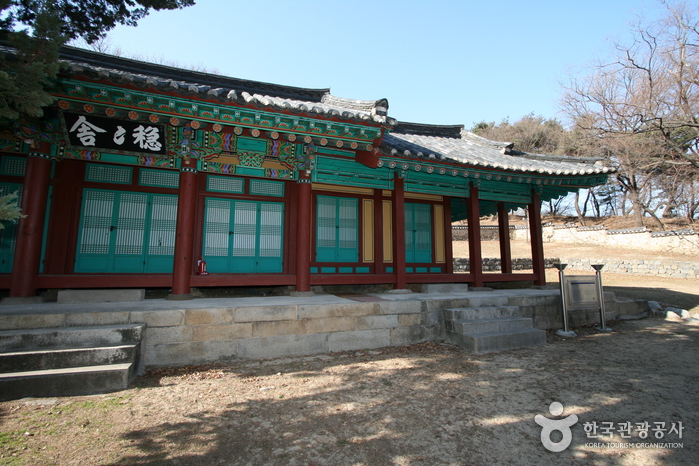
Ononsa Guesthouse (온온사)
19.3Km 2023-07-17
58 Gwanaksan-gil, Gwacheon-si, Gyeonggi-do
Though Ononsa, which was a guesthouse in Gwacheon, was constructed in the 27th year of King Injo's reign in the Joseon dynasty (1649), the name, "Ononsa," was given to this area during the reign of King Jeongjo. On February 11, 1790 during his royal procession to the tomb of his father, Crown Prince Sado, stayed at an inn in Gwacheon and, as he felt that it "has nice views and provides a comfortable stay," he bestowed upon the place plaques that he wrote himself - "Ononsa" to Seoheon and "Burimheon," which was the old nickname of Gwacheon, to Dongheon. This is how this place began to be called Ononsa.
It was designated as a Tangible Cultural Heritage of Gyeonggi-do on June 2, 1980, and it was restored on December 2, 1986 after being torn down.

Seolleung and Jeongneung Royal Tombs [UNESCO World Heritage] (서울 선릉과정릉) [유네스코 세계유산]
19.3Km 2024-07-05
1 Seolleung-ro 100-gil, Gangnam-gu, Seoul
Seolleung and Jeongneung Royal Tombs are located near COEX in Gangnam. It comprises two tombs: Seolleung Royal Tomb, which houses the remains of King Seongjong (1457-1495, r. 1470-1495) and his wife Queen Jeonghyeon (1462-1530) of the Joseon dynasty (1392-1897), and Jeongneung Royal Tomb, which houses King Jungjong (1488-1544, r. 1506-1544), Seongjong’s son. The Seolleung and Jeongneung Royal Tombs History Center details the historical significance of the tomb, while the complex also serves as a park within the city.
Gwacheon Wildflower Nature Learning Center (과천야생화자연학습장)
19.3Km 2023-07-17
118, Gyoyugwon-ro, Gwacheon-si, Gyeonggi-do
Gwacheon Wildflower Nature Learning Center was opened to provide a place to learn about nature and harmony. The area is 6,900㎡ and has approximately 112 species of wildflowers. The learning center is divided into sections according to the type and use of wildflowers. The learning center also houses a traditional tightrope walking education center. Korean tightrope walking is registered as a UNESCO Intangible Cultural Heritage of Humanity. The site offers an educational tightrope walking experience program for those interested.
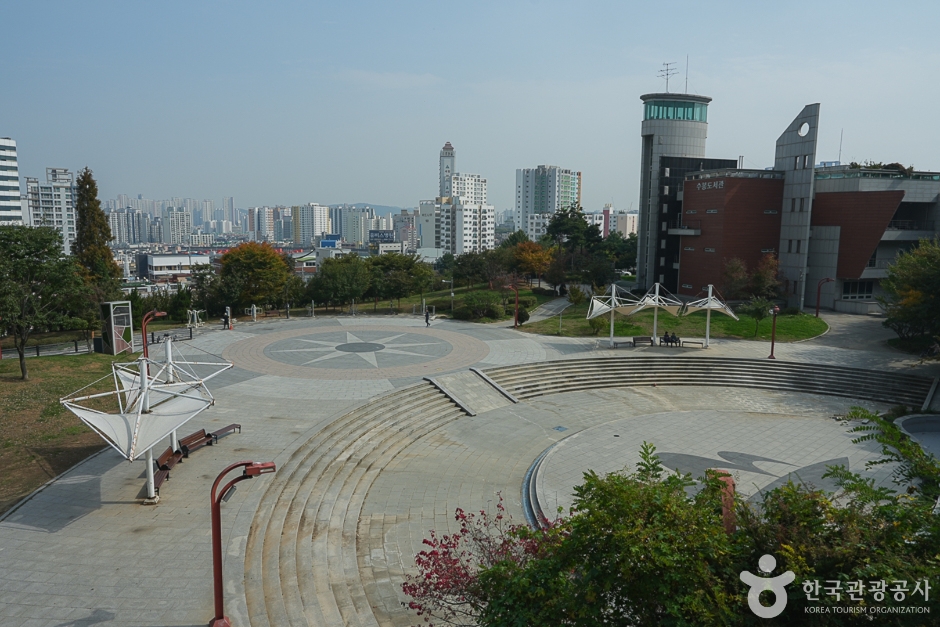
Subong Park (수봉공원)
19.3Km 2024-02-16
84 Subongan-gil, Michuhol-gu, Incheon
Subong Park, situated at the base of Subongsan Mountain in Incheon, is designed around the mountain and offers an array of facilities for both recreation and relaxation. The park features walking trails, a lawn area, an artificial waterfall, an outdoor theater, and basketball courts, catering to a wide range of interests and activities. A notable highlight is Subong Tower, located at the park's summit, which provides visitors with a sweeping panoramic view of downtown Incheon. This makes Subong Park an ideal destination for those looking to engage in physical activity or unwind amidst the bustling city environment.
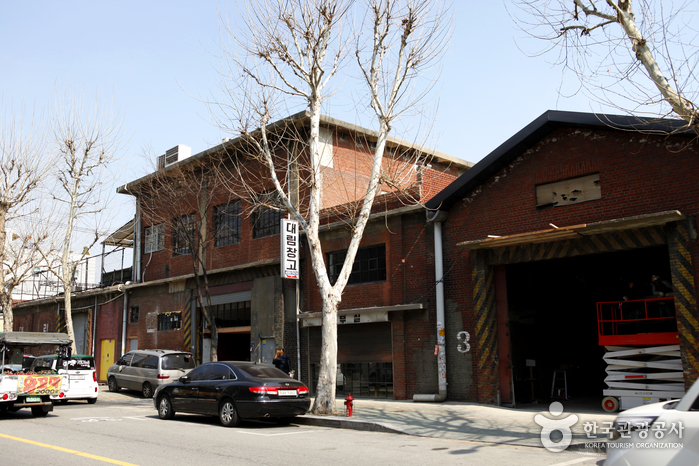
Daelim Changgo Gallery (성수동 대림창고 갤러리)
19.3Km 2025-03-18
78 Seongsui-ro, Seongdong-gu, Seoul
Daelim Changgo Gallery, which is a landmark in Seongsu-dong, is a red-brick building that was once used as a rice mill in the 1970s. It is now a cafe and art gellery that preserves as much of the original rice mill atmosphere as possible so it exudes fascinatingly vintage vibes, widely loved by young couples.
Seongsu-dong Cafe Street (성수동 카페거리)
19.3Km 2024-10-28
Seongsu-dong, Seongdong-gu, Seoul
Yeonmujang-gil in Seongsu-dong, known for old factories and a shoe workshop street, has been reborn as a place of trendy cafes and culture. The energy of car repair shops, printing factories, and handmade shoes street still exist today but, as global restaurant brands, select shops, and cafes have set up amidst busily operating factories, an atmosphere unique to Seongsu-dong has been created. "Daerim Warehouse" led to the change in the Seongsu-dong streets and can be said to be the originator of all warehouse-style cafes that are popular throughout Cafe Street today. The red-brick structure, antique signboards, and a vast indoor space of an old warehouse have been maintained and, with the addition of a sensuous interior design, it has become a space suitable for fashion shows and exhibits, thus showing new potential for old Seongsu-dong architecture. Every day, new cafes, bakeries, restaurants, and cultural complexes open their doors and are busy welcoming visitors.
Seoul Upcycling Plaza (서울새활용플라자)
19.3Km 2024-01-05
49 Jadongchasijang-gil, Seongdong-gu, Seoul
Saehwaryong is a Korean term for upcycling, a process of redesigning or recycling discarded resources or materials to give them a new value or purpose. Seoul Upcycling Plaza operates upcycling-related exhibitions, upcycling practice education and experience programs, design studios, upcycling stores, workshops, and more. It is a great place to look around for ideas and inspirations on how to use products for longer periods of time. The plaza demonstrates the first step to creating a resource-recycling society.
HappyMedion ((주)해피메디온)
19.3Km 2025-10-23
(#401), 323 Teheran-ro, Gangnam-gu, Seoul
HappyMedion, a global hospitality specialist, is a medical tourism company established with the goal of becoming the world's No.1 cultural tourism group.
We focus on wellness medical tourism based on health checkups, plastic surgery, and beauty services. With over 80 global networks and strategic partnerships, we proudly position ourselves as 'The World Best Group.'
We are committed to enhancing foreign patients' satisfaction with our differentiated premium services by providing personalized concierge solutions.
Our one-stop concierge services for medical tourism include support for obtaining medical visas, transportation between international airports and hospitals, assistance from medical tourism coordinators, and tax-free service support.
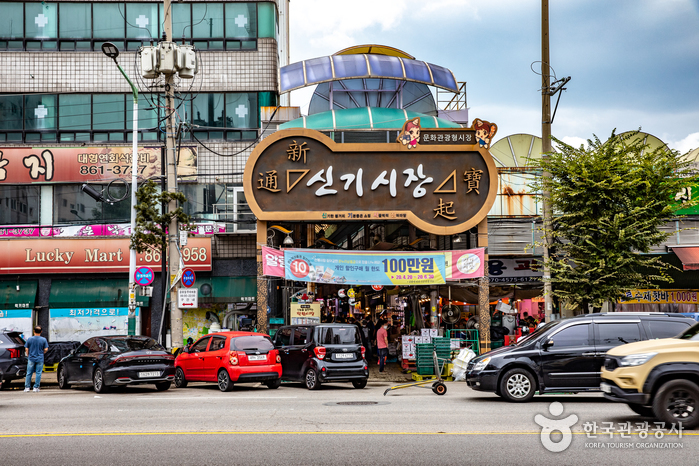
Incheon Singi Market (인천 신기시장)
19.3Km 2025-10-23
6 Singi-gil 58beon-gil, Michuhol-gu, Incheon
Designated as a cultural tourism market, Incheon Singi Market is popular among both residents and international tourists. Its charming alleyways and abundance of goods and food attract crowds daily. True to its name—"Singi” meaning “marvelous”—the market offers many unique features, most notably its exclusive currency system, Singi Tongbo. Modeled after traditional Korean brass coins (Yeopjeon), these tokens are used on market premises instead of cash. Each token is worth 500 won and is commonly used at snack stalls and food alleys. These traditional-style coins also intrigue and delight international visitors. The origins of Singi Market are equally fascinating. In the 1970s, women began selling vegetables grown in their kitchen gardens at the foot of Munhaksan Mountain. As more people gathered, the area naturally evolved into a neighborhood alley market. (Source: Incheon Tour)
Cheongdam Park (청담공원)
19.3Km 2021-07-30
26, Yeongdong-daero 131-gil, Gangnam-gu, Seoul
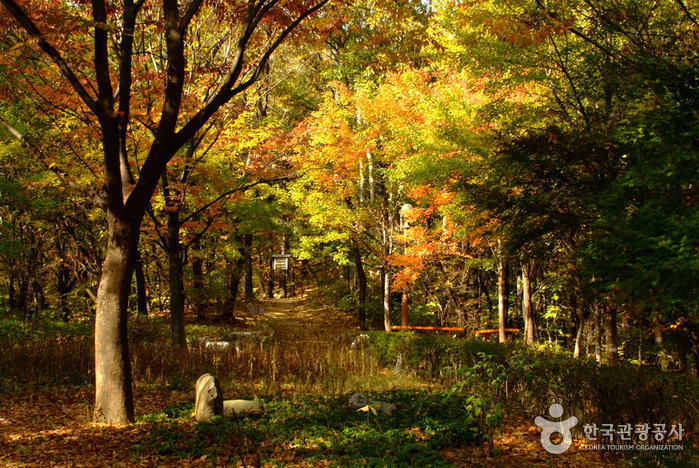
Up until the early 1960's, people would cross the Hangang River from Ttukseom Ferry Dock and arrive in Cheongdam-dong. Although highly developed, Cheongdam Park remains as a soothing natural oasis that is relatively untouched by city pollution. Following the trail, there is a small exercise area and playground. The park is quite crowded in the morning with people exercising. The tightly woven trees in the park offers a resting place to enjoy fresh air. The park size is 59,347 ㎡.
 English
 한국어
한국어 日本語
日本語 中文(简体)
 Deutsch
 Français
 Español
 Русский


