![Stay Hwangryong[Korea Quality] / 스테이황룡 [한국관광 품질인증]](http://tong.visitkorea.or.kr/cms/resource/48/2810848_image2_1.jpg)
Stay Hwangryong[Korea Quality] / 스테이황룡 [한국관광 품질인증]
17.4Km 2024-10-30
5-3, Haengbok 1-gil, Hwangnyong-myeon, Jangseong-gun, Jeollanam-do
Stay Hwangryong is a tranquil hanok accommodation where the Hwangryonggang River flows in front. The hanok surrounded by a low stone wall is divided into two sections: Sarangchae and Anchae. The broad yard with flowering trees add more beauty to the landscape. The guest rooms of Stay Hwangryong include Hwangryong, good for six guests, Sarangchae 1 and 2 that are both good for two travelers, and a Maru that is the equivalent of a living room. The modern hanok retains the traditional beauty, while having added the convenience of modern facilities. Bright lightings on the ceiling and glass windows dressed in white curtains that replaced hanji give a more trendy look. Individual heating system per room, WiFi, and air conditioning are provided. The kitchen is equipped with a rice cooker, induction cooktop, and other kitchenware for those who wish to cook during the stay. Each room has a barbecue grill for guests to enjoy. The yard with plentiful sunlight is good for small gatherings, such as family gatherings and birthday parties.

National Center for Forest Education, Naju (국립나주숲체원)
17.5Km 2024-02-19
116 Geumseongsan-gil, Naju-si, Jeollanam-do
National Center for Forest Education, Naju is a national recreational facility located on Geumseongsan Mountain. It operates customized forest education and cultural programs based on the wild tea plantation of Geumseongsan Mountain and the culture of Naju. Utilizing the facilities of the forest center and the surrounding nature, it offers various experiential programs such as forest walking, stretching, meditation, and natural dyeing experiences of Naju's traditional culture.
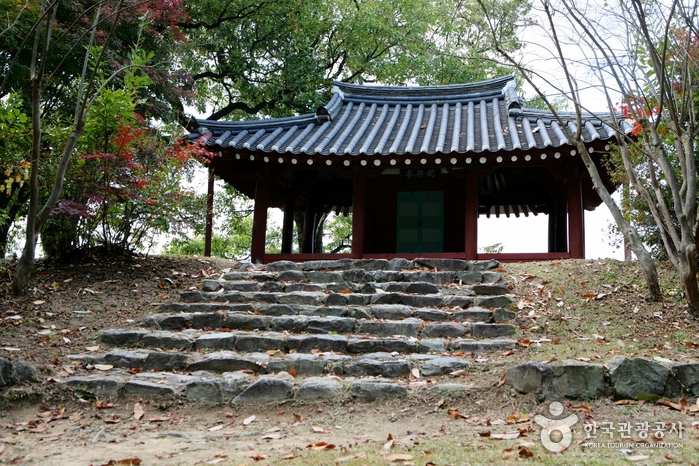
Myeonangjeong Pavilion (면앙정)
17.7Km 2025-01-09
382-11 Myeonangjeong-ro, Damyang-gun, Jeollanam-do
Myeonangjeong Pavilion is located on the slopes of Jebongsan Mountain in Damyang-gun. The pavilion was constructed in 1533 by Song Sun (1493-1583), who built it as a place for writing poems. After its construction, the pavilion served as a meeting place for scholars and intellectuals and was even frequented by Lee Hwang (1501-1570), a representative Confucian scholar who is pictured on the 1,000 won bill.
The roof of Myeonangjeong Pavilion was originally made of reeds, straw, grass and other materials which could not withstand the elements. After several repairs, the building was developed into the wooden structure that it is today.
From the back of the pavilion, you can see the mountain range and open wide fields; renowned scholars’ poems are engraved on the wooden panels that decorate the pavilion walls.
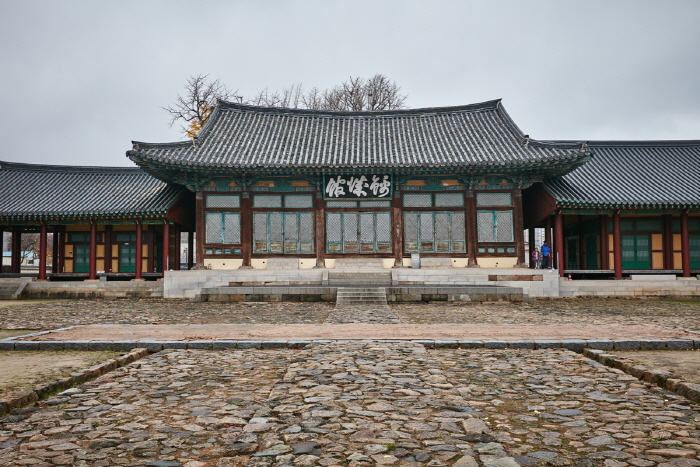
Naju Geumseonggwan Hall (나주 금성관)
17.8Km 2021-08-17
8, Geumseonggwan-gil, Naju-si, Jeollanam-do
Naju Geumseonggwan Hall was a state-run guesthouse for government officials during the Joseon period. It was the venue for ceremonial praise rituals for the king, taking place on the first and 15th of each month, as well as banquets held in honor of visiting dignitaries. The building was constructed sometime between 1475 and 1479. The building was remodeled during the Japanese occupation, but was restored to its original design in 1977.
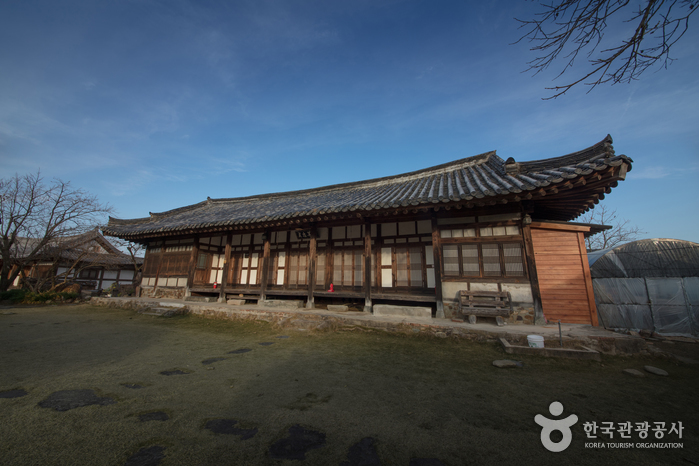
Gotaekhanok (고택 한옥에서)
17.8Km 2024-12-23
88-9 , Doldam-gil, Damyang-gun, Jeollanam-do
In A Hanok is a grand old house in Samjinae Village, Changpyeong, Jeollanam-do - a member of the international Slow City movement. The house comprises a sarangchae (men’s house), an anchae (women’s house), outbuildings and a spacious yard and garden. Local tourist destinations such as Soswaewon Garden, Songgangjeong Pavilion, and Damyang’s bamboo forest and redwood road are all within 30 minutes, of the house. Visitors can rest here while drinking in the atmosphere of the old Korean countryside.
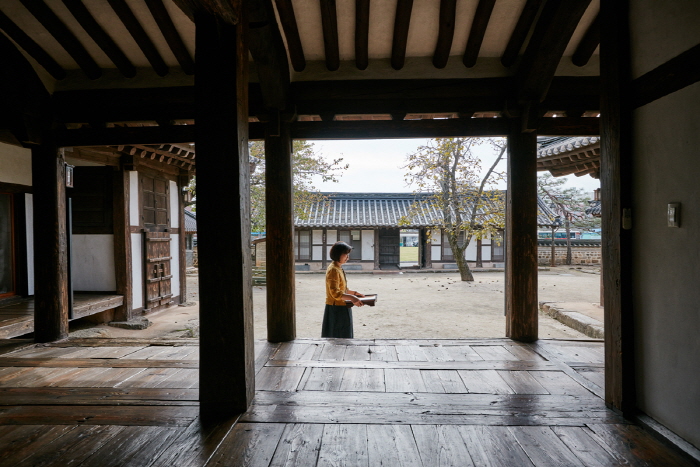
Naju Moksanaea (나주목사내아)
17.9Km 2021-09-30
13-10, Geumseonggwan-gil, Naju-si, Jeollanam-do
Naju Moksanaea was the private residence of Naju's moksa, the title of highest official in the region. This traditional hanok house was built in 1825 and follows the traditional hanok design of a wealthy aristocrat. It is recognized as Jeollanam-do Cultural Hertiage Material.
3917Majung (3917마중)
18.1Km 2024-12-23
42-16 , Hyanggyo-gil, Naju-si, Jeollanam-do
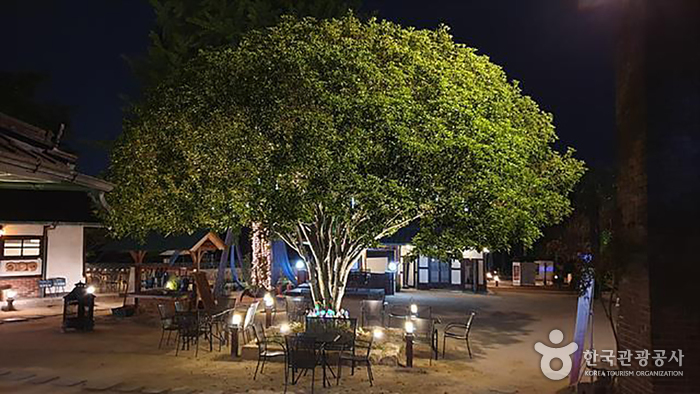
3917 Majung is a Japanese- and Western-style hanok commonly seen in the late Korean Empire period, in Naju, Jeollanam-do, which combines a cafe, cultural space and hanok stay. The 3.2 acre site contains four buildings, with a mixture of ondol rooms, tatami rooms, daecheong floors and numaru lofts. Some buildings have bathrooms installed, some share outdoor bathrooms. All four buildings are let as private houses.
YangDongHo Traditional House (Hanok 152) / 양참사댁(양동호 가옥 / 한옥152)
19.4Km 2025-03-05
24 , Darasil-gil, Hwasun-gun, Jeollanam-do
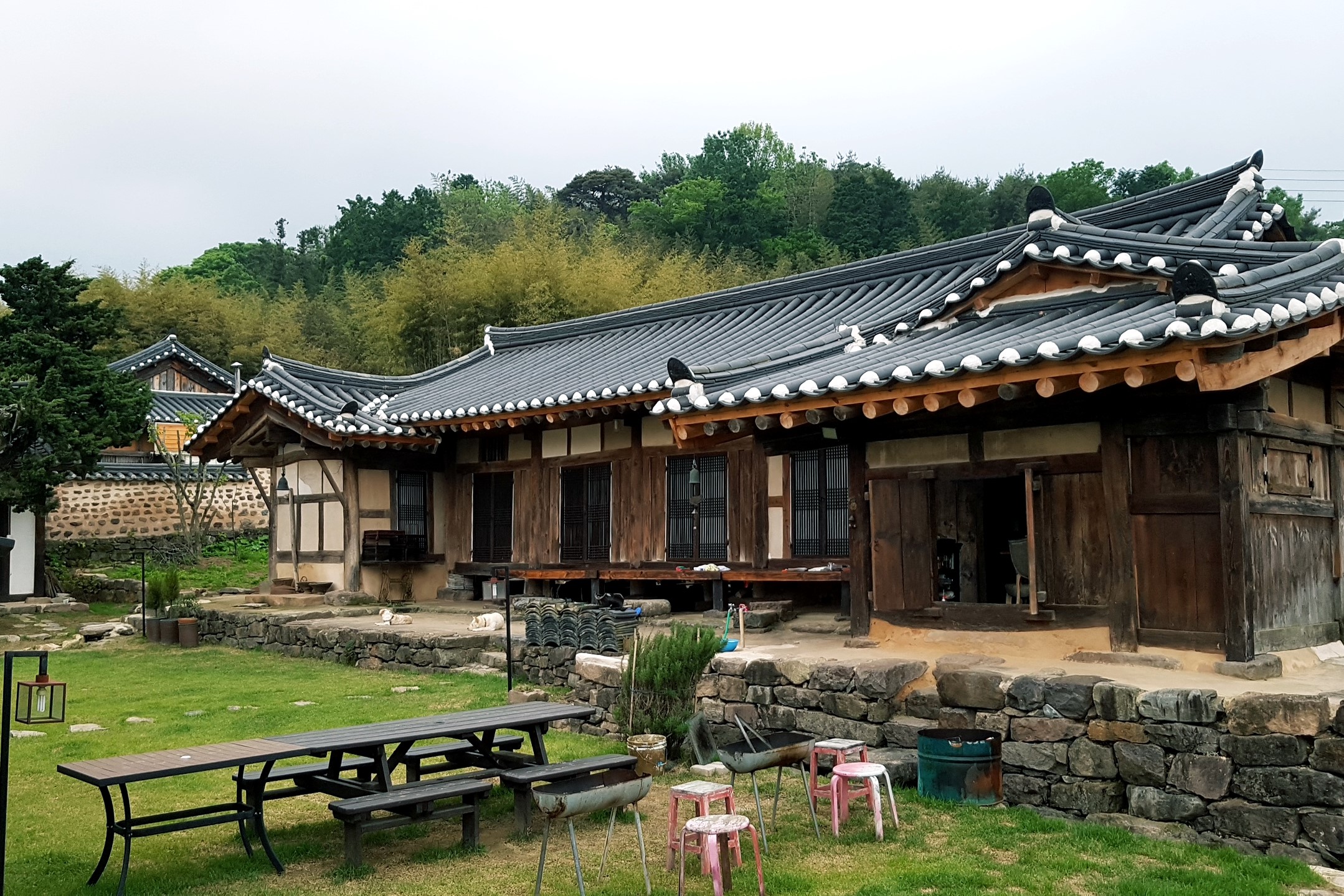
Yangchamsa House, also known as Yangdongho House, is a hanok stay in Hwasun, Jeollanam-do - a 300-year-old yangban dwelling now designated a national folk cultural asset. There are five guestrooms of different sizes in the anchae and sarangchae. The house hosts exhibitions and concerts from time to time, and can be hired for weddings, banquets or workshops. There’s a traditional cultural experience program. Nearby must-visit places are Hakjae Old House and Hwasun Dolmen Site in the village, and Unjusa Temple (a 15-minute drive away).
 English
 한국어
한국어 日本語
日本語 中文(简体)
 Deutsch
 Français
 Español
 Русский


