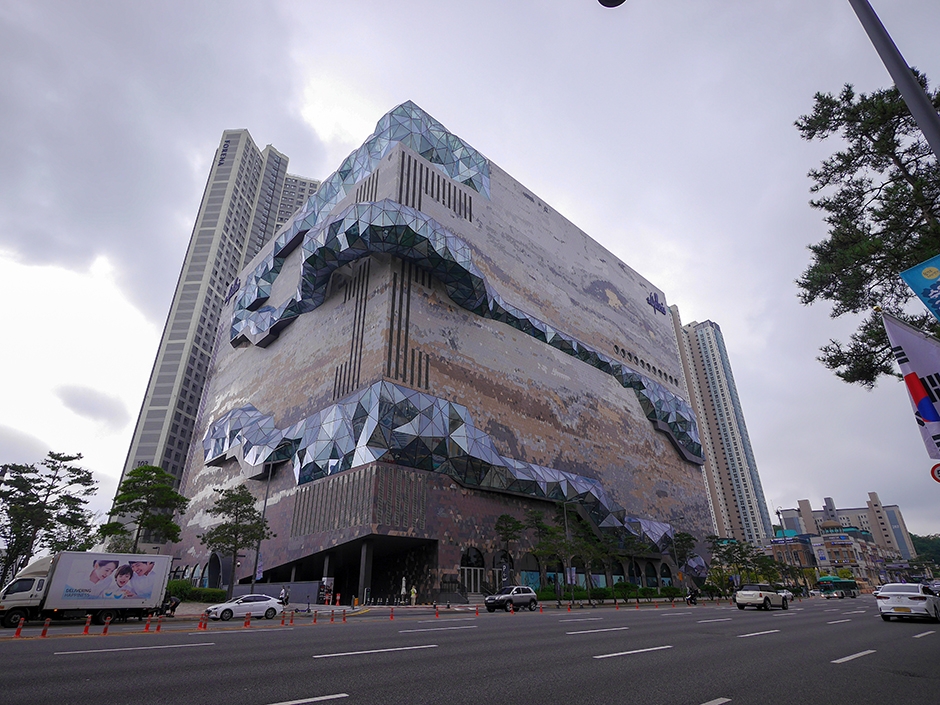
Galleria Gwanggyo Passage (갤러리아 광교 파사쥬)
17.2Km 2025-05-21
124 Gwanggyojungang-ro, Yeongtong-gu, Suwon-si, Gyeonggi-do
Opened in 2020, the Galleria Gwanggyo Passage is located on the lower floors of the Galleria Gwanggyo. Inspired by sedimentary rocks, its exterior was designed by renowned architect Rem Koolhaas. With its striking design, it offers visitors a unique experience. In addition to popular cafes and bakeries, visitors can explore a variety of brands of cosmetics, outwear, IT, and food & beverages. The space also features various photo zones, a self-studio, and other fun activities that go beyond the traditional department store experience.

Incheon Himchan General Hospital (인천힘찬종합병원)
17.4Km 2025-11-26
72 Nonhyeon-ro (Nonhyeon-dong), Namdong-gu, Incheon
Incheon Himchan General Hospital has specialized in joint, spine, and internal medicine care since 2002. It is located about one hour by car from Incheon International Airport. The hospital provides joint and spine surgeries and operates a robotic joint replacement center. It has an integrated internal medicine consultation system to support the treatment and recovery of patients with complex conditions. The health promotion center and rehabilitation center are well established, and the wards are clean and patient-centered.
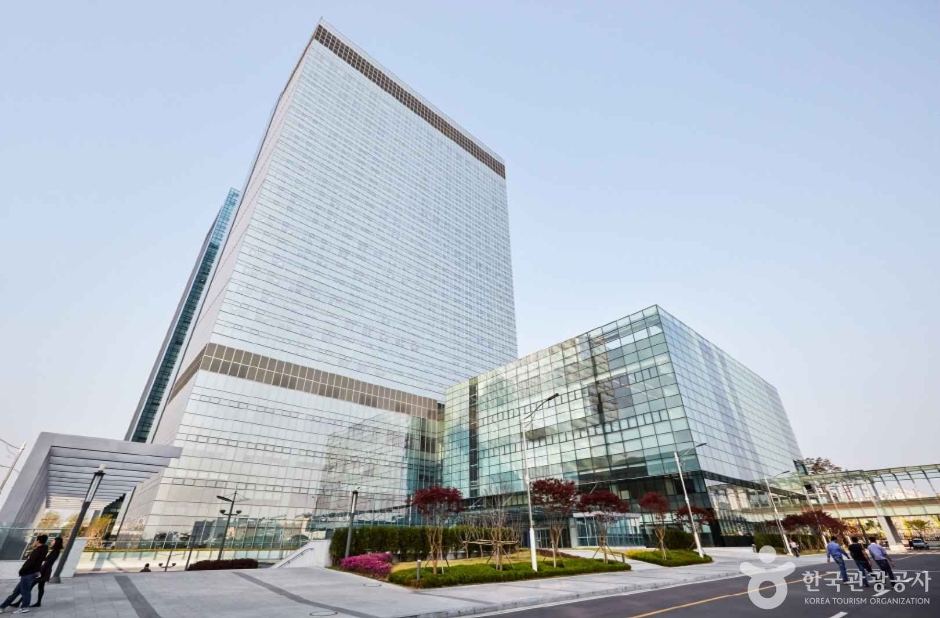
Samsung Innovation Museum (삼성 이노베이션 뮤지엄)
17.5Km 2024-10-31
129 Samsung-ro, Yeongtong-gu, Suwon-si, Gyeonggi-do
Samsung Innovation Museum is an electronic industrial museum run by Samsung, a major global company based in Korea. The museum mainly consists of three sections. Visitors can learn about the history of Korea's electronic industry, as well as the past, present and future of the semiconductor, display and mobile industries, where Samsung made great achievements. The museum also runs an education facility called Children's Display Research Institute.
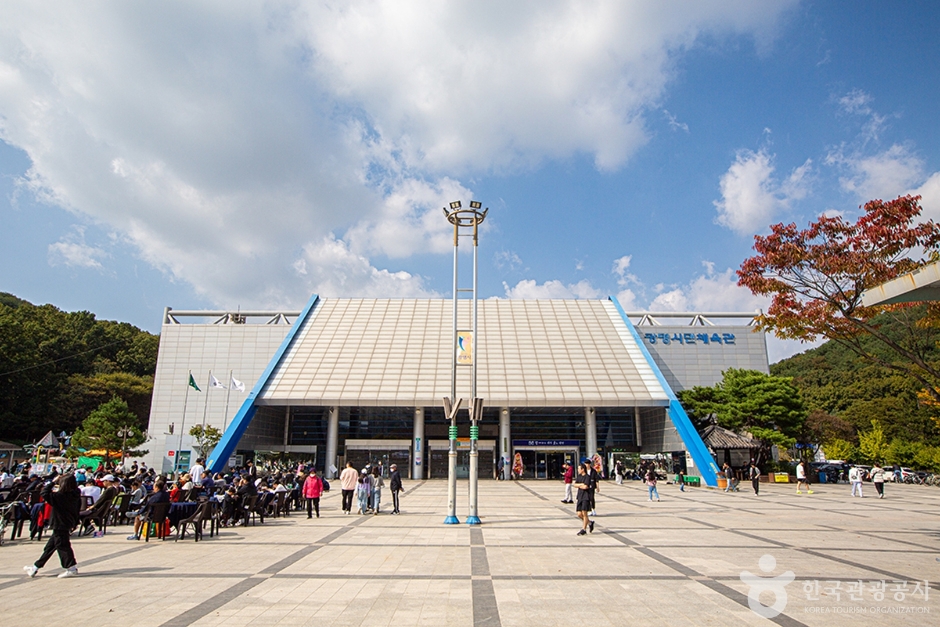
Gwangmyeong Indoor Gymnasium (광명시민체육관)
17.8Km 2024-02-20
703 Ori-ro, Gwangmyeong-si, Gyeonggi-do
Gwangmyeong Indoor Gymnasium is a stadium equipped with seating for 3,000 spectators. It houses facilities for physical training, including golf, fitness, and table tennis. The spacious and vibrant lawn plaza immediately draws attention. This complex includes an open art hall for performances, sports facilities like an inline bicycle track and basketball courts, and amenities such as a children's playground and an outdoor water play area. Additionally, it features a 16-meter-high artificial rock-climbing wall.
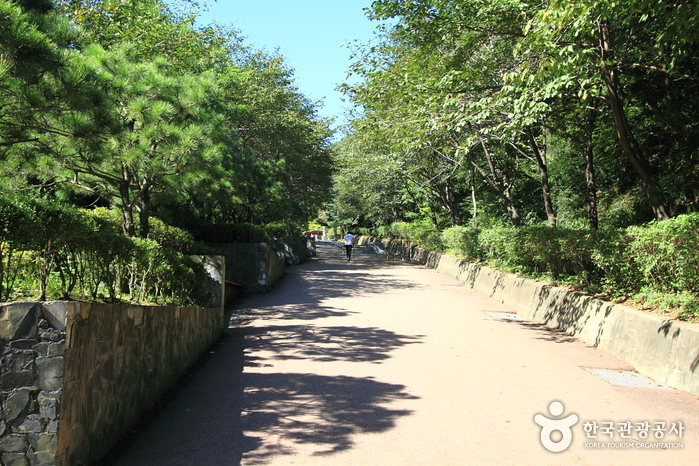
Soraesan Mountain (소래산)
17.9Km 2024-02-06
Daeya-dong, Sincheon-dong, Siheung-si, Gyeonggi-do
Soraesan Mountain, with an altitude of 299 meters, is situated between Siheung and Incheon. Its name "Sorae" originates from the area's old name, reflecting its rich heritage. The scenic mountain features a forest park, badminton courts, basketball courts, futsal fields, and various other amenities. Notably, midway up the mountain stands the striking Standing Rock-carved Bodhisattva, an impressive 15 meters tall. With numerous hiking trails, the summit of Soraesan Mountain offers breathtaking views of the Yellow Sea, Seoul, and Incheon.
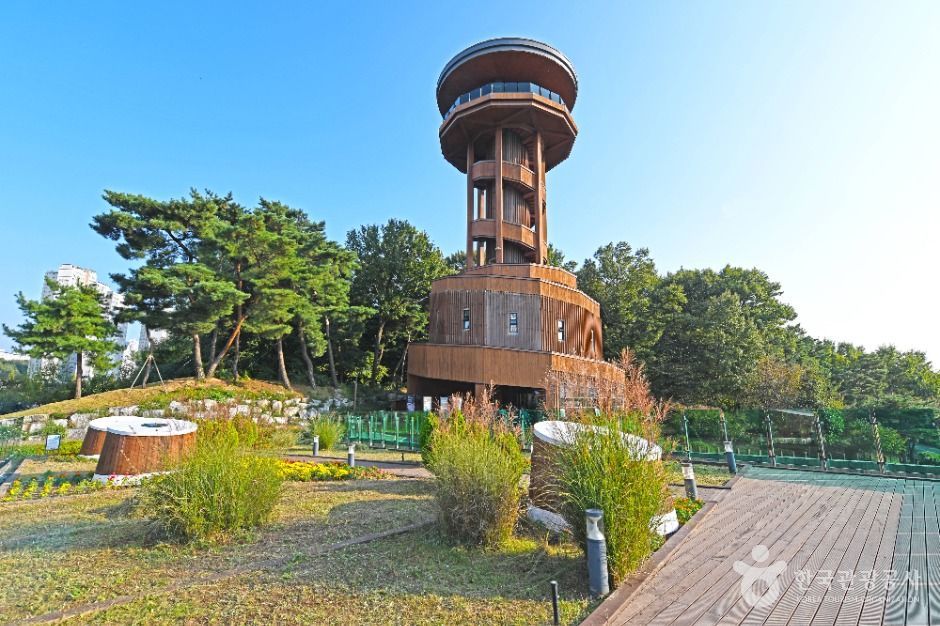
Gwanggyo Freiburg Observatory (광교 프라이부르크전망대)
18.0Km 2025-05-21
127 Gwanggyohosu-ro, Yeongtong-gu, Suwon-si, Gyeonggi-do
The Freiburg Observatory in Gwanggyo Lake Park is inspired by the observatory in Freiburg, an eco-city in Germany, and represents Suwon’s commitment to becoming an eco-conscious city. The observatory offers a stunning view of the lakes nearby.
Gwanaksan Mountain (관악산)
18.1Km 2023-01-02
Gwanak-ro, Gwanak-gu, Seoul
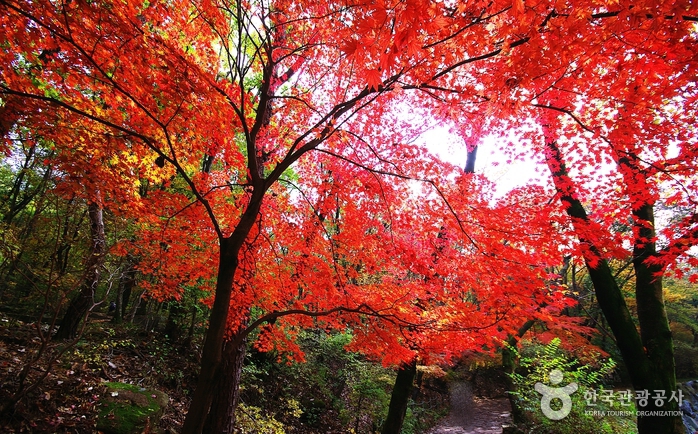
Reaching 632.2 meters in x_height, Gwanaksan Mountain is the symbol and pride of Gwanak-gu district in Seoul. Most of the cultural heritage of the district originates from Gwanaksan Mountain. Since it was designated as a city natural park in 1968, it has continued to serve as a favorite place for relaxation and excursion for Seoul citizens. The various rocky peaks and the deep valleys give the mountain a rugged feel. The mountain's size and close proximity to Seoul make it easy for Seoul residents to make a day trip.
In the spring, cherry blossoms are in full bloom near the entrance to the mountain, and a Rhododendron Festival is held when the rhododendrons are in full bloom. At the mountain's summit are Wongaksa Temple and Yeonjuam Hermitage, which were built by Taejo Yi Seong-gye (the founder of the Joseon dynasty) to ward off misfortune when he decided to move the capital to Seoul. There are also other temples and hermitages, and a ground radar observation post. Yeonjudae Hermitage, located atop a cliff, is where all the hiking trails of Gwanaksan Mountain meet.
Jaunam Hermitage (자운암)
18.2Km 2023-05-08
Gwanak-ro, Gwanak-gu, Seoul
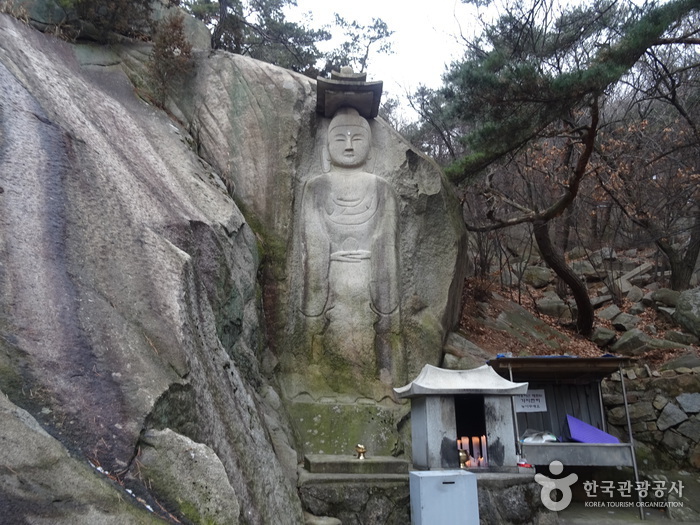
Jaunam Hermitage was originally built in 1396 by Great Monk Muhak of Joseon dynasty. It was renovated in 1734, and finally took shape of the hermitage we know today in 1976 when Monk Boryun added Daeungjeon Hall, Chilseonggak Pavilion, and Sansigak Pavilion. It is currently located in the famous Jahadong Valley on the Seoul National University campus.
Samseongsan Holy Ground (삼성산성지)
18.2Km 2021-08-17
454-16, Hoam-ro, Gwanak-gu, Seoul
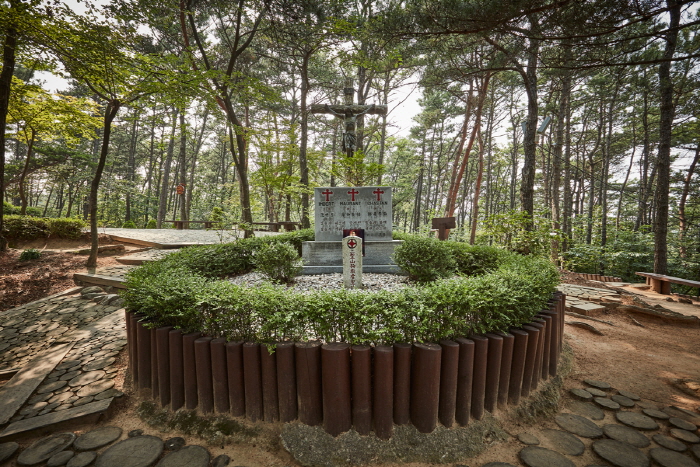
During the Gihae Persecution of 1839, three French Catholic priests were sentenced to death for spreading Catholicism in Korea. Saint Laurent Joseph Marius Imbert (Bishop), Saint Pierre Philibert Maubant (Priest), and Saint Jacques Honore Chastan (Priest) were beheaded on September 21, 1839 at Saenamteo, currently known as the Saenamteo Catholic Holy Place of the Martyrs, and their bodies were buried at Samseongsan Mountain and later transferred to the grotto of Myeondong Cathedral.
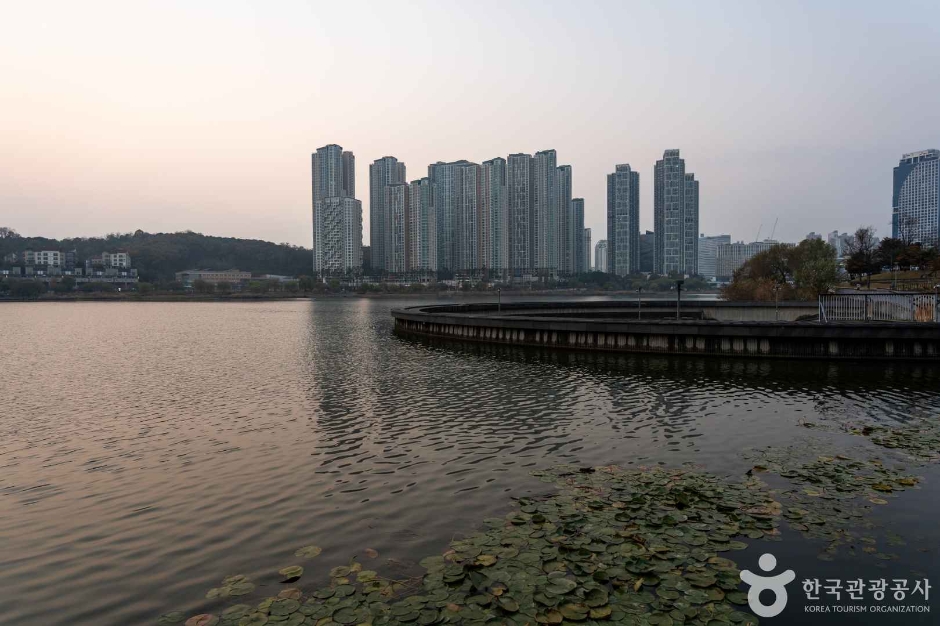
Gwanggyo Lake Park (광교호수공원)
18.3Km 2025-05-22
165 Gwanggyohosu-ro, Yeongtong-gu, Suwon-si, Gyeonggi-do
Gwanggyo Lake Park is the largest lake park in the city center of Korea. The park is designed to blend the scenic nature of Gwanggyosan Mountain and the nearby reservoirs with urban culture. It consists of urban levees and 6 different themed "dumbeong," the Korean term for a pool of water.
 English
 한국어
한국어 日本語
日本語 中文(简体)
 Deutsch
 Français
 Español
 Русский


