Soraepogu Pocha Street (소래포구 포차거리)
15.7Km 2024-02-15
12 Soraeyeok-ro, Namdong-gu, Incheon
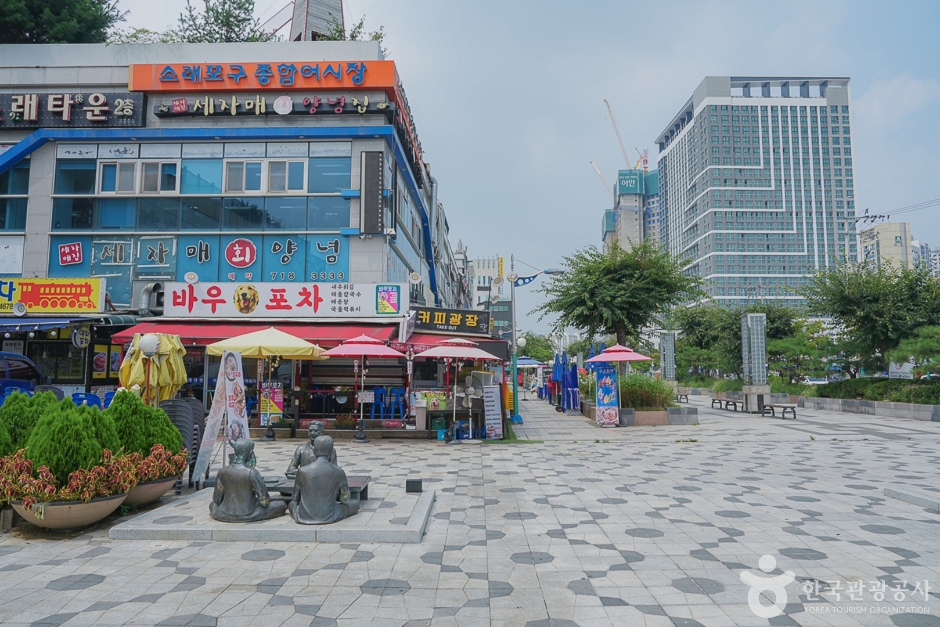
Located just in front of the Sorae Fish Market, Soraepogu Pocha Street comes alive in the evening as a vibrant street filled with food stalls. Visitors are treated to an array of fresh seafood dishes, including daeha sogeum gui (salt-grilled prawn), kkotgejjim (steamed blue crab) and kkotge twigim (fried blue crab). Additionally, patrons have the unique opportunity to purchase hoe (sliced raw fish), directly from the fish market and pair it with the street food offerings.
Bonsuwon Galbi (본수원갈비)
15.8Km 2024-12-02
41, Jungbu-daero 223beon-gil, Paldal-gu, Suwon-si, Gyeonggi-do
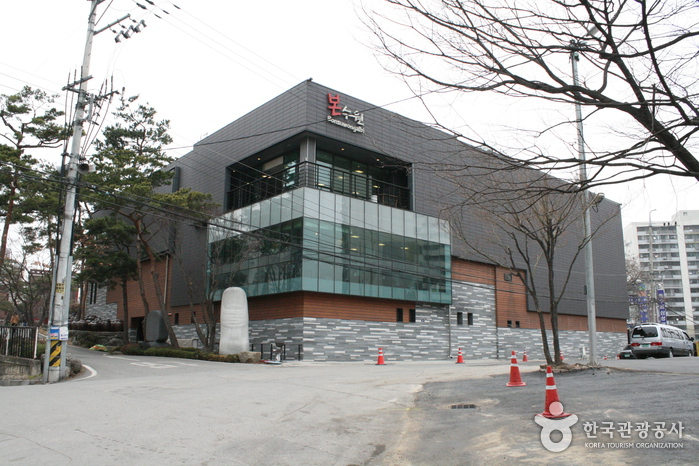
With over 50 years of history, Bonsuwon Galbi is said to be one of Suwon's top three galbi restaurants. Diners can choose between saeng-galbi (grilled, unmarinated galbi) to savor the natural flavor of the meat, or yangnyeom-galbi (grilled, marinated galbi) for a richer, more savory taste.

Gyeonggido Dance Company’s Saturday Show: Dancing Cultural Heritage(경기도무용단 토요상설공연: 문화유산을 춤추다)
15.8Km 2025-06-11
경기도 수원시 팔달구 효원로307번길 20 (인계동)
Sorae Marsh Ecological Park (소래습지생태공원)
15.8Km 2023-01-12
77, Sorae-ro 154beon-gil, Namdong-gu, Incheon
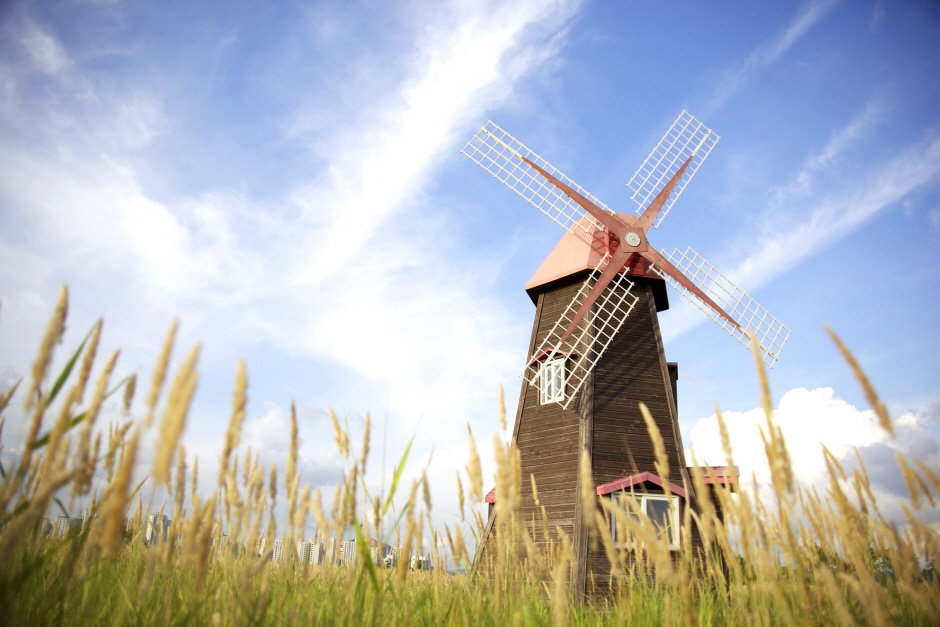
Sorae Marsh Ecological Park is located on a vast plot of land in Incheon. The park first opened in June 1999 at the site of an old saltern on a 660,000 ㎡ plot but has expanded over the years to an area of 3.5 million ㎡. The previous salt storage has been converted into an ecology exhibition space, displaying the history of the area as well as the plants and animals that live here. The park expanded in April 2001 with the addition of the Ecology Hall and Nature Learning Center, offering various educational experience opportunities. The walking paths by the salt storage and the windmill are especially popular photo points. Many people visit in fall for the shimmering silver grass, said to appear in many colors depending on the lighting. The park amenities, including rest areas and benches, make the park a popular destination for families and couples.
Hwaseong Yongjusa Temple (용주사(화성))
15.9Km 2021-12-21
136, Yongju-ro, Hwaseong-si, Gyeonggi-do
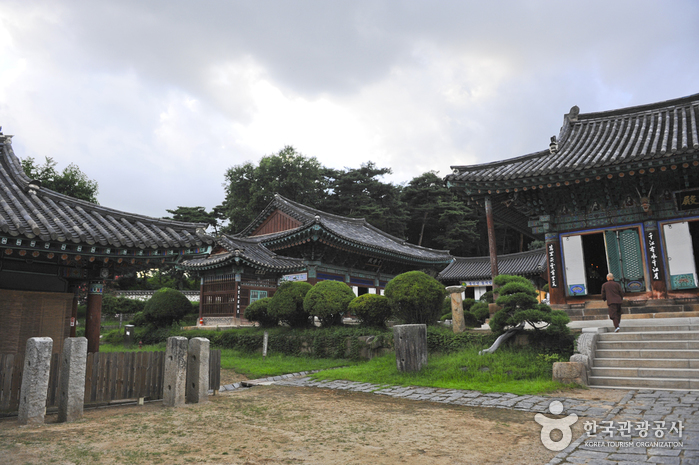
Yongjusa Temple is located near Yungneung and Geolleung Royal Tombs. This site was originally the location of Garyangsa Temple, which was constructed in 854, during the 16th year of King Munseong of the Silla Kingdom. The temple was very famous as it was surrounded by beautiful mountains and crystal clear waters. However, the temple was destroyed by fire during the Manchu War of 1636.
During the Joseon dynasty, King Jeongjo moved the tomb of his father to this spot, and built Yongjusa Temple here to pray for the repose of his father’s soul. It is said that one night before the temple was completed, King Jeongjo dreamt of a dragon ascending to the sky holding a magic ball in its mouth. He therefore named the temple “Yongjusa,” which means the temple of a dragon with a magic ball in Korean.
The courtyard of the temple contains the Bronze Bell of Yongjusa Temple, a National Treasure; a stone pagoda; Daeungbojeon (the main hall); and Cheonboru Pavilion. Visitors to Yongjusa Temple can also find the “Bumoeunjunggyeong” books, which were written by King Jeongjo on the subject of filial affection and respect for one’s parents. These days, Yongjusa Temple and the Yungneung and Geolleung Royal Tombs are highly valued for their cultural heritage.
Wolhwawon Garden (월화원)
15.9Km 2024-03-20
399 Dongsuwon-ro, Paldal-gu, Suwon-si, Gyeonggi-do
Wolhwawon Garden is nestled in Hyowon Park of Suwon and features elements that are heavily influenced by Chinese culture. The garden was established as a result of a special memorandom of agreement (MOU) signed in 2003 between the provincial governments of Gyeonggi-do in Korea and Guangdong in China, in appreciation of the two city's cooperative relationship. It boasts traditional gardens and architecture, man-made lakes and waterfalls designed in the Cantonese style.
First Suwon Outdoor Concert Hall (수원 제1야외음악당)
15.9Km 2024-02-19
335 Dongsuwon-ro, Paldal-gu, Suwon-si, Gyeonggi-do
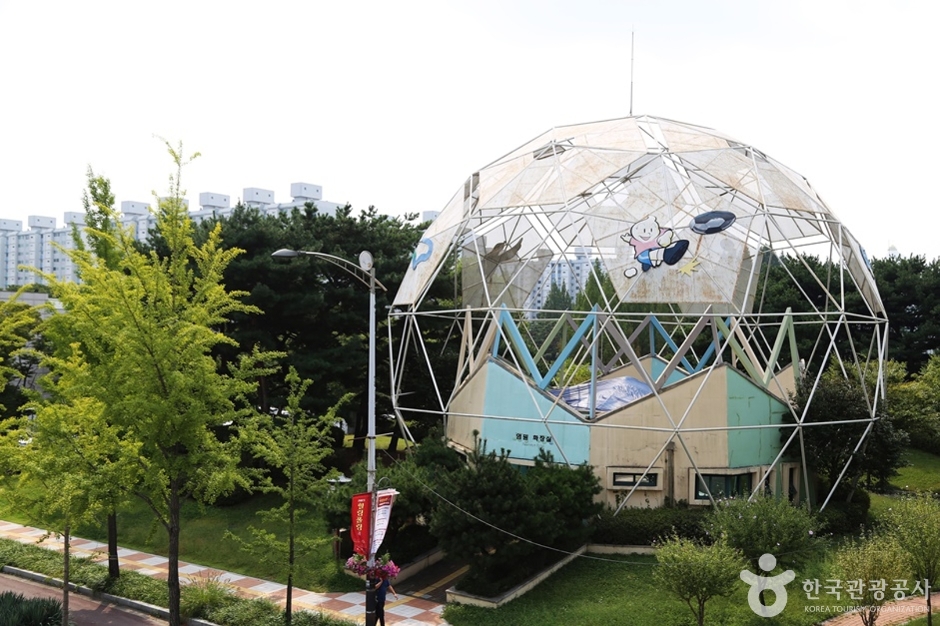
The First Suwon Outdoor Concert Hall, situated in Ingye Art Park and recipient of the Korean Architecture Award in 1996, functions as an open-air performance venue. It features 799 fixed seats and a grassy plaza that can accommodate around 15,000 people, making it a notable space. Renowned for its high-quality facilities that provide an indoor-level sound experiences, it has become a beloved relaxation spot for the city's residents.
Siheung Oido Museum (시흥오이도박물관)
15.9Km 2025-10-27
332 Oido-ro, Siheung-si, Gyeonggi-do
The place of Kuk Yeonsoo and Choi Ung's hug from behind
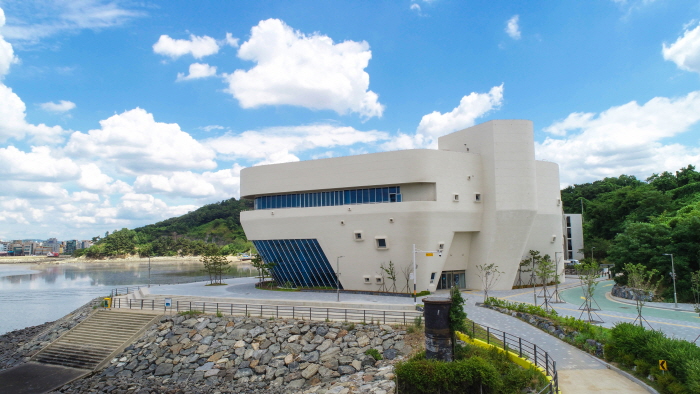
Oido, an island that was isolated from the mainland until 100 years ago, became inland with the creation of the Gunja Salt Farm and the construction of the Sihwa Embankment. It is the largest shell mound historic site on the west coast, and various Neolithic artifacts have been excavated, and the entire island has been designated as Historic Site No. 441. Inside the museum, which records the history of Oido, there are various interesting experiences and exhibitions that give a glimpse of life in the Neolithic Age. Outside the building, there is an overpass with many pillars where Kuk Yeonsoo gave Choi Ung a back hug. On the floor of the branch, there is a sticker that reads ‘Our Beloved Summer’, so it's good to take a commemorative photo.
Gloucester Hotel Incheon (글로스터호텔 인천)
15.9Km 2024-12-23
36 , Soraeyeok-ro, Namdong-gu, Incheon
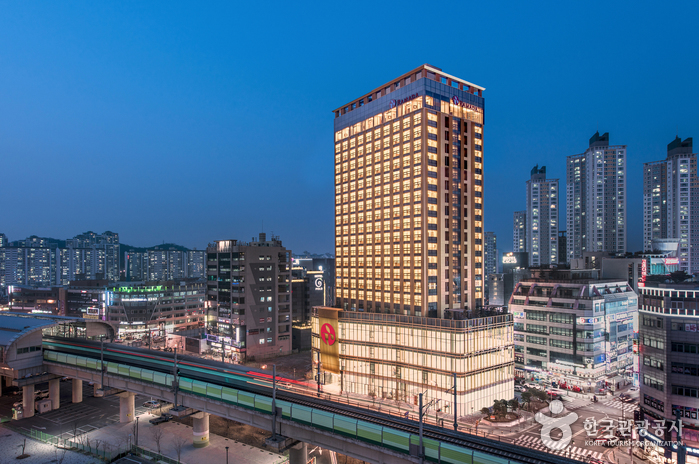
Gloucester Hotel Incheon stands in downtown Incheon overlooking Sorae Port. It offers a range of rooms including ondol rooms, bedroom-style rooms with kitchen facilities, and kids rooms. Some rooms have a bathtub. Additional facilities include a meeting room and business center, a coin operated laundry, and a breakfast buffet in the 3rd floor Glory Hall. The night view from the Sky Lounge bar on the 17th floor is spectacular. Soraepogu Station is a 5-minute walk away, while Soraepogu Fish Market and Sorae Wetland Ecological Park are also nearby.
Sammaksa Temple (삼막사)
16.1Km 2024-02-07
478 Sammak-ro, Manan-gu, Anyang-si, Gyeonggi-do,
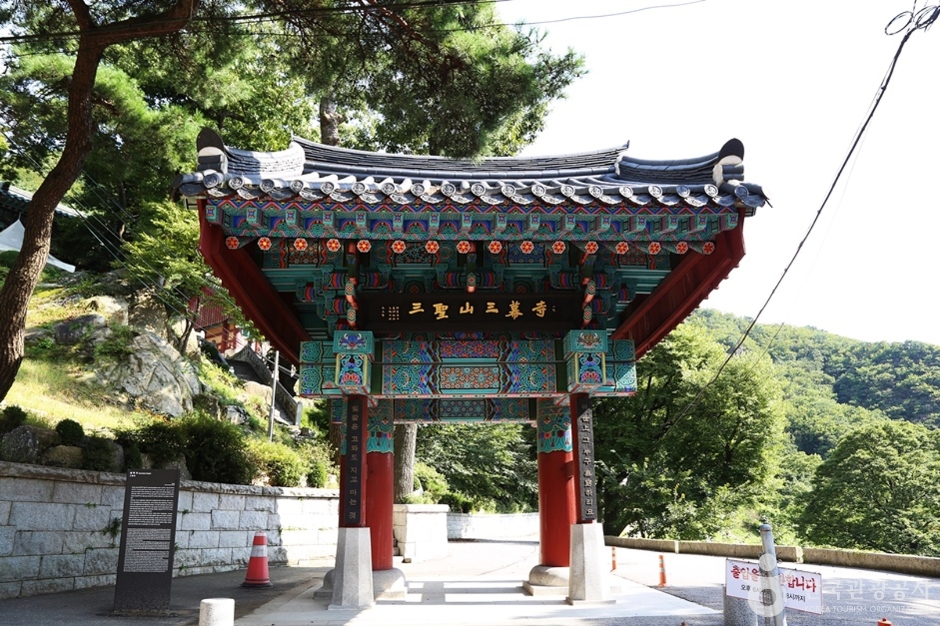
Sammaksa Temple is a Buddhist temple located in Samseongsan Mountain. Legend has it that the temple was established in 667 by Wonhyo, a Buddhist philosopher from the Silla era. Within the temple grounds are Cheonbuljeon Hall, Yukgwaneumjeon Hall, Myeongbujeon Hall, Manghaeru Pavilion, Chilbogak House, among others. The temple holds heritages like the Rock-carved Buddha Triad and the Fertility Stones. These artifacts, symbolizing the fusion of Buddhism and folk religion, highlights the ancient nature of the place.
 English
 한국어
한국어 日本語
日本語 中文(简体)
 Deutsch
 Français
 Español
 Русский


