Hwanghak-dong Flea Market (Dokkaebi Market / Manmul Market) (황학동 벼룩시장 (도깨비시장/만물시장))
19.5Km 2025-04-11
11-7 Majang-ro 5-gil, Jung-gu, Seoul
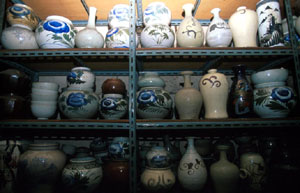
Hwanghak-dong Flea Market was named after the way how merchants travel from one place to another all over the country, as if like fleas hopping around from one spot to another, to collect rare and valuable items. This market was once a haven of antiques and collectibles, but with the formation of old-fashioned art street in 1983 in Janganpyeong, many classic art shops had moved out, leaving only used item and general goods stores. Now, visitors can find stores selling antiques, used furniture, electronics, clocks, jewelry, musical instruments, camera, and machinery – pretty much anything one can name. Hwanghak-dong Flea Market is also referred to as Dokkaebbi Market, to describe how even the most rundown items become just like new, as if like the work of a dokkaebi (Korean folk goblin).
Gyeyangsan Mountain Trail (계양산둘레길)
19.5Km 2024-02-15
Danam-dong, Gyeyang-gu, Incheon
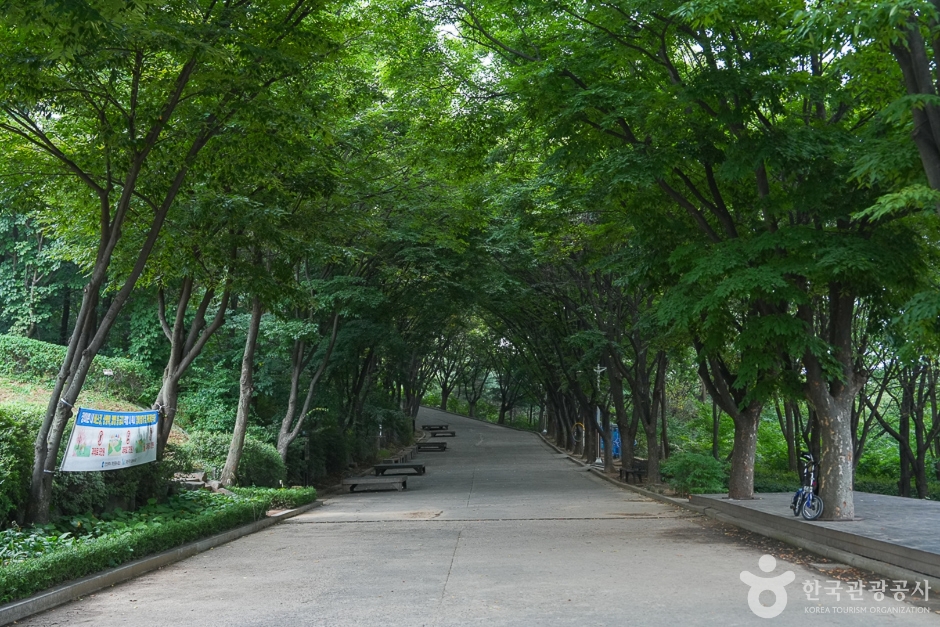
The Gyeyangsan Mountain Trail, spanning 7.29 kilometers, is set around Gyeyangsan Mountain, which stands at 395 meters above sea level in Incheon. The journey begins at the Gyeyangsan Outdoor Theater and winds through several notable points including Imhak Ogeori, Mudanggol Mineral Spring, Pigogae Pass, Jingmaeigogae Pass, the Rose Garden, and the Gyeyang Cultural Center, before circling back to the starting point. The trek, which takes approximately two hours to complete, is facilitated by a decked path that extends throughout the route, making it accessible and enjoyable for hikers.

Oido Island (오이도)
19.5Km 2025-05-08
175 Oido-ro, Siheung-si, Gyeonggi-do
Located off the western coast of the city of Siheung, Oido Island was originally an island and then connected to the mainland during the Japanese occupation as its tidal flats were used as a salt plant. During the day, the blue sea and the red lighthouse, the symbol of Oido, create a picturesque scene. In the evening, visitors can enjoy the spectacular sight of red sunsets over the sea. It also includes the largest prehistoric site on the west coast. The expansive tidal flats are home to a wide variety of creatures, attracting seasonal migratory birds.
Samcheong Park (삼청공원)
19.6Km 2024-03-18
44, Insadong-gil, Jongno-gu, Seoul
Samcheong Park is a park that blooms in cherry blossoms in spring and fall colors in fall near Gyeongbokgung Palace. The park is home to a forest library and a café, and visitors can follow the trails to find acupressure trails, exercise equipment, badminton court, tennis court, playground, and a convenience store. The area surrounding the park is home to many galleries and restaurants, so it is a popular destination for walking among the people of Seoul.
Seoul Sports Complex (Jamsil Sports Complex) (서울종합운동장(잠실종합운동장))
19.6Km 2024-12-02
25 Olympic-ro, Songpa-gu, Seoul
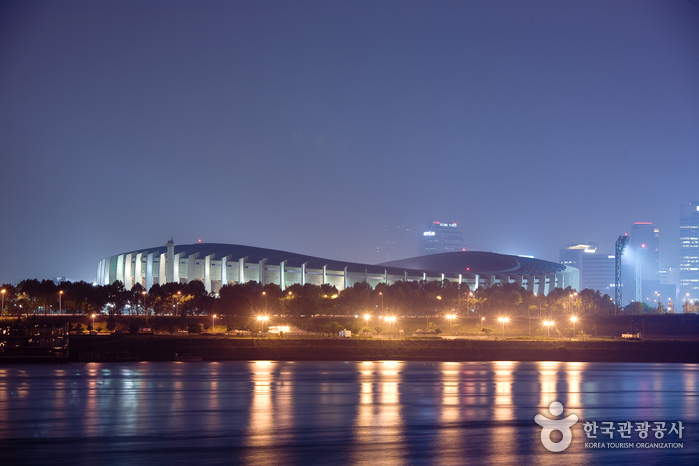
Seoul Sports Complex, located in Songpa, Seoul, hosted the 1986 Asian Games and the 1988 Summer Olympics. It consists of a main stadium, a baseball stadium, an indoor stadium, a students' gymnasium, an indoor swimming pool, and auxiliary stadiums. It serves as the venue for professional baseball and basketball games in Korea, as well as frequent K-pop concerts. Conveniently linked to subway lines 2 and 9, it offers easy access for visitors.
The House of Yehbon (예본의 집)
19.6Km 2024-08-05
64 , Gaepo-ro 118-gil, Gangnam-gu, Seoul
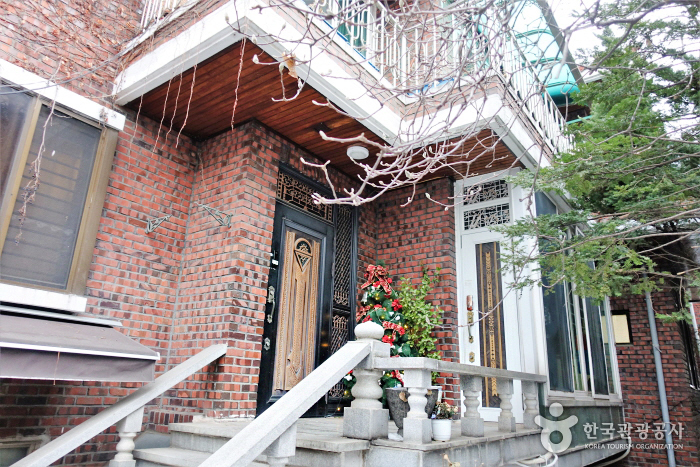
Yebonui House is a detached house, in Gangnam-gu, Seoul, whose first floor is operated as a guest house. The space consists of two rooms plus living room, kitchen facilities, and two bathrooms, and is popular with visiting overseas Koreans and travelers from north America and Europe. Guests will find antique furniture, mother-of-pearl cabinets, and hand-knitted covers, all redolent of Korean history and culture. The Gangnam location makes it super convenient for transport.
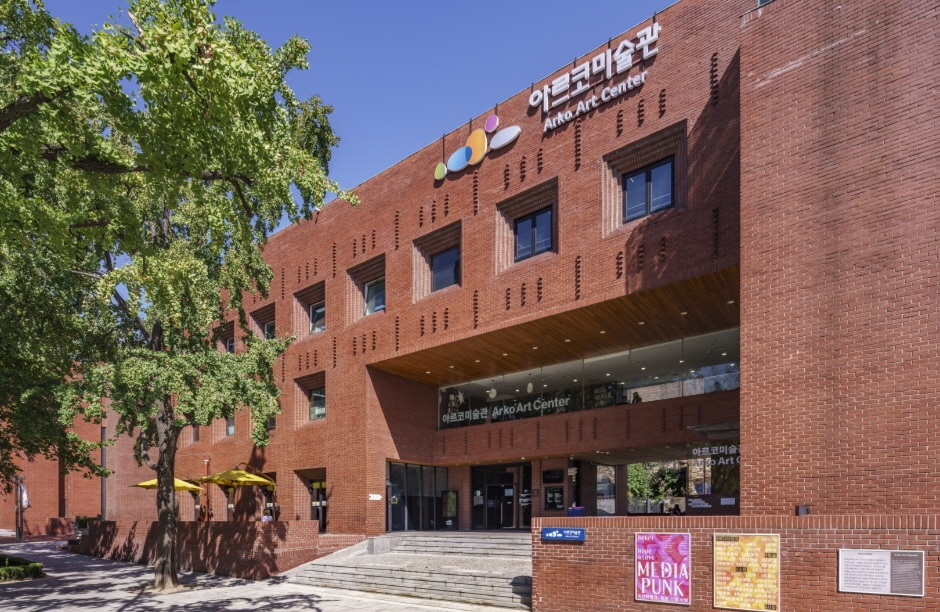
ARKO Art Center (아르코미술관)
19.6Km 2025-06-05
3, Dongsung-gil, Jongno-gu, Seoul
ARKO Art Center was founded in 1974 as Misulhoegwan in a building of former Deoksu Hospital in Gwanhun-dong, Jongno-gu to offer much-needed exhibition space for artists and arts groups. In 1979, Misulhoegwan moved to its present building, designed by preeminent Korean architect Kim Swoo-geun (1931-1986) and located in Marronnier Park, the former site of Seoul National University. The two neighboring brick buildings accommodating ARKO Art Center and ARKO Arts Theater are the major landmarks of the district of Daehakro.
As more public and private museums and commercial galleries came into the art scene in the 1990s, Misulhoegwan shifted to curating and presenting its own exhibitions. Renamed as Marronnier Art Center in 2002, ARKO Art Center assumed a full-fledged art museum system and played an increasingly prominent role as a public arts organization leading the contemporary art paradigm. When The Korea Culture and Arts Foundation was reborn as Arts Council Korea, Marronnier Art Center became ARKO Art Center named after the abbreviation for Arts Council Korea in 2005.
ARKO Art Center is committed to working as a platform where research, production, exhibitions and the exchange of creative activities grow and develop in connection with one another in addition to having a diversity of programs including thematic exhibitions addressing social agenda and public programs widely promoting various discourses in art.
Daraenamu Tree in Changdeokgung Palace (창덕궁 다래나무)
19.6Km 2025-01-13
99, Yulgok-ro, Jongno-gu, Seoul
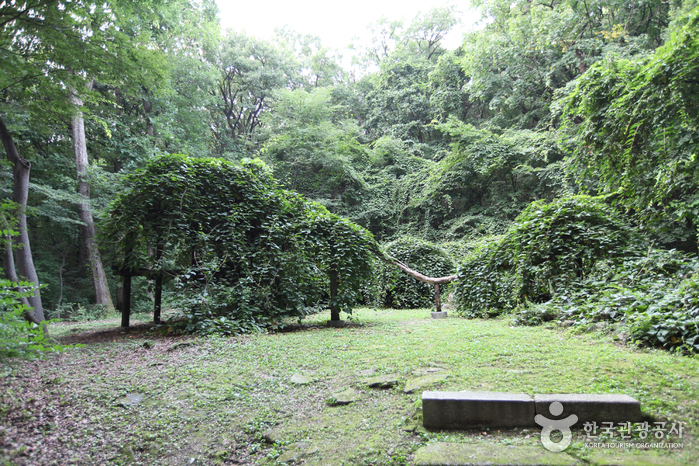
Daraenamu Tree in Changdeokgung Palace is estimated to be 600 years old, meaning it had likely been planted before the palace was built. The tree stands 19m in x_height, and has six separate trunks sprawling in all directions. It is the biggest and the oldest in Korea. It is designated and protected as a National Natural Monument.
 English
 한국어
한국어 日本語
日本語 中文(简体)
 Deutsch
 Français
 Español
 Русский


