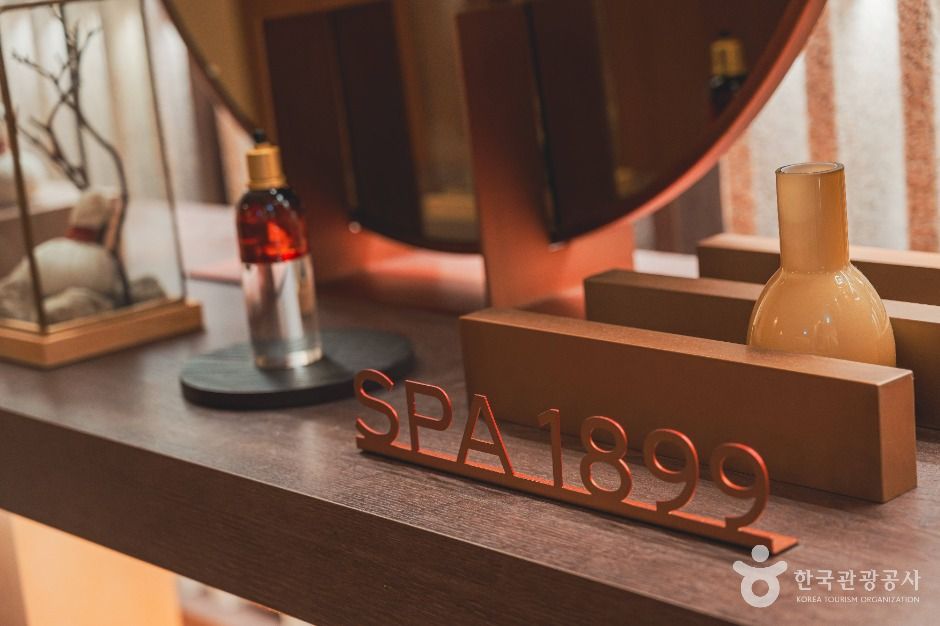
Spa 1978 Donginbi (SPA 1978 동인비)
16.4Km 2025-10-23
416 Yeongdong-daero, Gangnam-gu, Seoul
In traditional Korean medicine, summer is the season when one's energy is severely depleted as people tend to sweat a lot even with little movement. As you are more likely to feel fatigued and lose vitality, replenishing one's energy is crucial. According to Donguibogam, a traditional Korean medical encyclopedia, red ginseng is recommended for vitality. The book says red ginseng slows the aging process and boosts one's energy, helping you live longer. It's effective in restoring vitality and alleviating fatigue. Red ginseng is made by steaming ginseng for approx. 3 hours without peeling it and then letting it dry slowly. This steaming and drying process reduces ginseng's sugar level while creating an active compound, which enhances its efficacy. Saponin, which is abundant in red ginseng, is known for boosting one's immunity and restoring vitality. Notably, ginsenoside helps with digestion, metabolism, and the absorption of nutrients, thereby restoring one's energy. SPA 1978 Donginbi, run by the premium red ginseng brand Jung Kwan Jang, is a specialized spa facility that uses beneficial red ginseng.

E-Mart - Wangsimni Branch [Tax Refund Shop] (이마트 왕십리)
16.4Km 2024-04-22
17, Wangsimnigwangjang-ro, Seongdong-gu, Seoul
-
Olive Young - ENTER 6 Wangsimni Station Branch [Tax Refund Shop] (올리브영 왕십리엔터식스)
16.4Km 2024-04-22
17, Wangsimnigwangjang-ro, Seongdong-gu, Seoul
-
Korea Furniture Museum (한국가구박물관)
16.4Km 2025-10-24
121 Daesagwan-ro, Seongbuk-gu, Seoul
The Korea Furniture Museum, located on a hill in Seongbuk-dong, Seoul, is a special museum that displays items related to Korea's traditional living culture. The museum exhibits wooden furniture made in the late Joseon dynasty by material (persimmon tree, maple tree, paulownia tree, zelkova tree, pine tree, papers, etc.), by the type of space (men’s quarters, women’s quarters, kitchen, etc.), and by regional characteristics. It also exhibits interior decorations, flower walls, chimneys, and yards, as well as ten traditional Korean houses.
This museum operates through a guided tour (maximum of 20 people per group) only, suitable for showing Korea's housing culture that harmonizes furniture and nature. The old household items, “furniture,” are displayed in rooms outside glass storage boxes, allowing visitors to experience a beautiful traditional culture.
Since it was selected as the official luncheon venue for the spouses of leaders of 20 countries at the 2010 G20 Seoul Summit, there has been a steady stream of state guests and worldwide celebrities, including Chinese President Xi Jinping and his wife, the German President, the Prime Minister of Hungary, the Prime Minister of Singapore, the King and Queen of Belgium, the King of Sweden, the head of the IMF, and movie stars Brad Pitt, and Victoria Beckham.
In addition, it was selected as the "most beautiful museum in Seoul” by CNN in 2011. The museum also served as an interview location for BTS members, who are receiving global attention. As such, it is attracting attention as a representative tourist destination in Seoul and a cultural space preferred by government ministries and companies. Tours require reservations, which can be made through the website.
![Olive Young - Hanyang Univ. Branch [Tax Refund Shop] (올리브영 한양대)](http://tong.visitkorea.or.kr/cms/resource/72/2878772_image2_1.jpg)
Olive Young - Hanyang Univ. Branch [Tax Refund Shop] (올리브영 한양대)
16.4Km 2024-04-17
11, Majo-ro, Seongdong-gu, Seoul
-
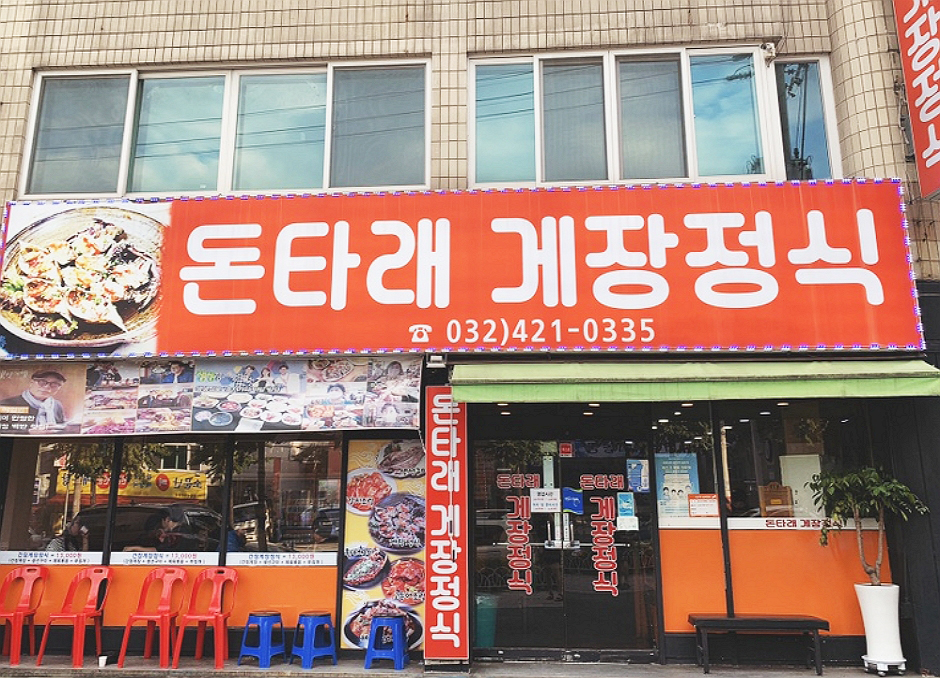
Dontarae Gejang Jeongsik (돈타래게장정식)
16.4Km 2024-12-02
인천광역시 부평구 열우물로 59
This restaurant offers ganjang gejang(Soy Sauce Marinated Crab) at affordable prices. Ganjang gejang Jeongsik features marinated crabs accompanied by a generous array of side dishes, such as saengseon-gui (grilled fish), jeyuk-bokkeum (spicy stir-fried pork), jeon (Korean pancake), japchae (stir-fried glass noodles), and miyeok-guk (seaweed soup).
Wolgot Harbor (월곶포구)
16.4Km 2025-05-08
Wolgot-dong, Siheung-si, Gyeonggi-do
+82-31-318-4409
"Got" in the name of Wolgot means peninsula and the area was considered an important strategic point during the Joseon dynasty. In 1991 a land reclaimation project succeeded in creating a new recreation site. Now there are many seafood restaurants, various auxiliary facilities, and an amusement park that rest on reclaimed land. Because the inlet is located on the west coast where the difference in the water level between high and low tide is great, fishing boats avoid the area during the shifting tides. But, whenever the boats return, visitors can enjoy fresh sushi and other seafood. The Marine World facilities have authentic European-style restaurants, an outdoor seawater pool that can be used free of charge, and a barbecue facility along with other amenities.
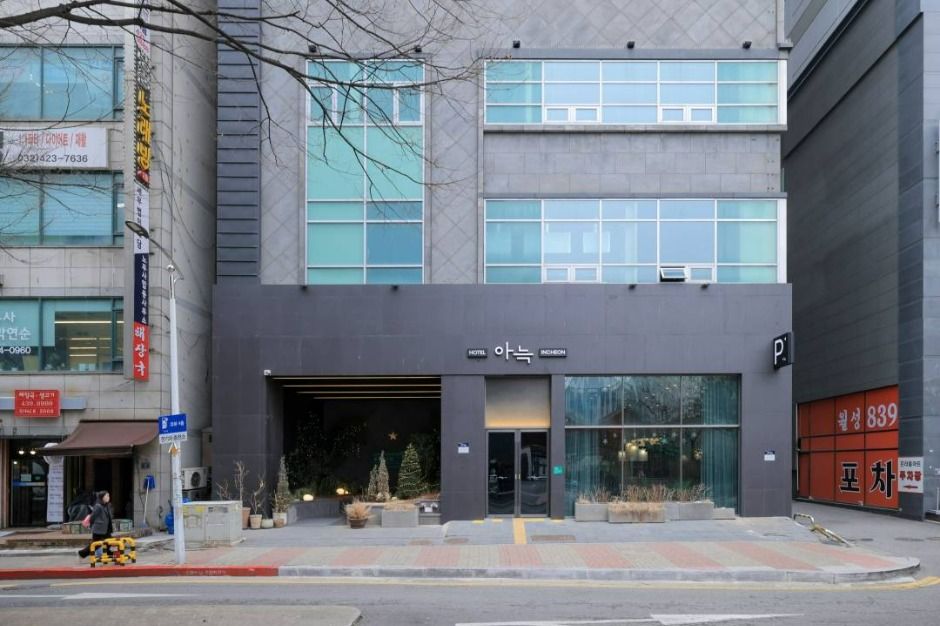
The Hyoosik Aank Hotel Incheon Guwol (더휴식 아늑호텔 인천구월점)
16.5Km 2025-04-08
15 Yesul-ro 204beon-gil, Namdong-gu, Incheon
The Hyoosik Aank Hotel Incheon Guwol offers a variety of theme-based room types for both leisure and relaxation, such as a music double room with Marshall speakers, a deluxe beauty room, a suite high-end music double room with a turntable, a family suite room, a superior twin bedroom, a superior triple room, a movie room with a beam projector, a high-end relax room with a premium massage chair. The hotel also has a parking lot, a brunch buffet restaurant, and a banquet hall.
ELITE Plastic Surgery (엘리트 성형외과)
16.5Km 2025-10-23
7th Floor, Entas Building, 593 Inju-daero, Namdong-gu, Incheon
Since its opening in 2007, ELITE Plastic Surgery has been a specialized clinic focused on anti-aging and lifting procedures, backed by over 19 years of accumulated experience and advanced medical expertise.
With extensive clinical experience and meticulous surgical techniques, we strive to bring out each patient's natural and harmonious beauty, aiming not only to enhance appearance but also to restore youth and confidence.
Through the collaboration of our plastic surgery and dermatology departments, patients who are hesitant about surgery can opt for non-invasive procedures such as laser lifting. It is also convenient to receive all desired treatments and procedures in one place.
We also offer a total care system for international patients, including interpretation services, accommodation, airport pickup, and personalized post-operative care.
![Innisfree - Sinseol-dong Station Branch [Tax Refund Shop] (이니스프리 신설동역)](http://tong.visitkorea.or.kr/cms/resource/30/2888030_image2_1.jpg)
Innisfree - Sinseol-dong Station Branch [Tax Refund Shop] (이니스프리 신설동역)
16.5Km 2024-04-17
1F, 20, Wangsan-ro, Dongdaemun-gu, Seoul
-
 English
 한국어
한국어 日本語
日本語 中文(简体)
 Deutsch
 Français
 Español
 Русский


