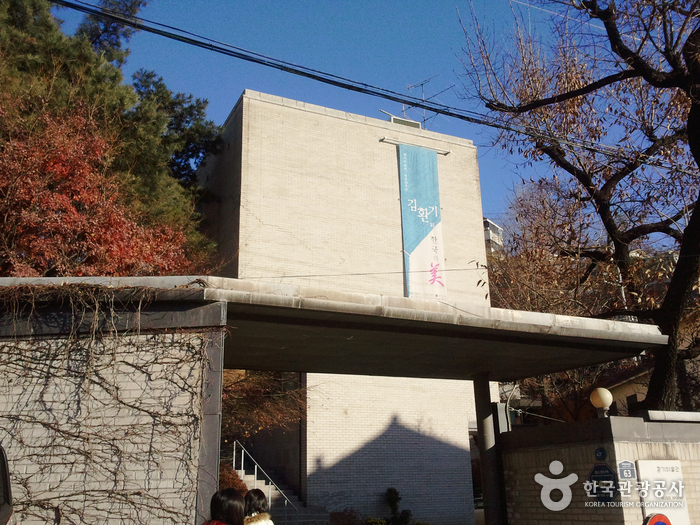
Whanki Art Museum (환기미술관)
7.0Km 2024-03-04
63, Jahamun-ro 40-gil, Jongno-gu, Seoul
Whanki Art Museum exhibits the works of Kim Whanki (1913-1974), the pioneer of Korean abstract art. Kim was inspired by traditional features such as Korean mountains and streams, the sky, moons and clouds, the white porcelain and traditional patterns, and worked to express them in abstract forms through points, lines, and surfaces. The main collection features nearly 300 works by Kim. One can also find an art shop and a café.
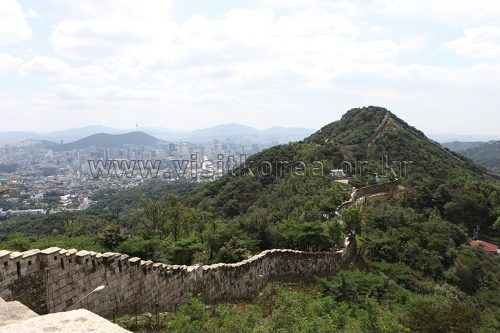
Bugaksan Mountain (북악산)
7.0Km 2024-03-04
Cheongun-dong, Jongno-gu, Seoul
Bugaksan Mountain is the mountain that one can see behind the Gyeongbokgung Palace and the Cheong Wa Dae to the north. Hanyangdoseong, the city wall that surrounded the historic capital of Hanyang, was built by connecting the ridges of this mountain. These walls can still be found today, having been preserved quite well. Different trails weave through the area along the Hanyangdoseong, the Seoul City Wall, and one can visit these trails at night as well. Bugak Skyway is a road that connects Changuimun Gate to Jeongneung Royal Tomb, and one can get a great view of Seoul’s city center from the Palgakjeong Pavilion on Bugak Skyway.
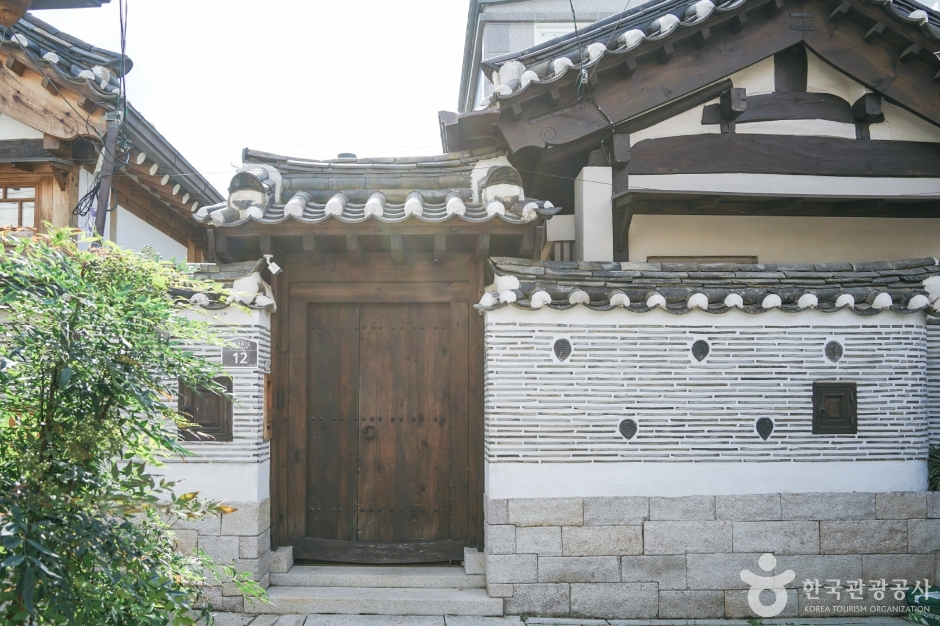
Hanok Essay Seochon (한옥에세이 서촌)
7.0Km 2024-06-04
12 Pirundae-ro 3-gil, Jongno-gu, Seoul
The area of Seochon features both traditional elements as well modern, showing the changes over time. A stay in one of the hanok houses here is the perfect way to feel this unique ambiance. Hanok Essay Seochon provides this experience, open to visitors of all ages.
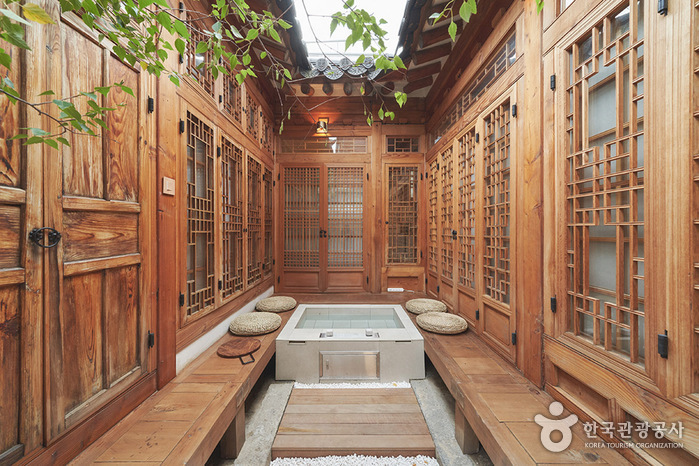
Of one book and stay (일독일박)
7.0Km 2024-12-23
11-1 , Pirundae-ro 3-gil, Jongno-gu, Seoul
Ildogilbak in Seochon Village, Seoul, is a private hanok stay that has been stylishly renovated with modern facilities. The bedroom, kitchen and dining room are located around the courtyard. Tired travellers can soak their feet in the small courtyard footbath while sitting on the veranda. There’s a queen size bed in the bedroom, and a large table in the dining room where you can read a book and chat. There is also an attic space where you can fall asleep looking at the stars through a small skylight. The kitchen is well equipped, and there’s a tub in the bathroom.
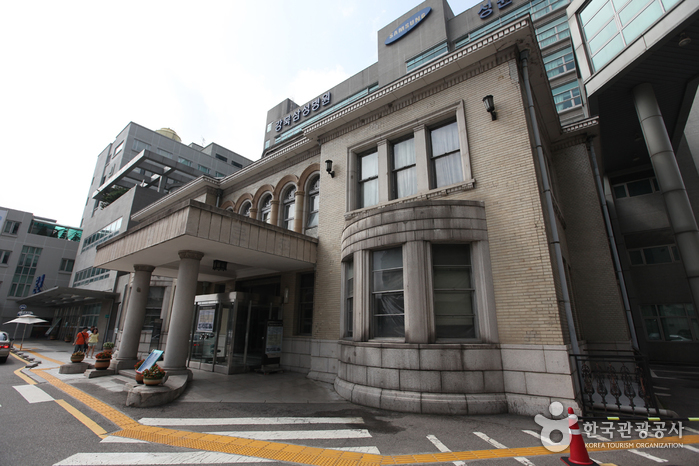
Seoul Gyeonggyojang House (서울 경교장)
7.0Km 2021-09-15
29, Saemunan-ro, Jongno-gu, Seoul
Gyeonggyojang House, a designated Historic Site, was the location of the provisional government and the place where Baekbeom Kim Koo passed away. Seoul reproduced the historical site, Gyeonggyojang House, to use the area as an educational site. Also, the house exhibits the history of the provisional government in order to see the history more clearly.
Restoration work included the demolition of the interior that was changed when the building was turned into a hospital facility and embassy after Kim Koo passed away in 1949. During the work, the remaining parts were maintained with the utmost care. Reconstructed parts were based on the building's floor plan written in Chosun and Architecture (8th edition in 1938). Visitors can see various contents related to the Korean Provisional Government history through relics, video, and information searching corners.

Gyeonghuigung Palace (경희궁)
7.1Km 2024-07-09
45 Saemunan-ro, Jongno-gu, Seoul
Gyeonghuigung Palace, a designated Historic Site, was originally called the large palace by Saemun Gate, or the Western Palace, for its location within the city. It was not until the eighth year of Gwanghaegun (1616) that the palace was used as a royal residence for the king, changing the name to Gyeongdeokgung Palace. The name later changed again to the current Gyeonghuigung Palace in 1760. The palace grounds included many halls but they were mostly all burned down in a fire in 1829. After the Japanese occupation began, all remaining buildings on the site were torn down and the palace grounds were turned into Gyeongseong Middle School (now Seoul High School). The school moved to Gangnam area in 1987, afterwhich the previous location was turned into a park. The palace grounds currently hold Seoul Museum of Art and walking paths, as well as a restoration of Heunghwamun Gate, the main gate of the palace, and Sungjeongjeon Hall, the main hall, completed in November 1994.
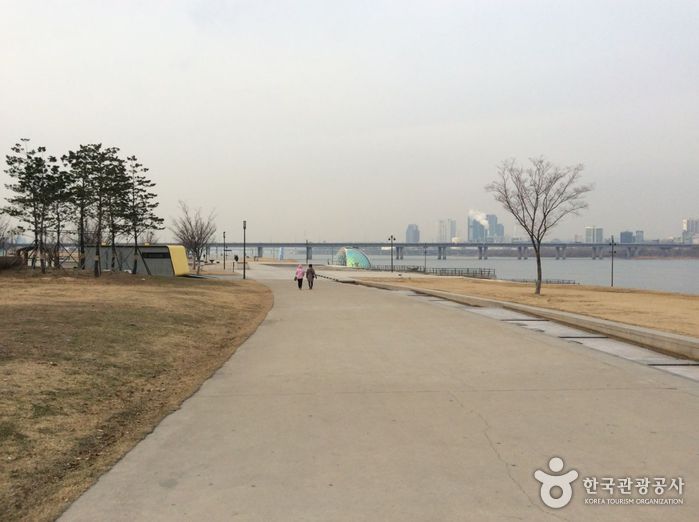
Seoul Color Park (서울색공원)
7.1Km 2021-06-23
330, Yeouidong-ro, Yeongdeungpo-gu, Seoul
The Seoul Color Park spans over 9,000 ㎡ of land next to the Hangang River under Mapodaegyo Bridge. It features a large wave-shaped sculpture, as well as bar code graphics and benches painted with 10 different colors that have been designed as the Colors of Seoul. The streetscape is designed with images and Colors of Seoul that includes “Dancheong” red, “Kkotdam” red brown, “Namsan” green and more. Sculptures and art works using the Colors of Seoul can also be seen at Seoul Museum of Art and Seoul History Museum.
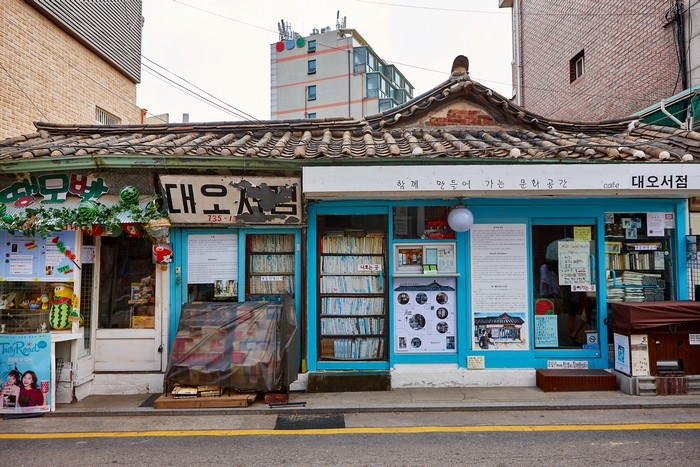
Daeo Bookstore (대오서점)
7.1Km 2025-11-05
55 Jahamun-ro 7-gil, Jongno-gu, Seoul
Daeo Bookstore is the oldest bookstore in Seoul that has been maintained in one place since it opened in 1951. Recently, it has been refurbished as a cultural space with a cafe, where one can enjoy coffee, exhibitions, and performances while looking at the yard. Visitors who just want to browse can purchase a souvenir postcard set for admission. Taking a closer look at books that feel the years and objects that have traces of use, they appear to come rather new.
Sangchonjae House (상촌재)
7.1Km 2025-11-06
12-11 , Jahamun-ro 17-gil, Jongno-gu, Seoul
Sangchonjae House, run by the Jongno Cultural Foundation, is a traditional hanok cultural space located in Sejong Village, Ogin-dong, Jongno-gu, and operates various cultural Korean programs such as exhibitions, educational experiences, and events to fully experience Korea's four seasons. The name Sangchonjae was conceived from the old name of Sejong Village, the western part of Gyeongbokgung Palace and the birthplace of King Sejong. The house reflects the lifestyle of an ordinary peasant during the Joseon dynasty. It consists of three buildings: the main building, the guesthouse known as sarangchae, and the annex. There is an experience center indoors offering tea ceremonies and traditional game experiences.
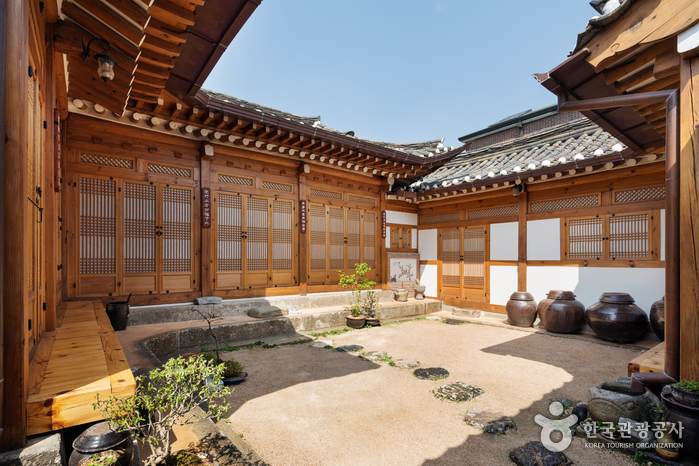
Hanok Guesthouse Dongchonchae (한옥 게스트하우스 동촌재)
7.1Km 2024-12-23
21-10 , Jahamun-ro 11-gil, Jongno-gu, Seoul
Dongchonjae is a hanok guesthouse in Seochon, Jongno, Seoul. The the Anchae(women's quarters) consists of four sleeping rooms and a cheongmaru lounge space, plus kitchen and toilet. (There are also shared toilets in the yard.) Cooking is not allowed, but guests are welcome to bring in prepared food. A free breakfast is provided. Guests can watch movies in the yard or main hall, and can use the refrigerator and washing machine. A guided night tour of Seoul City Wall is offered, as is a tea ceremony, and rice-cake making experience.
 English
 한국어
한국어 日本語
日本語 中文(简体)
 Deutsch
 Français
 Español
 Русский


