Sejong-ro Park (세종로공원)
9.5Km 2022-08-31
jiha 189, Sejong-daero, Jongno-gu, Seoul
+82-2-722-9598
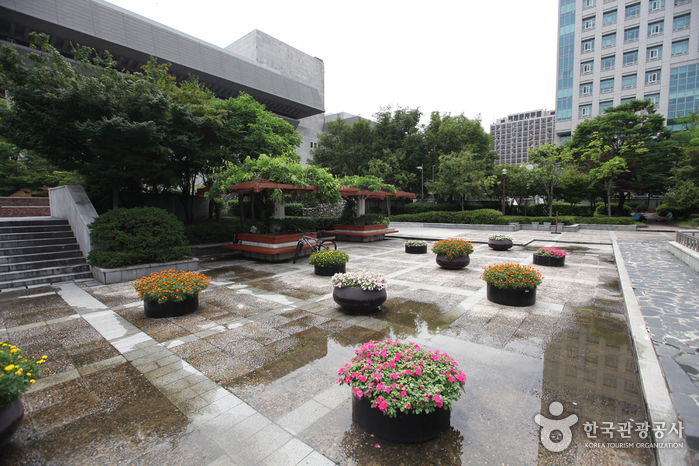
Sejong-ro Park is located next to Sejong Center for the Performing Arts in central Seoul. Inside the park, there are wooden benches and shaded areas where people can sit and relax. Also available are water fountains, a round outdoor stage, and various sculptures. The lunch crowd from the nearby office buildings often come to the park during weekdays. On the weekends, the park is also used as a venue for outdoor weddings.
Seoul's anthem and the poem "Bulnori" by Ju Yo-han are written on a memorial stone that can be found inside the park.

Lee Ri-Ja Hanbok Museum (이리자 한복전시관)
9.5Km 2022-08-08
20, Samcheong-ro, Jongno-gu, Seoul
+82-2-734-9477
The Lee Ri-Ja Hanbok Museum displays the traditional clothing worn in Korea from birth to death. All hanbok displayed at the museum are created by the hanbok designer Lee Ri-Ja herself, who has over 40 years of experience.
Youus Tours (유어스투어)
9.5Km 2025-11-28
#912-913, Magok M-Signature, 20 Magokjungang 1-ro, Gangseo-gu, Seoul
We are a premier medical tourism agency, dedicated to providing private and seamless experiences. From airport to hotel and hospital, enjoy direct, comfortable transfers in our diverse fleet of luxury vehicles. We ensure a safe and relaxing journey, combining personalized medical services with a high-quality travel experience for your optimal health and well-being.
Kumho Art Hall (금호아트홀)
9.5Km 2021-05-28
76, Saemunan-ro, Jongno-gu, Seoul
+82-2-6303-1977
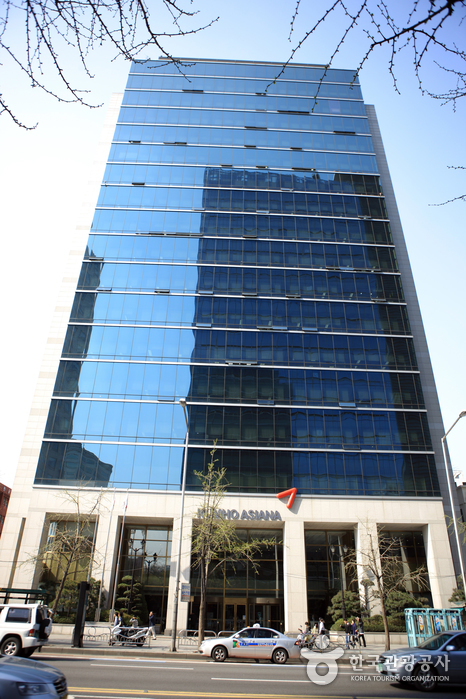
Kumho Art Hall was built in 2000 exclusively for classical music concerts, with 390 seats, the perfect structure for chamber concerts. All seats are recital hall chairs and the wide spacing between rows of chairs helps the audience to have a pleasant time. Upon entering the theater, all cell phones will turn off automatically. This helps all visitors to enjoy the concert without being interrupted by ringing cell phones. The interior is cozy and luxurious, and the stage is made of maple.
Sungsam Medical Foundation, Miz Medi Hospital (성삼의료재단미즈메디병원)
9.5Km 2025-10-23
295 Gangseo-ro, Gangseo-gu, Seoul
MizMedi Hospital began as an obstetrics and gynecology center specializing in infertility treatment in 1991. In 2000, we expanded to become a general hospital for women, providing comprehensive care for infertility and a wide range of women's health issues.
- The first JCI-certified hospital in Korea specializing in women's healthcare
- An obstetrics and gynecology hospital accredited by the Ministry of Health and Welfare
- 64 specialists and 322 highly skilled employees
- Serving 390,000 patients and delivering 4,000 babies each year
- Performing over 8,000 surgeries each year, with most gynecologic conditions treated laparoscopically, and more than 1,700 in vitro fertilization procedures, frozen embryo transfers, and artificial insemination treatments— with a pregnancy success rate of over 50%
Proudly, we are MizMedi Hospital.
Bukjeong Village (북정마을)
9.5Km 2024-02-15
132-3 Seongbuk-ro 23-gil, Seongbuk-gu, Seoul
Bukjeong Village, situated along the slopes of Seongbuk-dong, offers a glimpse into Korea's old alleyways. The village expanded as refugees from the Korean War (1950–1953) and people from various regions settled, building houses under the collapsed walls of Hanyang doseong (Seoul City Wall). Presently, the village is home to young artists, and the broad street in front of the village bus stop hosts various community events.
Samgaksan Mountain (삼각산)
9.5Km 2024-03-20
Samyang-ro 173-gil, Gangbuk-gu, Seoul
Samgaksan Mountain is a mountain situated on the northern outskirts of Seoul, resembling a folding screen. Its name, meaning triangular mountain, is derived from the presence of three high peaks: Baegundae Peak, Insubong Peak, and Mangyeongdae Overlook. The highest peak, Baegundae Peak, offers a panoramic view of Seoul from its summit, featuring a spacious rock surface where many visitors can sit. Positioned behind Gyeongbokgung Palace, the palace of the Joseon dynasty, Samgaksan Mountain is visible from the rear of the Cheong Wa Dae.
Korea Medical Tourism Promotion Association ((사)대한의료관광진흥협회)
9.5Km 2025-10-23
(#601) 29-3 Saemunan-ro 9-gil, Jongno-gu, Seoul
The Korea Medical Tourism Promotion Association aims to attract over 100,000 medical tourists within three years by establishing a structured system for attracting medical tourists, training specialized personnel, and supporting both domestic and international medical tourism. With the increasing number of foreign visitors coming to Korea for various purposes beyond tourism, such as international conferences, business, and exhibitions, there is a growing need for specialized services.
Plans is a company that can meet all these diverse customer needs. ceremonial arrangements, tours, and events often proceed irregularly due to changes in weather, group size, and transportation. To address these variables, Plans, the plural form of "Plan," represents a company that is always prepared from start to finish. It is a leading VIP travel agency in Korea, tailored to meet the needs of its clients.
Sejong Center (세종문화회관)
9.6Km 2023-06-14
175, Sejong-daero, Jongno-gu, Seoul
+82-2-399-1000
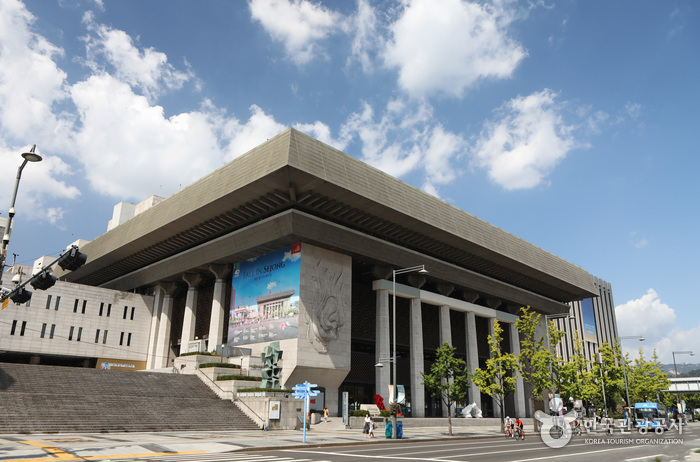
Sejong Center, officially known as Sejong Center for the Performing Arts, opened on July 1, 1999 to provide citizens with a cultural art space. Having completed a grand remodeling project in 2007, Sejong Center offers customer-friendly programs aimed at improving the quality of art performances in a comfortable resting area. Comprising the Grand Theater of Sejong Center, Sejong M Theater, Sejong Chamber Hall, Exhibition Hall, and other subsidiary facilities, Sejong Center is a multicultural art center.
Various genres of performances including traditional, classic, and crossover have taken place in the center, giving many opportunities for cultural nostalgia.
* Opened April 14, 1978
Artee Riders Club (아띠인력거)
9.6Km 2022-09-15
43, Bukchon-ro 5-gil, Jongno-gu, Seoul
+82-1666-1693
Artee Riders Club is the first company that offers rickshaw tours in the nation. Not only do you get to ride on the rickshaw to tour around popular attractions including Bukchon Village, Seochon Village, the rickshaw tour guides you to the smaller alleys as well. Travelers to Bukchon Village may have their belongings or luggage stored at the center, and individual's insurance as well as a complimentary drink are offered.
 English
 한국어
한국어 日本語
日本語 中文(简体)
 Deutsch
 Français
 Español
 Русский


