
Gyeongui Line Forest Park (Yeontral Park) (경의선숲길(연트럴파크))
7.0Km 2023-08-11
133, Donggyo-ro 51-gil, Mapo-gu, Seoul
Gyeongui Line Forest Park is a linear city park located in Mapo-gu and is also called Yeontral Park. It includes Daeheung-dong, Yeonnam-dong, Saechanggogae Pass, Changjeon-dong, Sinsu-dong, and Wonhyo-ro, which were opened in this order. Gyeongui Line Forest Park is established atop the Gyeongui railroad line and the Gyeongui Line and Airport Railroad Express are constructed as a double track underground. Gyeongui Line Forest Park was designed to be incomplete on purpose to invite the citizens in completing the park. The area which could have been left empty and neglected has turned into a meaningful green park for the citizens by the citizens.
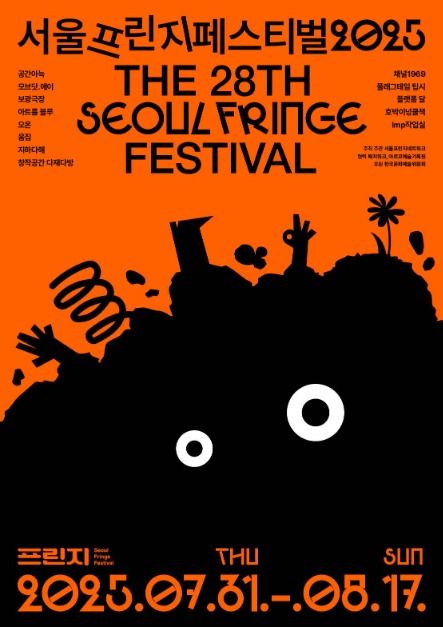
Seoul Fringe Festival (서울프린지페스티벌)
7.1Km 2025-07-24
84-3 Seongmisan-ro 13-gil, Mapo-gu, Seoul
+82-2-325-8150
Seoul Fringe Festival has been held every summer annually since 1998. The festival is open to artists of all genres, from dance to music and media art. Due to the open style and non-competitive element of the festival, artists and festival-goers alike are free to express themselves however they choose.
PETERPAN 1978 (피터팬1978)
7.2Km 2025-10-29
10 Jeungga-ro, Seodaemun-gu, Seoul
◎ Travel information to meet Hallyu’s charm - "BLACKPINK's Favorite Spots"
Jennie found it on YouTube during her bread tour in Yeonhui-dong. Since opening in 1978, it has been in the same place for over 40 years. There are many delicious breads such as the signature bread “Baby Buttocks” and “Sweet Red Bean Bread 1978,” which has kept the same flavor since 1978. There are many breads that give off a deep flavor when you take a bite, but the “Potato Bread” recommended by JENNIE is particularly savory for its fluffy texture.
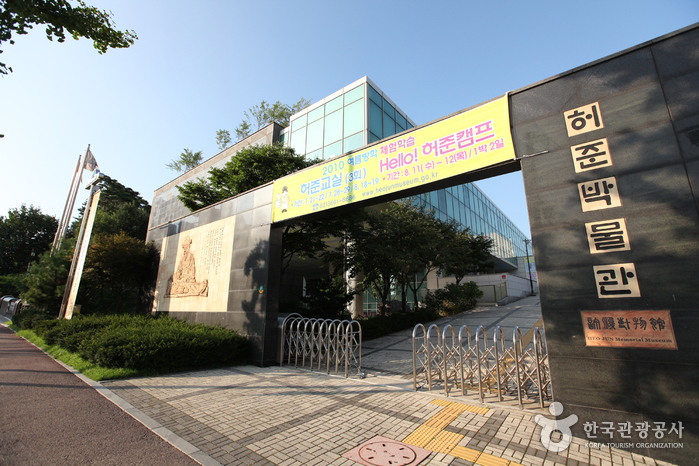
Heojun Museum (허준박물관)
7.3Km 2021-08-13
87, Heojun-ro, Gangseo-gu, Seoul
+82-2-3661-8686
The Heojun Museum opened in honor of the academic accomplishments and charitable deeds of the renowned medical scientist, Heojun of the Joseon dynasty. Located next to Heojun Neighborhood Park, the museum collects and displays Heojun related materials.
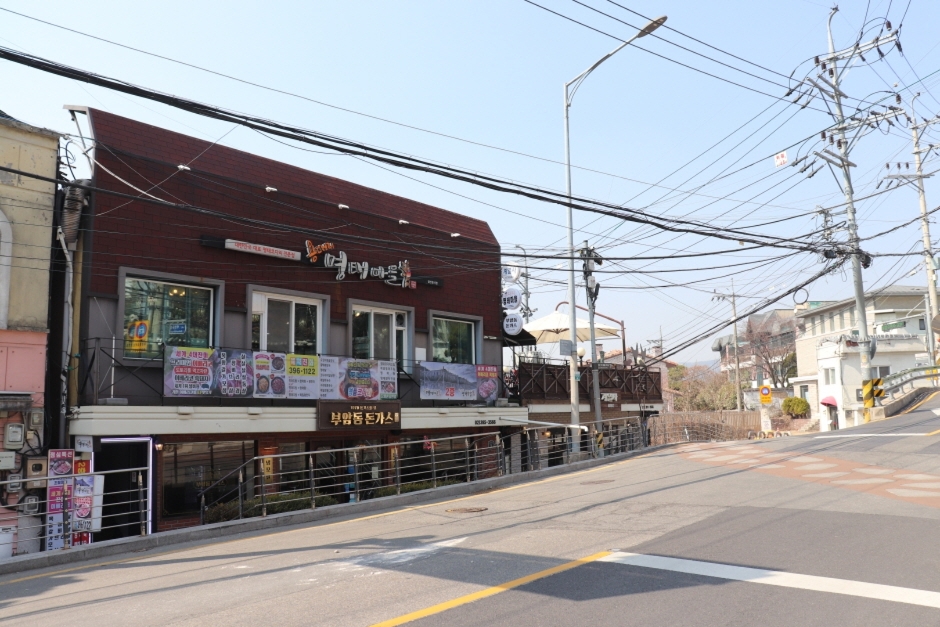
Buam-dong (부암동)
7.4Km 2024-03-15
Buam-dong, Jongno-gu, Seoul
+82-2-2148-1807
Buam-dong is a village located north of Gyeongbokgung Palace. It is designated as a development-restricted zone due to its proximity to the Cheong Wa Dae, preserving the old neighborhood's appearance. There are numerous bakeries, cafés, restaurants, and small galleries housed in renovated traditional houses, making it a delightful place for a leisurely stroll. The nearby hiking trails connected to Bugaksan Mountain offer a tranquil journey through the forest, ideal for those seeking a peaceful retreat.
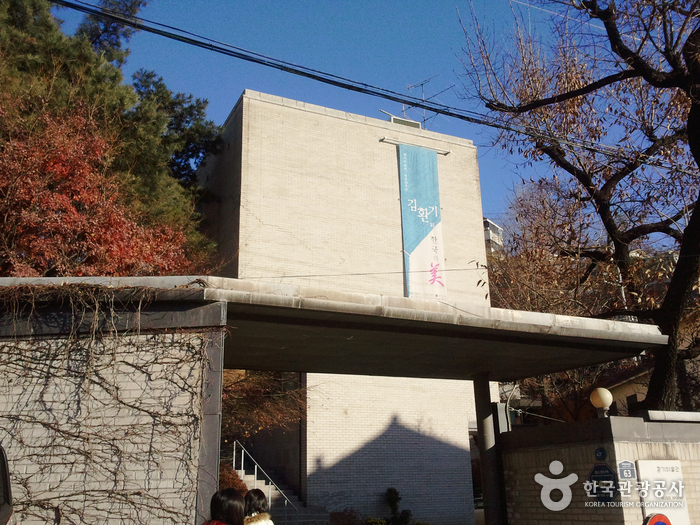
Whanki Art Museum (환기미술관)
7.5Km 2024-03-04
63, Jahamun-ro 40-gil, Jongno-gu, Seoul
+82-2-391-7701
Whanki Art Museum exhibits the works of Kim Whanki (1913-1974), the pioneer of Korean abstract art. Kim was inspired by traditional features such as Korean mountains and streams, the sky, moons and clouds, the white porcelain and traditional patterns, and worked to express them in abstract forms through points, lines, and surfaces. The main collection features nearly 300 works by Kim. One can also find an art shop and a café.
WENERD Corp. (주식회사 위너드)
7.5Km 2025-10-23
#201, Saul Building, 21 Seongmisan-ro 1-gil, Mapo-gu, Seoul
Wenerd provides a total care solution through “Wenerd Care”, combining premium wellness tourism with health check-ups to comprehensively manage clients’ health and beauty.
Ginkgo Tree at the Fortress Well Site (성주우물터 은행나무)
7.5Km 2025-09-15
Gayang-dong, Gangseo-gu, Seoul
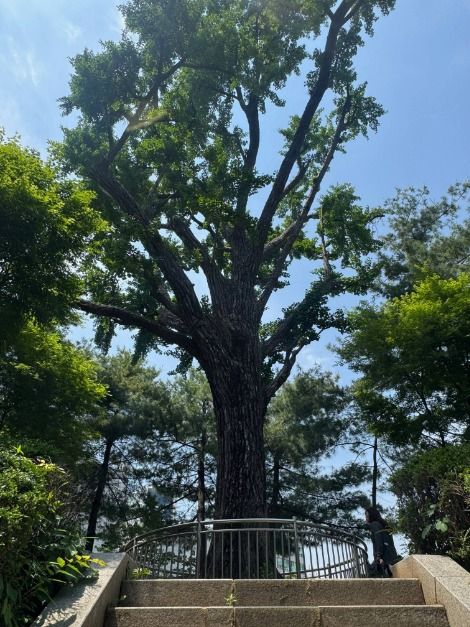
Ginkgo Tree at the Fortress Well Site refers to the old ginkgo tree, which have been designated as a protected tree in 1988, located in Gayang-dong, Gangseo-gu in Seoul. Until the Gayang apartment complex was built, the area where the ginkgo tree is located was a historic place with a beautiful landscape and many anecdotes and legends. Before the Goryeo dynasty, its location served as an important strategic point along the lower part of the Hangang River, where it had a ferry dock with boats that bypassed Haengju and Paju as a shortcut for commuting between Kaeseong and Pyongyang, and is associated with many legends of historical figures who had used the dock. The ginkgo tree also appears in a painting drawn by Gyeomjae Jeongseon, a historic painter of the Joseon dynasty.
Mok In Museum Mok Seok Won (목인박물관 목석원)
7.5Km 2021-09-01
46-1, Changuimun-ro 5-gil, Jongno-gu, Seoul
+82-2-722-5066
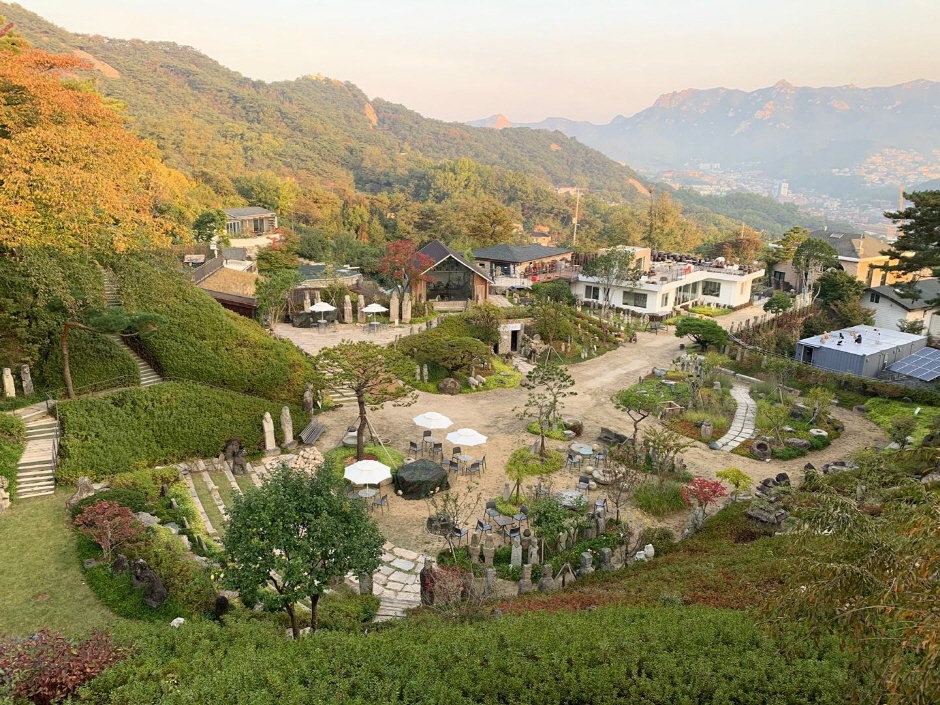
Mok In Museum Mok Seok Won relocated in 2019 from Insa-dong to Buam-dong. Six exhibition halls offer visitors a look at wooden figures from around the world. Mokin refers to traditional wooden sculptures carved in shapes of human figures or various animals. The museum holds around 12,000 wooden folk sculptures including those used to decorate funeral carriages and temples mostly from the Joseon dynasty up to modern times. The museum also has an outdoor exhibition hall that harmonizes the sculptures with nature.
 English
 한국어
한국어 日本語
日本語 中文(简体)
 Deutsch
 Français
 Español
 Русский


