Kyungbokkung - Changdong Branch (경복궁 창동)
13.9Km 2024-07-31
610, Dobong-ro, Dobong-gu, Seoul
+82-2-992-6777
Chefs specializing in Korean dishes use prime meat. This restaurant's signature menu is grilled boneless ribs. This Korean dishes restaurant is located in Dobong-gu, Seoul.

Seodaemun Culture & Sports Center Swimming Pool (서대문 문화체육회관 실내수영장)
14.1Km 2024-03-20
39 Baekryeonsa-gil, Seodaemun-gu, Seoul
Seodaemun Culture & Sports Center Swimming Pool, covering 973 square meters, features a total of seven lanes with both adult and children's pools. The facility provides regular swimming lessons, survival swimming lessons, aqua aerobics, and more. The water quality is maintained using a natural salt electrolysis system. For free swimming, visitors can purchase tickets from the kiosk on the second floor, receive wristbands from the information desk, and enjoy the facility at an affordable cost.
Cheongun Literature Library (청운문학도서관)
14.1Km 2023-08-16
40 , Jahamun-ro 36-gil, Jongno-gu, Seoul
Cheongun Literature Library is located at the foot of Inwangsan Mountain and can be reached by following the mountain's walking trail starting from Changuimun Gate along the fortress wall. This public hanok library is designed in consideration of the sloped topography and the natural scenery of Inwangsan Mountain. The library consists of two floors: an underground floor and a ground floor. While the ground floor is designed as a traditional hanok, the underground floor is made of concrete to support the hanok building and the spacious outdoor yard. By implementing the natural slope in the library's design, the underground southern entrance is exposed, allowing sunlight to enter. The underground floor features a wide collection of books while the ground floor serves as a place for reading. The natural environment surrounding the library adds to the hanok building's traditional and peaceful charms.
Mok In Museum Mok Seok Won (목인박물관 목석원)
14.1Km 2021-09-01
46-1, Changuimun-ro 5-gil, Jongno-gu, Seoul
+82-2-722-5066
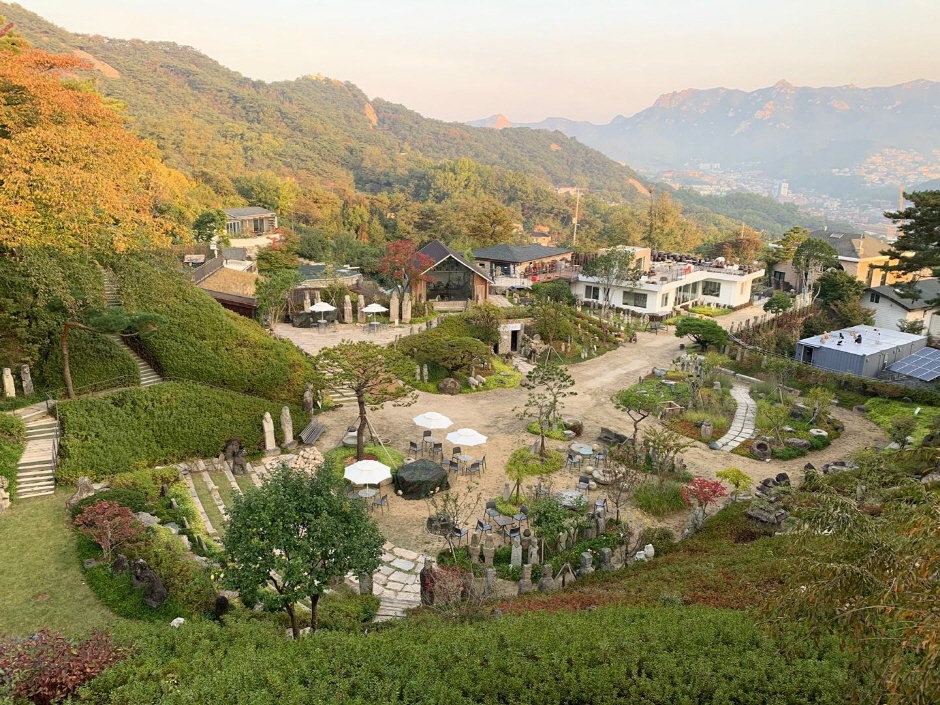
Mok In Museum Mok Seok Won relocated in 2019 from Insa-dong to Buam-dong. Six exhibition halls offer visitors a look at wooden figures from around the world. Mokin refers to traditional wooden sculptures carved in shapes of human figures or various animals. The museum holds around 12,000 wooden folk sculptures including those used to decorate funeral carriages and temples mostly from the Joseon dynasty up to modern times. The museum also has an outdoor exhibition hall that harmonizes the sculptures with nature.
Hongjecheon Artificial Waterfall (홍제폭포)
14.2Km 2024-11-07
Yeonhui-dong, Seodaemun-gu, Seoul
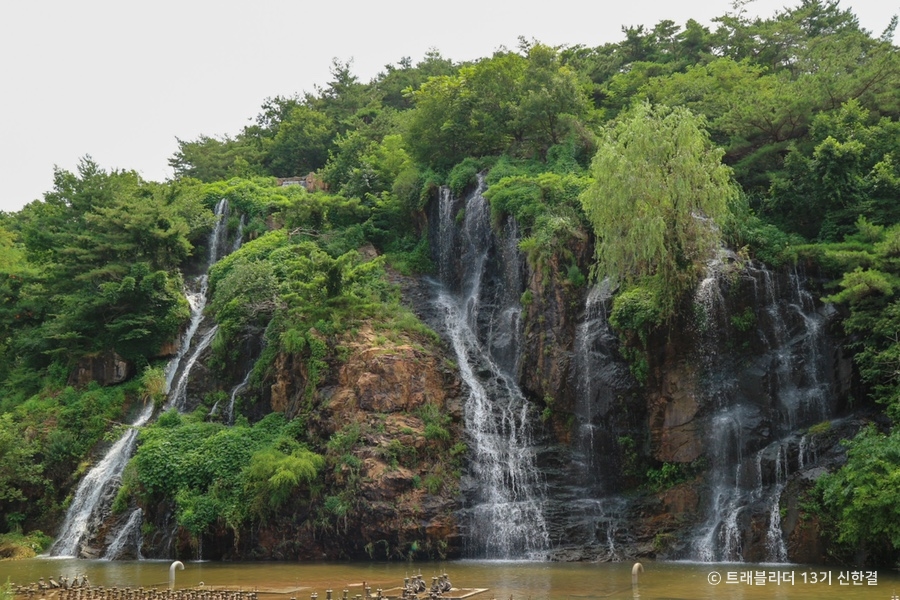
Hongjecheon Artificial Waterfall is located along Hongjecheon Stream in Seodaemun-gu, Seoul. The waterfall was built in 2011 and is 25 meters tall and 60 meters wide. Despite being a man-made waterfall, the design and construction were so well-done that many find it hard to believe it wasn't a naturally formed waterfall. The area around the waterfall features various places for citizens and visitors to relax, while there are many cafes and cultural spaces in the area to make a visit more enjoyable.
e-Sports Hall of Fame (e스포츠 명예의 전당)
14.2Km 2025-11-17
31 Maebongsan-ro, Mapo-gu, Seoul
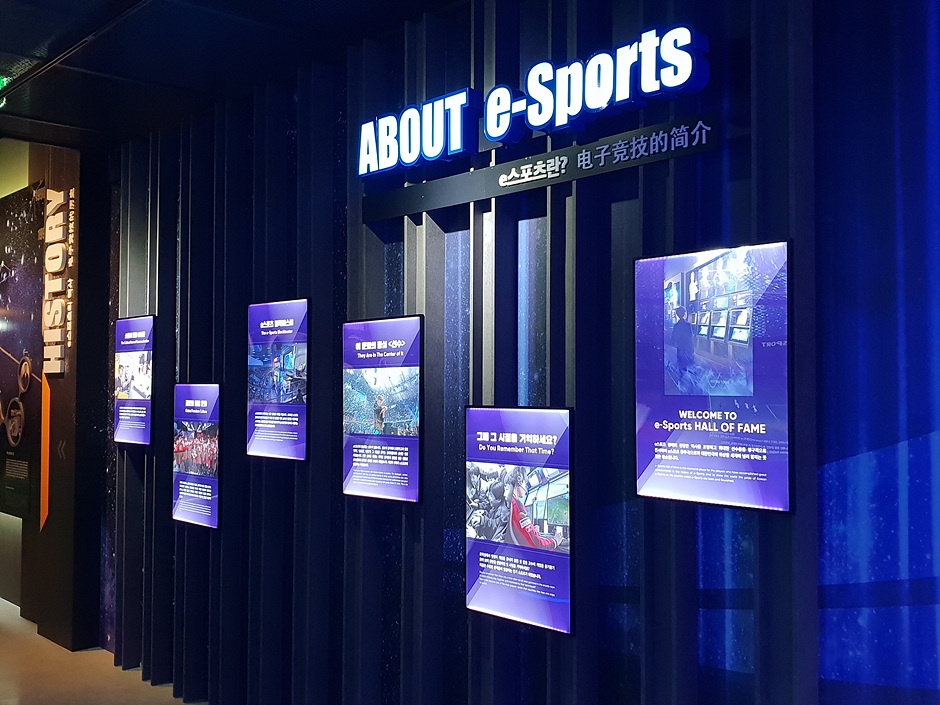
The e-Sports Hall of Fame is operated by the Ministry of Culture, Sports and Tourism and the Korea e-Sports Association to exhibit and honor the esports athletes who have made history for their amazing skills, making Korea synonymous with esports. Visitors can see the athletes' uniforms, gaming materials, trophies, and more, as well as try their hand at playing famous esports games firsthand.
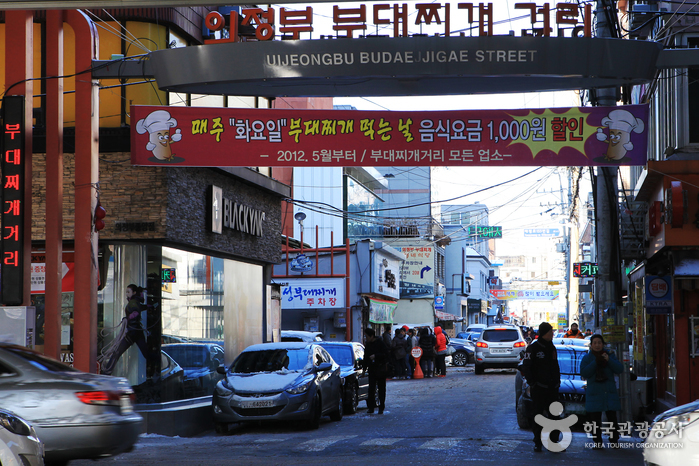
Uijeongbu Budaejjigae Street (의정부 부대찌개거리)
14.4Km 2023-10-27
7, Hoguk-ro 1309beon-gil, Uijeongbu-si, Gyeonggi-do
The word “budaejjigae” has two parts: “budae”, or military unit, and “jjigae,” a dish made by boiling ingredients and stock in a pot. It originates from the post-Korean War period, where processed meat from US Army bases was made into a jjigae with vegetables, glass noodles, ramyeon, and the like. While the exact origin of the dish is difficult to establish, a strong tradition of sausage jjigae was established in Uijeongbu, thanks to its proximity to US Army bases. These geographical characteristics created today’s Uijeongbu Budaejjigae Street. Starting with Odeng Sikdang, the origin of the street, restaurants specializing in sausage jjigae entered the area, creating a specialized street and a landmark of Uijeongbu.
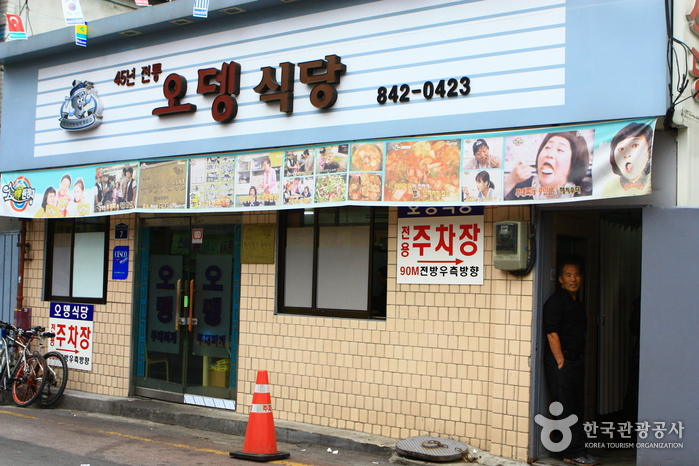
Odeng Sikdang Uijeongbu Main Branch (오뎅식당)
14.4Km 2024-12-06
7, Hoguk-ro 1309beon-gil, Uijeongbu-si, Gyeonggi-do
+82-31-842-0423
The origins of Uijeongbu’s budaejjigae (Sausage Jjigae) tradition trace back to a humble food stall, now operated by the third generation. As budaejjigae grew in popularity, this modest stall evolved into a dedicated restaurant specializing in the iconic dish.
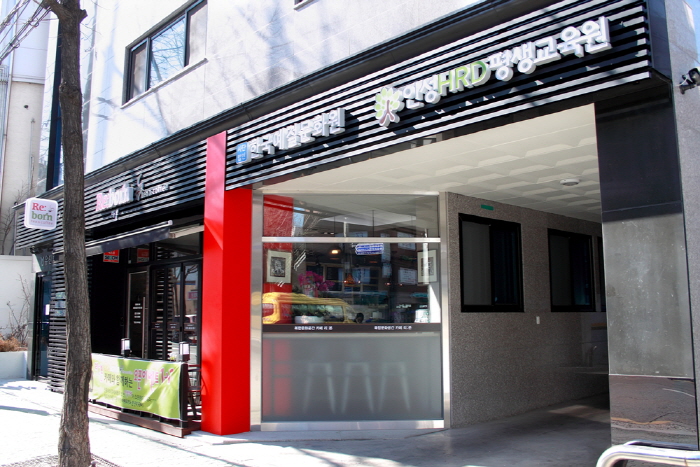
Korea Etiquette Institute (한국예절문화원)
14.5Km 2022-07-08
43 , Gajaeul-ro 4-gil, Seodaemun-gu, Seoul
+82-2-391-1988
Korea Etiquette Institue is dedicated to observing, researching, developing and passing down Korea's etiquette. Education programs are also available.
Korea Furniture Museum (한국가구박물관)
14.5Km 2025-10-24
121 Daesagwan-ro, Seongbuk-gu, Seoul
The Korea Furniture Museum, located on a hill in Seongbuk-dong, Seoul, is a special museum that displays items related to Korea's traditional living culture. The museum exhibits wooden furniture made in the late Joseon dynasty by material (persimmon tree, maple tree, paulownia tree, zelkova tree, pine tree, papers, etc.), by the type of space (men’s quarters, women’s quarters, kitchen, etc.), and by regional characteristics. It also exhibits interior decorations, flower walls, chimneys, and yards, as well as ten traditional Korean houses.
This museum operates through a guided tour (maximum of 20 people per group) only, suitable for showing Korea's housing culture that harmonizes furniture and nature. The old household items, “furniture,” are displayed in rooms outside glass storage boxes, allowing visitors to experience a beautiful traditional culture.
Since it was selected as the official luncheon venue for the spouses of leaders of 20 countries at the 2010 G20 Seoul Summit, there has been a steady stream of state guests and worldwide celebrities, including Chinese President Xi Jinping and his wife, the German President, the Prime Minister of Hungary, the Prime Minister of Singapore, the King and Queen of Belgium, the King of Sweden, the head of the IMF, and movie stars Brad Pitt, and Victoria Beckham.
In addition, it was selected as the "most beautiful museum in Seoul” by CNN in 2011. The museum also served as an interview location for BTS members, who are receiving global attention. As such, it is attracting attention as a representative tourist destination in Seoul and a cultural space preferred by government ministries and companies. Tours require reservations, which can be made through the website.
 English
 한국어
한국어 日本語
日本語 中文(简体)
 Deutsch
 Français
 Español
 Русский


