
Sejong Village Food Street (세종마을 음식문화거리)
10.1Km 2025-06-17
Chebu-dong, Jongno-gu, Seoul
Previously known as Geumcheongyo Market, it was officially named Sejong Village Food Street in 2011, as King Sejong was born in this village. The street is full of lively energy and features both long-standing restaurants, also known as nopo in Korean, and recently established trendy eateries. Its convenient location and inviting atmosphere make it a popular place to visit.
The Children’s Museum of the National Folk Museum of Korea (국립민속박물관&국립민속박물관 어린이박물관)
10.1Km 2025-06-19
37 Samcheong-ro, Jongno-gu, Seoul
The Children’s Museum of the National Folk Museum of Korea, located within Gyeongbokgung Palace, showcases artifacts related to Korean traditional culture. This interactive museum allows children to experience and learn about various aspects of Korean traditional clothing, food, society, culture, and games firsthand. Especially catering to children from Asian countries, there is a service for renting items, and reservations are required for admission.
Severance Hospital (연세대학교 의과대학 세브란스병원)
10.2Km 2025-10-23
50-1 Yonsei-ro, Seodaemun-gu, Seoul
THE FIRST & THE BEST
As the first Western-style hospital in Korea, and with over 140 years of history, Severance Hospital (Gwanghyewon) has been leading the medical industry in Korea since its foundation in 1885.
Dedicated to improving the quality of medical services through specialization, Severance Hospital has the distinction of being the first hospital in Korea to operate six specialized hospitals: the Dental Hospital, Cancer Center, Rehabilitation Hospital, Cardiovascular Hospital, Children's Hospital, and Eye Hospital.
In 2023, Severance Hospital achieved a world first by performing 40,000 robotic surgeries and introduced a new paradigm in cancer treatment by bringing Carbon Ion Therapy to Korea for the first time.
As a global leader in advanced medical technology and patient-centered services, Severance Hospital was the first medical institution in Korea to receive JCI (Joint Commission International) accreditation and has ranked first in the medical service sector of the NCSI (National Customer Satisfaction Index) for 14 consecutive years.
Yonsei University Dental Hospital (연세대학교 치과대학병원)
10.2Km 2025-11-21
50-1 Yonsei-ro, Seodaemun-gu, Seoul
Since November 1915, when Dr. William J. Scheifley established the Department of Dentistry at Severance Union Medical School, officially introducing Western dental medicine to Korea, Yonsei University Dental Hospital has maintained its status as the nation's first and foremost dental institution for over 100 years. Notably, Yonsei University Dental Hospital, equipped with the finest medical professionals, state-of-the-art facilities, and a well-coordinated collaborative system among departments, excels in the treatment and prevention of oral and maxillofacial diseases while prioritizing the happiness and well-being of its patients. It stands as the premier dental hospital in Korea.
Bukjeong Village (북정마을)
10.2Km 2024-02-15
132-3 Seongbuk-ro 23-gil, Seongbuk-gu, Seoul
Bukjeong Village, situated along the slopes of Seongbuk-dong, offers a glimpse into Korea's old alleyways. The village expanded as refugees from the Korean War (1950–1953) and people from various regions settled, building houses under the collapsed walls of Hanyang doseong (Seoul City Wall). Presently, the village is home to young artists, and the broad street in front of the village bus stop hosts various community events.
Sunset Leisure 435 (썬셋레저 435)
10.2Km 2023-07-04
서울특별시 마포구 망원동 205-5
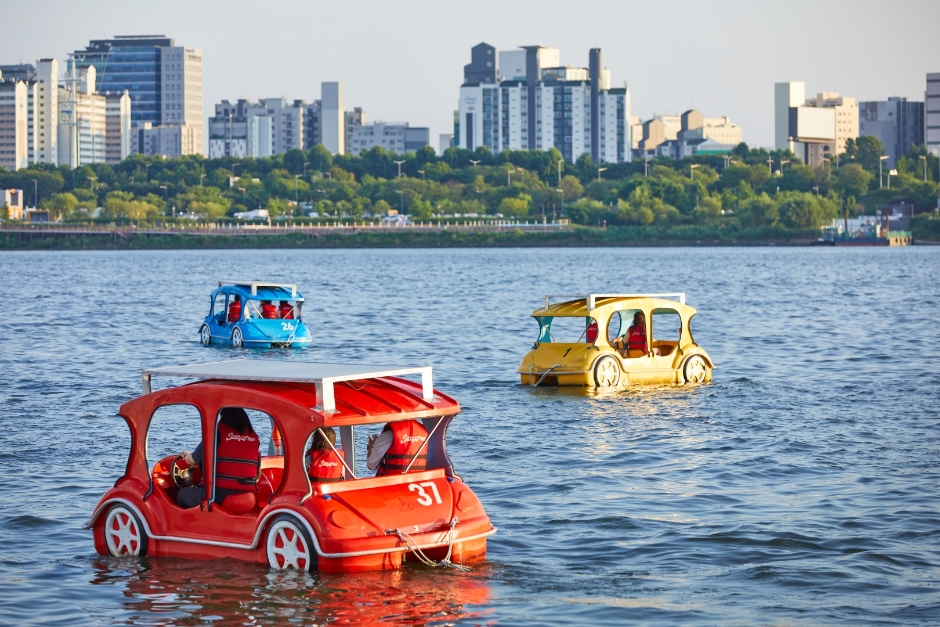
Mangwon Hangang Park is famous for its amenities, and what better than the iconic duck boat to get the most out of Hangang River? Hangang River is a wide river ranging up to 1 - 2km in x_width, so go for a joyride with duck boats on the river. One can also opt for electric boats for a more comfortable experience, depending on one’s preferences and the group size. Duck boats are particularly popular on the weekends and holidays, so it is recommended to place reservations before heading there.

Ceramic Cafe JOOL(도자기카페 줄)
10.2Km 2025-11-05
11, Sinchon-ro 4-gil, Mapo-gu, Seoul
'24/365 with BLACKPINK' filming location
This is the studio where JISOO and ROSÉ visited and made pottery in BLACKPINK's exclusive reality content '24/365 with BLACKPINK'. Through the one-day class, you can draw a picture on a mug or make your own pottery by hand. If you follow the teacher's class and pay attention, you will feel great fun even if you are clumsy. Just touching the moist clay dough has the effect of relieving daily stress. Classes require reservations.
Seoul Hiking Tourism Center - Bugaksan Branch (서울도심등산관광센터(북악산))
10.2Km 2024-03-05
88 Samcheong-ro, Jongno-gu, Seoul
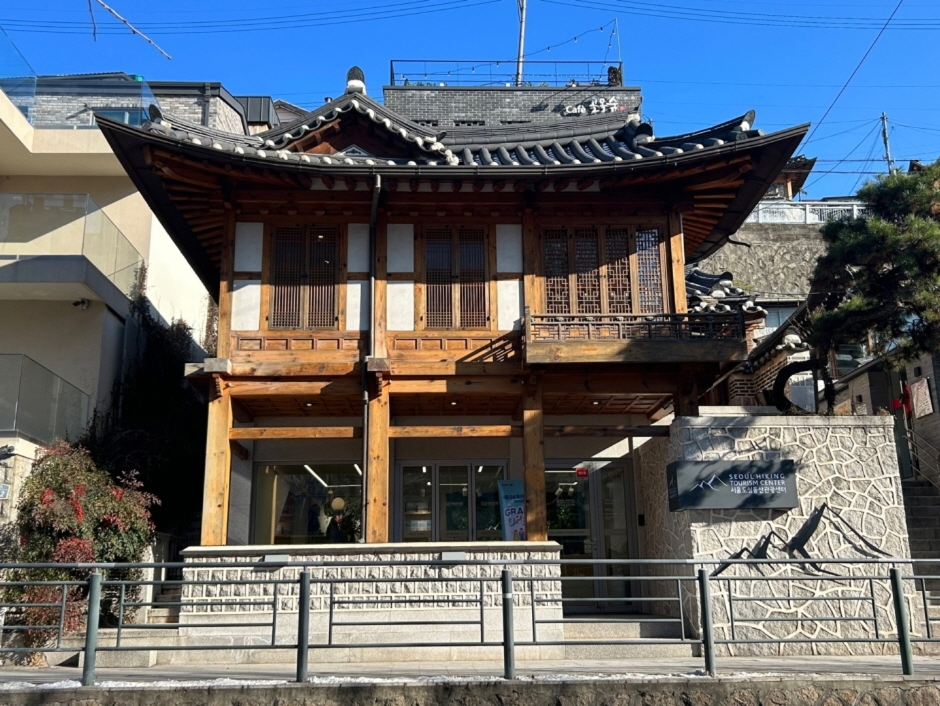
The Bugaksan branch of Seoul Hiking Tourism Center is located on Samcheong-dong Culture Street and provides various services to hikers. It provides hiking course guidance and information (available in Korean, English, Chinese, and Japanese) about the mountains of Seoul, including Bukhansan, Bugaksan, and Inwangsan Mountains, as well as promotional materials such as Seoul hiking tourism guidebooks and maps. Also, it operates hiking tour programs with various themes every week for foreigners and offers hiking gear rental services such as hiking boots, hiking attire, trekking poles, gloves, and crampons for foreigners. (Koreans accompanied by foreigners can also rent the gear.) In addition, there is a storage locker and lounge for visitors, so they can pack up and rest before hiking.
The Hyooshik Aank Hotel Hongdae (더휴식 아늑호텔 홍대점)
10.2Km 2025-04-18
162-7 Donggyo-ro, Mapo-gu, Seoul
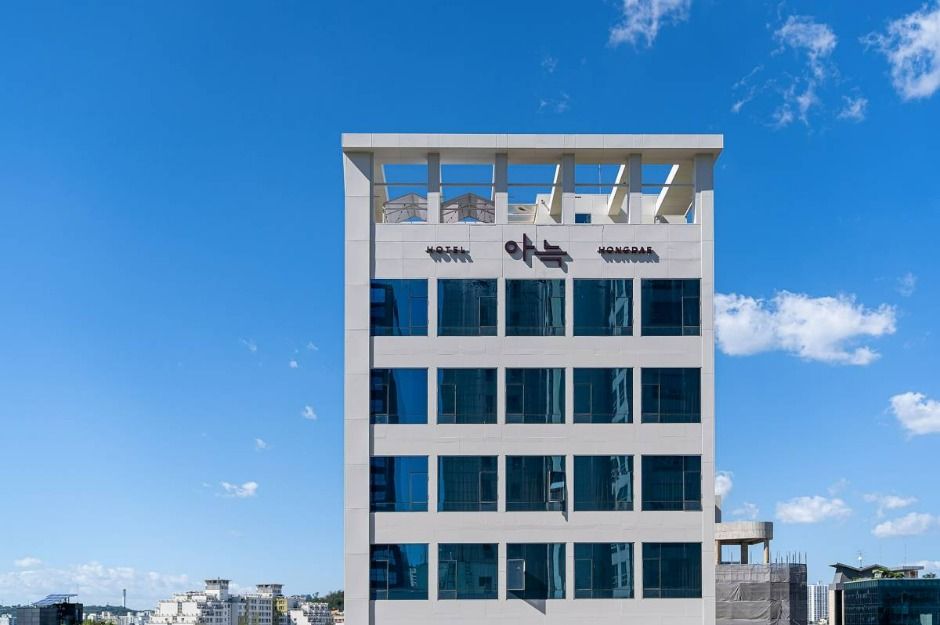
The hotel offers rooms equipped with various entertainment options, catering to the diverse preferences of its guests. From a private movie room to a meditation room, guests can choose the type of stay they want, whether it is a fun movie time or a relaxing retreat to unwind. The business room provides the amenities needed for a workation, while the gaming room allows guests to relieve stress by gaming.
Kleam Clinic (클림의원)
10.2Km 2025-10-23
3F, 141 Yanghwa-ro, Mapo-gu, Seoul
Kleam Clinic is a leader in K-beauty innovation, and they discover the unique, radiant beauty of customers from around the globe.
Kleam Clinic is sought after by many customers as it is known for its excellent procedural competence, honest pricing, and use of genuine products. Additionally, the clinic provides interpretation services in English, Chinese, Japanese, and Thai for international clients. Additionally, the clinic offers airport pick-up and drop-off services, hotel bookings, and tax-free services, allowing foreign visitors a hassle-free one-stop procedure.
The clinic is open from Monday through Sunday so patients can conveniently get consultations on holidays as well.
 English
 한국어
한국어 日本語
日本語 中文(简体)
 Deutsch
 Français
 Español
 Русский


