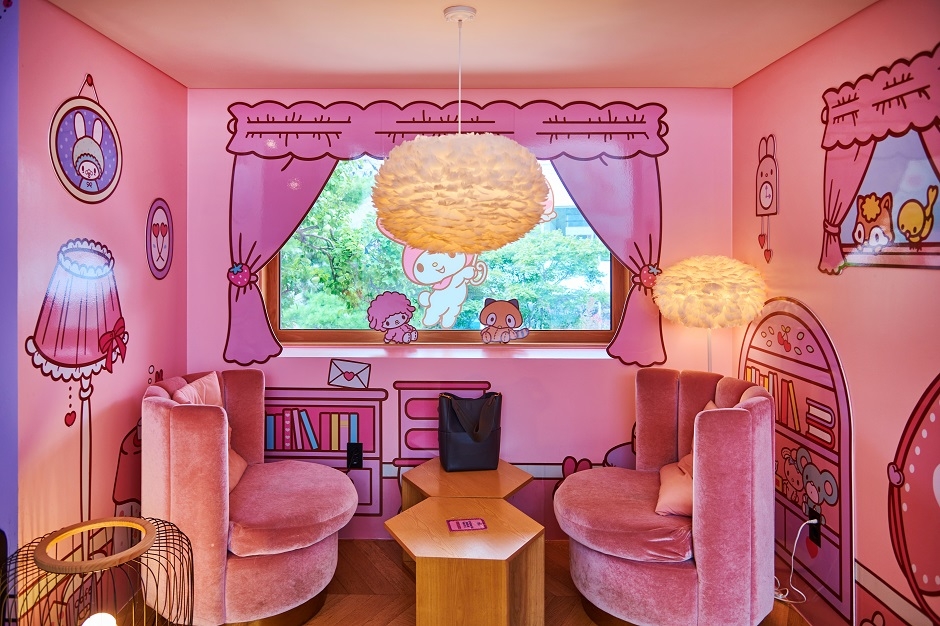
SANRIO LOVERS CLUB(산리오 러버스 클럽)
10.7Km 2025-11-05
18, Wausan-ro 19-gil, Mapo-gu, Seoul
'BLACKPINK HOUSE' filming location
In the past, it was a Hello Kitty cafe, but it was renovated and used as accommodation when BLACKPINK's first reality content, 'BLACKPINK HOUSE' was filmed. Currently, it is operated as an exhibition experience and cafe for Sanrio characters. The inside and outside of the two-story building in pastel colors are full of Sanrio characters. You must make a reservation in advance to enter the cafe on the second floor. You can visit and purchase at the MD Shop on the 1st floor without a separate reservation.

Bumin Hospital Seoul (서울부민병원)
10.7Km 2025-10-23
1st Floor, International Healthcare Center, 389 Gonghang-daero, Gangseo-gu, Seoul
Seoul Bumin Hospital, a 300-bed general hospital that opened in April 2011, is a leader in medical culture with its exceptional medical staff, diagnostic equipment, and eco-friendly hospital practices. In particular, the Spine and Joint Center's medical staff, with their huge experience and expertise, provide Korea's highest level of medical services, including 3D navigation-assisted knee and hip surgery, stem cell therapy, robotic joint replacement surgery, hip endoscopic surgery, spinal deformity surgery, minimally invasive spinal surgery, and non-surgical treatments.

Nemamdaero Hongdae Branch(내맘대로폰케이스 홍대점)
10.7Km 2025-11-05
21 Wausan-ro 19-gil, Mapo-gu, Seoul
JENNIE and JISOO’s phone case
This is where JENNIE and JISOO made mobile phone cases on V LIVE. It has a huge number of parts, and you can choose the color and shape of the bond. The advantage is that you can use all parts as much as you want without restrictions. You can follow JENNIE and JISOO’s design, or you can make your own case. Decorating top loaders for photo cards and making slime are also popular. It is the perfect for travel souvenirs or gifts.
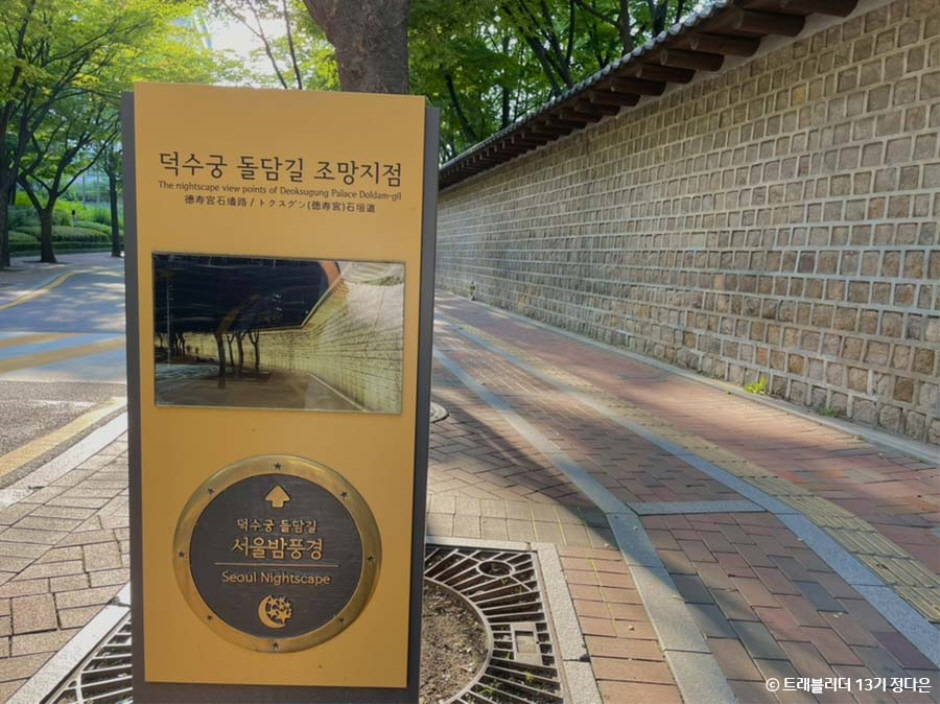
Jeongdong-gil Road (정동길)
10.7Km 2024-06-19
2-1 Jeongdong-gil, Jung-gu, Seoul
Jeongdong-gil Road is one of Seoul's most famous walking paths, stretching from the intersection in front of Jeongdong Church to Saemunan-gil Road. The street holds importance in Korea's modern history, with the surroundings serving as a living museum of this. During the Joseon dynasty, the area developed into a residental space for distant members of the royal family, with a palace and royal tombs in the area. In 1999, the pedestrian walking area was expanded by turning the two-way road into a one-way road. Since then, the road has earned many awards and honors.
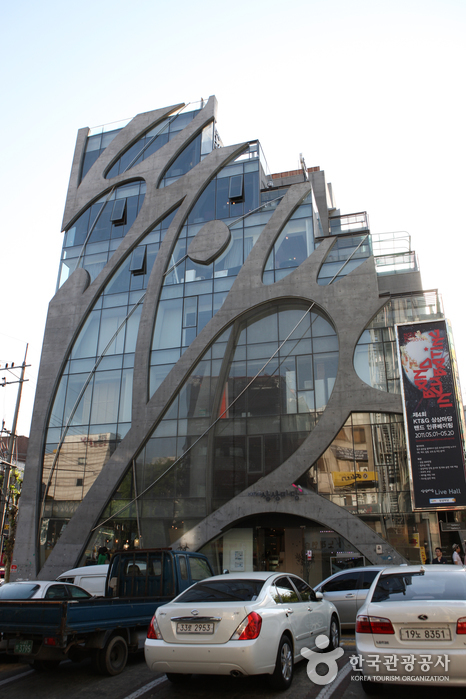
KT&G Sangsangmadang Arts Space (Hongik University) (KT&G 상상마당(홍대))
10.7Km 2024-03-12
65 Eoulmadang-ro, Mapo-gu, Seoul
KT&G Sangsangmadang Arts Space is a multifaceted cultural space established in 2007. Spanning 660 meters with a total floor area of 3,366 meters, it features facilities such as a theater, a concert hall, a design square, a gallery, and cafés. It offers opportunities for close engagement with culture. Located near Hongik University Station, it boasts excellent accessibility and attracts many visitors due to its diverse attractions.

Haha & Kim Jongkook's 401 Restaurant (하하&김종국의 401정육식당)
10.7Km 2025-10-30
23 Jandari-ro, Mapo-gu, Seoul
'Running Man' members Haha & Kim Jongkook
It is a meat restaurant run by Haha and Kim Jongkook, members of the entertainment program 'Running Man'. With the concept of a Grilled Pork Belly restaurant, you can taste Grilled Pork Small Intestines, Grilled Pork Tripe, and Grilled Pork Rinds. It is characterized by the fact that the staff grills the meat for customers, and the combination of well-grilled Pork belly, Salted Anchovy Sauce, Green Onion Salad, and White radish cabbage is popular.
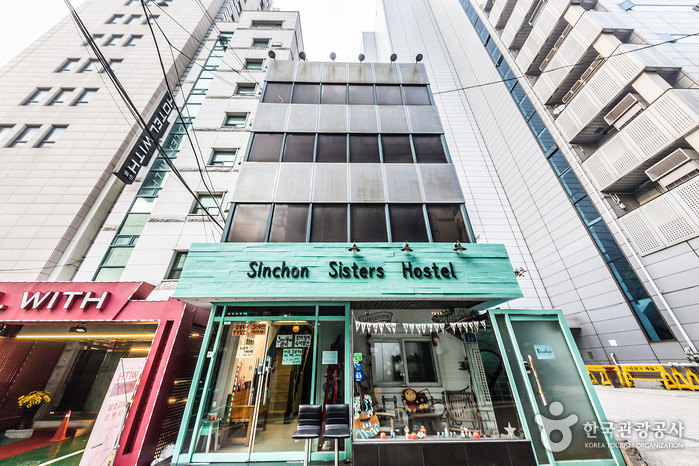
Sinchon Sisters Hostel (신촌 시스터즈)
10.8Km 2024-12-23
24 , Baekbeom-ro 2-gil, Mapo-gu, Seoul
Sinchon Sisters is a friendly guesthouse in Mapo-gu, Seoul, that caters for young travelers. Rooms are for two, three or four people, and each room has its own bathroom. There is no separate dining area, but you can bring food into your room and there’s a microwave for visitors’ use. Washing machines and dryers are also provided (payment needed). Transport is convenient: Sinchon Station and Sogang University Station are a 5 minutes’ walk away, and there are bus stops nearby - including for the airport express bus service. The Hongdae, Hapjeong, Mangwon, and Sangsu areas are all nearby.
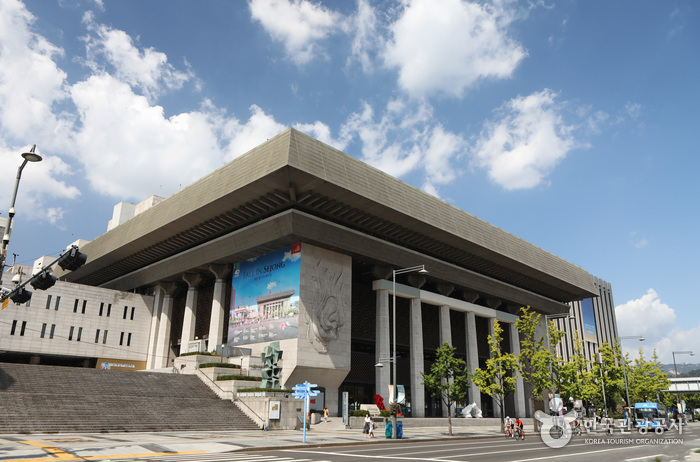
Sejong Center (세종문화회관)
10.8Km 2023-06-14
175, Sejong-daero, Jongno-gu, Seoul
Sejong Center, officially known as Sejong Center for the Performing Arts, opened on July 1, 1999 to provide citizens with a cultural art space. Having completed a grand remodeling project in 2007, Sejong Center offers customer-friendly programs aimed at improving the quality of art performances in a comfortable resting area. Comprising the Grand Theater of Sejong Center, Sejong M Theater, Sejong Chamber Hall, Exhibition Hall, and other subsidiary facilities, Sejong Center is a multicultural art center.
Various genres of performances including traditional, classic, and crossover have taken place in the center, giving many opportunities for cultural nostalgia.
* Opened April 14, 1978
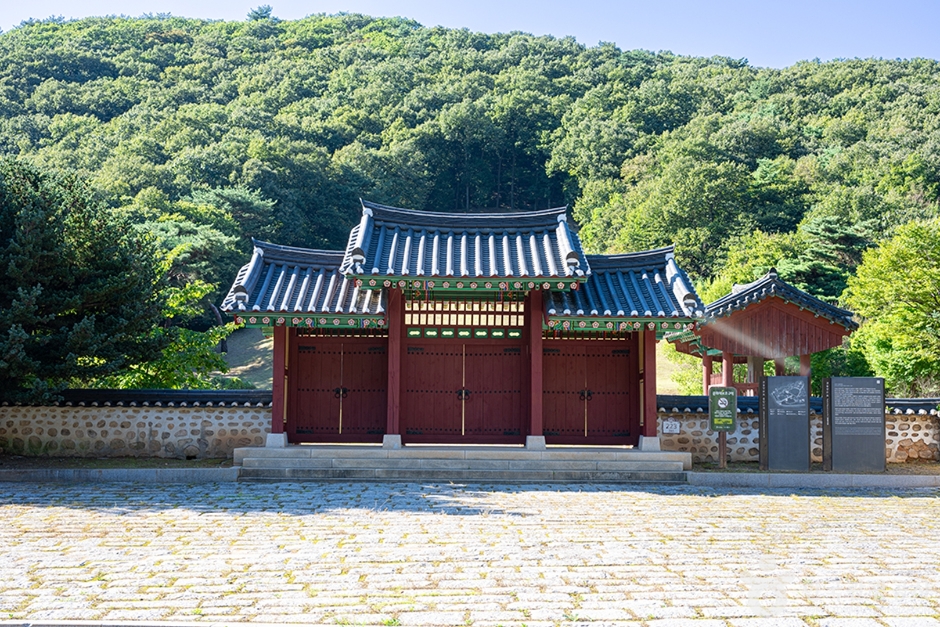
Tomb of General Gwon Yul (권율장군묘)
10.8Km 2024-02-07
223 Gwonyul-ro, Jangheung-myeon, Yangju-si, Gyeonggi-do
General Gwon Yul (1537-1599) is a historic figure from the Joseon dynasty. He is celebrated for repelling the invading Japanese forces at Haengjusanseong Fortress and other locations near Seoul during the Japanese Invasion of Korea (1592-1598). In front of the tomb stands a tombstone, flanked by pairs of stone statues. These pairs consist of Sangseok, Hyangnoseok, Dongjaseok, Muninseok, and Mangjuseok, with one statue from each pair positioned on the left and the other on the right, respectively. The site also includes the tombs of his father and older brother. His descendants continue to visit and commemorate him to this day.
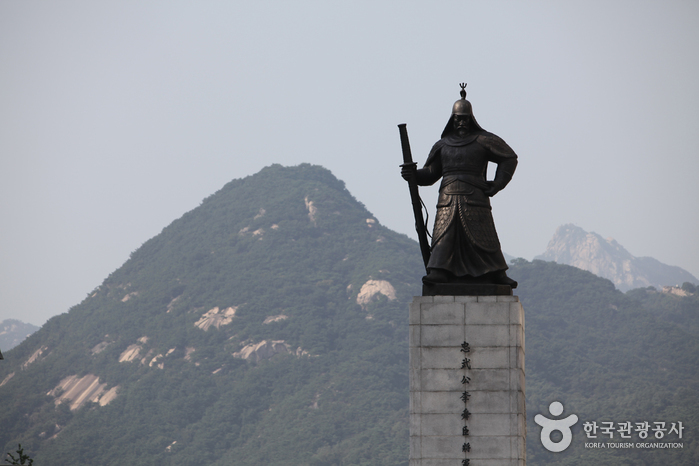
Statue of Admiral Yi Sun-Shin (충무공 이순신 동상)
10.8Km 2024-03-04
175, Sejong-daero, Jongno-gu, Seoul
The Statue of Admiral Yi Sun-Shin can be found at Gwanghwamun Square in Seoul. Admiral Yi Sun-shin (1545-1598) was a naval commander who served during the Japanese invasion of Korea (also known as Imjin War: 1592-1598). The undefeated admiral achieved 23 victories against the Japanese navy using innovative tactics, and he is thus considered as one of the greatest generals in the history of Korea. Admiral Yi’s likeness can be found on the 100 won coin.
 English
 한국어
한국어 日本語
日本語 中文(简体)
 Deutsch
 Français
 Español
 Русский


