
Soonplus Plastic Surgery · Dermatology (순플러스성형외과의원)
10.8Km 2026-01-02
(12th-13th Floors, Mulberry Hills Medical Building), 589 Gangnam-daero, Seocho-gu, Seoul
At Soonplus Plastic Surgery · Dermatology, we are dedicated to enhancing the unique beauty of each individual through meticulous diagnoses and ongoing research.
For 25 years, we have quietly pursued the path of true beauty, and now, we are reaffirming our commitment to the principles that have guided us since the beginning.
Our focus is on natural beauty, helping you discover and embrace your own distinctive charm—one that is authentic and not influenced by fleeting trends.
This unwavering dedication to preserving individuality has been our hallmark for over two decades.
At Soonplus Plastic Surgery · Dermatology, we are committed to continuing this journey with you, bringing out the pure beauty that is uniquely yours.
Seoul National University Hospital (서울대학교병원)
10.8Km 2025-10-23
101 Daehak-ro, Jongno-gu, Seoul
Seoul National University Hospital, a national central hospital that has led Korean medicine for over 130 years, is a top-tier hospital equipped with world-class medical professionals and cutting-edge systems. For 25 consecutive years, it has ranked first in brand power in the hospital sector. The hospital is renowned for its cancer research, the most comprehensive pediatric care in the country, and treatments for rare and intractable diseases. Through patient-centered, personalized services, it has established itself as a trusted healthcare institution.
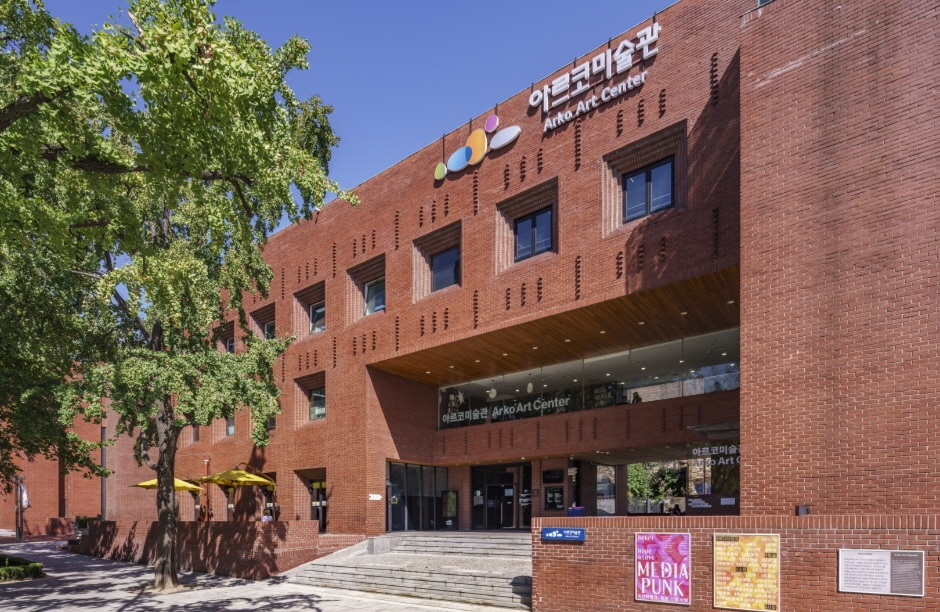
ARKO Art Center (아르코미술관)
10.9Km 2025-06-05
3, Dongsung-gil, Jongno-gu, Seoul
ARKO Art Center was founded in 1974 as Misulhoegwan in a building of former Deoksu Hospital in Gwanhun-dong, Jongno-gu to offer much-needed exhibition space for artists and arts groups. In 1979, Misulhoegwan moved to its present building, designed by preeminent Korean architect Kim Swoo-geun (1931-1986) and located in Marronnier Park, the former site of Seoul National University. The two neighboring brick buildings accommodating ARKO Art Center and ARKO Arts Theater are the major landmarks of the district of Daehakro.
As more public and private museums and commercial galleries came into the art scene in the 1990s, Misulhoegwan shifted to curating and presenting its own exhibitions. Renamed as Marronnier Art Center in 2002, ARKO Art Center assumed a full-fledged art museum system and played an increasingly prominent role as a public arts organization leading the contemporary art paradigm. When The Korea Culture and Arts Foundation was reborn as Arts Council Korea, Marronnier Art Center became ARKO Art Center named after the abbreviation for Arts Council Korea in 2005.
ARKO Art Center is committed to working as a platform where research, production, exhibitions and the exchange of creative activities grow and develop in connection with one another in addition to having a diversity of programs including thematic exhibitions addressing social agenda and public programs widely promoting various discourses in art.
SYNERGY Plastic Surgery (시너지성형외과의원)
10.9Km 2025-10-23
1st, 5th Floors, SYH Tower, 107 Dosan-daero, Gangnam-gu, Seoul
Synergy Plastic Surgery is a clinic specializing in anti-aging procedures such as facelifts, neck lifts, forehead lifts, and stem cell treatments. The clinic's head doctor, Jung Kyung-in, graduated from Seoul National University College of Medicine and has over 27 years of experience. He personally provides one-on-one customized consultations to ensure a systematic surgical process. Notably, the clinic has specialized expertise in accessing not just the surface layer of the skin but also the underlying SMAS (superficial muscular aponeurotic system) layer, aiming for fundamental improvement. They also perform procedures using stem cells.
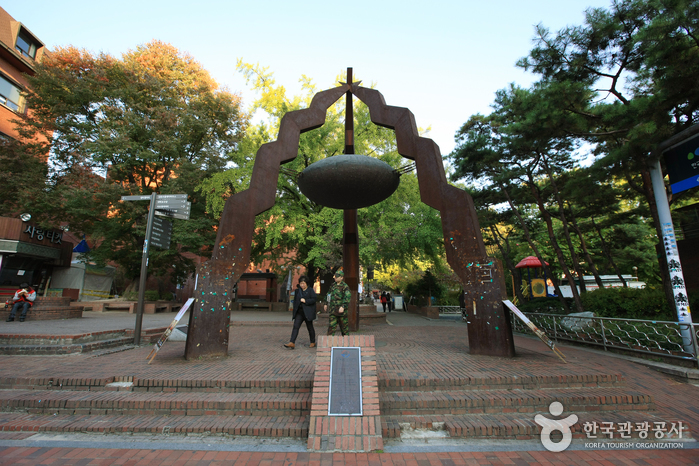
Marronnier Park (마로니에공원)
10.9Km 2021-07-14
104, Daehak-ro, Jongno-gu, Seoul
Marronnier Park was given its name due to the marronnier trees, or horse chestnut trees, growing within the area. The location where Seoul National University's College of Liberal Arts & Science and School of Law once stood, it is now a park dedicated to culture and arts open to the public. In addition to a variety of outdoor performances that take place throughout the area, exhibitions and cultural centers create a romantic atmosphere unique to the park.
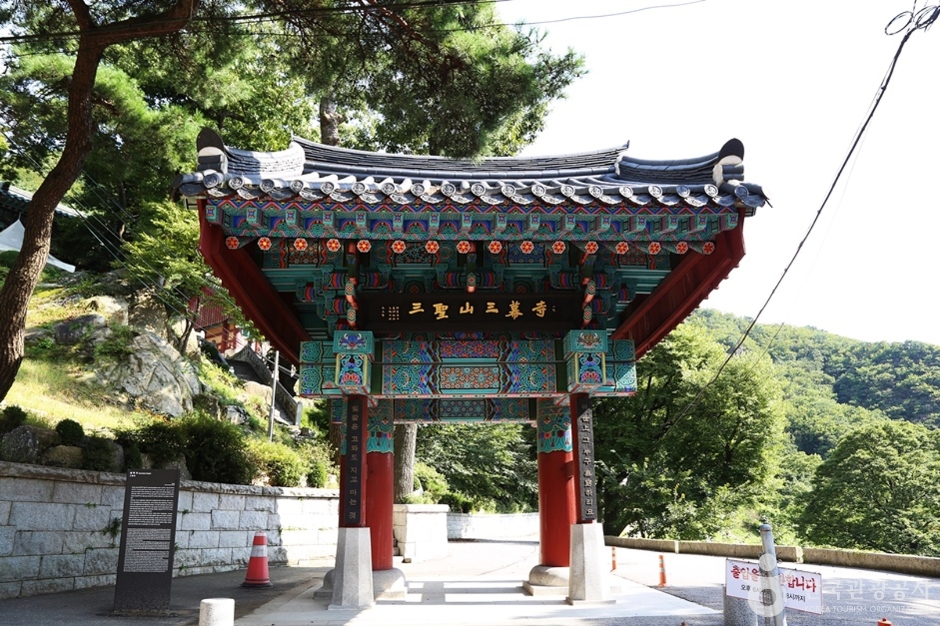
Sammaksa Temple (삼막사)
10.9Km 2024-02-07
478 Sammak-ro, Manan-gu, Anyang-si, Gyeonggi-do,
Sammaksa Temple is a Buddhist temple located in Samseongsan Mountain. Legend has it that the temple was established in 667 by Wonhyo, a Buddhist philosopher from the Silla era. Within the temple grounds are Cheonbuljeon Hall, Yukgwaneumjeon Hall, Myeongbujeon Hall, Manghaeru Pavilion, Chilbogak House, among others. The temple holds heritages like the Rock-carved Buddha Triad and the Fertility Stones. These artifacts, symbolizing the fusion of Buddhism and folk religion, highlights the ancient nature of the place.
Bukjeong Village (북정마을)
10.9Km 2024-02-15
132-3 Seongbuk-ro 23-gil, Seongbuk-gu, Seoul
Bukjeong Village, situated along the slopes of Seongbuk-dong, offers a glimpse into Korea's old alleyways. The village expanded as refugees from the Korean War (1950–1953) and people from various regions settled, building houses under the collapsed walls of Hanyang doseong (Seoul City Wall). Presently, the village is home to young artists, and the broad street in front of the village bus stop hosts various community events.
Onul Plastic Surgery Clinic (오늘성형외과의원)
10.9Km 2025-10-23
(10th-11th Floors, Geukdong Building), 596 Gangnam-daero, Seocho-gu, Seoul
ONUL Plastic Surgery Clinic is dedicated to prioritizing customer satisfaction with a steadfast commitment to our motto of "healthy beauty". We uphold the essential principles of plastic surgery, ensuring that every procedure adheres to the highest standards. Specializing in contouring, lifting, anti-aging, and reconstructive plastic surgery, our team of expert medical professionals provides personalized and responsible care, with the attending physician overseeing the entire process from consultation through post-surgical care. As a pioneer in the cosmetic surgery industry, we have implemented a surgical liability guarantee system since 2014. This system reflects our confidence, advanced technology, and customer-focused philosophy, ensuring we take full responsibility for our patients' outcomes. At ONUL Plastic Surgery Clinic, your well-being and satisfaction are our top priorities.
Deesse Plastic Surgery (청담여신성형외과의원)
10.9Km 2025-10-29
(14th-15th Floors, Nonhyeon-dong), 108 Dosan-daero, Gangnam-gu, Seoul
Deesse Plastic Surgery provides the highest level of medical care in Korea in the fields of lip plastic surgery, rhinoplasty, facial bone contouring, face-lift, and eyelid surgery. Many foreign patients are visiting us after hearing about our reputation. In order to provide high-quality medical services to foreign patients, we have interpretation coordinators available for Japanese, Chinese, Thai, and other languages on site. Also, we constantly strive to improve the quality of medical services to ensure the best experience for international patients. As a result, the hospital is rapidly gaining recognition by people around the world interested in receiving plastic surgery in Korea, and the results have been remarkable and foreign customers who visited our hospital showed high satisfaction. Our efforts have been rewarded in 2023 as we were designated by the Ministry of Justice for excellent medical tourism.
Trinity Women's Clinic (트리니티여성의원)
10.9Km 2025-10-23
3F, 108 Dosan-daero, Gangnam-gu, Seoul
Trinity Women’s Clinic provides the best medical service for women suffering from health issues unique to women, such as vaginitis, fibroids, and menopause.
The clinic aims to enhance patients’ quality of life through accurate and safe treatments. It aspires to become a reliable clinic that treats both women's minds and bodies. The clinic focuses on women's health and uterine treatments. At the same time, it guarantees optimum outcomes realized through its proven facilities, equipment, and safe medical environment.
Through continuous technological development and acquiring new medical knowledge, Trinity Women’s Clinic offers innovative treatments, including HIFU procedures, to improve patient health.
 English
 한국어
한국어 日本語
日本語 中文(简体)
 Deutsch
 Français
 Español
 Русский


