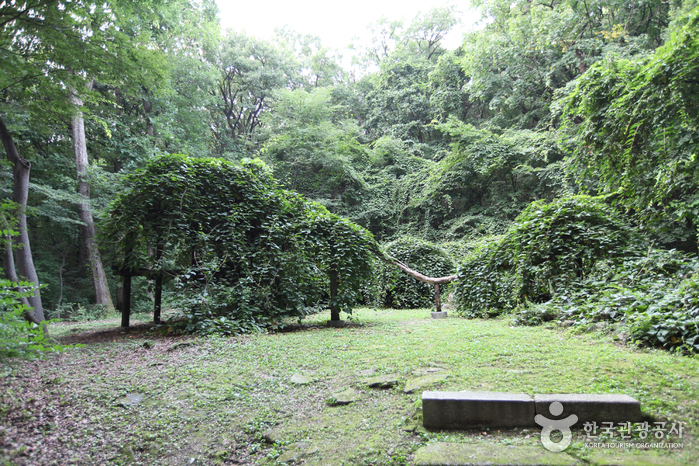
Daraenamu Tree in Changdeokgung Palace (창덕궁 다래나무)
8.9Km 2025-01-13
99, Yulgok-ro, Jongno-gu, Seoul
Daraenamu Tree in Changdeokgung Palace is estimated to be 600 years old, meaning it had likely been planted before the palace was built. The tree stands 19m in x_height, and has six separate trunks sprawling in all directions. It is the biggest and the oldest in Korea. It is designated and protected as a National Natural Monument.
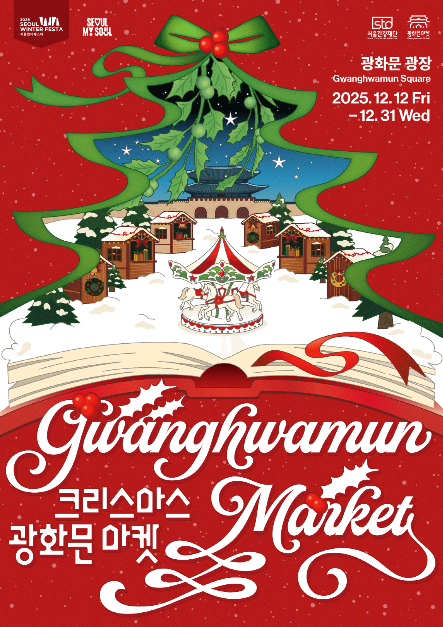
Gwanghwamun Market (광화문 마켓)
8.9Km 2025-12-05
B172 Sejong-daero, Jongno-gu, Seoul
+82-2-337-3692
Gwanghwamun Market takes place along with the Seoul Lantern Festival to support local small businesses and promote Seoul night tourism. The market features local store owners and businesses that exhibit and sell seasonal decor, handcrafted items, and winter snacks.

Samgaksan Mountain (삼각산)
8.9Km 2024-03-20
Samyang-ro 173-gil, Gangbuk-gu, Seoul
Samgaksan Mountain is a mountain situated on the northern outskirts of Seoul, resembling a folding screen. Its name, meaning triangular mountain, is derived from the presence of three high peaks: Baegundae Peak, Insubong Peak, and Mangyeongdae Overlook. The highest peak, Baegundae Peak, offers a panoramic view of Seoul from its summit, featuring a spacious rock surface where many visitors can sit. Positioned behind Gyeongbokgung Palace, the palace of the Joseon dynasty, Samgaksan Mountain is visible from the rear of the Cheong Wa Dae.
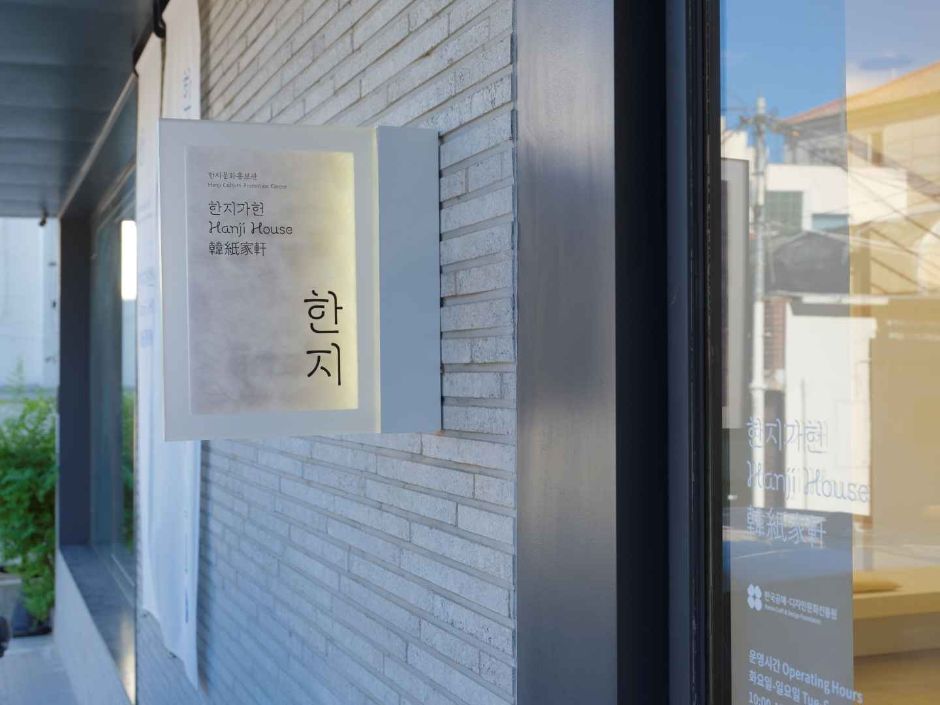
Hanji House (한지가헌)
8.9Km 2025-07-25
31-9 Bukchon-ro, Jongno-gu, Seoul
Hanji House was founded to pass on the cultural heritage of hanji, traditional Korean paper, as well as to promote its excellence and uses in everyday life. The center is operated by Korea Craft & Design Foundation, and offers a variety of programs that consist of exhibitions, hands-on activities, classes, and marketing hanji products. On the first floor is Hanji Showroom, where various exhibitions take place to showcase hanji of the past and the present. The basement floor comprises Hanji Open Archive, Hanji Print Studio, and Hanji Workroom, where most of the hands-on activities and classes are held. Hanji House also offers a docent program for exploring the whole area.
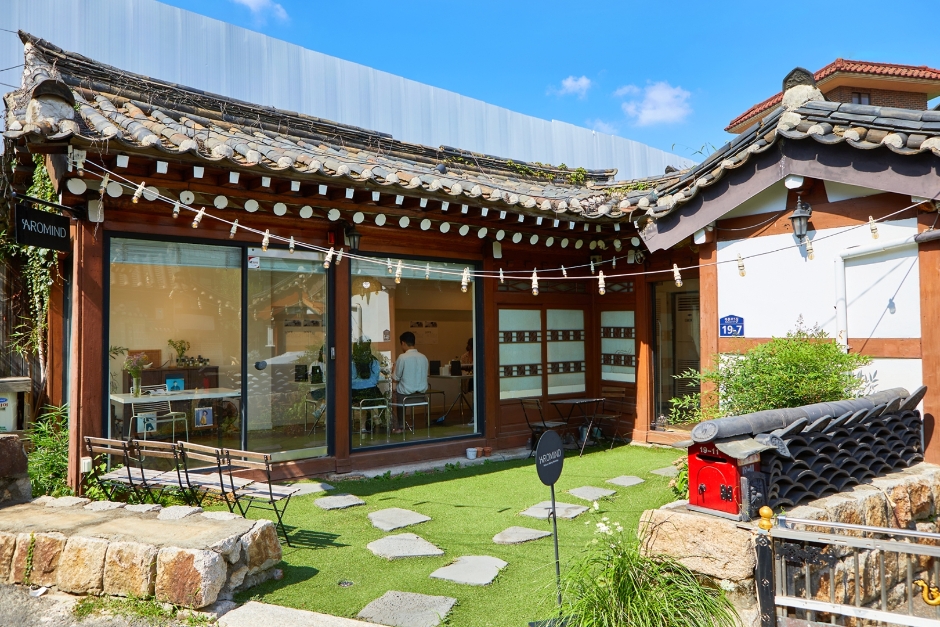
Aromind (아로마인드)
8.9Km 2024-01-30
19-7 Bukchon-ro 5-gil, Jongno-gu, Seoul
Aromind is a perfume workshop that offers a perfume-making experience with a professional perfumer in a quiet hanok building. Visitors can create their own one-of-a-kind perfume by choosing three out of 30 different scent options that change on a seasonal basis. A perfume one-day class is held for one to eight people for one to one and a half hours. The fee for the experience includes a 50 ml product and a 10 ml sample. They also offer the class in Korean with English interpretation when there non-Korean speaking participants. Aromind is the perfect place to create your own scent to associate your memory of Korea.
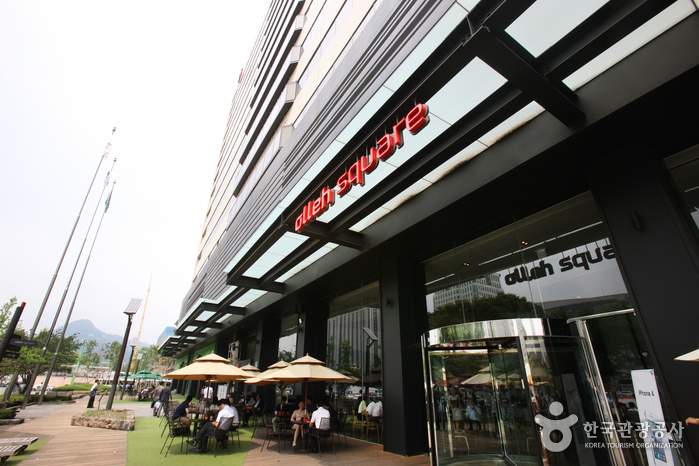
KT Square (KT스퀘어)
8.9Km 2021-07-08
178, Sejong-daero, Jongno-gu, Seoul
KT Square is a multi-complex that offers various cultural performances as well as hands-on experiences of the latest in IT technology. Gallery 130 showcases the history of KT Corp.
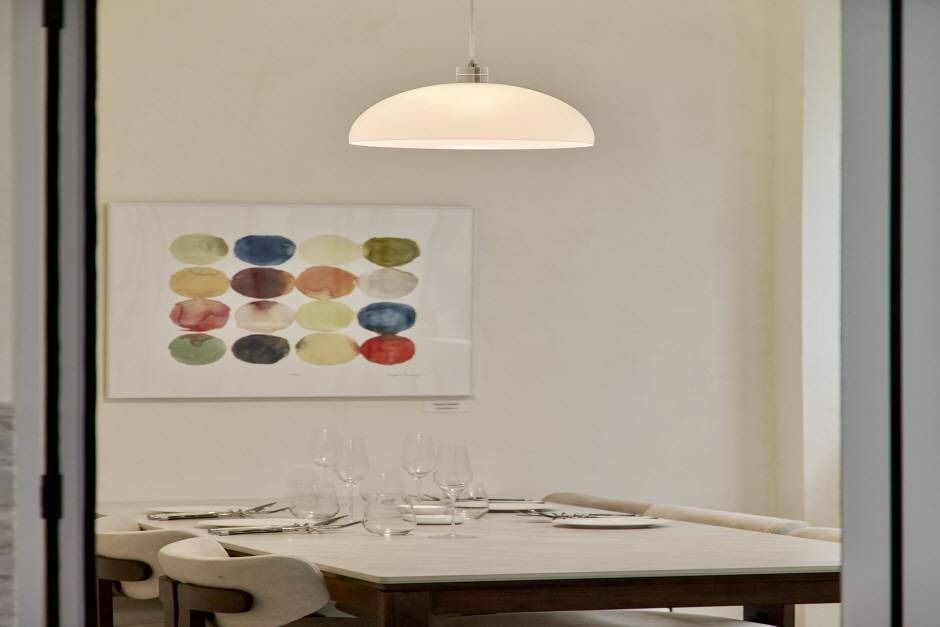
105405 Magok (105405 마곡)
8.9Km 2025-03-07
161-8 Magokjungang-ro, Gangseo-gu, Seoul
105405 Magok, a restaurant located in the Ganseo-gu district of Seoul, is famous for its charcoal grilled steak and its reinterpretation of side dishes, which is a significant part of Korean food culture. The steaks here are prepared through a meticulous process of wet-aging, seasoning, color development, confit, and charcoal grilling, with lunches served as course meals only.
Sooyeon Sanbang (수연산방)
8.9Km 2025-10-23
8 Seongbuk-ro 26-gil, Seongbuk-gu, Seoul
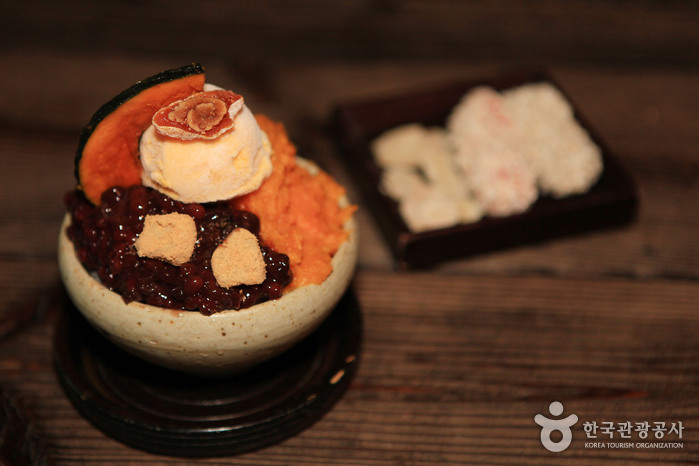
Sooyeon Sanbang is a traditional tea house located in Seongbuk-dong. It was originally built during the Japanese colonial period and was the hanok of the literary figure Lee Taejun. Today, it is operated as a tea house by the writer's granddaughter. The name Sooyeon Sanbang means "a house where literati gather in the mountains." Visitors can enjoy traditional teas such as daechucha (jujube tea) and ssanghwacha (medicinal herb tea), along with snacks like injeolmi (bean-powder-coated rice cake).
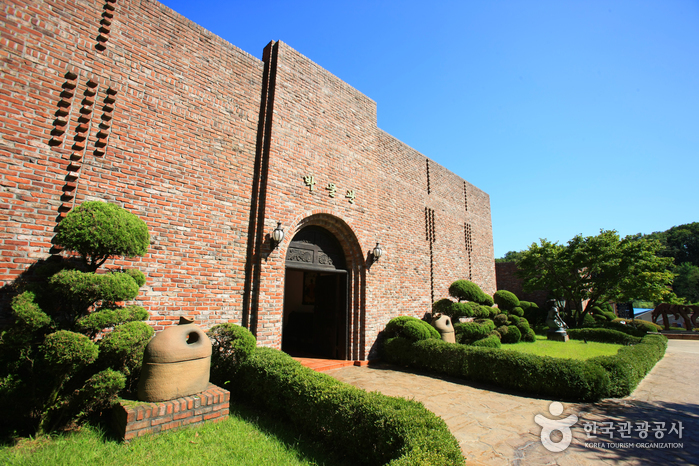
The Latin American Cultural Center Museum (중남미문화원)
8.9Km 2022-12-29
33-15, Daeyang-ro 285beon-gil, Deogyang-gu, Goyang-si, Gyeonggi-do
The Latin American Cultural Center Museum was established in 1994 to inform visitors about the culture and arts of Latin America. The museum exhibits artifacts from the Maya, Aztec, Inca, and early colony period that represents Latin America, as well as paintings, sculptures, traditional cloth and more from artists that represents the region. The Sculpture Park showcases pieces from 12 contemporary artists throughout the park, walking trail and rest area. In 2011, Religion Exhibition Hall opened which has a large mural and stain glass that is 24 meters in x_width and 5 meters in x_height.
Kkwonggogae Park (꿩고개공원)
9.0Km 2025-10-23
San 100beonji, Banghwa-dong, Gangseo-gu, Seoul
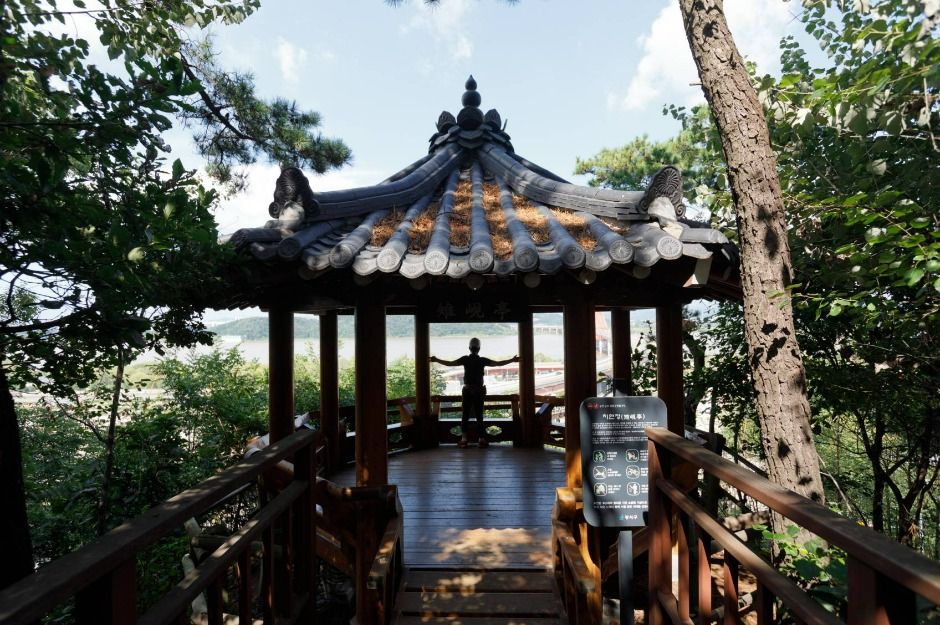
Kkwonggogae Park is an ecological forest where nature is preserved, located along the Hangang River, and has an excellent natural environment. Whereas the nearby Banghwa Community Park was founded for public service, Kkwonggogae Park was founded to preserve the existing habitats and ecosystems while serving as a passageway for small animals. Within the park is Chihyeonjeong Pavilion, Gangseo area's representative attraction for taking in the city nightscape. The hill's name, which can literally be translated as "Pheasant Hill Park," comes from the fact that this hill was a frequent pheasant hunting spot in the past. The park is located near Gagseo Dulle Trail Course No. 2.
 English
 한국어
한국어 日本語
日本語 中文(简体)
 Deutsch
 Français
 Español
 Русский


