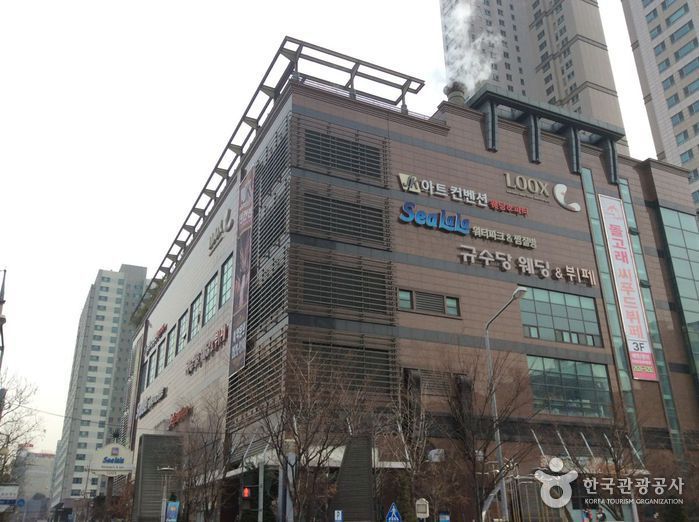
Sealala Water Park (씨랄라 워터파크)
11.7Km 2024-03-20
(2nd underground floor), 164, Mullae-ro, Yeongdeungpo-gu, Seoul
Sealala Water Park is a water park at the heart of the city where one can enjoy water activities across the four seasons. Its name is a portmanteau of the sea and lala, symbolizing the fun one can have in the water park. Inspired by the Mediterranean, the water park has water flowing pool, slides, beach pools, the Kids Land, bath pools, and rotating slides. Amenities onsite include convenience stores, manhwa cafe, and a swimming equipment store. Nearby tourist sites include the Yeongdeungpo Park, The National Assembly Building, and the Yeouido Park.

Hakeem Travel Korea (하킴트래블코리아)
11.8Km 2025-10-23
7th Floor, 10 Seonyu-ro 9-gil, Yeongdeungpo-gu, Seoul
Hakeem Travel Korea, founded in 2016, offers tailored travel solutions for Middle East, India, and Latin America. We provide FIT, groups, students, MICE, and medical & beauty tourism, ensuring customer satisfaction with personalized, seamless experiences.
National Theater of Korea (국립극장)
11.8Km 2024-03-06
59, Jangchungdan-ro, Jung-gu, Seoul
The National Theater of Korea opened in 1950 as the first national theater in Asia. It is the only production theater that takes traditional arts to recreate them as contemporary art. It offers various types of theaters, such as Haeoreum Grand Theater, Daloreum Theater (middle-size), Immersive Studio ByeolByeol (small-size), and Haneul Round Theater with a circular stage structure. In addition, the Museum of Performing Arts, Cultural Plaza, and other convenience stores and coffe shops offer pleasure and relax to its visitors.
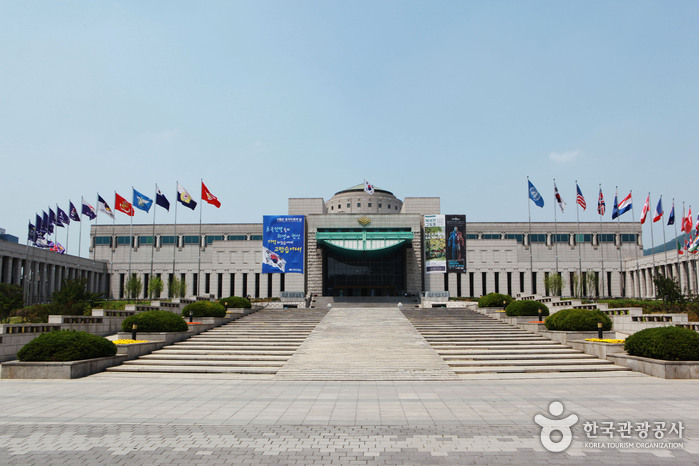
The War Memorial of Korea (전쟁기념관)
11.8Km 2022-12-29
29, Itaewon-ro, Yongsan-gu, Seoul
The War Memorial of Korea, located in Yongsan-gu, Seoul, exhibits and preserves materials related to the Korean War and serves as a national moral educational venue. It was established on June 10, 1994 by the War Memorial Service Korea Society to commemorate the noble sacrifice of patriotic martyrs. The museum houses approximately 33,000 artifacts with about 10,000 on display at indoor and outdoor exhibitions. There are six separate indoor halls, including Expeditionary Forces Room, Patriotic Memorial Room, War History Room, 6·25 Korean War Room, Development Hall and Large Machinery Room. The outdoor exhibition showcases large-sized weapons. Visitors of all ages from children to adults can also participate in 20 various educational programs and diverse cultural events such as military music and honor guard events, drawing contest, cultural event and more. The character of War Memorial of Korea is ‘Mudori’ featuring a helmet symbolizing the protection of the nation and a bay leaf meaning peace.
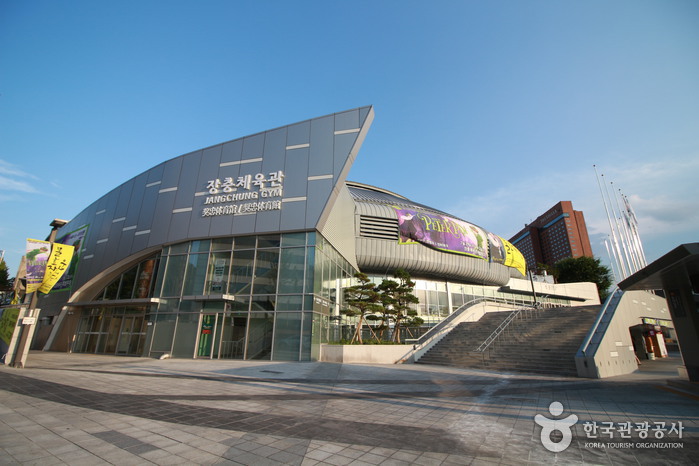
Jangchung Gymnasium (장충체육관)
11.9Km 2024-03-12
241, Dongho-ro, Jung-gu, Seoul
Jangchung Gymnasium is Korea's first domed gymnasium and opened in 1963. It was renovated in 2015 to become what it is today. It is famous for hosting the Korean Professional Volleyball League during the winter months. The gymnasium also boasts a variety of athletic competitions, cultural performances, and events. Nearby are Jangchungdan Park, Jangchung-dong Jokbal Street, and Dongdaemun Historical and Cultural Park, which are all worth exploring.
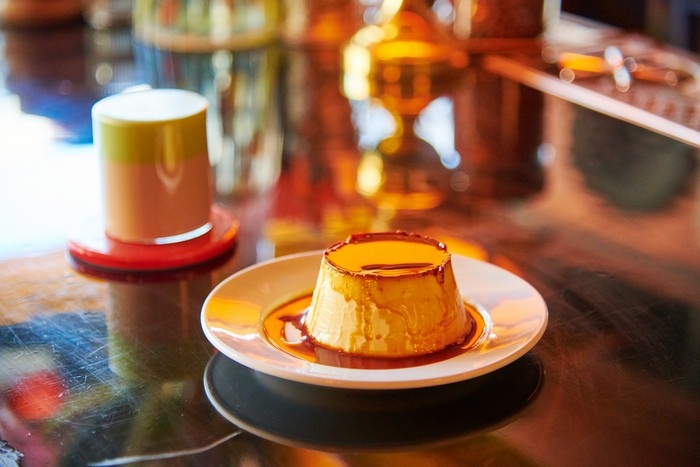
HILLS & EUROPA (힐즈앤유로파)
11.9Km 2025-11-05
35 Sinheung-ro, Yongsan-gu, Seoul
Haebangchon's Hot Place
Singer Lee Hyori's OTT entertainment program 'Seoul Check-in' was filmed, and you can enjoy the atmosphere of Haebangchon properly. The low wooden ceiling and walls filled with unique objects and LPs from all over the world create a unique and cozy atmosphere. It is always full of customers as you can enjoy great visual cocktails and delicious dishes against the backdrop of various genres of music. During the day, it is good to enjoy coffee and dessert like a cafe. It is famous for its delicious cream caramel pudding, along with coffee that makes use of the taste of coffee beans from each region of origin. There are also various types of signature cocktails, but we recommend the unique visual 'Cigar in a Glass' that Lee Hyori and Park Narae drank.
Korea University Anam Hospital (고려대학교 안암병원)
12.0Km 2025-10-23
73 Goryeodae-ro, Seongbuk-gu, Seoul
As a premier medical institution at the forefront of Korea's healthcare system, Korea University Anam Hospital integrates cutting-edge technologies into clinical practice. Our focus on precision medicine drives excellence in cancer and cardiovascular disease treatment, offering safe and accurate medical services through state-of-the-art robotic surgery and multidisciplinary care.
Our commitment to patient-centered care is evident in our ongoing investments to enhance our systems and capabilities. In 2008, we established the International Medical Center to serve our growing number of international patients better.
The International Medical Center offers services in English, Russian, Mongolian, and Arabic, ensuring that language barriers do not impede quality care. Additionally, our nutrition team develops global meal plans tailored to the diverse dietary needs of our international patients. For added convenience, we provide airport pick-up services, making the journey to our hospital as smooth as possible.
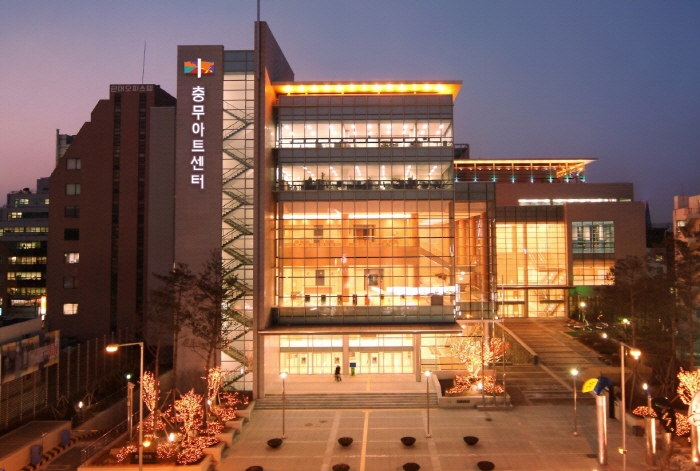
Chungmu Arts Center (충무아트센터)
12.0Km 2024-03-06
387, Toegye-ro, Jung-gu, Seoul
Chungmu Arts Center is a complex cultural facility with an optimal conditions for watching performances. It has a large theater, a medium theater (black), and a small theater (blue). It also boasts great galleries, studios, and a swimming pool, attracting numerous visitors. In addition, one can enjoy performances of various genres, including classical music, plays, musicals, and concerts. Located close to Dongdaemun, it has good accessibility.
Hwanghak-dong Flea Market (Dokkaebi Market / Manmul Market) (황학동 벼룩시장 (도깨비시장/만물시장))
12.1Km 2025-04-11
11-7 Majang-ro 5-gil, Jung-gu, Seoul
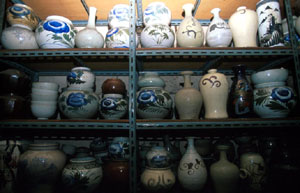
Hwanghak-dong Flea Market was named after the way how merchants travel from one place to another all over the country, as if like fleas hopping around from one spot to another, to collect rare and valuable items. This market was once a haven of antiques and collectibles, but with the formation of old-fashioned art street in 1983 in Janganpyeong, many classic art shops had moved out, leaving only used item and general goods stores. Now, visitors can find stores selling antiques, used furniture, electronics, clocks, jewelry, musical instruments, camera, and machinery – pretty much anything one can name. Hwanghak-dong Flea Market is also referred to as Dokkaebbi Market, to describe how even the most rundown items become just like new, as if like the work of a dokkaebi (Korean folk goblin).
Goyang Tourist Information Center in Gyeonggi-do (고양관광정보센터)
12.1Km 2025-11-06
1271-1 Jungang-ro, Ilsandong-gu, Goyang-si, Gyeonggi-do
BTS street + RM mural
BTS member RM's hometown is Ilsan, Goyang-si, Gyeonggi-do. He also mentioned Ilsan in his childhood when he gave a speech at the United Nations in 2018 under the theme of 'Speak Yourself'. He attended Baekseok Elementary School and Shinil Middle School, and dreamed of becoming a 'rapper' since middle school. At the Goyang Tourist Information Center, there is a RM mural measuring 18m in x_width and 12m in x_height. In ‘Ma City’, there are lyrics such as “Lake Park is better than the Hangang River,” “La Festa and Western Dome that felt like home,” and “The Hugok Academy Village that raised me as a child” so it’s good to visit these places together.
 English
 한국어
한국어 日本語
日本語 中文(简体)
 Deutsch
 Français
 Español
 Русский


