
Marble Plastic Surgery (마블성형외과의원)
17.5Km 2025-10-23
3F, 435 Gangnam-daero, Seocho-gu, Seoul
Directors at Marble Plastic Surgery have over 20 years of experience in the plastic surgery and dermatology fields. Since its opening, the clinic has provided safe and stable surgery outcomes to both domestic and international clients in each specialty.
Post-surgery care and progress checks are overseen by each director to ensure sustainable outcomes for surgeries and procedures. Such utmost care has led to a very high level of client satisfaction.
Having served clients from various countries, the clinic has dedicated translators for each language, so that it can provide care that's comparable to that of local services. There is a well-established system to ensure that patients can safely return to their home countries after completing their treatments. The clinic continually researches the latest trends, surgical techniques, and procedures, without resting on its current expertise and achievements.
Jivaka Beauty (지바카 뷰티)
17.6Km 2025-12-10
6th Floor, 16 Gangnam-daero 102-gil, Gangnam-gu, Seoul
JIVAKA BEAUTY is a trusted and convenient total care solution provider specializing in K-Beauty and K-Health services. We collaborate with a wide range of medical institutions and wellness spas to offer comprehensive care that enhances both the health and beauty of our clients. Leveraging Korea’s advanced medical technology, we have continued to develop customized medical and wellness programs tailored for international visitors. With extensive hands-on experience and proven expertise, we remain committed to delivering exceptional service and ensuring high satisfaction for clients visiting Korea.
JW Spa (제이더블유스파)
17.6Km 2025-01-10
565, Nonhyeon-ro, Gangnam-gu, Seoul-si
+82-2-3445-1239
Located in Yeoksam-dong, Gangnam-gu, JW. Spa 1ST tries hard to carry out the best spa through professional spa planners who help to find suitable spa treatment for individuals.
Madang Jokbal (마당족발)
17.6Km 2024-10-15
175, Neungdong-ro, Gwangjin-gu, Seoul
+82-2-468-3030
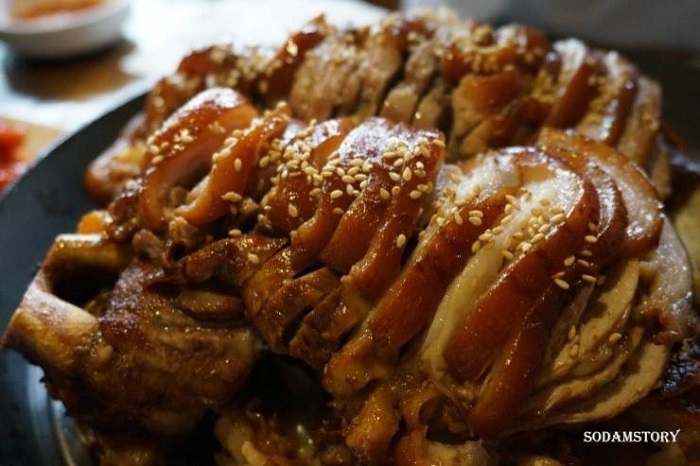
It is a restaurant with an outdoor terrace. This Korean dishes restaurant is located in Gwangjin-gu, Seoul. The most famous menu is braised pigs' feet.
WOORIDUL SPINE HOSPITAL (우리들병원)
17.6Km 2025-12-01
445 Hakdong-ro, Gangnam-gu, Seoul
Wooridul Spine Hospital, established in 1982, is a world-renowned medical center specializing in spinal care. With more than 40 years of accumulated clinical experience and expertise, we have been treating a wide range of spinal disorders—including herniated discs and spinal stenosis—using state-of-the-art minimally invasive techniques.
Our signature approach, known as the “Mini-Max” minimally invasive procedure, is designed to minimize bleeding and scarring, making it suitable even for patients with underlying conditions such as diabetes or hypertension. This technique effectively addresses the root cause of spinal pain while minimizing tissue damage, enabling patients of all ages—from young adults to the elderly—to return to their daily lives more quickly.
To ensure safe and successful treatments, Wooridul Spine Hospital continuously strives for excellence by holding regular in-house conferences, and by engaging in ongoing research, education, and training.
Cha Gangnam Medical Center, Cha University (차의과학대학교 강남차병원)
17.6Km 2025-10-23
(Yeoksam-dong), 566 Nonhyeon-ro, Gangnam-gu, Seoul
CHA Gangnam Medical Center was founded in 1960 with the opening of CHA Obstetrics & Gynecology Clinic by Honorary Head Director Gyeong-seop Cha. In 1984, it expanded into a general hospital with 200 beds in Gangnam District.
As a specialized hospital for obstetrics and gynecology designated by the Ministry of Health and Welfare, CHA Gangnam Medical Center provides top-tier healthcare services through 14 specialized departments, including obstetrics and gynecology, and 39 specialized centers and clinics, such as Fertility Center, IVF Center, and the High-Risk Pregnancy Clinic. The hospital offers precise diagnoses and treatments, specializing in uterine fibroids and gynecological cancers, and utilizes cutting-edge minimally invasive surgical techniques to ensure minimal scarring and rapid recovery. It has also achieved the highest number of robotic surgeries in obstetrics and gynecology in the country, with over 5,000 procedures performed.
Since its establishment in 1984, CHA Gangnam Medical Center's Fertility Center has pioneered numerous groundbreaking achievements, including the birth of the first test-tube baby at a private hospital in Korea, the country's first successful intracytoplasmic sperm injection (ICSI), the world's first birth through in vitro maturation of an immature oocytes, and the first baby born from vitrified (frozen) eggs. These accomplishments have earned the hospital global recognition for its research and development.
KNOCKKNOCK PLANT DENTAL CLINIC (똑똑플란트치과의원)
17.6Km 2025-10-23
8th Floor, Jump Milano, 432 Gangnam-daero, Gangnam-gu, Seoul
KnockKnock Plant Dental Clinic, led by Director Dongguk Son, is a specialized implant clinic built on the trust of more than 300 implant placements performed daily. The clinic’s “Three-Minimal Implant” technique shortens treatment time, reduces the number of implants required, and minimizes pain, greatly easing the burden on patients. In addition, elderly patients can feel secure thanks to a university-hospital–level monitoring system, the presence of a dedicated anesthesia nurse, and a recovery room that ensures a safe and comfortable treatment environment.
Gwangnaru Safety Experience Center (광나루안전체험관)
17.6Km 2025-03-29
238, Neungdong-ro, Gwangjin-gu, Seoul
+82-2-2049-4061
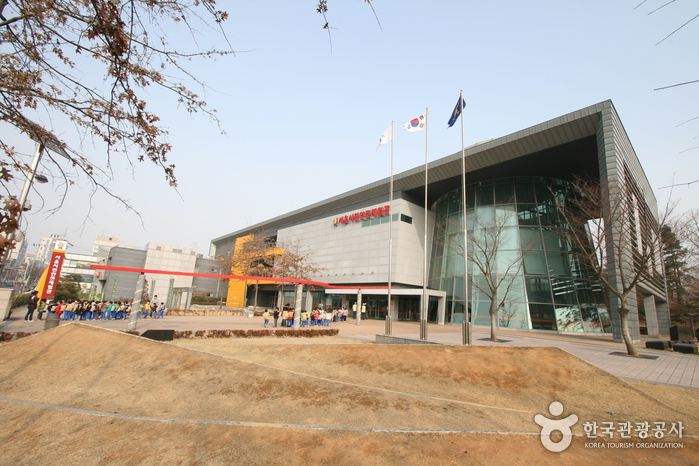
Gwangnaru Safety Experience Center was founded in 1999 after two fire accidents in which many children lost their lives. These tragedies emphasized the necessity of establishing a disaster training center for common citizens.
Gwangnaru Safety Experience Center is a three-story building with one basement floor, covering an area of more than 5,000 m². The basement floor includes a small theater. The first floor is set up for natural disaster training and consists of an orientation hall, storm simulation training room, earthquake simulation room, computer tests on fire safety knowledge and others. The second floor is a place for artificial catastrophe training. It consists of a smoke escape training room, fire extinguisher training room, first-aid (CPR) training room and practice place for calling 119. The third floor is used for rescue training and consists of a rescue training room, screening room, training for professionals and video examples of the five biggest disasters that have occurred in Seoul. Overall there are about 20 training areas established, so citizens can experience the imitation of a disaster by themselves and learn easily and in an interesting way how to cope with a disaster.

Mouse Rabbit (마우스래빗)
17.6Km 2025-10-30
10, Neungdong-ro 11-gil, Gwangjin-gu, Seoul
SUPER JUNIOR Yesung
SUPER JUNIOR’s Yesung, who loves coffee, opened this cafe with her younger brother. It is also called 'Yesung Cafe' and is visited by domestic fans as well as foreign customers. Yesung serves himself, and it is decorated like a hideout. The cafe building, which consists of the first basement floor and the second floor above ground, catches the eye with a different theme for each floor. Ssamanko Smoothie and Icy Blue Smoothie are popular menu items.
Gwanak Kang Gam-chan Festival (관악강감찬축제)
17.6Km 2025-07-11
77 Nakseongdae-ro, Gwanak-gu, Seoul
+82-2-828-5765
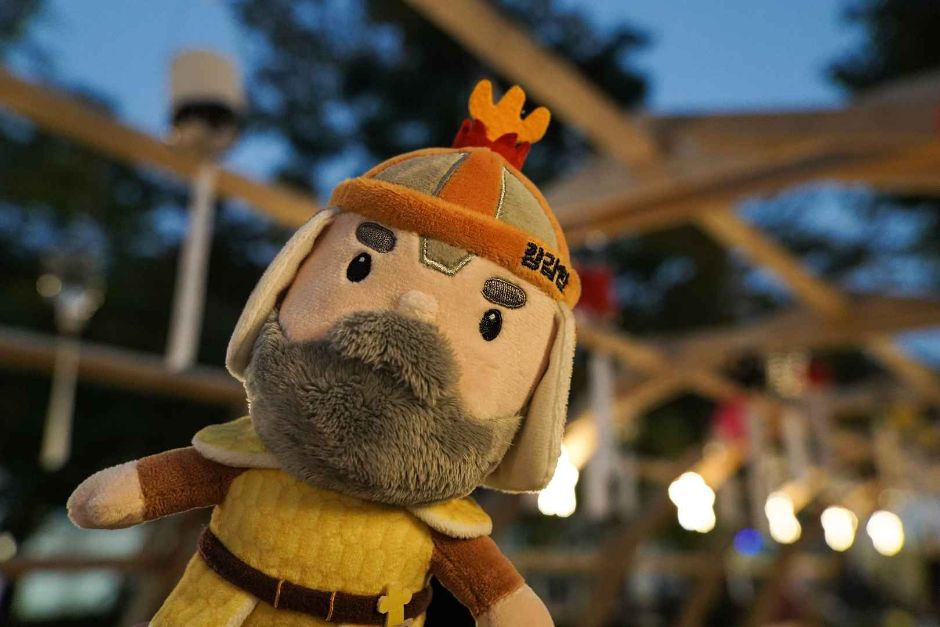
The Gwanak Gang Gam-chan Festival is a historical and cultural event held to honor the patriotic spirit of General Gang Gam-chan, a famous general from the Goryeo Dynasty. The festival is known for its impressive night events, fitting for the location named after a falling star, and features a variety of parades and performances.
◎ Gang Gam-chan and Nakseongdae
General Gang Gam-chan of Goryeo is said to have been born at the place where the fourth star of the Big Dipper fell. This place is called Nakseongdae, which means “the place where the star fell.”
 English
 한국어
한국어 日本語
日本語 中文(简体)
 Deutsch
 Français
 Español
 Русский


