![Bukhansan Dulle Trail Section 1 ([북한산 둘레길] 1 소나무숲길 )](http://tong.visitkorea.or.kr/cms/resource/30/1898430_image2_1.jpg)
Bukhansan Dulle Trail Section 1 ([북한산 둘레길] 1 소나무숲길 )
10.7Km 2024-01-04
12 Samyang-ro 173-gil, Gangbuk-gu, Seoul
Bukhansan Mountain is a mountain representing Seoul, which 5 million people visit every year. It is not easy to hike up to the top, but the dulle trail allows one to enjoy the beauty of the mountain without too much effort. Bukhansan Dulle Trail is a low-lying, horizontal walking trail created by connecting and refining existing side paths, allowing for a leisurely walk along the foot of the mountain. The Pine Forest Trail, one section of the trail consisting of 21 themes, is 2.9 kilometers long from the entrance to Uiryeong Trail to the top of Solbat Neighborhood Park. It is filled with majestic pine trees, and the road is wide and gentle, making it a perfect place to enjoy a walk. Most of the section is shaded by trees, so visitors can feel cool while walking up even on hot summer days.

Seoul Doseonsa Temple (도선사(서울))
10.8Km 2025-06-25
504 Samyang-ro 173-gil, Gangbuk-gu, Seoul
Doseonsa Temple was established 1,100 years ago during the latter part of the Silla Kingdom when the renowned Buddhist priest Doseonguksa was traveling through the mountains. After visiting the site, Doseonguksa made a prophecy that led to the construction of the temple. According to legend, he used only his walking stick to carve the large Bodhisattva that sits at the temple. Interestingly enough, the statue does not show any evidence of chisel marks, further adding to the mystery of how the statue was made.
During the 7th year of King Gwangmu of the Joseon dynasty, Doseonsa Temple was officially named the representative temple of Korea with the purpose of promoting Cheongdamdaejongsa's Korean Buddhism movement, aiming at a religious revival. Due to these special circumstances Deseonsa Temple gained a high reputation and much recognition, which have held strong to this day.
Inside the temple, visitors can view the remains and written works of Cheongdamdaejongsa in the Cheongdamdaejongsa Memorial Hall. Next to the road leading to Cheonbuljeon Hall is a pond where you can toss a coin and make a wish and just past Yongammun Gate is a hiking path connecting Baegundae Cliff and Insubong Peak. Inside the Ksitigarbha Hall are portraits of President Park Chung-hee, Yuk Yeong-su, and Hyundai Chairman Chung Ju-yung. In front of the hall is a tree that is said to have been planted by a Buddhist priest who brought it from India 200 years ago. Historical artifacts can be found throughout the temple.
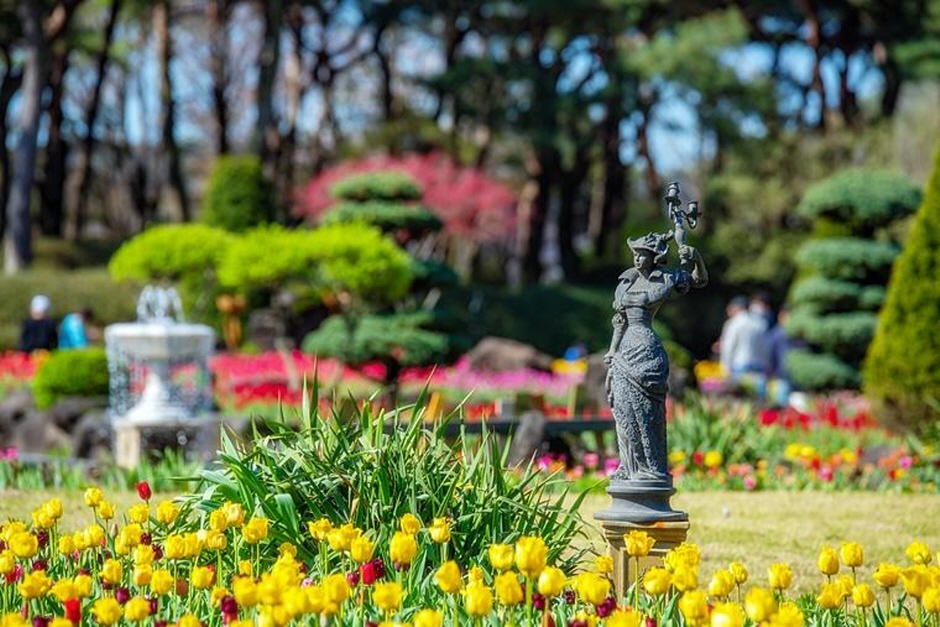
Byukchoji Gardens (벽초지수목원)
11.0Km 2025-10-23
242 Buheung-ro, Gwangtan-myeon, Paju-si, Gyeonggi-do
Byukchoji Gardens is made up of a Korean-style and a European-style garden. It is home to nearly 1,400 species of plants. Each garden is organized under a single theme, such as mythology, adventure, and freedom. Byukchoji Gardens also features walking trails, ponds, greenhouses, and lawns. Byukchoji Pond has a Lotus Flower Garden with lotus flowers blooming. Visitors can walk on the trails built above the pond to examine the flowers up close. Nearby tourist sites include Bakdalsan Mountain, Paju Book City, and the Paju Samneung Cluster, a UNESCO World Heritage site.
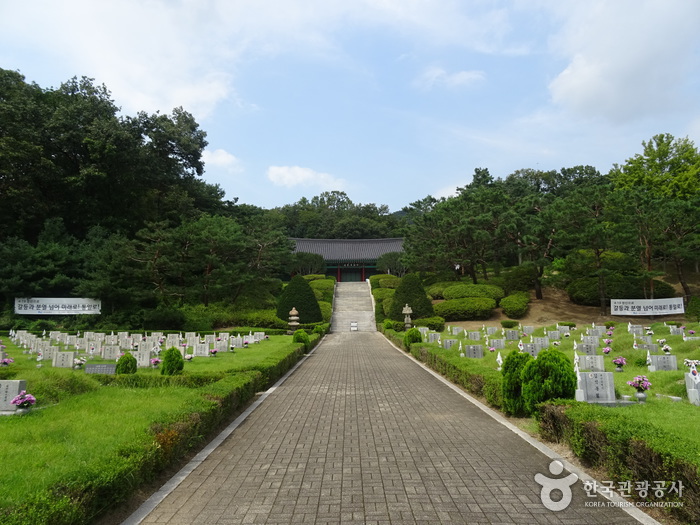
April 19th National Cemetery (국립4.19민주묘지)
11.3Km 2023-01-02
17, 4.19-ro 8-gil, Gangbuk-gu, Seoul
Located at the foot of Bukhansan Mountain, the April 19th National Cemetery was established in memory of the 224 people who lost their lives during the 4.19 Revolution in 1960. The cemetery features a memorial hall and a traditional wooden structure that houses the grave of the historic figure Yu Yeongbong.
At the cemetery is a pond surrounded by sculptures such as "Symbolic Door," "Roots of Democracy," and "Sparks of Justice" and a memorial tower bearing an inscription for the brave patriots who lost their lives during the revolution. Groves of pine, juniper, yew, and maple trees and the well-kept hiking path add a natural charm to the overwhelming ambiance of peace and serenity. Many people visit to see the spring blossoms in May, and throughout the year to take in the glorious scene of the sunset over Bukhansan Mountain.
NHIS Ilsan Hospital (국민건강보험 일산병원)
11.7Km 2025-10-23
100 Ilsan-ro, Ilsandong-gu, Goyang-si, Gyeonggi-do
NHIS Ilsan Hospital, opened in March 2000, is the nation's only insurer-run hospital and one of the most trusted and frequently visited hospitals in Korea. The International Healthcare Center, established in August 2012, is currently headed by a professor of neurosurgery and operated by a staff of three. In particular, the center is dedicated to providing the best hospital services for Russian-speaking patients. Through partnerships with more than 50 organizations both in Korea and abroad, the hospital actively engages in monitoring local healthcare trends, promoting Korean medical services, and enhancing international patient care. It also conducts annual medical training programs for healthcare professionals from target countries (e.g., Kazakhstan, Mongolia) while providing charitable medical services to financially disadvantaged international patients.
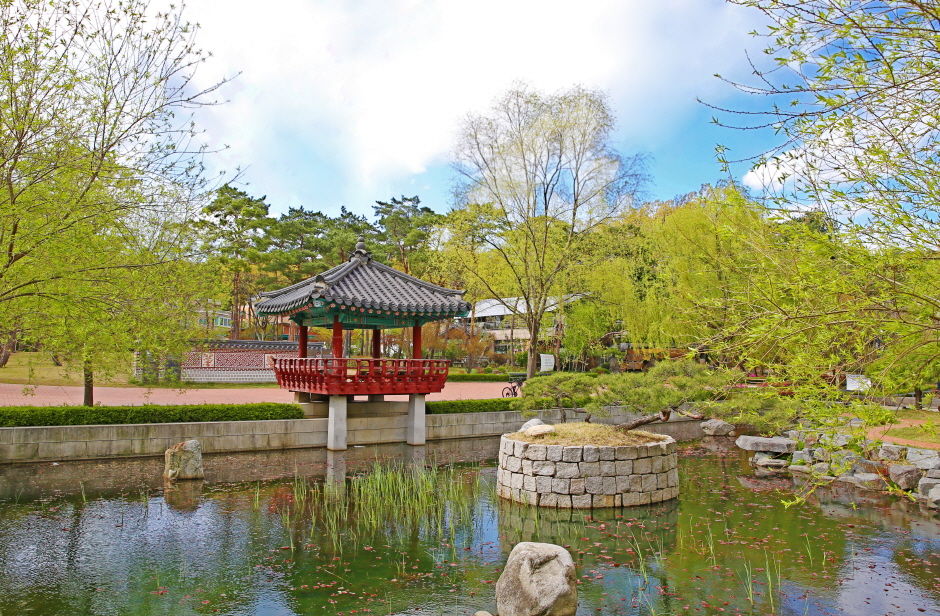
Wondangsaem Park (원당샘공원)
11.7Km 2024-02-15
16 Haedeung-ro 32ga-gil, Dobong-gu, Seoul
Wondangsaem Pond is named after the Wondang village, where the Yun family settled about 600 years ago. It is a park that harmoniously blends a traditional pond with a Hall of Rejoicing Pavilion called Samojeong, a wall fall, and a floral wall. During autumn, the golden foliage of an 800-year-old ginkgo tree enriches the surroundings, and a deck path around the tree offers a delightful stroll.
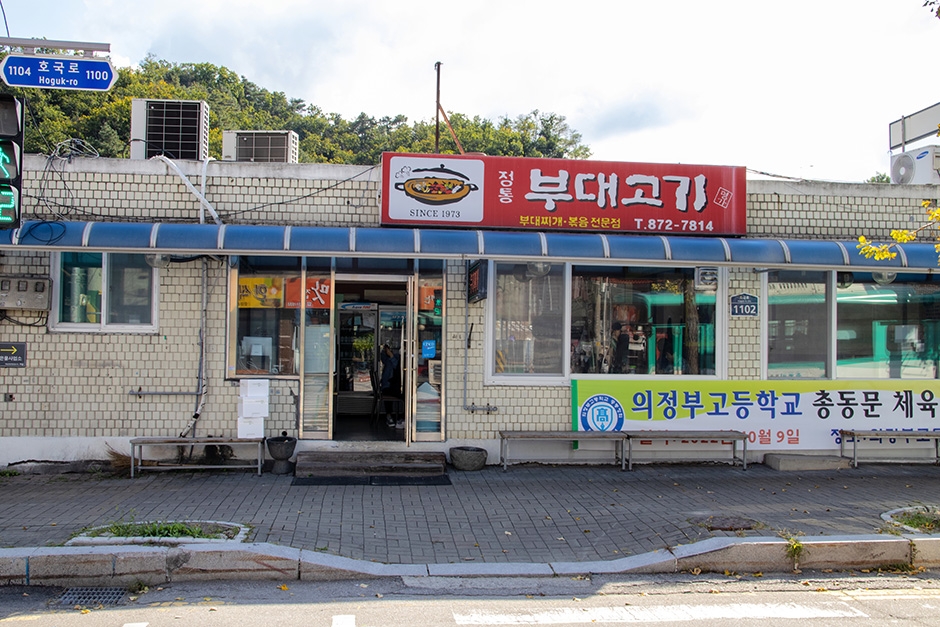
Jeongtong Budaegogi (정통부대고기)
11.9Km 2024-12-23
경기도 의정부시 호국로 1102
Opened in 1973, this budaejjigae (Sausage Jjigae) restaurant is known for its exceptional flavor, achieved through spicy kimchi and a carefully crafted broth. Another popular menu item is budaebokkeum, a stir-fried, soupless version of the classic jjigae.

Kansong House (간송옛집)
12.0Km 2025-04-01
149-18 Sirubong-ro, Dobong-gu, Seoul
The 100-year-old traditional hanok Kansong House sits by the burial mound of Kansong Jeon Hyeong-pil (1906-1962), who played a significant role in preserving the cultural heritages of Korea during the Japanese colonial period. This house was orginally built by Kansong's adoptive father Jeon Myeong-gi (1870-1919) to us as a storage facilities for harvested agriculture from the northern Gyeonggi-do and Hwanghae. After his father's death, Kansong used the house as a ritual house for his father and often stayed here. Some damages were done to the house during the Korean War, and partial repair was made after his death.
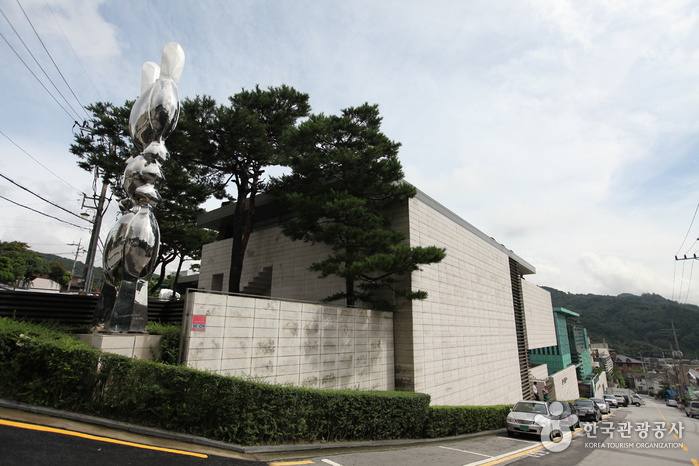
Gana Art Center (가나아트센터)
12.0Km 2024-03-18
28 Pyeongchang 30-gil, Jongno-gu, Seoul
The Gana Art Center located at the foothills of Bukhansan Mountain has been showcasing more than 300 exhibitions since its opening in 1983. Through both national and international exhibitions, the Gana Art Center is a recognized gellery. With numerous fairs and exhibitions, Gana Art Center not only invite internationally known artists, but also promotes other forms of art, such as music, theater, mime, etc. Through their flexibility in promoting all art forms, the visitors will surely be able to find the theme of their interest.
 English
 한국어
한국어 日本語
日本語 中文(简体)
 Deutsch
 Français
 Español
 Русский


