
Chonnam National University Hwasun Hospital (화순전남대학교병원)
13.3Km 2025-10-23
B1 Floor, International Medical Center, 322 Seoyang-ro, Hwasun-eup, Hwasun-gun, Jeollanam-do
Chonnam National University Hwasun Hospital (CNUHH) is a globally recognized cancer-specialized hospital, selected one of the “World’s Best Specialized Hospitals” in the oncology field for five consecutive years by Newsweek. Within ten years of its opening, the hospital achieved the highest number of cancer surgeries nationwide, received JCI accreditation twice, and has become a global hospital visited by hospitals in the metropolitan area for benchmarking. The hospital has consistently received top grades in the National Quality Assessment Program by the Health Insurance Review and Assessment Service, demonstrating its excellent medial services. In 2011, the hospital opened the “International Medical Center” to attract foreign patients and pioneering overseas medical markets, and expand it global network. It is the only national university hospital in the nation to have acquired the “Korean Accreditation Program for Hospitals Serving Foreign Patients (KAHF)” by the Ministry of Health and Welfare three times.
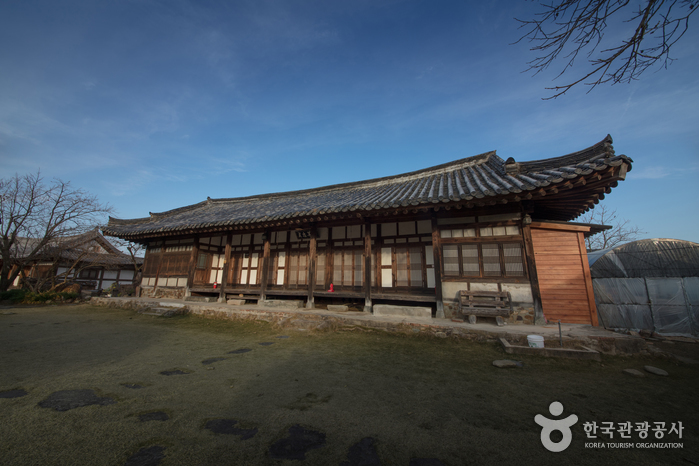
Gotaekhanok (고택 한옥에서)
13.4Km 2024-12-23
88-9 , Doldam-gil, Damyang-gun, Jeollanam-do
+82-10-3606-1283
In A Hanok is a grand old house in Samjinae Village, Changpyeong, Jeollanam-do - a member of the international Slow City movement. The house comprises a sarangchae (men’s house), an anchae (women’s house), outbuildings and a spacious yard and garden. Local tourist destinations such as Soswaewon Garden, Songgangjeong Pavilion, and Damyang’s bamboo forest and redwood road are all within 30 minutes, of the house. Visitors can rest here while drinking in the atmosphere of the old Korean countryside.
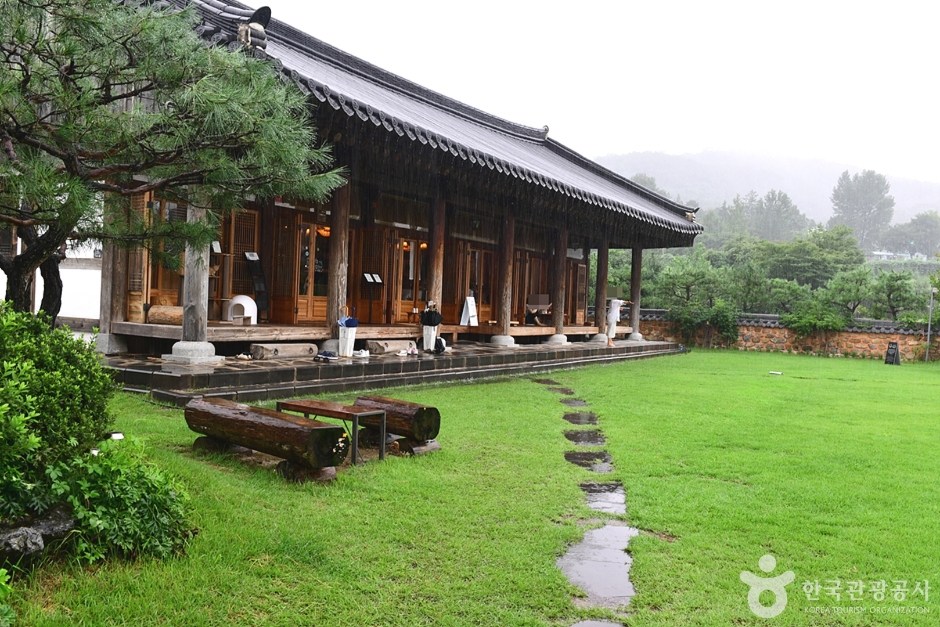
Café Hanok (카페하녹)
13.8Km 2024-02-19
714-40 Changpyeonghyeon-ro, Changpyeong-myeon, Damyang-gun, Jeollanam-do
Café Hanok is a café renovated from an old traditional hanok, offering a serene ambiance where visitors can experience the beauty of Korean tradition. One of its signature dishes is the homemade injeolmi waffle (bean-powder-coated rice cake waffle), a sweet and nutty treat that perfectly combines injeolmi (bean-powder-coated rice cake) with waffles. It pairs well with the shakerato (espresso shake), a beverage that blends the qualities of a shake and a latte. Exploring the café's various corners decorated with traditional items adds to the charm of the visit.
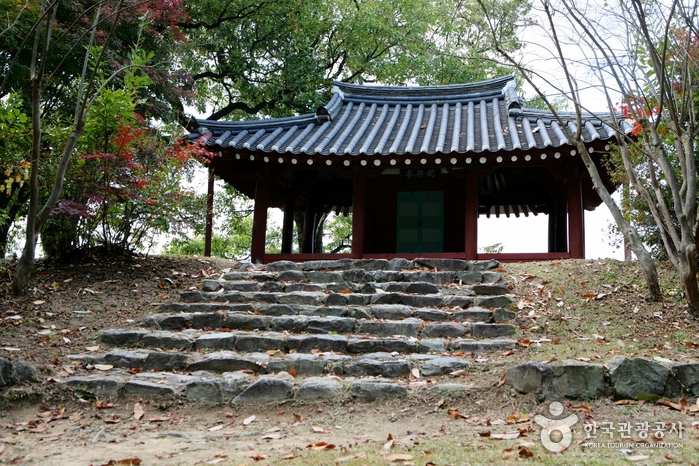
Myeonangjeong Pavilion (면앙정)
15.1Km 2025-01-09
382-11 Myeonangjeong-ro, Damyang-gun, Jeollanam-do
+82-61-380-2811
Myeonangjeong Pavilion is located on the slopes of Jebongsan Mountain in Damyang-gun. The pavilion was constructed in 1533 by Song Sun (1493-1583), who built it as a place for writing poems. After its construction, the pavilion served as a meeting place for scholars and intellectuals and was even frequented by Lee Hwang (1501-1570), a representative Confucian scholar who is pictured on the 1,000 won bill.
The roof of Myeonangjeong Pavilion was originally made of reeds, straw, grass and other materials which could not withstand the elements. After several repairs, the building was developed into the wooden structure that it is today.
From the back of the pavilion, you can see the mountain range and open wide fields; renowned scholars’ poems are engraved on the wooden panels that decorate the pavilion walls.
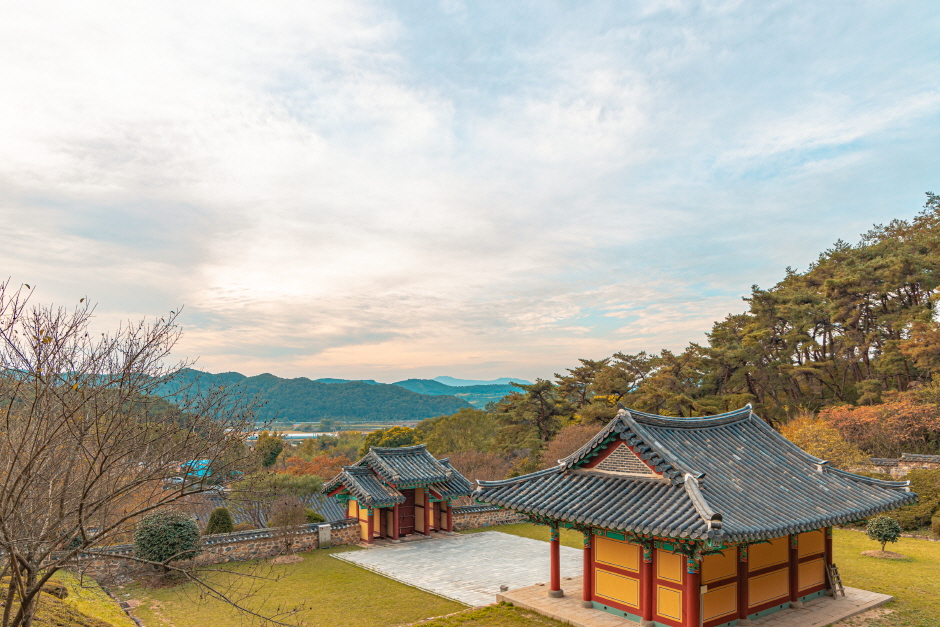
Wolbongseowon Confucian Academy (월봉서원)
17.1Km 2021-07-06
133, Gwanggok-gil, Gwangsan-gu, Gwangju
+82-62-960-8253
Wolbongseowon Confucian Academy, built in 1578, was established by Kim Gyehwi and other confucian scholars to honor Ki Daeseung's study and virtue through Mangcheonsa Shrine. The location of the academy was moved to its current site in 1646, and the name Wolbong was given by King Hyojong in 1654. In 1671, Bak Sang and Bak Sun's shrines were moved from Deoksansa Shrine by the suggestion of Song Siyeol. Also, Kim Jangsaeng and Kim Jip's shrines were additionally placed in 1673. Unfortunately, the confucian academy was abolished due to the abolition policy of Daewongun in 1868. Later, Bingwoldang Hall was built by Jeollanam-do's Confucian scholars in 1938, followed by Gojiksa Shrine in 1972, Jangpangak Pavilion and Oesammun Gate in 1978, Sau in 1980 and Naesammun Gate in 1981. Bingwoldang is designated as Gwangju Monument No. 9 and woodblocks of Gobongjip are preserved in Jangpangak Pavilion.
Deokinkwan (덕인관)
17.9Km 2024-12-26
전라남도 담양군 담양읍 죽향대로 1121
061-381-7881
Originally opened in 1963 under the name ‘Deokin Eumsikjeom,’ this establishment boasts over 60 years of history. It is run by Park Gyu-wan, a designated Korean Food Grand Master No. 82, specializing in meat (grilled galbi). Initially, the restaurant served Korean table d’hote focused on galbi, but it has since evolved into a tteokgalbi specialty restaurant. The restaurant uses Korean cow beef ribs marinated in the master’s secret sauce.
Korea Bamboo Museum (한국대나무박물관)
18.1Km 2021-07-19
35, Jukhyangmunhwa-ro, Damyang-gun, Jeollanam-do
+82-61-380-2901
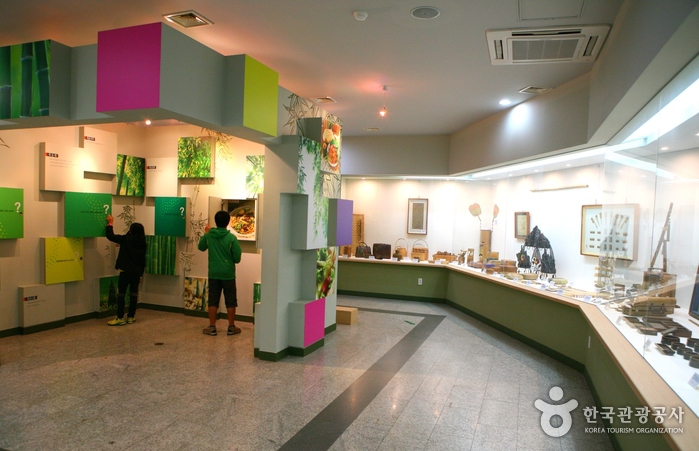
The Korean Bamboo Museum is a comprehensive complex that preserves, exhibits, produces, and allows people to experience bamboo products. First opened in 1981 at Damju-ri, the museum was expanded and relocated to the current location in March 1998. Not only does the museum provide bamboo-related exhibitions, it also provides techniques on making bamboo products as well as holds the Bamboo Festival every May.
Damyang Apzip (담양앞집)
18.3Km 2024-12-26
전라남도 담양군 담양읍 죽향문화로 22
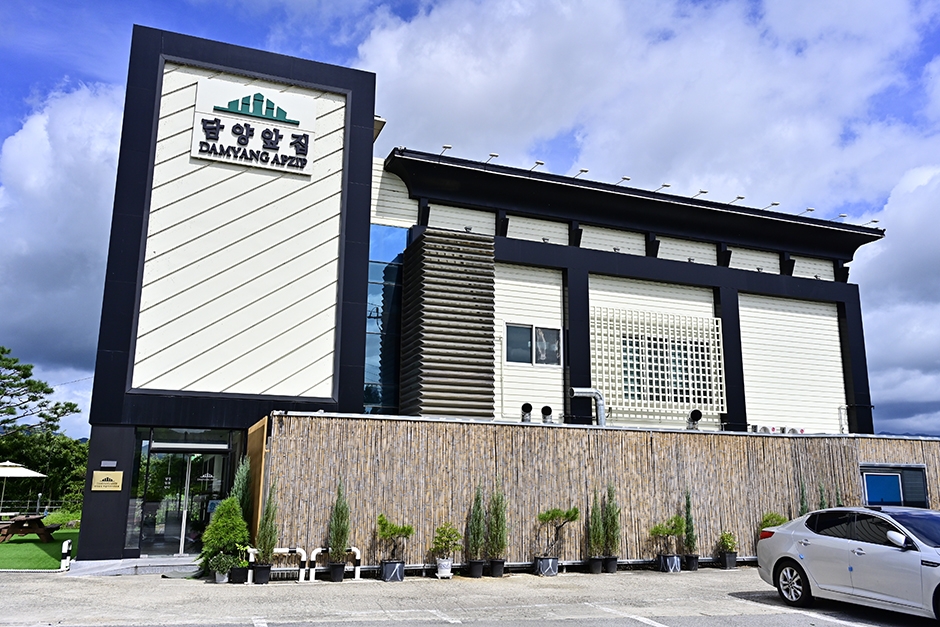
This restaurant is famous for serving Damyang tteokgalbi (Grilled Galbi Patties), served alongside noodles. They use local produce and focus on enhancing the ingredients’ natural flavors. When you order tteokgalbi here, it’s presented on a large plate with a salad, much like a Western-style brunch. Their housemade noodles, crafted from a blend of buckwheat and Damyang bamboo leaves, are also a standout.
Naju Pear Museum (나주배박물관)
18.5Km 2021-08-13
5838, Yeongsan-ro, Naju-si, Jeollanam-do
+82-61-339-2590
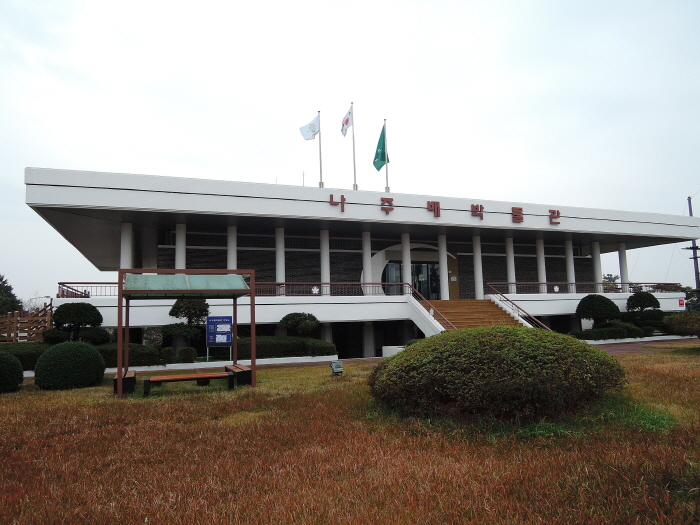
Known as the birthplace of Korean pears, Naju pears are well-known for its long history. The fruit was exported worldwide starting in 1967. The Naju Pear Museum promotes the fruit and is a learning center for its agricultural history. The museum opened on April 20, 1992 and is the world's only pear museum.
Maru-o / 마루오(MARU-O)
18.7Km 2025-03-05
5-8 , Baemet 3-gil, Naju-si, Jeollanam-do
+82-61-331-0700
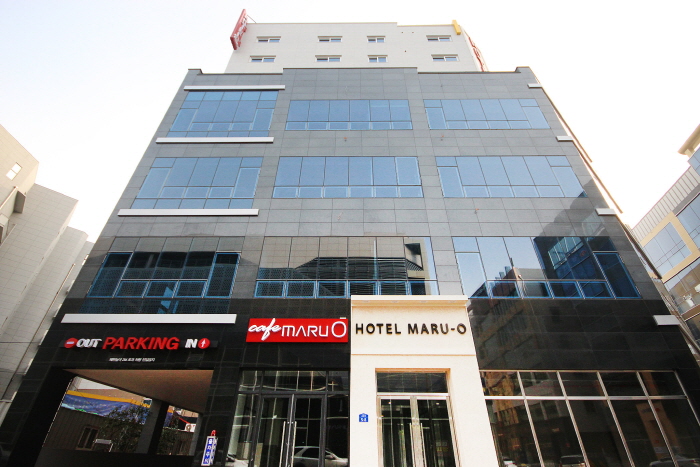
The Maru O Hotel is a business hotel in the heart of Naju Innovation City, Jeollanam-do, that has good facilities and is popular with both business travellers and tourists. The underground parking lot has an electric vehicle charging station, and both mobile phone chargers and tourist information for Naju and Jeonam is available at the front desk. Right in front of the hotel is Bitgaram Lake Park where visitors can take a pleasant walk. Naju KTX station and the Intercity Bus Terminal are 15 minutes away by car, and Naju’s Yeongsanpo Hongeo Street and Gomtang Street (famous for its restaurants!) are also nearby.
 English
 한국어
한국어 日本語
日本語 中文(简体)
 Deutsch
 Français
 Español
 Русский


