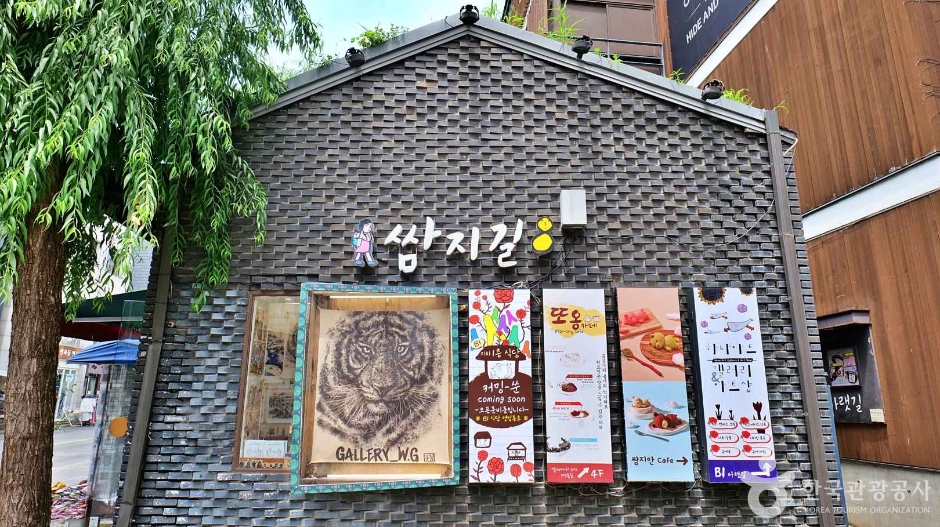
Ssamzigil (쌈지길)
6.5Km 2025-10-23
44 Insadong-gil, Jongno-gu, Seoul
Ssamzigil is an Insa-dong landmark and a shopping mall specializing in crafts. It is a place where the traditions of Korea come together with its present. Follow the paths that lead seamlessly from the lower floors to the upper floors and browse the small craft shops that inhabit the floors. You can find both works of traditional craft and contemporary craft here. Some craft shops also offer craft experiences, and one can also find restaurants and galleries within the complex.
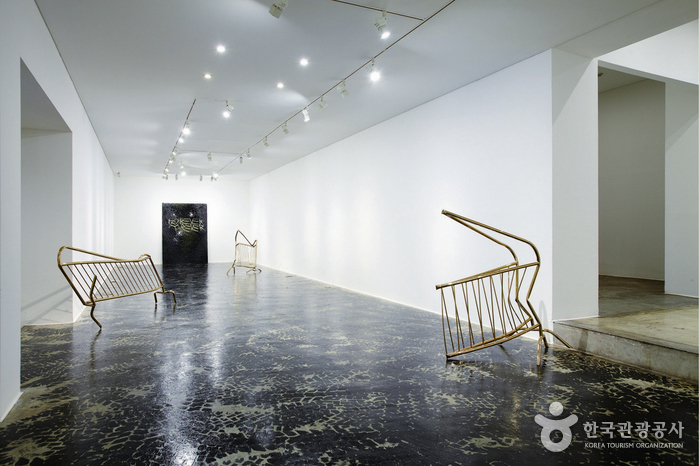
Kukje Gallery (국제갤러리)
6.6Km 2021-07-29
54, Samcheong-ro, Jongno-gu, Seoul
The Kukje Galley has been committed to presenting the work of significant Korean and international contemporary artists to the public since 1982. The gallery has established itself as a leading venue for international exhibits such as Helen Frankenthaler, Sam Francis, Jim Dine, Frank Stella, Robert Mangold, Anthony Caro, Cy Twombly, Edward Ruscha, Anselm Kiefer, Joseph Beuys, and Bill Viola, attracting enthusiastic responses from both the public and the media.
The gallery has placed emphasis on collaborations between artists, galleries, and art dealers around the world and nurturing upcoming artists by sponsoring their artwork and giving them international exposure.
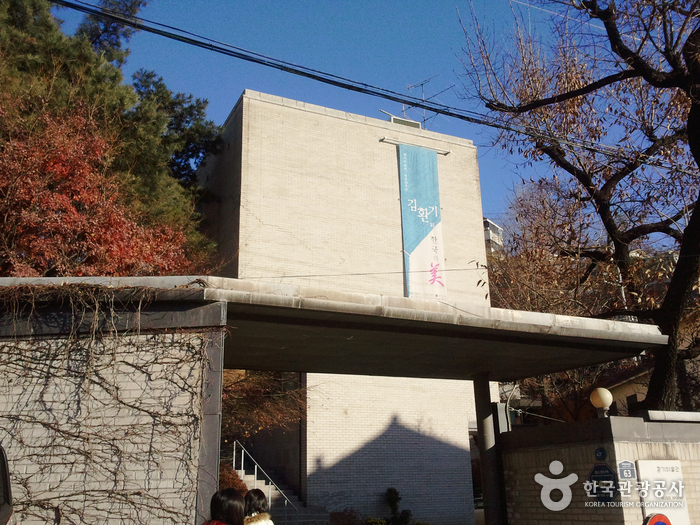
Whanki Art Museum (환기미술관)
6.6Km 2024-03-04
63, Jahamun-ro 40-gil, Jongno-gu, Seoul
Whanki Art Museum exhibits the works of Kim Whanki (1913-1974), the pioneer of Korean abstract art. Kim was inspired by traditional features such as Korean mountains and streams, the sky, moons and clouds, the white porcelain and traditional patterns, and worked to express them in abstract forms through points, lines, and surfaces. The main collection features nearly 300 works by Kim. One can also find an art shop and a café.
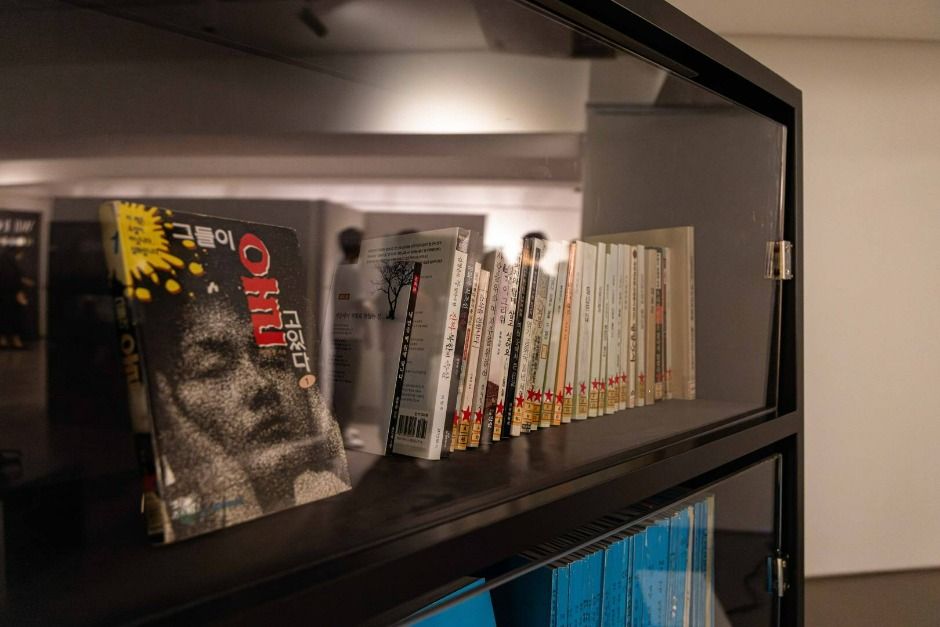
NKDB North Korean Human Rights Exhibition Hall (북한인권전시실)
6.6Km 2025-11-13
393 Samil-daero, Jongno-gu, Seoul
The NKDB North Korean Human Rights Exhibition Hall is a permanent exhibition space dedicated to North Korean human rights. Although it is a small space, it resonates deeply and serves as a "dark tourism" site that records and testifies to the ongoing reality of human rights violations in North Korea. The North Korean Human Rights Information Center (NKDB), which operates this exhibition hall, is the organization that collects and archives the most extensive records of human rights concerning North Korean residents in the world. The testimonies and records presented here represent a living history, a story unfolding in the present, unavailable elsewhere. Through donated North Korean artifacts, including these records, visitors can glimpse the present-day North Korea and encounter artwork by North Korean defectors.
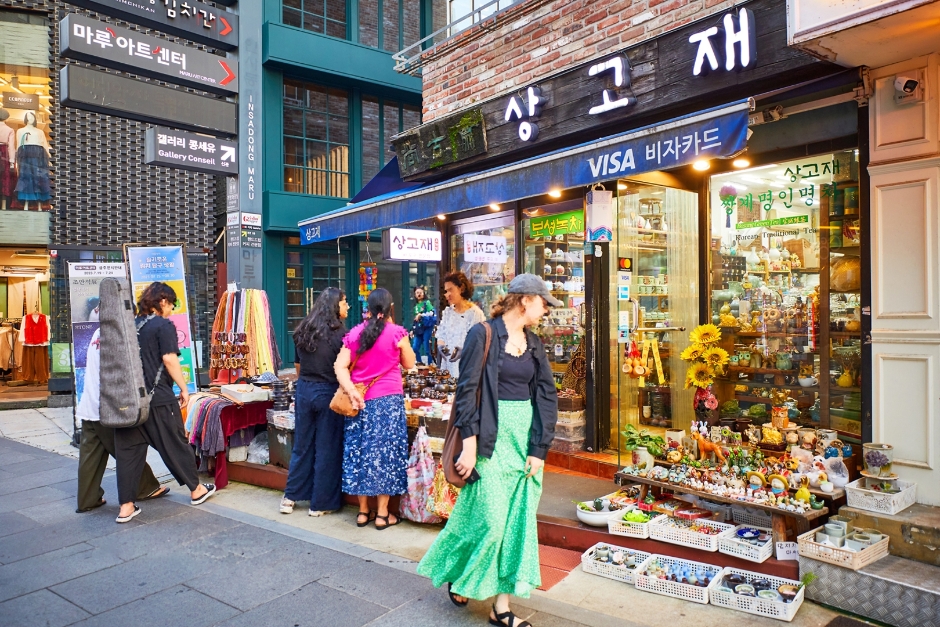
Insadong Cultural Street (인사동 문화의 거리)
6.6Km 2023-12-26
Insa-dong, Jongno-gu, Seoul Metropolitan City
Insadong Cultural Street is a popular tourist destination for visitors from all around the world, thanks to its numerous art galleries, restaurants serving Korean table d’hote, traditional teahouses, and street vendors lining the streets. Its most recognizable feature is the use of Hangeul (Korean script) in storefronts, which allows the visitors to really see just what makes this place so special. Unlike the nearby Ikseon-dong Hanok Street, Insadong Cultural Street has larger streets with wider stores, so it is much easier to traverse. On evenings and weekends, one can find buskers performing on the side of the road.

Redtable Inc (주식회사 레드테이블)
6.6Km 2025-10-23
10F, SIGNATURE TOWER(WEST),100,Cheonggyecheon-ro, Jung-gu, Seoul
We are a Google partner in Korea that provides services for searching, inquiries, consultations, bookings, and payments related to hospitals, wellness centers, and aesthetic services on Google.
We focus on attracting global tourists from English-speaking countries, Japan, and other Asian regions.
Additionally, Redtable Inc is an official agency of Meituan-Dianping (the largest integrated platform in China), specializing in marketing and promotions for the Chinese market.
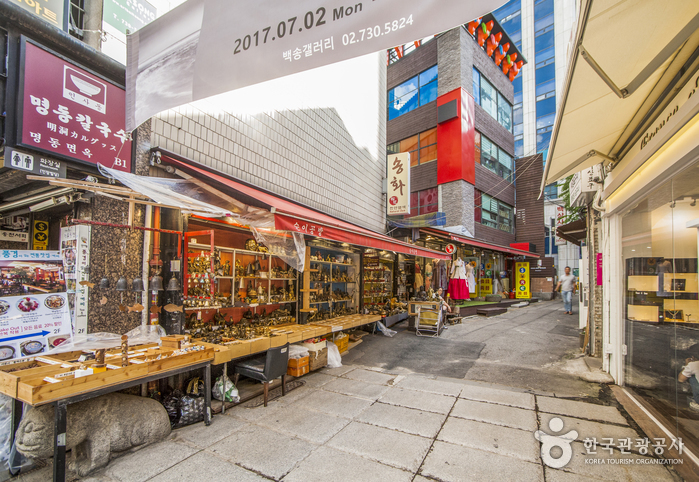
Insa-dong Antique Art Street (인사동 고미술거리)
6.6Km 2025-03-16
29 Insadong-gil, Jongno-gu, Seoul
As of today, there are approximately 70 shops in the Insa-dong area that sell antique arts. Some of the products they sell include antique artworks, porcelains, woodcrafts, and metalwork. Visitors may even find rare and valuable products such as earthenware from the Silla period or white porcelain used in the Joseon dynasty. Each shop is a specialty store, authorized to sell product types that are of their expertise, ranging from antique furniture and traditional artworks to handcrafted items.
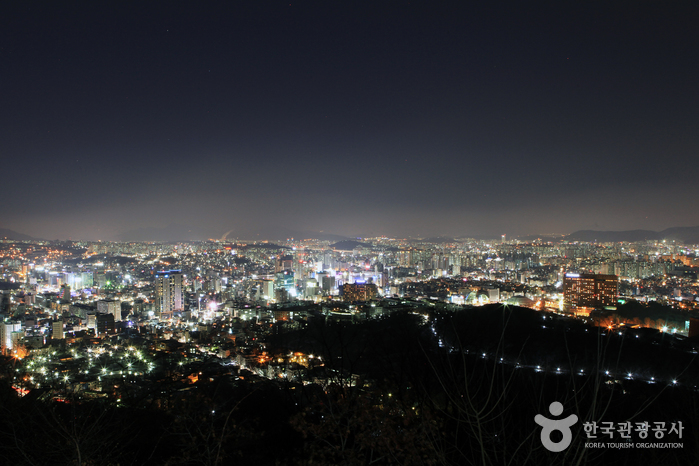
Seoul Namsan Park (남산공원(서울))
6.6Km 2024-03-18
231 Samil-daero, Jung-gu, Seoul
Namsan Mountain rises in the heart of Seoul at an altitude of 265 meters and has been a significant landmark since the Joseon dynasty (1392-1897), leaving behind several ruins. It was heavily damaged in the early 20th century, but was partially restored in 1968 with the creation of the park. Highlights include Namsan Tower and love locks left by numerous couples. Visitors can also easily reach the top by a cable car or bus.
Artee Riders Club (아띠인력거)
6.6Km 2022-09-15
43, Bukchon-ro 5-gil, Jongno-gu, Seoul
Artee Riders Club is the first company that offers rickshaw tours in the nation. Not only do you get to ride on the rickshaw to tour around popular attractions including Bukchon Village, Seochon Village, the rickshaw tour guides you to the smaller alleys as well. Travelers to Bukchon Village may have their belongings or luggage stored at the center, and individual's insurance as well as a complimentary drink are offered.
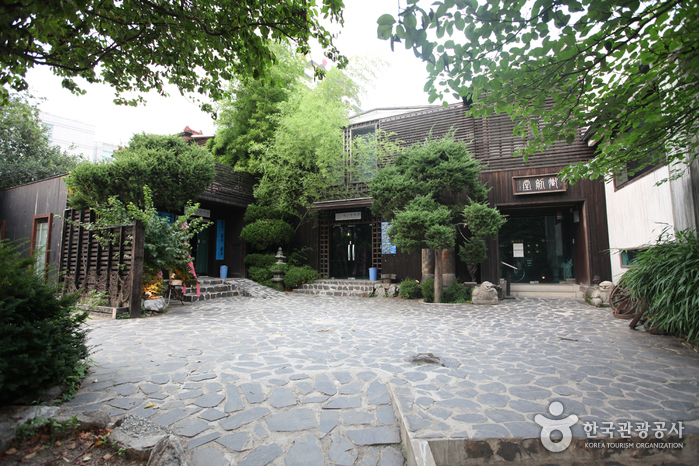
Kyung-In Museum of Fine Art (경인미술관)
6.6Km 2024-03-04
11-4, Insadong 10-gil, Jongno-gu, Seoul
Kyung-In Museum of Fine Art is located in Insa-dong. It has six exhibition rooms, an atelier, an outdoor exhibition area, and a traditional tea house. It hosts outdoor concerts in spring and fall, and Q&A sessions with authors can also be found as well. The traditional tea house offers about 15 types of traditional Korean tea in a space that overlooks the garden.
 English
 한국어
한국어 日本語
日本語 中文(简体)
 Deutsch
 Français
 Español
 Русский


