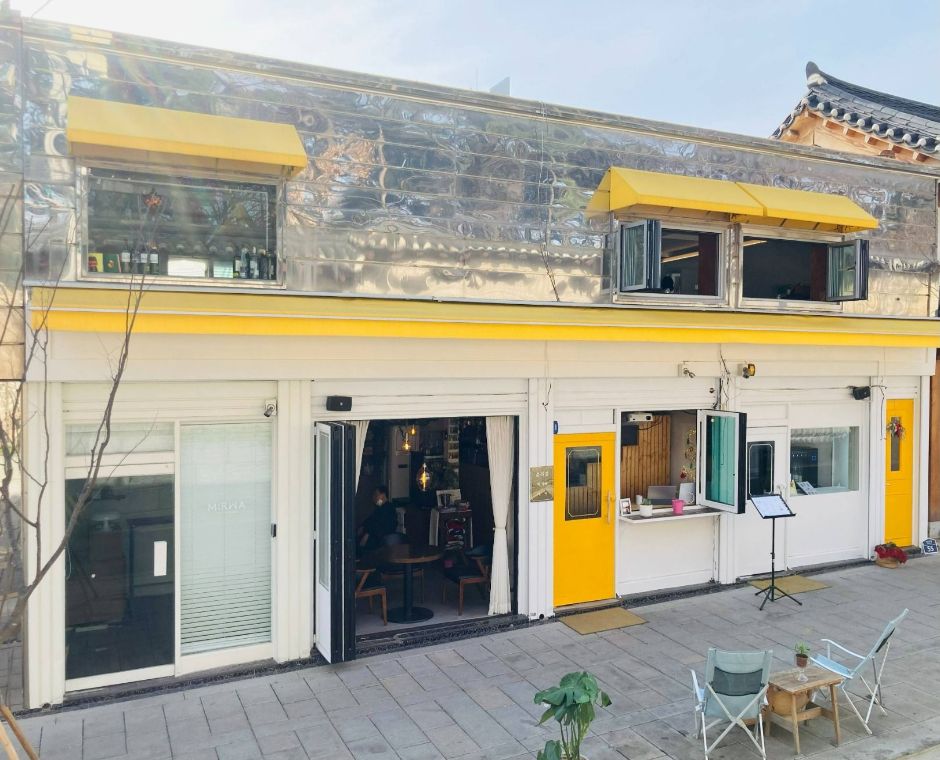
Sulla-gil Yeah Café & Bibi (순라길 예 & 비비)
7.2Km 2025-01-23
55 Seosulla-gil, Jongno-gu, Seoul
Situated in Sulla-gil, the Sulla-gil Yeah Café & Bibi is a roaster café where each bean is handpicked. It also offers a range of wine selections. The café is a perfect place to relax after exploring downtown Seoul. The cozy atmosphere of the café with the added charm of the stone wall visible from café, makes visitors feel at ease and relaxed. The evenings here turn into a music and movie session, adding a lively atmosphere to the space.
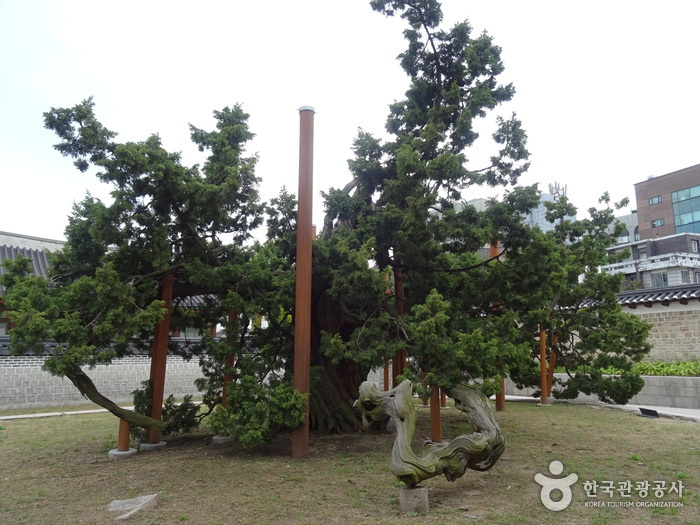
Hyangnamu Tree in Changdeokgung Palace (창덕궁 향나무)
7.2Km 2025-01-13
99, Yulgok-ro, Jongno-gu, Seoul
Hyangnamu or 'Aromatic Tree' in Changdeokgung Palace is estimated to be about 700 years old, meaning it had likely been planted before the palace was built. It stands 12m in x_height, measures 5.9m in girth around the roots, and has branches spreading in all four directions. It is designated and protected as a National Natural Monument.
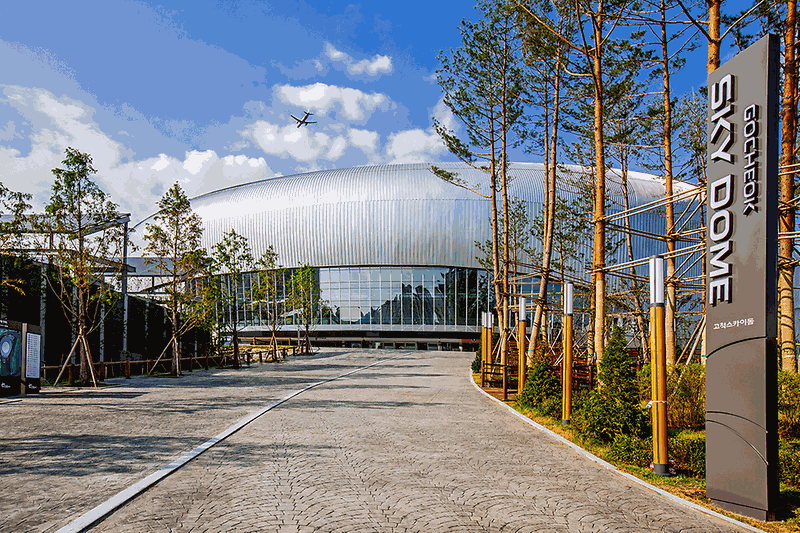
Gocheok Sky Dome (고척 스카이돔)
7.2Km 2023-09-05
430 , Gyeongin-ro, Guro-gu, Seoul
Gocheok Sky Some is the first dome-type baseball stadium to be built in Korea. Since its establishment in 2015, the stadium has been used as a venue for diverse events, including baseball games, athletic sports, performances, concerts, and more. The stadium consists of two basement floors and four above-ground floors with 16,783 seats. Gocheok Sky Dome serves as a cultural facility for the public that can host events regardless of season and weather. A baseball-themed street is connected to the dome for baseball fans. Several other sports-related facilities and retailers are also available.

Sewoon Plaza (세운상가)
7.2Km 2025-12-16
159 Cheonggyecheon-ro, Jongno-gu, Seoul
Makercity Sewoon is Korea's first comprehensive electronics market, established in 1968 and has a 40-year history. As a mecca in the urban electronics industry area located in Jongno, the center of Seoul, you can purchase various electronic products here.
Since 2014, Seoul's urban regeneration project has been underway, and a pedestrian overpass, rooftop observatory, plaza, and Makers Cube, where you can experience the 4th industrial revolution, have been created to provide unique attractions.
◎ Travel Information to Discover Hallyu’s Charm - K-Drama "Vincenzo (2021)"
"Vincenzo" depicts the story of Vincenzo (Song Joong-ki), an Italian mafia lawyer who teams up with the tenants of “Geumga Plaza” to protect a hidden stash of gold in the building from a powerful force. The building appearing as “Geumga Plaza” in the drama is none other than Seoul's Sewoon Plaza. Its retro-style aesthetic adds a unique ambience to the show and makes its scenes even more memorable.
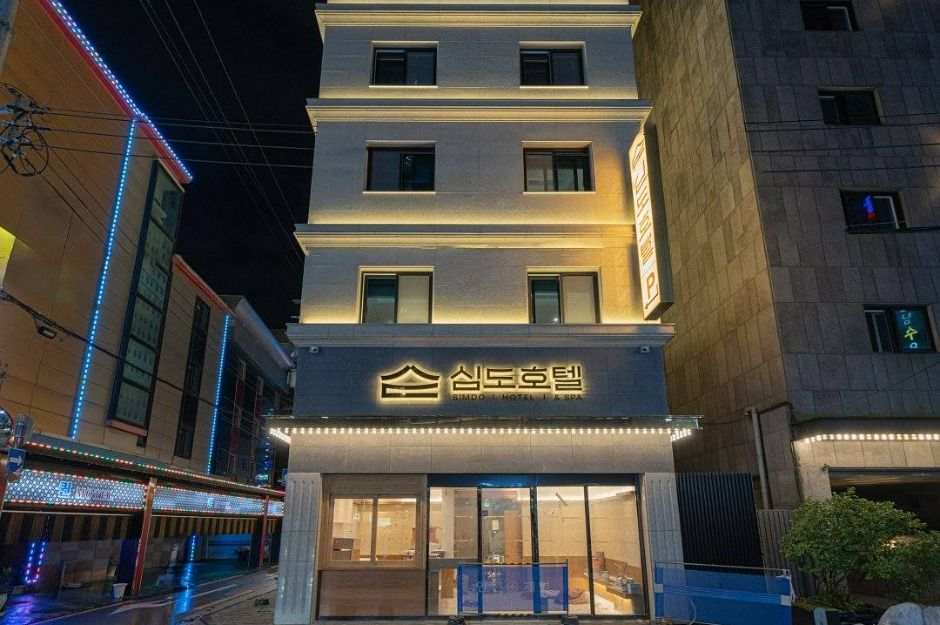
The Hyooshik Simdo Hotel & Spa Sillim by Aank (더휴식 심도 호텔 앤 스파 신림역점)
7.2Km 2025-04-22
7 Nambusunhwan-ro 181-gil, Gwanak-gu, Seoul
The hotel offers a variety of rooms to choose from, including standard rooms, a music room, a wellness room equipped with a premium massage bed, a movie room, a PC room with computers, four types of spa rooms, and a bunker room that can accommodate up to four people.
Seoul National Cemetery (국립서울현충원)
7.2Km 2024-03-07
210, Hyeonchung-ro, Dongjak-gu, Seoul
Seoul National Cemetery is a national cemetery for individuals who worked or fought for Korea and sacrificed their lives. It encompasses those who fought for Korea's independence from the late 19th century to the early 20th century, those who perished in the Korean War (1950-1953), and former presidents, totaling over 165,000 individuals. There are exhibition halls and parks with related artifacts. Shuttle buses are provided for the convenience of visitors.
National Theater of Korea (국립극장)
7.2Km 2024-03-06
59, Jangchungdan-ro, Jung-gu, Seoul
The National Theater of Korea opened in 1950 as the first national theater in Asia. It is the only production theater that takes traditional arts to recreate them as contemporary art. It offers various types of theaters, such as Haeoreum Grand Theater, Daloreum Theater (middle-size), Immersive Studio ByeolByeol (small-size), and Haneul Round Theater with a circular stage structure. In addition, the Museum of Performing Arts, Cultural Plaza, and other convenience stores and coffe shops offer pleasure and relax to its visitors.
Leeum, Samsung Museum of Art (삼성미술관 리움)
7.3Km 2022-12-15
60-16, Itaewon-ro 55-gil, Yongsan-gu, Seoul
Leeum, Samsung Museum of Art, exhibits traditional and modern art works by Korean and international artists. The museum itself is just as fascinating as the art works on display, since the museum's three buildings were designed by internationally renowned architects Mario Botta, Jean Nouvel, and Rem Koolhaas.
MUSEUM 1 houses traditional Korean art, such as calligraphy, paintings, ceramic arts, and metal craftwork, while MUSEUM 2 displays modern and contemporary art by both Korean and international artists.
Samcheong Park (삼청공원)
7.3Km 2024-03-18
44, Insadong-gil, Jongno-gu, Seoul
Samcheong Park is a park that blooms in cherry blossoms in spring and fall colors in fall near Gyeongbokgung Palace. The park is home to a forest library and a café, and visitors can follow the trails to find acupressure trails, exercise equipment, badminton court, tennis court, playground, and a convenience store. The area surrounding the park is home to many galleries and restaurants, so it is a popular destination for walking among the people of Seoul.
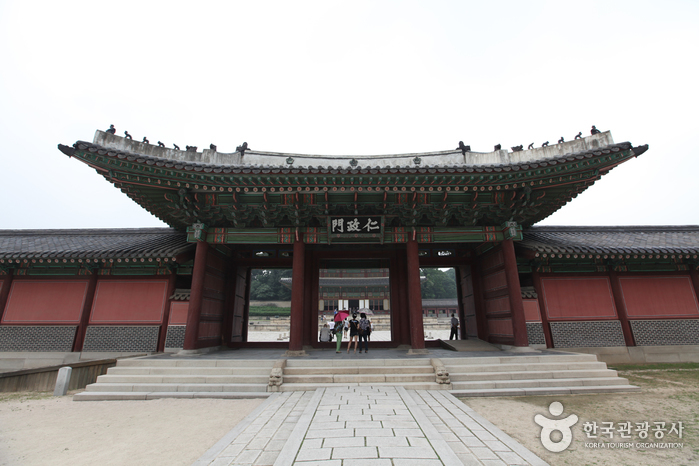
Changdeokgung Injeongmun Gate (창덕궁 인정문)
7.3Km 2025-01-14
99, Yulgok-ro, Jongno-gu, Seoul
Serving as the main gate of Injeongjeon Hall, Injeongmun Gate was established in 1405 (5th year of King Taejo’s reign during the Joseon dynasty). Later on, the gate was destroyed by multiple fires during the Imjin War (Japanese invasion of Korea in 1592), therefore current form of the establishment displays designs that are more often seen in the late 19th century's. In addition, a lot
of subsidary marks and buildings are removed from the original places and relocated passing the time, however, still remains to represent prestigious ambience.
Injeongmun Gate served as the place for several coronation ceremonies of kings, prince's succession of throne, and many other national affairs celebrated by the royal members who gathered and aligned around this gate.
 English
 한국어
한국어 日本語
日本語 中文(简体)
 Deutsch
 Français
 Español
 Русский


