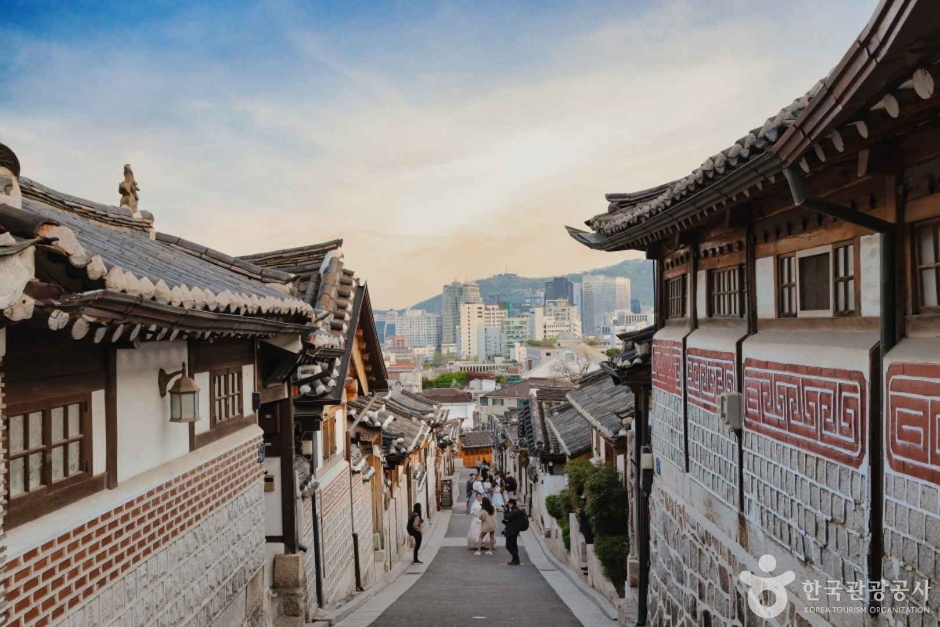
Bukchon Hanok Village (북촌한옥마을)
7.5Km 2025-06-19
37 Gyedong-gil, Jongno-gu, Seoul
Surrounded by Gyeongbokgung Palace, Changdeokgung Palace and Jongmyo Shrine, Bukchon Hanok Village is home to hundreds of traditional houses, called hanok, that date back to the Joseon dynasty. The name Bukchon, which literally translates to "northern village," came about as the neighborhood lies north of two significant Seoul landmarks, Cheonggyecheon Stream and Jongno. Today, many of these hanoks operate as cultural centers, guesthouses, restaurants and tea houses, providing visitors with an opportunity to experience, learn and immerse themselves in traditional Korean culture. As Bukchon Hanok Village is an actual neighborhood with people's homes, visitors are advised to be respectful at all times while looking around.
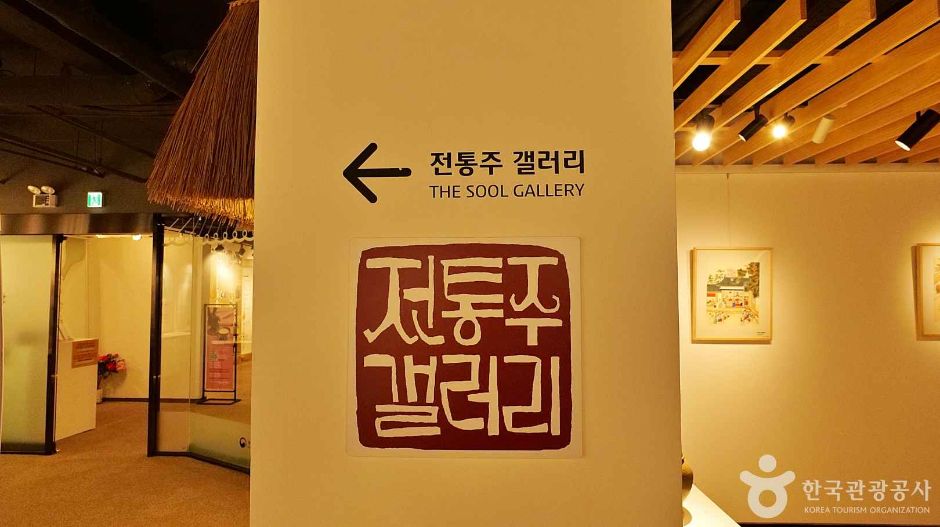
The Sool Gallery (전통주갤러리)
7.5Km 2025-06-19
18 Bukchon-ro, Jongno-gu, Seoul
The Sool Gallery is an exhibition and experience space for traditional Korean liquor, established to promote the taste, style, and cultural values of the time-honored traditional Korean liquor. It provides various information about traditional Korean liquor for consumers or international tourists who can rarely obtain such information elsewhere. In addition, it provides traditional liquor education and business counseling to food service businesses and sales experts to continuously create demand for traditional liquor and expand the market. It is run by experts specializing in traditional liquor, including traditional liquor sommeliers, and it holds events to introduce various traditional liquors with different themes every month, as well as tasting events. Moreover, according to the monthly changing “Recommended Traditional Liquor by Month,” it displays a drinking glass and a bottle of the month recommended by the Korea Craft & Design Foundation.

HANSIK Space E:eum (한식문화공간 이음)
7.5Km 2025-11-11
18 Bukchon-ro, Jongno-gu, Seoul
HANSIK Space E:eum, located in Jongno, is a cultural space operated by the Korean Food Promotion Institute. It offers visitors an opportunity to delve into Korean cuisine through exhibitions, performances, educational programs, and a library.
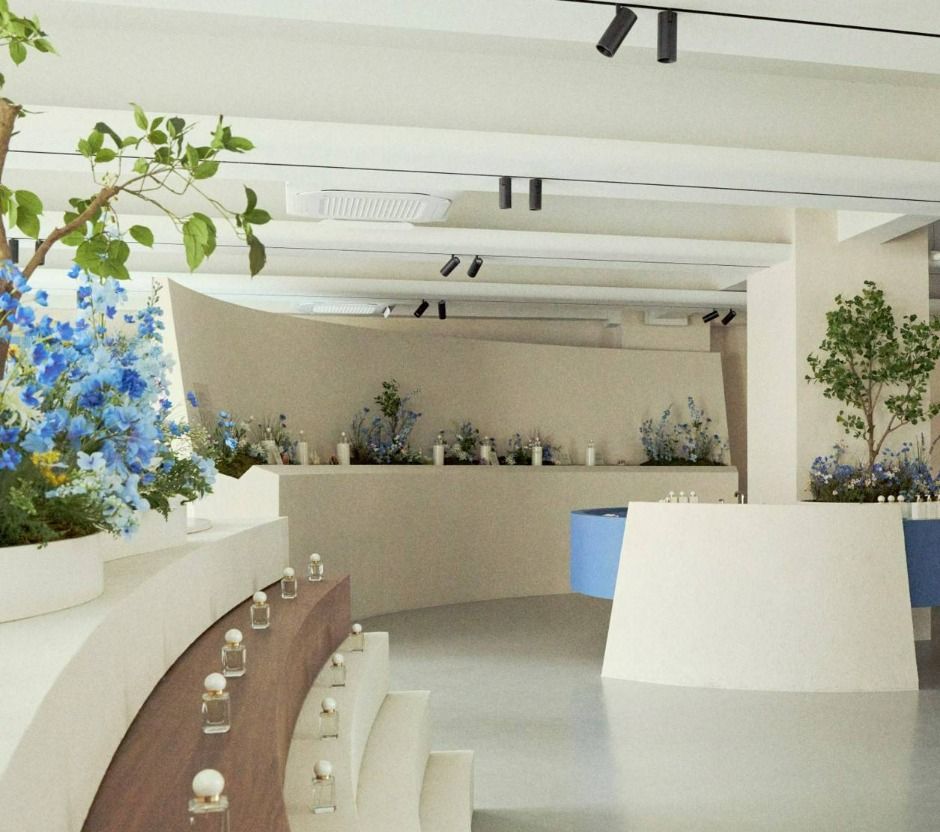
Matthew Chang Anguk (메튜장 안국)
7.5Km 2025-07-14
33 Yulgok-ro, Jongno-gu, Seoul
Matthew Chang Anguk flagship store uses the whole space to bring the brand's philosophy to life through fragrance. Located in Anguk, the heart of Korea's tradition and aesthetics, the store's tranquil atmosphere sets the mood for visitors to try on and experiment with the brand's carefully selected perfume collection. The staff provides assistance in recommending the perfect scent according to visitor's preference, mood, and nostalgia. The store also has a section dedicated to body care products, such as hand wash and body lotion.
Goobne Playtown (굽네 플레이타운)
7.5Km 2025-01-16
23 Jandari-ro 2-gil, Mapo-gu, Seoul
Goobne Playtown is a culture and experience center operated by Goobne, one of Korea's chicken franchises that specializes in oven-roasted chicken instead of the standard fried chicken. Visitors can taste the latest products in a relaxing space, as well as enjoy media art and changing items in the pop-up zone.
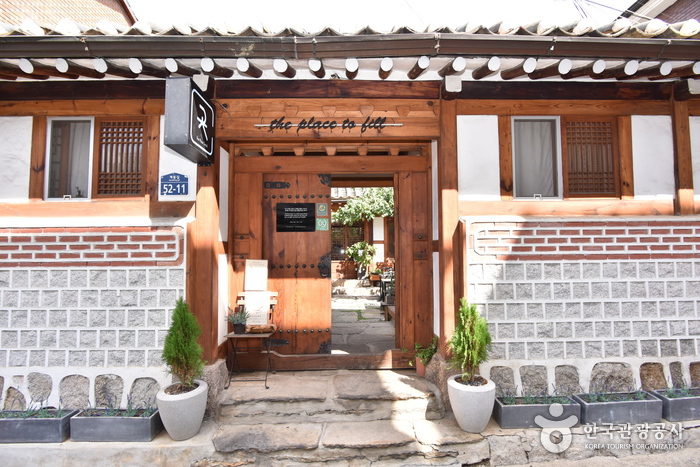
The Place Seoul (traditional Korean-style guesthouse) / 복합한옥공간 곳
7.5Km 2025-03-05
52-11 , Gyedong-gil, Jongno-gu, Seoul
The Place Seoul in Gye-dong, Jongno-gu, Seoul, is a meeting place of traditional and modern Korea. It has a yard with a beautiful 80 year-old dogwood tree, and a small garden in which guests can enjoy the passage of the seasons. The Place Seoul is an environment-friendly place which uses eco-friendly consumables such as toilet paper and shampoo. Breakfast is simple and healthy. There are many good cafes in nearby Bukchon, and local tourist attractions include the National Palace Museum of Korea and the National Museum of Modern and Contemporary Art.
Sunset Leisure 435 (썬셋레저 435)
7.5Km 2023-07-04
서울특별시 마포구 망원동 205-5
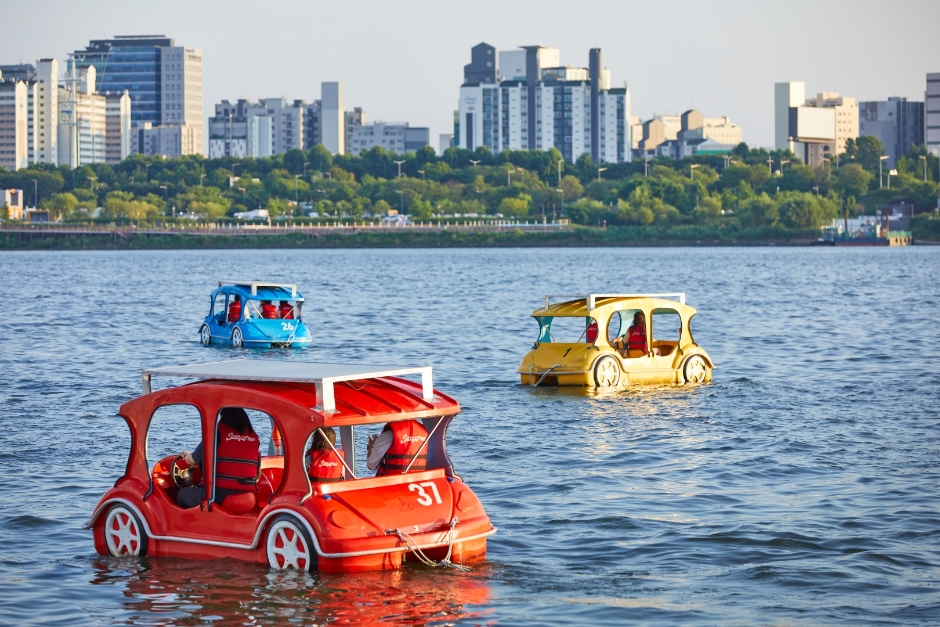
Mangwon Hangang Park is famous for its amenities, and what better than the iconic duck boat to get the most out of Hangang River? Hangang River is a wide river ranging up to 1 - 2km in x_width, so go for a joyride with duck boats on the river. One can also opt for electric boats for a more comfortable experience, depending on one’s preferences and the group size. Duck boats are particularly popular on the weekends and holidays, so it is recommended to place reservations before heading there.
Seongbuk-dong–Bukchon Hanok Village Course (성북동고택북촌산책길)
7.5Km 2025-11-06
68, Seonjam-ro 5-gil, Seongbuk-gu, Seoul
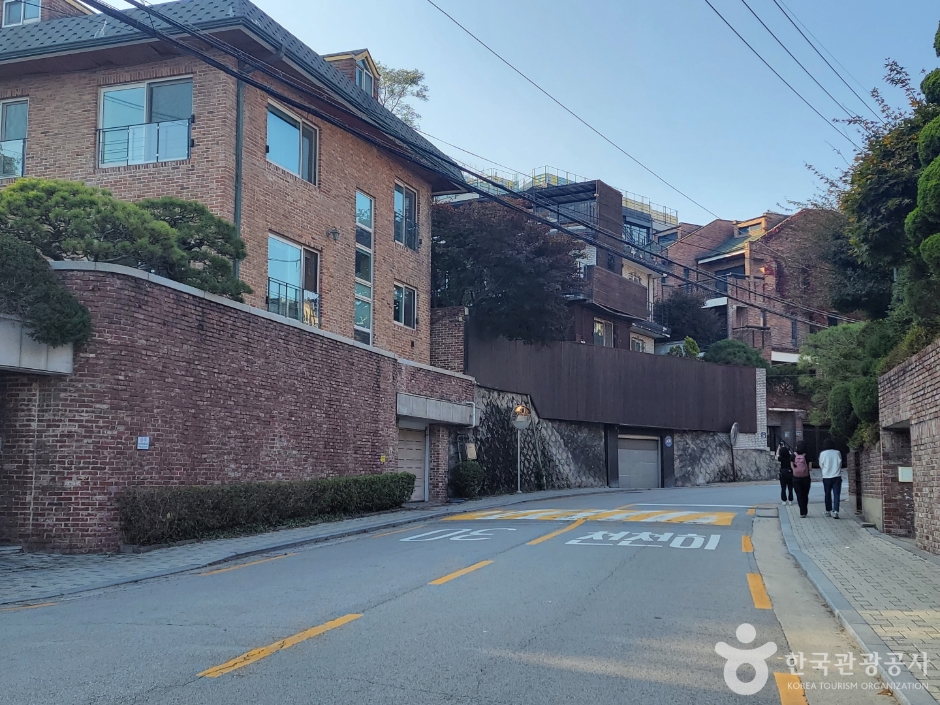
The Seongbuk-dong–Bukchon Hanok Village Course is a nostalgic path connecting famous old houses in Seongbuk-dong and Bukchon Hanok Village, divided by the old city walls. Along the way, you'll find historic sites like Gilsangsa Temple, Jeongbeopsa Temple, Han Yong-un’s Simujang House, and novelist Lee Tae-jun's House. The trail also features charming cultural spots, such as the traditional tea house Sooyeon Sanbang and the Seongbuk Museum of Art.
◎ Travel information to meet Hallyu’s charm - "Parasite"
The scene in the alley where Ki-woo visited Mr. Park's house in a wealthy neighborhood for expensive tutoring was filmed in a residential area in Seongbuk-dong. Seongbuk-dong, an old wealthy village, has luxury mansions lined up in. There are many pretty cafés and galleries here and there, so it's good to take a leisurely look around. Mr. Park's house was a filming set, which was demolished after filming.
Stenlee (스텐리)
7.5Km 2025-10-23
15th Floor, 1 Jongno (Kyobo Life Building), Jongno-gu, Seoul
Stenlee is a specialized agency that provides comprehensive support to medical patients, corporate groups and business delegations visiting Korea. We design and manage tailored MICE and medical programs (checkups, medical treatment, fam tours, medical trainings, seminars, incentive trips, etc) handling everything from booking to transportation, translation and interpretation. Our strength lies in optimizing schedules, cost and cultural immersion to ensure efficient results and comfortable stay for our clients.
Kyobo Book Centre Gwanghwamun (교보문고)
7.5Km 2024-12-04
1 Jong-ro, Jongno-gu, Seoul
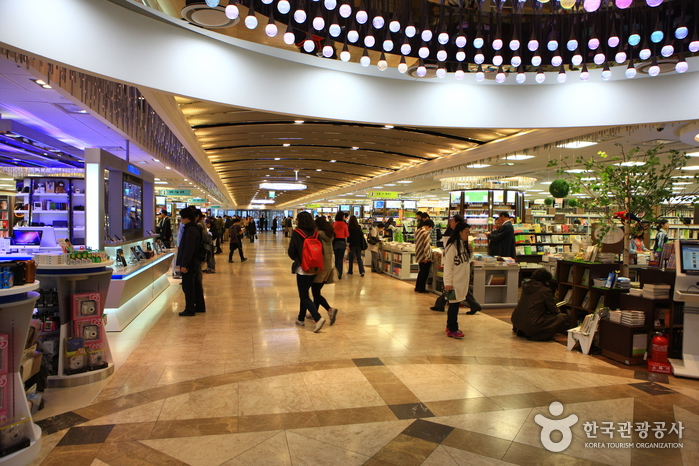
Kyobo Book Centre is the first large-scale bookstore in Korea, and this particular store can be found next to Gwanghwamun Square. Kyobo Book Centre Gwanghwamun divides its internal area into 11 sections and organizes them in a way that allows readers to find books easily. The store also has specialized shops for stationery, digital devices, and accessories, as well as exhibition spaces and cafés.
 English
 한국어
한국어 日本語
日本語 中文(简体)
 Deutsch
 Français
 Español
 Русский


