
Seoul Plaza (서울광장)
8.0Km 2024-06-19
110 Sejong-daero, Jung-gu, Seoul
+82-2-2133-5640
Seoul Plaza in front of Seoul City Hall is a historic site where the March 1, 1919 (Samil) Independence Movement and the pro-democracy movement in June 1987 were held. It is also a well-known place where tens of thousands of Korean soccer fans gathered together to watch the 2002 World Cup Games. Being located within the center of the city and surrounded by many historic attractions, including Deoksugung Palace, Seoul Plaza has become a representative attraction of Seoul.
Bosingak Belfry (보신각 터)
8.0Km 2024-03-04
54, Jong-ro, Jongno-gu, Seoul
+82-2-2133-2641
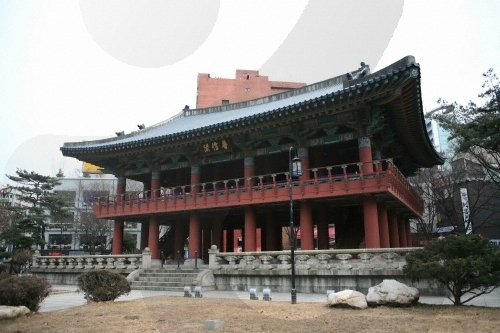
Bosingak Belfry is also known as Jonggak. It was the site in which a large bell, used to keep the time in Seoul, was found during the Joseon period (1392-1897). Bosingak Belfry was burned down during the Korean War (1950-1953) and was reconstructed in 1979. The original bell was moved to the Gyeongbokgung Palace, and a new bell was forged in 1985. At midnight, January 1, the bell at the Bosingak Belfry is rung to welcome the new year. Many people gather around the belfry to make a wish for their new year.
Theatre Changdeokgung (창덕궁 소극장)
8.0Km 2021-12-07
88-1, Donhwamun-ro, Jongno-gu, Seoul
+82-2-742-7278
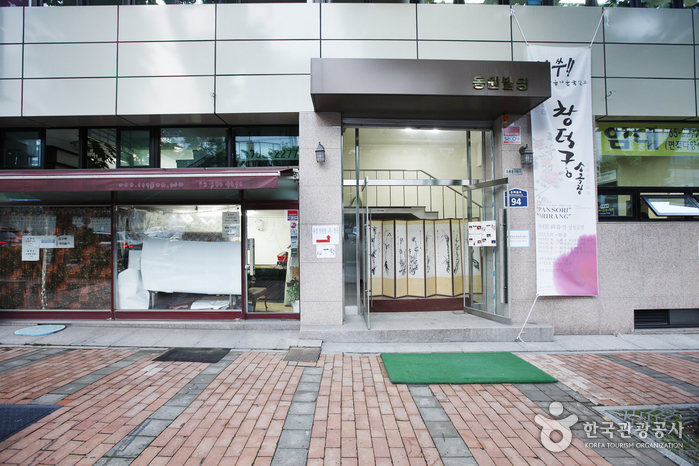
Theatre Changdeokgung is located across from Changdeokgung Palace in the Gugak-ro Special Cultural Zone of Seoul. To recreate the traditional Korean entertainment setting and offer a better view of the stage, the theater is designed with floor seatings facing a platform stage. The theater offers a wide array of performances including samulnori (traditional Korean percussion quartet), traditional Korean music, and madanggeuk (a play infused with traditional music and performances). First time visitors often find the creative and cozy experience create a lasting memory of Korean culture and arts. Also nearby the theater are a number of tourist attractions including Changdeokgung Palace, Unhyeongung Palace, Jongmyo Shrine, and Insa-dong.
Seoul Hwagyesa Temple (화계사(서울))
8.0Km 2021-11-02
117, Hwagyesa-gil, Gangbuk-gu, Seoul
+82-2-902-2663
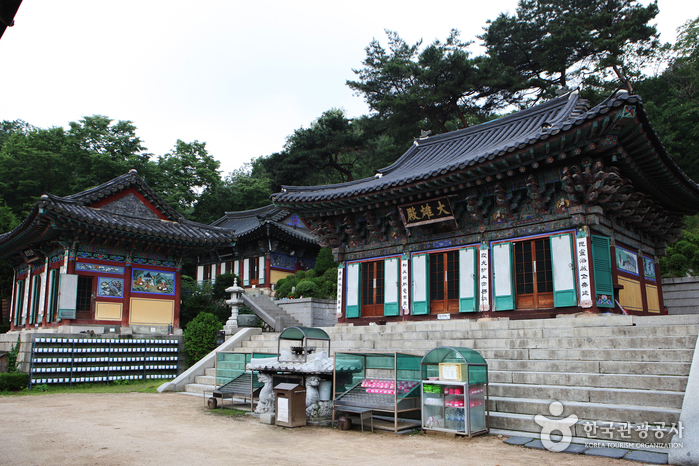
Hwagyesa Temple was built in 1522 (the seventeenth year of the reign of King Jungjong of the Joseon dynasty) by monk Shinwol, but was destroyed in a fire in 1618. It was rebuilt the following year, and expanded In 1866 through the efforts of Monks Yongseon and Beomun.
The temple also has various templestay programs for visitors. Hwagyesa Temple is located not too far from the city but also provides a natural environment.
GONGGAM HL MANAGEMENT Co., Ltd. ((주)공감에이치엘 매니지먼트)
8.0Km 2025-11-06
#B119, 59 Donhwamun-ro 11ga-gil, Jongno-gu, Seoul
JDI International is a company engaged in international patient attraction business.
We welcome patients from the United States, Europe, China, Russia, and Southeast Asia.
We provide foreign patients with reliable medical care in Korea and provide information on medical products that combine personalized care and tourism.
We specialize in providing customized medical services to foreign patients through partnership with various hospitals in Korea.
Nakseonjae Hall (낙선재)
8.1Km 2021-09-30
99, Yulgok-ro, Jongno-gu, Seoul
+82-2-2148-1822
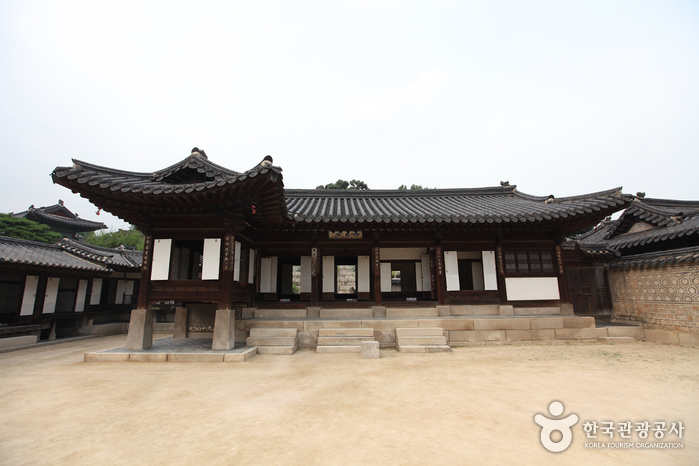
Located inside Changdeokgung Palace, Nakseonjae Hall is a one-story structure built in ikgong style (bird wing-shaped eaves placed on top of the pillars) with a hip tiled and gable roof. It has 6 kan in the front and 2 kan (traditional unit of measurement of the space between pillars) to the sides. It originally belonged to the nearby Changgyeonggung Palace, but came to be considered a part of Changdeokgung Palace in more recent years.
The hall was constructed in 1846 (12th year of King Heonjong’s reign) and it is collectively called Nakseonjae together with the adjacent Seokbokheon Hall and Sugangjae Hall.
Behind the building is a flower garden made of stacked large stones. The chimney, the flowers, and the oddly shaped stones harmoniously blend into one another to create an outstanding landscape gardening.
Jinju Hoegwan (진주회관)
8.1Km 2024-06-19
26 Sejong-daero 11-gil, Jung-gu, Seoul
+82-2-753-5388
Jinju Hoegwan is a renowned kongguksu (noodles in cold soybean soup) eatery near City Hall Station. Kongguksu is a traditional Korean summer dish made by boiling and grinding soybeans into a creamy broth, served with noodles, offering a refreshing and nutty flavor. Kongguksu is available from March to November. Their staff-recommended menu includes kimchi bokkeumbap (kimchi fried rice), freshly roasted by the staff, along with kimchi jjigae and samgyeopsal (pork belly).
![Alive Museum (Insa-dong Branch) [박물관은 살아있다(인사동점)]](http://tong.visitkorea.or.kr/cms/resource/27/3109227_image2_1.JPG)
Alive Museum (Insa-dong Branch) [박물관은 살아있다(인사동점)]
8.1Km 2024-03-15
(B1 and B2, Daeil Building), 12, Insadong-gil, Jongno-gu, Seoul
+82-2-1544-8506
The Alive Museum is a media theme park located in Insa-dong. The exhibition here is made up of optical illusion art, large objet, and digital media pieces, which allow you to delve into the land of mystery. It is made up of different sections like the Insadong Photo Studio, Game Village, and the Toy Village.
 English
 한국어
한국어 日本語
日本語 中文(简体)
 Deutsch
 Français
 Español
 Русский


