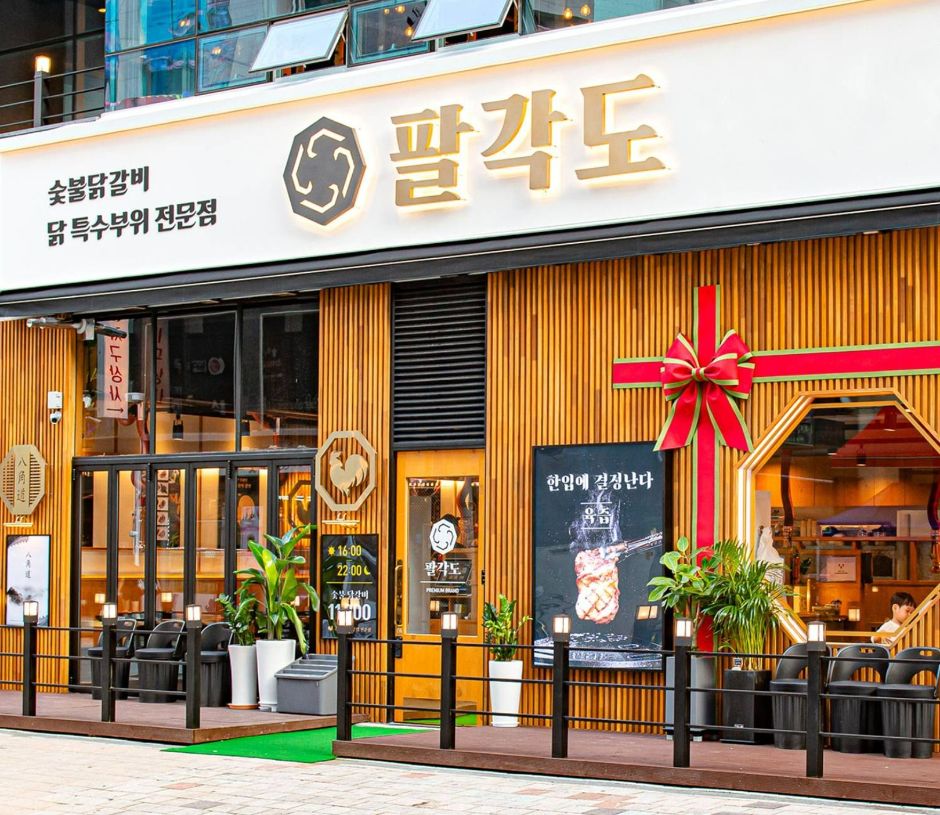
Palgakdo Main Branch (팔각도 본점)
12.5Km 2025-01-23
643 Gyeongin-ro, Guro-gu, Seoul
Palgakdo is a restaurant specializing in charcoal-grilled chicken cuts. The chicken is cooked over charcoal, making it tender and juicy. Visitors can try various chicken parts paired with delicious side dishes and sauces. The store’s unique interior, inspired by a pentagon theme, makes it a great place for dates and group gatherings.
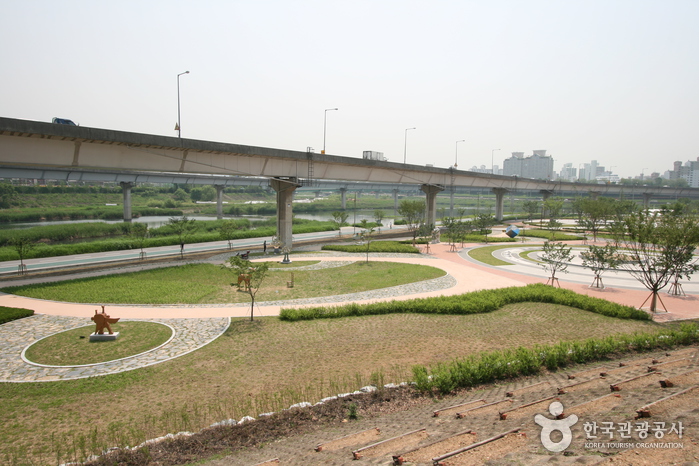
Salgoji Sports Park (살곶이 체육공원)
12.7Km 2024-03-20
16-18 Sageundong-gil, Seongdong-gu, Seoul
Salgoji Sports Park is located along the Joongnangcheon Riverside near Hanyang University. Its name "Salgoji" holds deep historical significance, meaning "the place where an arrow is shot" in Korean. The park features facilities such as an inline skating rink, soccer field, basketball court, and badminton court. There are dedicated bicycle paths and pedestrian walkways around the park. Throughout the year, walking festivals and mini marathons are organized, making it a beloved spot among cyclists. In the summer, an outdoor water playground is operated.

Hanyang University Seoul Hospital (한양대학교병원(서울))
12.7Km 2025-10-23
222-1 Wangsimni-ro, Seongdong-gu, Seoul
Hanyang University Medical Center, established in 1972 with the motto of "Love in Deed and Truth", offers exceptional medical care to patients worldwide. It is equipped with advanced medical equipment and staffed by highly skilled and experienced medical professionals. The hospital has achieved grade 1 in the adequacy evaluation for several diseases, including cardiovascular and cerebrovascular diseases, as well as major cancers, making it a top medical institution. Its goal is to provide prompt and convenient medical care to both domestic and international patients in a patient-centered approach.
Chung-Ang Uiversity Hospital (중앙대학교병원)
12.8Km 2025-10-23
102 Heukseok-ro, Dongjak-gu, Seoul
Since its foundation in 1968, Chung-Ang University Hospital has been striving to contribute to the health and happiness of humanity by achieving the best in medical treatment, research, and education based on our core values of "professionalism, fairness, change/innovation, communication/harmony, and empathy/care.”
As a leader in severe disease treatment, we work with highly qualified medical staff and specialized professionals, receiving the top rating in all cancer procedures evaluated (colon, stomach, breast, and lung) by the Ministry of Health and Welfare and the Health Insurance Review and Assessment Service, and the top rating in the care appropriateness evaluation for acute stroke, coronary artery bypass, intensive care unit (adults and newborns), and hemodialysis.
In a “rating from visitor reviews” conducted by a major domestic portal site, we ranked first out of 13 major tertiary hospitals in Seoul, maintaining our reputation as the friendliest hospital in Korea trusted by patients.
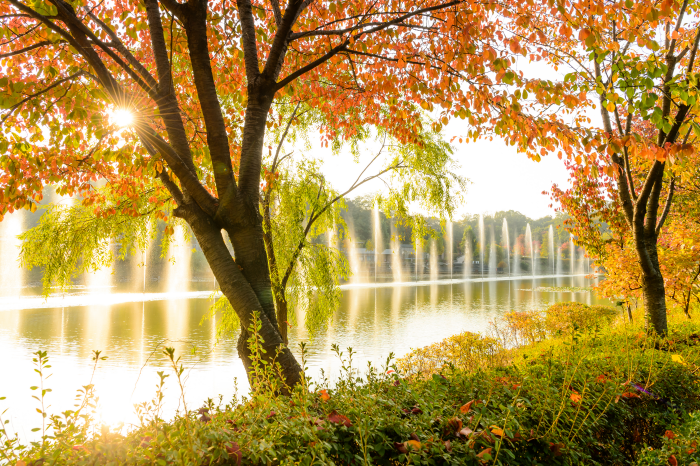
Seoseoul Lake Park (서서울호수공원)
12.8Km 2022-10-19
20, Nambusunhwan-ro 64-gil, Yangcheon-gu, Seoul
Covering over 225,000 ㎡ of land in the southwestern part of Seoul, Seoseoul Lake Park, also known as West Lake Park, was to resolve the regional imbalance in the city. The park is a eco-friendly park designed with the themes of "water" and "recycling." Before turning into a park, the area was used as a purification plant that produced approximately 120,000 tons of tap water to Seoul. The park has a children's playground, sports facilities like the soccer field, basketball court and badminton courts, and a cultural plaza. With its vast space and 24-hour operation, the park provides a relaxing ground for the citizens of Seoul.
Ohkims Dermatology Clinic (오킴스피부과의원)
13.0Km 2025-10-23
(10th Floor, New Samchang Building), 123 Gangseok-ro, Ilsandong-gu, Goyang-si, Gyeonggi-do
Ohkims Dermatology Clinic is a hospital that continues to strive, study, and stay ahead of the curve with a constant touch of care so that you can enjoy every moment as the best time of your life.
We are staffed exclusively by dermatology specialists.
Dr. Cho Hang-rae is a board-certified dermatologist and doctor of dermatology with a specialty in hair transplantation surgery. During his international residency in cosmetic dermatology at Mount Sinai University Hospital in Manhattan, New York City, he studied hair transplantation under Dr. Unger, a world-renowned hair transplantation expert.
Ohkims Dermatology Clinic also winds back time.
Our “Secret Well Aging Program” is different.
With over 20 years of experience in the field of wellness aesthetic treatments, we are committed to achieving constant innovation based on our 20 years experience and delivering a sophisticated touch of skin science masters under the leadership of Dr. Cho Hang-rae.
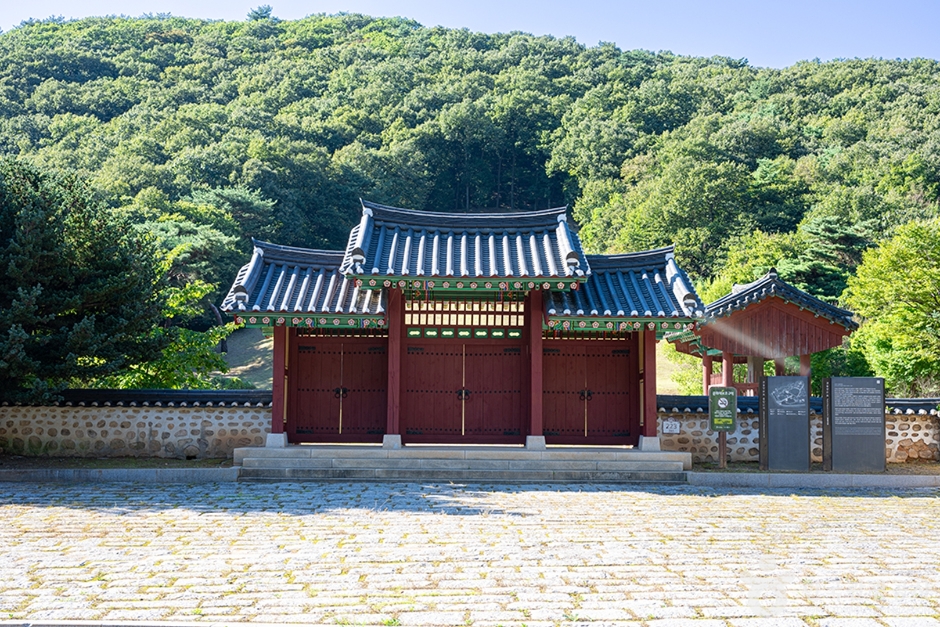
Tomb of General Gwon Yul (권율장군묘)
13.1Km 2024-02-07
223 Gwonyul-ro, Jangheung-myeon, Yangju-si, Gyeonggi-do
General Gwon Yul (1537-1599) is a historic figure from the Joseon dynasty. He is celebrated for repelling the invading Japanese forces at Haengjusanseong Fortress and other locations near Seoul during the Japanese Invasion of Korea (1592-1598). In front of the tomb stands a tombstone, flanked by pairs of stone statues. These pairs consist of Sangseok, Hyangnoseok, Dongjaseok, Muninseok, and Mangjuseok, with one statue from each pair positioned on the left and the other on the right, respectively. The site also includes the tombs of his father and older brother. His descendants continue to visit and commemorate him to this day.
House of Flowers and Lake / 꽃과 호수의 집
13.3Km 2025-03-05
79 , Norumok-ro, Ilsandong-gu, Goyang-si, Gyeonggi-do
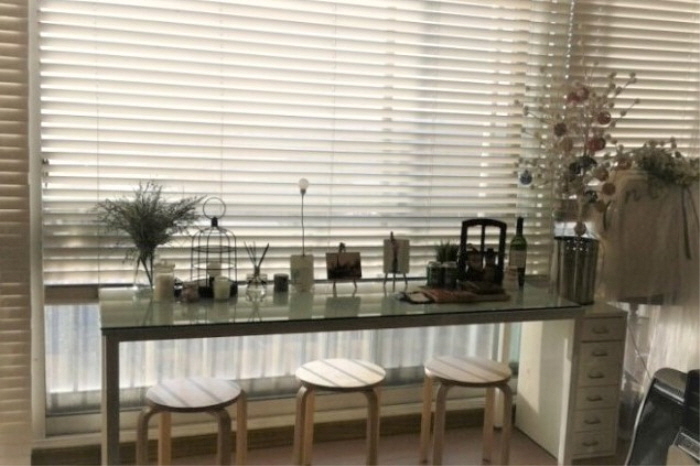
The House of Flowers and Lakes is a homestay in an apartment in Ilsan, Seoul Capital Area. There are two rooms: Narcissus has a double bed, private bathroom, and a terrace, while Moss Rose has two single beds and simpler furniture. The owner loves travelling, and souvenirs from around the world are on show in the shared kitchen and living room. A simple breakfast is provided free of charge. The apartment is close to Madu Station on Subway Line 3 and Baekma Station on the Gyeongui-Jungang Line. Nearby destinations such as KINTEX and Haengjusan Fortress are a 20-minute drive away.
Seoul Museum of Art (SeMA) (서울시립 북서울미술관)
13.4Km 2024-03-18
1238, Dongil-ro, Nowon-gu, Seoul
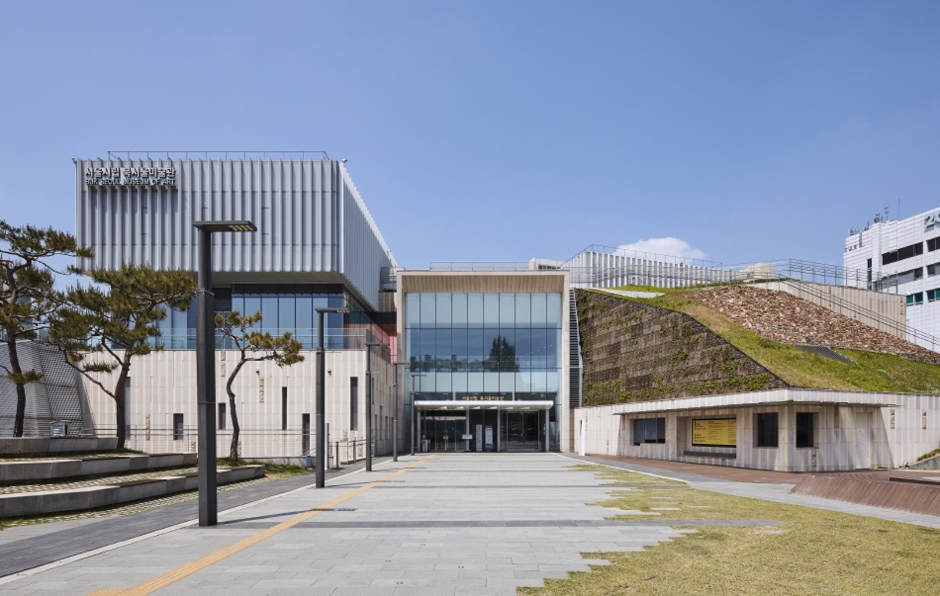
The Seoul Museum of Art (SeMA) coexists with its local community. Located in Nowon-gu, an area name that is derived from the “Reed Hill” nearby, the museum is an open structure with its entrance connected to a park. In addition to outdoor sculpture exhibitions, it offers maze-like galleries, an art library, a cafe, and a multipurpose hall. These spaces host a variety of programs for families, which make up the majority of visitors to this museum.
Seoul Wave Art Center (서울웨이브아트센터)
13.5Km 2025-10-27
145-35 Jamwon-ro, Seocho-gu, Seoul
Seoul Wave Art Center is located within Jamwon Hangang Park, and focuses on promoting the relationship between the sky and earth, people and nature, and people and people. The art center opened in 2020 and has continued to host a range of new exhibitions.
 English
 한국어
한국어 日本語
日本語 中文(简体)
 Deutsch
 Français
 Español
 Русский


