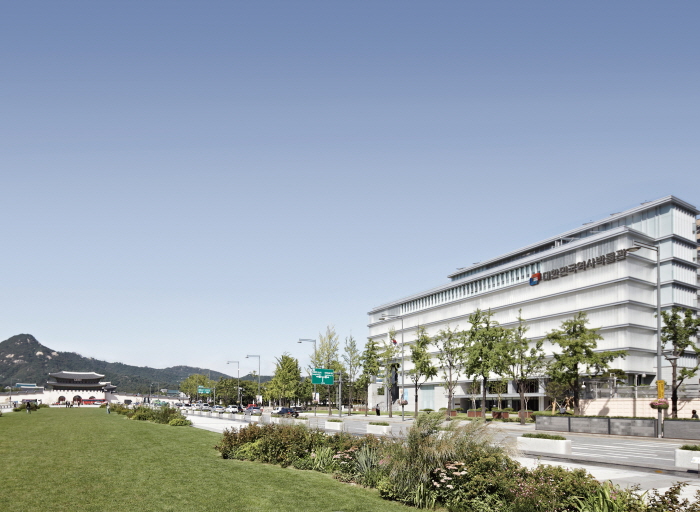
National Museum of Korean Contemporary History (대한민국역사박물관)
5.8Km 2022-12-27
198, Sejong-daero, Jongno-gu, Seoul
+82-2-3703-9200
The National Museum of Korean Contemporary History opened on December 26, 2012, and showcases Korea's modern history, from the opening of Incheon Port to current times. The museum provides an in-depth look at the changes in the nation through exhibitions and educational programs, as well as researching, developing, and collecting materials. The museum is comprised of four exhibition halls; Prelude to the Republic of Korea, Foundation of the Republic of Korea, Development of the Republic of Korea, and Modernization of South Korea, toward the World. In addition, the Korean History Dream Village features a hands-on program hall for children to learn modern and contemporary history. In addition to special exhibitions, the museum also offers educational and cultural programs for children.
![Innisfree - Myeong-dong Chungmu Branch [Tax Refund Shop] (이니스프리 명동충무)](http://tong.visitkorea.or.kr/cms/resource/11/2878611_image2_1.jpg)
Innisfree - Myeong-dong Chungmu Branch [Tax Refund Shop] (이니스프리 명동충무)
5.8Km 2024-04-16
28-1, Myeongdong 8na-gil, Jung-gu, Seoul
-
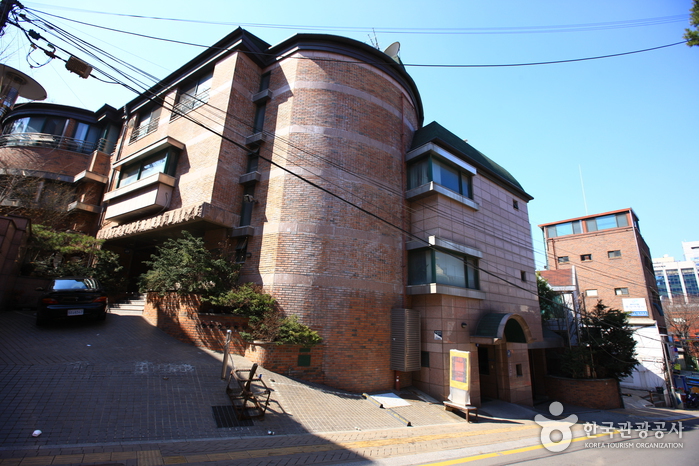
Chojun Textile & Quilt Art Museum (초전섬유ㆍ퀼트박물관)
5.8Km 2024-03-06
29, Toegye-ro 16-gil, Jung-gu, Seoul
+82-2-753-4074~5
Opened in 1998, Chojun Textile & Quilt Art Museum is the only textile art museum in Korea. Visiotrs can learn about the excellence and tradition of Korean textiles by observing a wide range of domestic and international textile artworks. In addition to exhibiting its collection, the museum also holds special exhibitions as well as textile and quilt competitions, giving visitors the opportunity to get up close and personal with textile artworks.
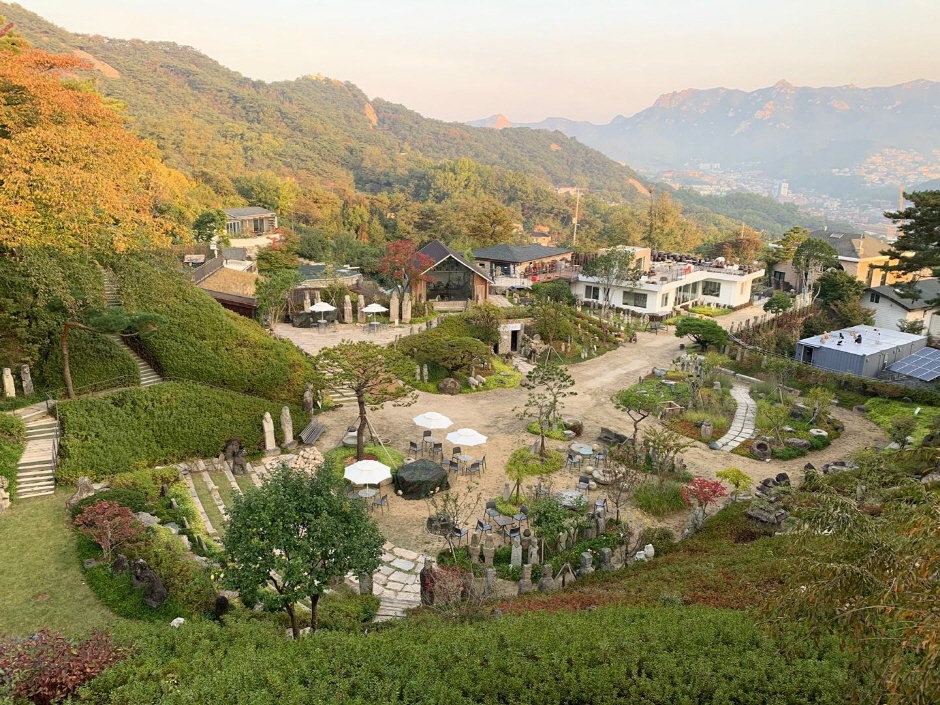
Mok In Museum Mok Seok Won (목인박물관 목석원)
5.8Km 2021-09-01
46-1, Changuimun-ro 5-gil, Jongno-gu, Seoul
+82-2-722-5066
Mok In Museum Mok Seok Won relocated in 2019 from Insa-dong to Buam-dong. Six exhibition halls offer visitors a look at wooden figures from around the world. Mokin refers to traditional wooden sculptures carved in shapes of human figures or various animals. The museum holds around 12,000 wooden folk sculptures including those used to decorate funeral carriages and temples mostly from the Joseon dynasty up to modern times. The museum also has an outdoor exhibition hall that harmonizes the sculptures with nature.
![Charles & Keith - NOON SQUARE Branch [Tax Refund Shop] (찰스앤키스 눈스퀘어)](http://tong.visitkorea.or.kr/cms/resource/15/2888615_image2_1.jpg)
Charles & Keith - NOON SQUARE Branch [Tax Refund Shop] (찰스앤키스 눈스퀘어)
5.8Km 2024-04-18
2F, 14, Myeongdong-gil, Jung-gu, Seoul
-
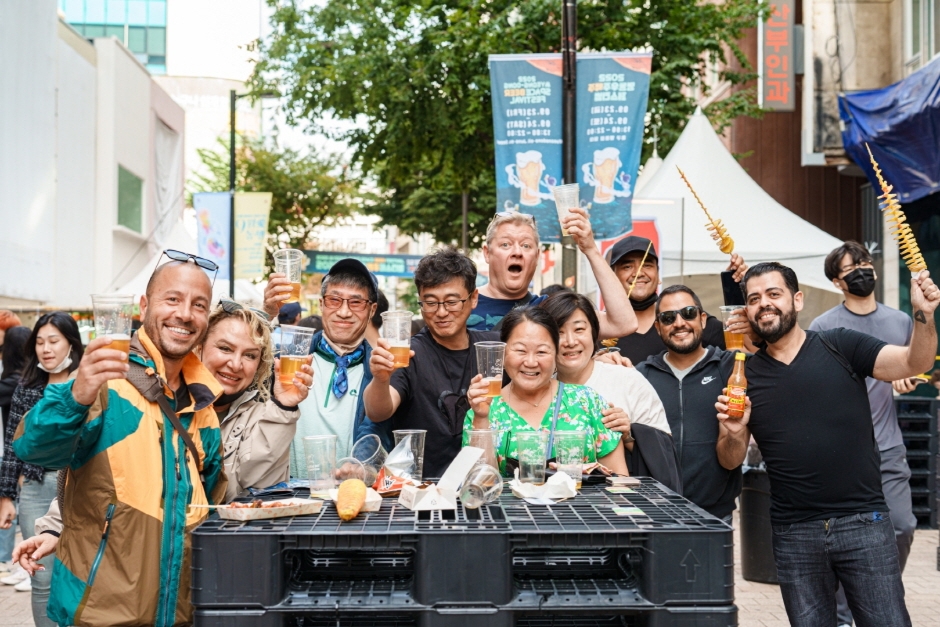
Myeongdong Beer Festival (명동맥주페스티벌)
5.8Km 2025-05-20
14, Myeongdong-gil, Jung-gu, Seoul
+82-70-8670-2182
Myeongdong Beer Festival provide a chance to find one's preference through beer. Enjoy the cool fall weather with fun people all around.
![Åland - NOON SQUARE Branch [Tax Refund Shop] (에어랜드눈스퀘어점)](http://tong.visitkorea.or.kr/cms/resource/60/2887760_image2_1.jpg)
Åland - NOON SQUARE Branch [Tax Refund Shop] (에어랜드눈스퀘어점)
5.8Km 2024-06-27
14, Myeongdong-gil, Jung-gu, Seoul
-
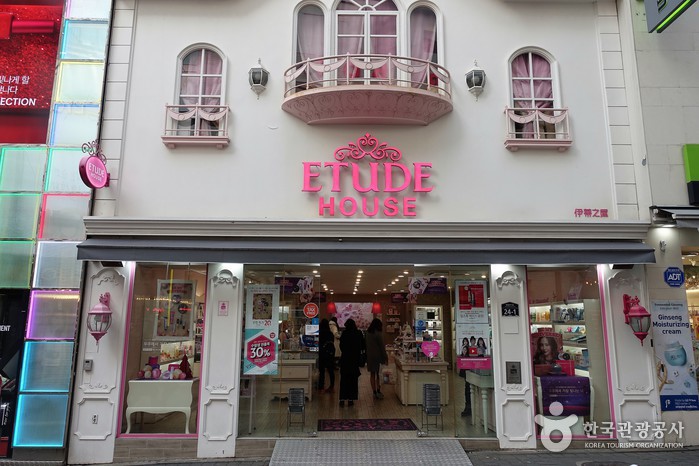
Etude house myeongdong chungmuro / 에뛰드하우스(명동충무로점)
5.8Km 2025-08-11
24-1, Myeongdong 8na-gil, Jung-gu, Seoul
+82-2-777-1704
Etude House is a cosmetics brand that sells makeup, hair, and fragrance products. The Etude House Myeongdong Chungmuro Branch, located in the heart of a major shopping district, carries a wide selection of cosmetics that customers may test before purchasing. Moreover, the brightly lit store interior, designed with a princess bedroom decor, adds fun to the experience.
It is visited largely by foreign customers from Japan, Thailand, China and other East Asian countries. To facilitate an easy shopping experience, the shop always has foreign staff available to assist. The most popular items include creams made using snail extract, lipsticks and eye shadows. Etude House also has many sales on facial mask packs, and tax refunds are available.
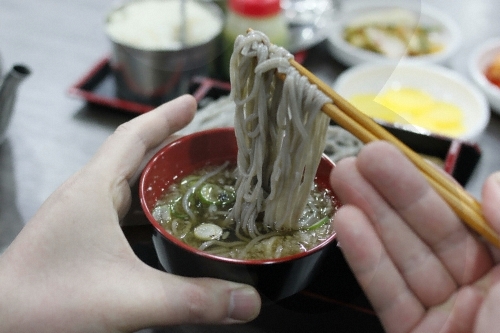
Mijin (미진)
5.8Km 2024-03-06
19 Jong-ro, Jongno-gu, Seoul
+82-2-732-1954
Mijin is a Korean-style cold buckwheat noodle restaurant located near Gwanghwamun, specializing in Korean-style naeng memilguksu (cold buckwheat noodles). They offer a broth that is richer in flavor compared to Japanese soba bonito soy sauce, along with chewier buckwheat noodles. The restaurant produces the broth and noodles in-house and serves them directly to customers. The cold broth and buckwheat noodles condiments can be adjusted according to preference. Another popular menu is the memil jeonbyeong (buckwheat crepe) filled with bean sprouts, bean curd, aged kimchi, and ground pork.
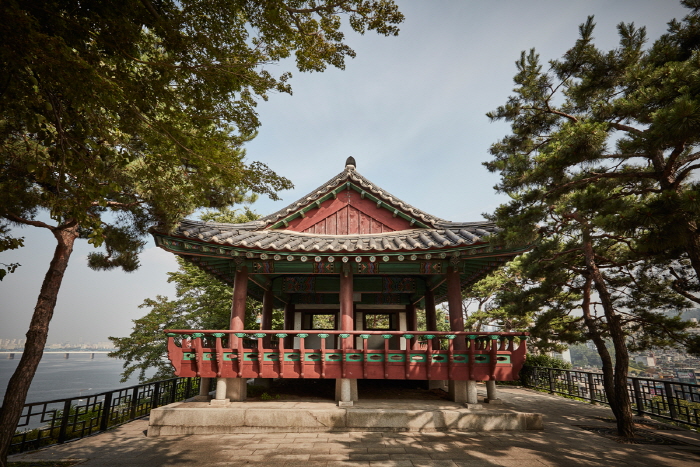
Hyosajeong Pavilion (효사정)
5.8Km 2025-01-13
55, Hyeonchung-ro, Dongjak-gu, Seoul
+82-2-820-9848
Hyosajeong Pavilion is where Nohan, the second vice premier of the Joseon dynasty during King Sejong and King Sejo’s reign, stayed. After he lost his mother, he built the pavilion to mourn at her grave while still being able to see his father’s grave in Gaeseong to the North. His brother-in-law, then Minister of the Interior, Gang Sa-deok named the pavilion “Hyosajeong,” which means pavilion of filial piety.
In order to find the original location of the pavilion, poems by Jeong Inji and Seo Geojeong and an old map of Korea were referenced, but the pavilion was not found because the surrounding landscape had changed too much. As a result, a location was selected and the pavilion was reconstructed at its current location. The house is 3 kan* in the front and 2 kan* on the side. The roof is a hip-and-gable roof. The pavilion has one room with under floor heating and a railing around the pavilion
(* kan: a traditional measurement that corresponds to the space between two columns)
 English
 한국어
한국어 日本語
日本語 中文(简体)
 Deutsch
 Français
 Español
 Русский


