
ID Clinic (Sinsa Branch) (아이디의원(신사점))
9.9Km 2025-10-23
6F, 142 Dosan-daero, Gangnam-gu, Seoul
ID Cosmedical Group, consisting of ID Plastic Surgery and ID Dermatology, has launched a beauty clinic brand with a new concept that combines its extensive expertise and experience.
Based on its high-quality medical services, ID Clinic offers personalized beauty solutions with exceptional convenience at reasonable costs.
BF Life Sciences Co., Ltd ((주) 비에프생명과학)
10.0Km 2025-10-23
(#1, 5th Floor), 10 Nonhyeon-ro 163-gil, Gangnam-gu, Seoul
BF Life Sciences is a leading company in the international medical cooperation business, specializing in hospital management support, advanced medical services, and research and development. We are at the forefront of next-generation biotechnology, including advanced genome decoding technology and stem cell research, driving innovation in the development of medical devices, pharmaceuticals, cosmetics, and health supplements. Additionally, BF Life Sciences is a global healthcare group providing customized theranostics through collaborations with both domestic and international medical institutions.
Leveraging our expertise in hospital management, we operates overseas branches and hospitals, leading the export of medical services and devices while also conducting various educational programs. BF Life Sciences is registered and licensed with agencies such as the Korea Trade-Investment Promotion Agency (KOTRA), the Ministry of Health and Welfare, and the Korea Food and Drug Administration, ensuring transparent business practices.
Gyujanggak Library of Seoul National University (서울대학교 규장각)
10.0Km 2022-07-27
1, Gwanak-ro, Gwanak-gu, Seoul
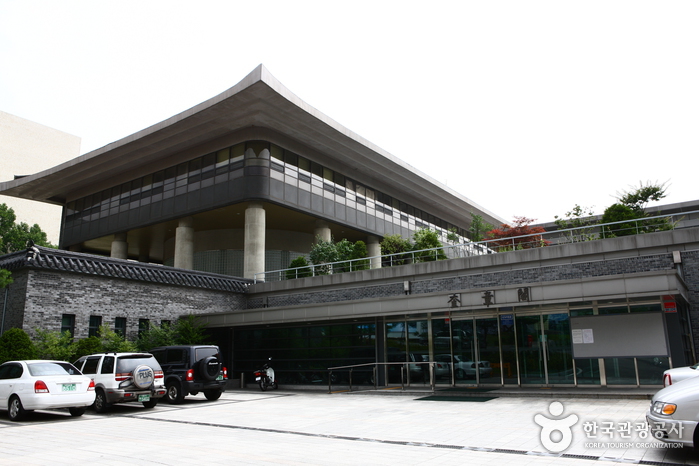
Gyujanggak Library was founded in 1776 during the reign of King Jeongjo, the 22nd ruler of the Joseon dynasty, at which time it was located within the Changdeokgung Palace grounds. It functioned as the royal library, which housed writings of the previous kings, their relics and books from home and abroad.
Today Seoul National University maintains the items of Gyujanggak in a traditional Korean building which is equipped with state-of-the-art facilities necessary for the preservation of cultural heritages. Moreover, Gyujanggak Library of Seoul National University collects and publishes books from a variety of sectors such as politics, economy and society.
Gyujanggak now houses more than 270,000 items including 7 national treasures, 8 treasures, 180,000-plus old books, about 50,000 documents and 18,000 printing blocks. Among them, Joseon Wangjo Sillok (the Annals of the Joseon Dynasty, a National Treasure), Seungjeongwon Ilgi (the Diaries of the Royal Secretariat, a National Treasure) and Uigwe (the Royal Protocols of the Joseon Dynasty) have been designated as UNESCO World Cultural Heritages.
Seoul National University (서울대학교)
10.0Km 2023-07-07
1, Gwanak-ro, Gwanak-gu, Seoul
Founded in 1946, Seoul National University is the most reputable university in Korea based on its long academic history and tradition. It was the first national university in Korea established by merging several institutions of higher education around the Seoul area, including Kyongsong University
Gangseo Marsh Ecological Park (강서습지생태공원)
10.0Km 2021-06-22
279-23, Yangcheon-ro 27-gil, Gangseo-gu, Seoul
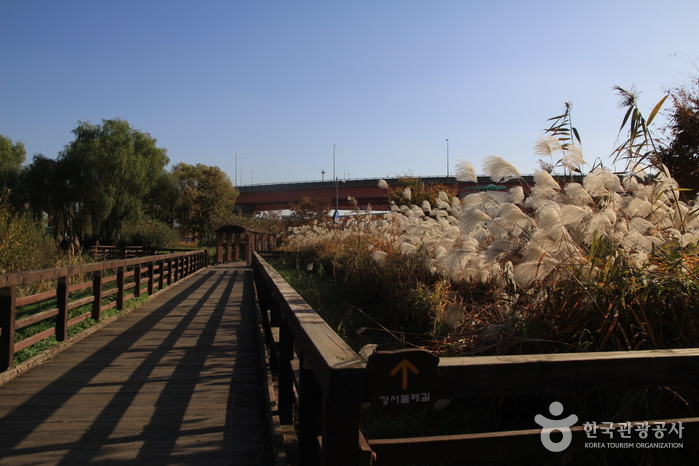
The Gangseo Marsh Ecological Park is an eco-park located on the Hangang River between the southern side of Banghwadaegyo Bridge and southern side of Haengjudaegyo Bridge. Established in July 2007, the park is partly comprised of low wetlands, freshwater lakes, and various aquatic plants. Eco-trails wind around the park through reed areas, around willow trees, and past the migratory bird observation. At the park, visitors can watch and learn about a variety of migratory birds during summer and winter or join one of the park’s organized eco-education programs.
The 3.0 Clinic (더3.0피부과의원)
10.0Km 2025-10-23
(4th Floor, Cham Building, Sinsa-dong), 48 Apgujeong-ro 28-gil, Gangnam-gu, Seoul
The 3.0 Clinic has successfully developed a method to treat acne without using conventional acne dermatological treatments that have inevitably accompanying side effects, which require taking cumbersome medications with side effects, and require continuous management. We were invited to give a lecture at the American Academy of Dermatology and also gave lectures in China and Europe. We also developed a simple injection method to reduce sebum, which had no proper treatment. In addition, we developed a method to blur the shape of intractable scars and received an award at the Eastern Asia Dermatology Congress in Japan.
Our skin and body have incredible power. If you understand the reasons why our skin is like this, what changes, and results and take fundamental care of your skin, you can treat acne without taking medicine and atopic dermatitis without steroids.
Symptom relief for the 1.0 generation, fundamental cause and resolution for the 2.0 generation, and prevention for the 3.0 generation. We aim to help people improve the power of their skin!
Glovi Plastic Surgery (글로비성형외과의원)
10.0Km 2025-10-23
(6th Floor, EGI Building), 843 Nonhyeon-ro, Gangnam-gu, Seoul
"Glovi Plastic Surgery strives to understand the hearts of our clients."
While standards of beauty have varied across eras and individuals, true beauty remains timeless. At Glovi Plastic Surgery, we are dedicated to discovering and delivering enduring beauty by continuously researching and refining our techniques to ensure the highest level of satisfaction for each patient.
With extensive experience and exceptional technical expertise, Glovi Plastic Surgery offers personalized cosmetic surgery programs tailored to individual characteristics. Our dedicated stem cell research lab, certified by the Ministry of Science, ICT and Future Planning as an R&D department, showcases our differentiated technological capabilities. Additionally, we provide customer satisfaction programs that prioritize patient safety and convenience.
Glovi Plastic Surgery's commitment to rewarding your choice with beauty and confidence continues every day.
Grand Plastic Surgery (그랜드성형외과의원)
10.0Km 2025-10-23
(#601, 6th Floor, JB Miso Building), 841 Nonhyeon-ro, Gangnam-gu, Seoul
With top-notch multidisciplinary medical staff
and a one-stop total healthcare system,
we lead the world in aesthetic medicine.
Grand Plastic Surgery opened its doors in 2004.
In its 19-year history, we established ourselves as Korea's leading aesthetic medicine group.
We are the hospital of choice for more than 30,000 international patients, attracting patients from more than 100 countries around the world with a top-tier specialized medical consultation system, a well-organized safety system, and distinguished services tailored to both domestic and international patients.
Grand Plastic Surgery promises satisfactory surgical results to our patients with our long-standing surgical experience and know-how, and aims to become a medical group capable of leading not only Korea but also Asia and the world.
Jingwansaggyegok Valley (진관사 계곡)
10.0Km 2024-02-20
73 Jingwan-gil, Eunpyeong-gu, Seoul
Jingwansaggyegok Valley is a 1km-long stream located within the Bukhansan National Park, with clear water always flowing. Surrounded by deep forests, it offers refreshing shade and clean air. The valley features various shaped rocks and waterfalls, creating a beautiful scenery. In particular, it's a great spot for water activities with the cool shade and refreshing stream during the summer, and the autumn leaves make it stunning in the fall. Its accessibility from downtown Seoul adds to its appeal.
Lee & Chaeum Skin Clinic (리앤채움의원)
10.0Km 2025-10-23
4F, 837, Nonhyeon-ro, Gangnam-gu, Seoul
Lee & Chaeum Skin Clinic offers medical semi-permanent makeup procedures through a collaboration between beauty technicians and experienced medical professionals.
We provide a range of treatments, including eyebrow, scalp, hairline, lip, and eyeliner tattoos, with personalized solutions and a comprehensive aftercare program.
The clinic holds a patented 3D micro needle technology for natural results, and our Chaeum Pigment has received Dermatest Seal and trademark registration from the Korean Intellectual Property Office, ensuring superior results for our clients.
As a designated hospital of the Korean Film Actors Association (KFAA), we contribute to the growth of K-beauty.
 English
 한국어
한국어 日本語
日本語 中文(简体)
 Deutsch
 Français
 Español
 Русский


