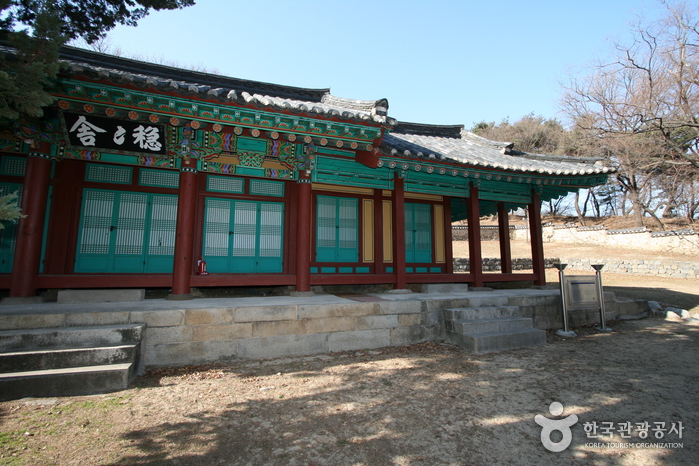
Ononsa Guesthouse (온온사)
14.2Km 2023-07-17
58 Gwanaksan-gil, Gwacheon-si, Gyeonggi-do
Though Ononsa, which was a guesthouse in Gwacheon, was constructed in the 27th year of King Injo's reign in the Joseon dynasty (1649), the name, "Ononsa," was given to this area during the reign of King Jeongjo. On February 11, 1790 during his royal procession to the tomb of his father, Crown Prince Sado, stayed at an inn in Gwacheon and, as he felt that it "has nice views and provides a comfortable stay," he bestowed upon the place plaques that he wrote himself - "Ononsa" to Seoheon and "Burimheon," which was the old nickname of Gwacheon, to Dongheon. This is how this place began to be called Ononsa.
It was designated as a Tangible Cultural Heritage of Gyeonggi-do on June 2, 1980, and it was restored on December 2, 1986 after being torn down.
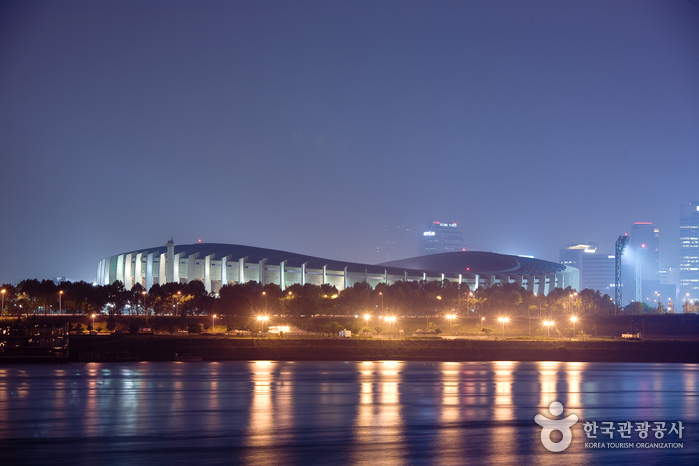
Seoul Sports Complex (Jamsil Sports Complex) (서울종합운동장(잠실종합운동장))
14.2Km 2024-12-02
25 Olympic-ro, Songpa-gu, Seoul
Seoul Sports Complex, located in Songpa, Seoul, hosted the 1986 Asian Games and the 1988 Summer Olympics. It consists of a main stadium, a baseball stadium, an indoor stadium, a students' gymnasium, an indoor swimming pool, and auxiliary stadiums. It serves as the venue for professional baseball and basketball games in Korea, as well as frequent K-pop concerts. Conveniently linked to subway lines 2 and 9, it offers easy access for visitors.

Junggok-dong Furniture Street (중곡동 가구거리)
14.2Km 2025-03-17
Cheonho-daero, Gwangjin-gu, Seoul
Junggok-dong Furniture Street stretches between Achasan Subway Station and Gunjagyo Bridge, hosting a concentration of furniture stores on either side of the main road. This area accommodates a diverse range of furniture stores, featuring well-known domestic and international brands alongside smaller and medium-sized furniture shops. It serves as a convenient destination for customers to compare and purchase various furniture items, including beds, sofas, dining tables, wardrobes, chairs, and interior accessories, all within close proximity. The accessibility to Gunja Subway Station makes it easily reachable via public transportation.
Chung-Ang University Gwangmyeong Hospital (중앙대학교광명병원)
14.3Km 2025-11-06
110 Deokan-ro (Iljik-dong), Gwangmyeong-si, Gyeonggi-do
Chung-Ang University Gwangmyeong Hospital is a general medical institution with approximately 700 beds. Opened in March 2022, the hospital has a total floor area of 97,000㎡ and consists of 14 floors above ground and 8 floors underground.
The hospital operates around six specialized clusters for critical care: Cancer Hospital, Cardiovascular & Cerebrovascular Hospital, Respiratory & Allergy Center, Digestive Disease Center, Spine Center, and Joint Center. With leading specialists in each field and state-of-the-art medical equipment, it provides advanced treatments and multidisciplinary care.
Recognized as a “hospital specializing in surgery,” Chung-Ang University Gwangmyeong Hospital plays a central role in the metropolitan critical care system. It leads the digital transformation of healthcare by harmonizing digital healthcare with public health services, strengthening its position as a highly competitive medical institution. Moving forward, the hospital will continue to pursue patient-centered medical innovation and strive to become a next-generation hospital that represents not only the Seoul metropolitan area but also the Republic of Korea.
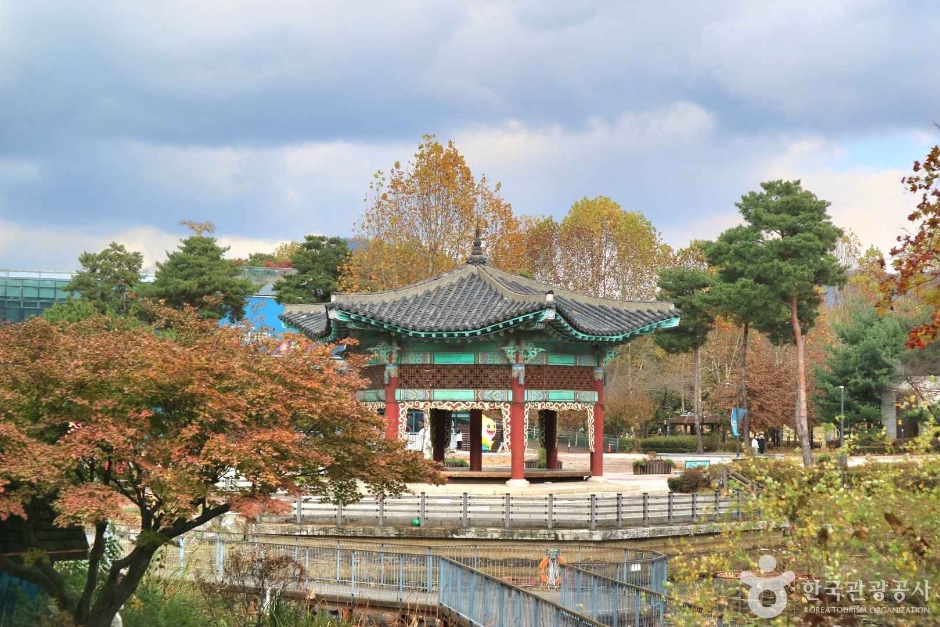
Seoul Children's Grand Park (서울어린이대공원)
14.3Km 2024-11-28
216 Neungdong-ro, Gwangjin-gu, Seoul
Opened in May 1973, Seoul Children’s Grand Park is a theme park situated among green forests and fields with a total area of 56,552㎡. It contains a zoo, arboretum, amusement park, and performance venues. Seoul Children’s Grand Park has been a beloved part of Seoul, a paradise for children and a living venue for education. For grown-ups, it functions as an area of refuge and culture within the city. The Grand Park offers facilities that everyone in the family can enjoy, so everyone can find their own fun in the Grand Park.
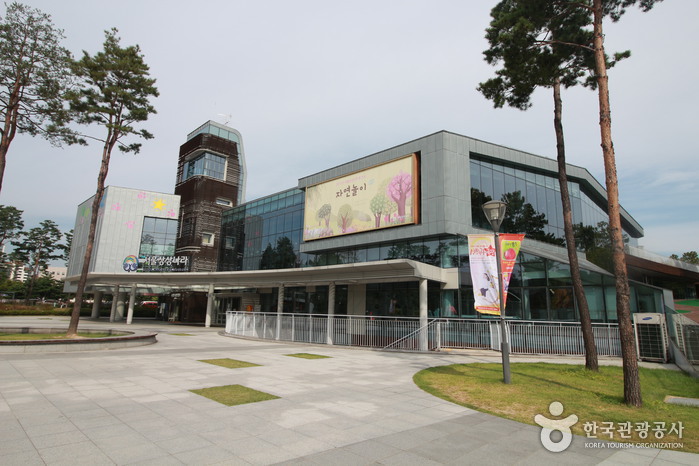
Seoul Children's Museum (서울상상나라)
14.3Km 2024-03-07
216 Neungdong-ro, Gwangjin-gu, Seoul
Seoul Children's Museum is a multifaceted cultural space established in 2013 to foster children's creativity and imagination. Spanning from the basement floor to the third floor, it boasts over a hundred interactive exhibits. These exhibits cover a wide range of areas including art, imagination, thought, and physical play, organized into ten distinct zones. It's a popular destination where children can learn and expand their imagination through play. Advanced booking is required, and reservations can be made through the website.
Gwacheon Chusa Museum (추사박물관(과천))
14.5Km 2023-07-14
78, Chusa-ro, Gwacheon-si, Gyeonggi-do
Gwacheon was where Chusa Gim Jeong-hui immersed himself in studies and arts to ignite his final artistic spirit in the twilight of his life. The city of Gwacheon opened Chusa Museum in order to promulgate the essence of the learning and arts that Chusa flowered. The museum features the life exhibit of Chusa, an art and science exhibit, a planned exhibit hall, an experience room, lounges, a museum shop and an education room for thoroughly researching, exhibiting and experiencing Chusa.
Anyang Art Park (안양예술공원)
14.5Km 2025-10-23
7 Yesulgongwon-ro 131beon-gil, Manan-gu, Anyang-si, Gyeonggi-do
Anyang Art Park, formerly known as Anyang Recreational Park, is an easily accessible, well-maintained cultural space. It has been revitalized with updated features such as artificial waterfalls, an outdoor stage, a plaza, walking paths, and enhanced lighting facilities. The park promotes art projects by displaying 50 artworks from renowned Korean and international artists throughout various locations. Nearby, visitors can explore additional local attractions including hiking trails through dense forests, traditional temples such as Anyangsa Temple and Yeomburam Hermitage, the treasure-designated Flagpole Supports at Jungchosa Temple Site, and the Kimchungup Architecture Museum, all of which contribute to a rich area experience.
Gwacheon National Science Museum (국립과천과학관)
14.5Km 2025-07-14
110, Sanghabeol-ro, Gwacheon-si, Gyeonggi-do
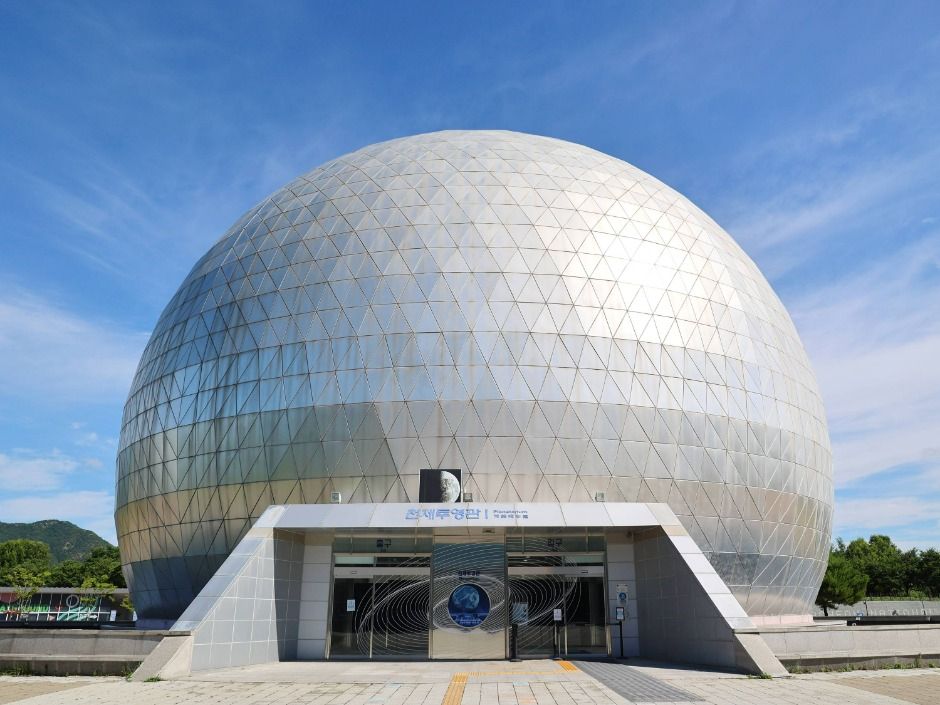
As a landmark facility representing Korea’s advanced science and technology capabilities, Gwacheon National Science Museum strives to encourage young visitors to become interested in science and shares with the public scientific principles that govern daily life. The museum has permanent exhibition halls, special exhibition halls, a planetarium, outdoor exhibitions, and more. Over 50% of the exhibition items on display are interactive, allowing visitors to jump in and experience science first-hand using their minds and their imagination.
Nungin Sunwon (능인선원)
14.6Km 2024-03-20
340 Yangjae-daero, Gangnam-gu, Seoul
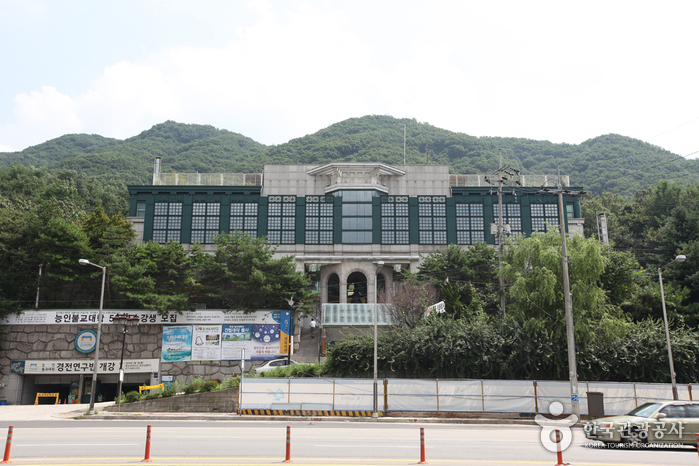
Nungin Sunwon, nestled at the base of Guryongsan Mountain, is named after another name of Buddha, Sakyamuni, signifying "the one who skillfully educates and benefits others." This temple complex includes several key structures: the Daeungjeon Hall, the Dharma Hall, the Gwaneumjeon Hall, and the resplendent Great Bhaisajyaguru, known for its golden glow. Additionally, the site houses a Buddhist university, providing a range of programs that cover basic to advanced Buddhist studies.
 English
 한국어
한국어 日本語
日本語 中文(简体)
 Deutsch
 Français
 Español
 Русский


