
Dongnimmun Gate (독립문)
6.0Km 2022-12-15
251, Tongil-ro, Seodaemun-gu, Seoul
Dongnimmun stands at the location originally known as Yeongeun, where envoys were once treated. When a Chinese envoy visited, the King would go out through this door to greet. In 1898, to announce the independence from Japan, Dongnimun was constructed with the fund collected by the citizens. The traces of the past still remain on Dongnimmun with two pillars in front of Dongnimmun being the remains of Yeongeunmun.
The Arc de Triomphe in France can be recalled in comparison to Dongnimmun. Dongnimmun was built using granite with a passageway x_height of 14.28 meters. On the top it is written ‘Dongnimmun’ in Korean with the national flag drawn on each side. On the inner-left side there are stone stairs leading to the attic. The national flower Mugunghwa are planted around Dongnimmun. Now it is surrounded by roads and it is eye-catching to view when passing by.
Sungnyemun Gate (숭례문)
6.0Km 2024-11-27
40 Sejong-daero, Jung-gu, Seoul
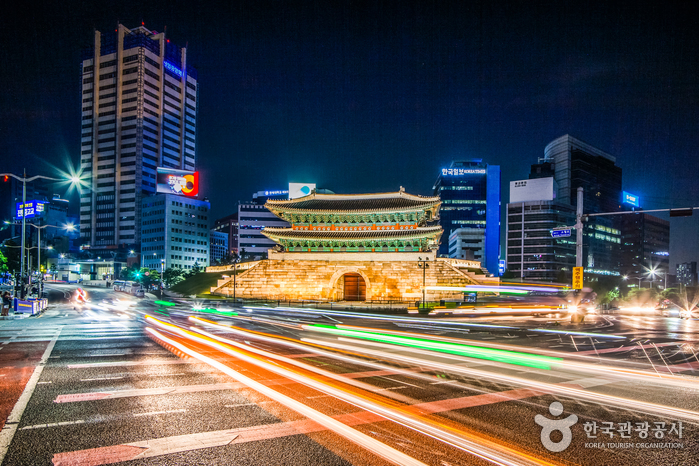
Sungnyemun Gate is Korea’s National Treasure No. 1, and its unofficial name is Namdaemun Gate. Sungnyemun Gate is the largest castle gate stone structure with an arched entrance in the middle. There’s a column on top of a platform, raising the roof, distinguishing the upper stories and lower stories of the building. Passageways for traffic are located at the east and west ends of the gate. Different from the other gates, Sungnyemun Gate’s tablet has its name written vertically.
On February 10, 2008, Sungnyemun was destroyed by fire. After a 5-year reconstruction work, the gate was re-opened to the public again on May 4, 2013.
Myeong-dong, Namdaemun, Bukchang-dong, Da-dong and Mugyo-dong Special Tourist Zone (명동 남대문 북창동 다동무교동 관광특구)
6.0Km 2021-12-30
40, Sejong-daero, Jung-gu, Seoul
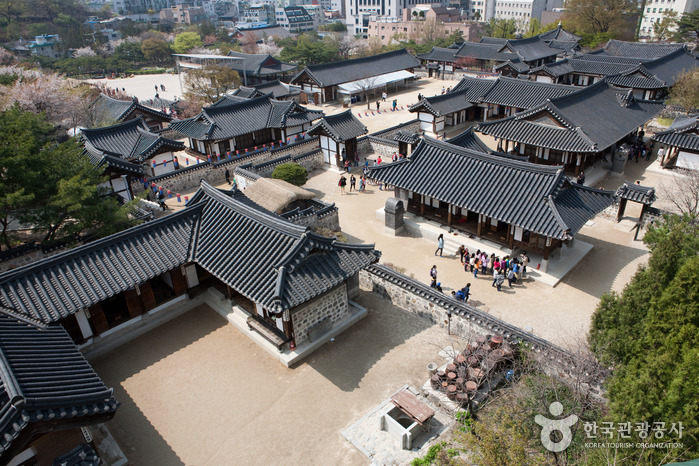
Myeong-dong, Namdaemun, Bukchang-dong and Da-dong are widely known among international visitors as hot spots for shopping and food.
Myeong-dong is a popular destination for shopping, culture, arts and fashion. Major shopping malls such as Lotte Department Store, Shinsegae Department Store, Myeong-dong Migliore and Samik Fashion Town are located here. Shoppers can find a variety of products here from high-end items to relatively inexpensive clothes. There’s also no shortage of street food, traditional restaurants, coffee shops and fancy cafes.
Namdaemun Market is the biggest traditional market in Korea. Visitors can purchase souvenirs and local produce at an affordable price in the shopping complex crowded with stores and street stalls. The market sells a variety of clothes, kitchenware, toys, accessories, food, flowers and imported goods.
Bukchang-dong and Sogong-dong have high-end accommodations including Lotte Hotel Seoul and Westin Chosun Seoul, duty-free shops, and restaurants serving traditional dishes.
[Myeong-dong, Namdaemun Market and Bukchang-dong Special Tourist Zone]
Areas included: Myeong-dong, Bukchang-dong, Mugyo-dong and Da-dong, Seoul
Area size: 872,809 ㎡
Tourist attractions: Myeong-dong, Namdaemun Market and Bukchang-dong, Department Stores (Lotte Department and Shinsegae Department Store, etc.), Traditional Market, Duty-free Shop, Hanok Village, N Seoul Tower, etc.
Hyundai Yacht Seoul Branch (현대요트 서울지점)
6.0Km 2024-01-04
350 Dongjak-daero, Seocho-gu, Seoul
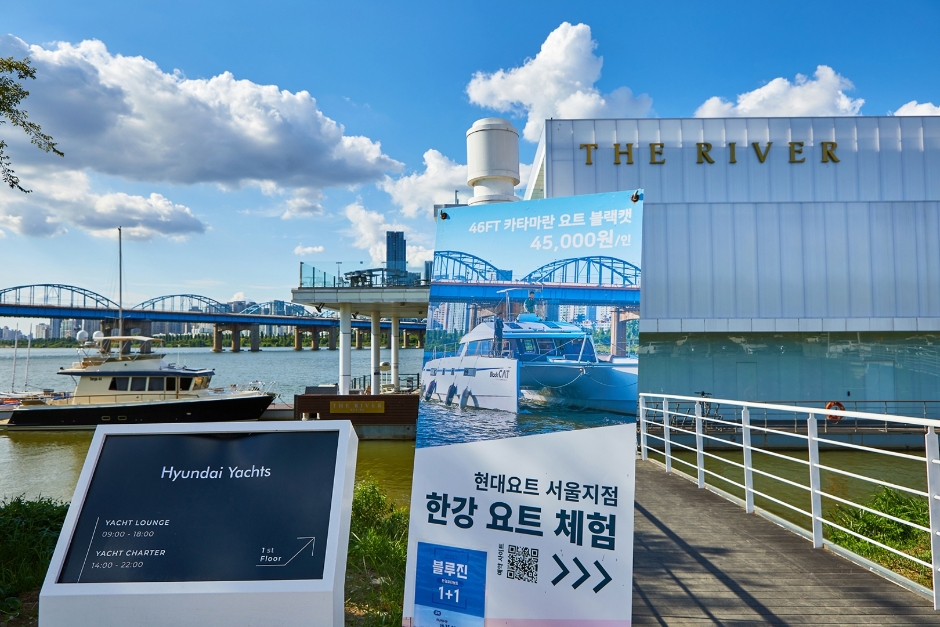
Hyundai Yacht Seoul Branch is where visitors can enjoy water sports such as yachting, dinghy yachts (small sail yachts for one to three people without engines and cabins), and kayaking on the Hangang River. It is located in “The River” in Banpo Hangang Park. Luxury yachts, named Black Cat and Blue Jin, are popular with families, while those who enjoy thrilling activities prefer dinghy yachts and kayaks. Visitors can enjoy an incredible sunset on the water as the Hangang River and Seoul's cityscape create an amazing view.
Soul (소울)
6.0Km 2025-08-20
B1, 35 Sinheung-ro 26-gil, Yongsan-gu, Seoul
Soul is a fine-dining located in Hannam-dong. It presents reinterpretations of Korean cuisine, drawing inspiration from traditional dishes. The menu is structured into lunch and dinner courses. Known for its ability to artistically express familiar flavors encountered in daily life, Soul was selected for the 2023 Michelin Guide Seoul. Operating on a reservation-only basis, bookings can be made via phone.
Ahn Junggeun Memorial Museum (안중근의사기념관)
6.0Km 2024-03-06
91, Sowol-ro, Jung-gu, Seoul
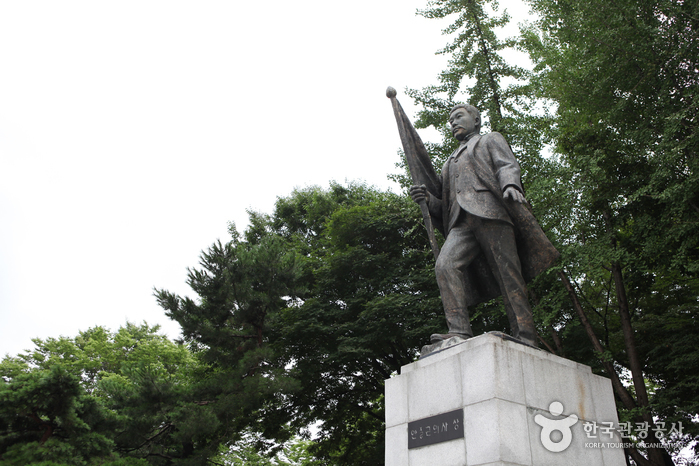
The Ahn Junggeun Memorial Museum honors the memory of Ahn Junggeun (1879-1910), an independence activist and soldier who advocated for Korean independence and peace in Asia. He fought against the Japanese to defend the Korean Empire (1897-1910). He was executed in 1910 for assassinating Hirobumi Ito, the Japanese who led the invasion of Korea in 1909, in Harbin, China.
Korea Samgyetang (고려삼계탕)
6.0Km 2024-06-19
1 Seosomun-ro 11-gil, Jung-gu, Seoul
Located near City Hall Station, Korea Samgyetang specializes in samgyetang. Samgyetang is a traditional healthy dish made by simmering cleaned young chicken in a broth with ginseng, jujube, and glutinous rice. The light and tender texture of the stewed chicken and the ginseng-flavored glutinous rice porridge is excellent. Ogolgye tang (silkie chicken soup) and jeonbok samgye tang (abalone and ginseng chicken soup) are also favorites among patrons. This restaurant was selected for the Michelin Guide Seoul in 2023.
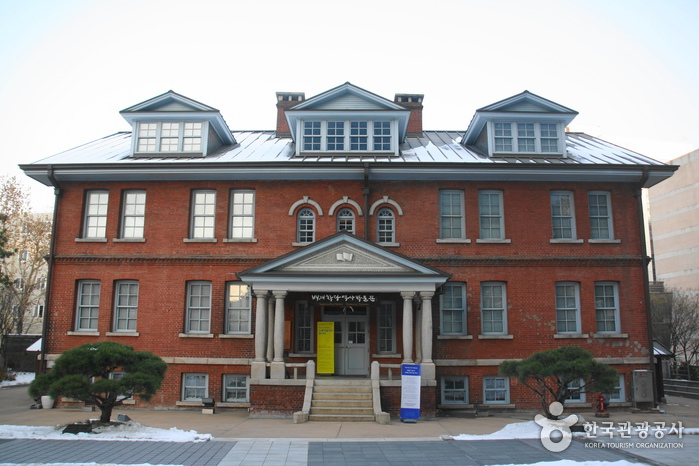
Appenzeller Noble Memorial Museum (배재학당 역사 박물관)
6.0Km 2022-10-14
19, Seosomun-ro 11-gil, Jung-gu, Seoul
The Appenzeller Noble Memorial Museum is dedicated to Henry Gerhart Appenzeller, the missionary who opened the first Western-style educational institution in Korea in 1885. The school started with English and core subjects, but expanded into the Pai Chai University, Pai Chai High School, and Pai Chai Middle School and has many famous alumni, including Rhee Syng-man. The memorial hall opened in 2008 in the east wing of the original school building, which was built in 1916 and designated as a Seoul Monument. With dynamically arranged permanent exhibitions, annual special exhibitions and special lectures, the museum offers a unique learning experience to visitors and people with an interest in the history of education in Korea.
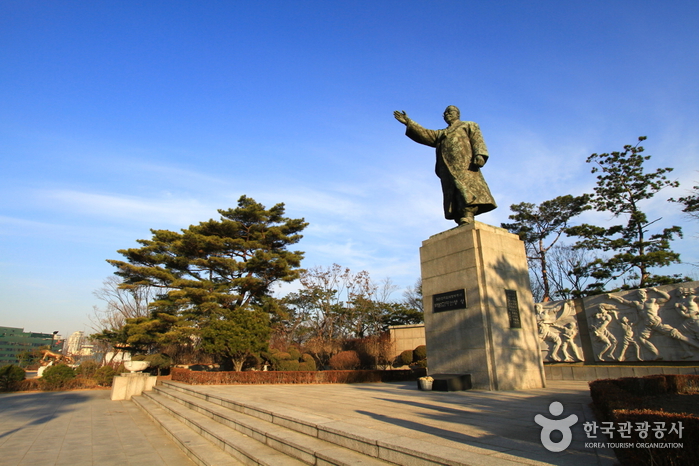
Baekbeom Kim Koo Statue (Baekbeom Plaza) (백범김구선생상(백범 광장))
6.0Km 2025-10-23
Hoehyeon-dong, Jung-gu, Seoul
Baekbeom Kim Koo Statue is located in Baekbeom Plaza in Namsan Park, Seoul. Erected in August 1969, the statue stands at a x_height of 10 meters. It commemorates the patriotic spirit of Kim Koo, who was both an independence activist and a politician in South Korea. During the Japanese colonial period, he actively participated in anti-Japanese movements, and after liberation, he played a leading role in the establishment of the government of the Republic of Korea.
National Memorial of Korean Provisional Government (국립대한민국임시정부기념관)
6.0Km 2023-01-16
279-24, Tongil-ro, Seodaemun-gu, Seoul
The National Memorial of Korean Provisional Government was established to shine a light on the proud history of the Korean Provisional Government's independence and the spirit of a democratic republic and to pass it on to future generations. The four-story memorial building with three underground floors houses three permanent exhibits, one special exhibit, Larchiveum, Symbol Plaza, storage, multi-purpose hall, and rooftop garden over a total area of 3,656 square meters, a total floor area of 9,703 square meters and a total exhibition space of 2,240 square meters. The permanent exhibits consist of a series of historic events from the March 1st Movement, which served as a turning point for the formation of the Provisional Government, to the foundation of the Korean Government that succeeded the mantle of the provisional government, while the special exhibit on the 1st floor currently hosts a special opening exhibition under the title of 『The Return of the Provisional Government of the Republic of Korea』. Moreover, a symbolic wall installation under the theme of "Waves of History" is displayed in the outdoor plaza on the 1st floor of the memorial expressing the Provisional Government’s desire for independence and the dynamics of the past, present, and future of Korea.
 English
 한국어
한국어 日本語
日本語 中文(简体)
 Deutsch
 Français
 Español
 Русский


